
Toyota is working on a new 1.5-litre four-cylinder hybrid engine that is smaller and more efficient than the current Yaris powerplant. This engine is part of a new hybrid system designed from the ground up to sit on a single platform meant to support electric, plug-in hybrid, and conventional hybrid cars alike.
A Fresh Approach to Hybrid Tech
The Japanese brand has revealed in Brussels that it is developing a next-generation hybrid system featuring 1.5-litre engines, both naturally aspirated and turbocharged. Unlike previous designs, the engine, hybrid system, and power electronics were created together as one unit rather than adapting an existing engine to hybrid use.
This has resulted in a compact and efficient family of four-cylinder engines. The naturally aspirated 1.5-litre will cover power outputs from roughly 116 to 140 horsepower, replacing the current 1.8-litre and three-cylinder 1.5-litre variants. The hybrid units are accompanied by lighter and smaller electric motors, control units, and inverters to cut energy losses and mechanical friction.
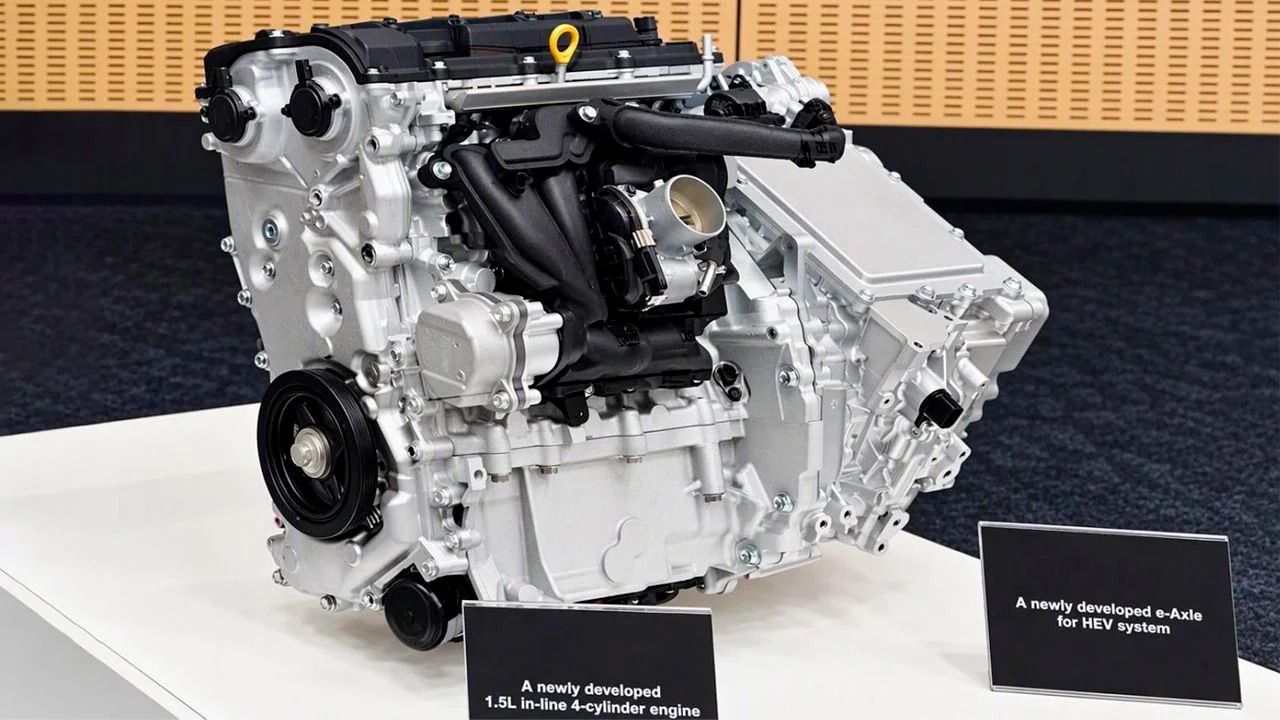
Engine Size and Efficiency Goals
The 1.5-litre naturally aspirated engine reduces volume and height by about 10% compared to Toyota’s current three-cylinder 1.5-litre. This compact size supports lower and sleeker hood designs. Toyota aims for more than a 15% improvement in fuel economy, attributed to less mechanical friction, better thermal management, reduced electrical losses, and improved aerodynamics. However, this figure is a target rather than a confirmed result.
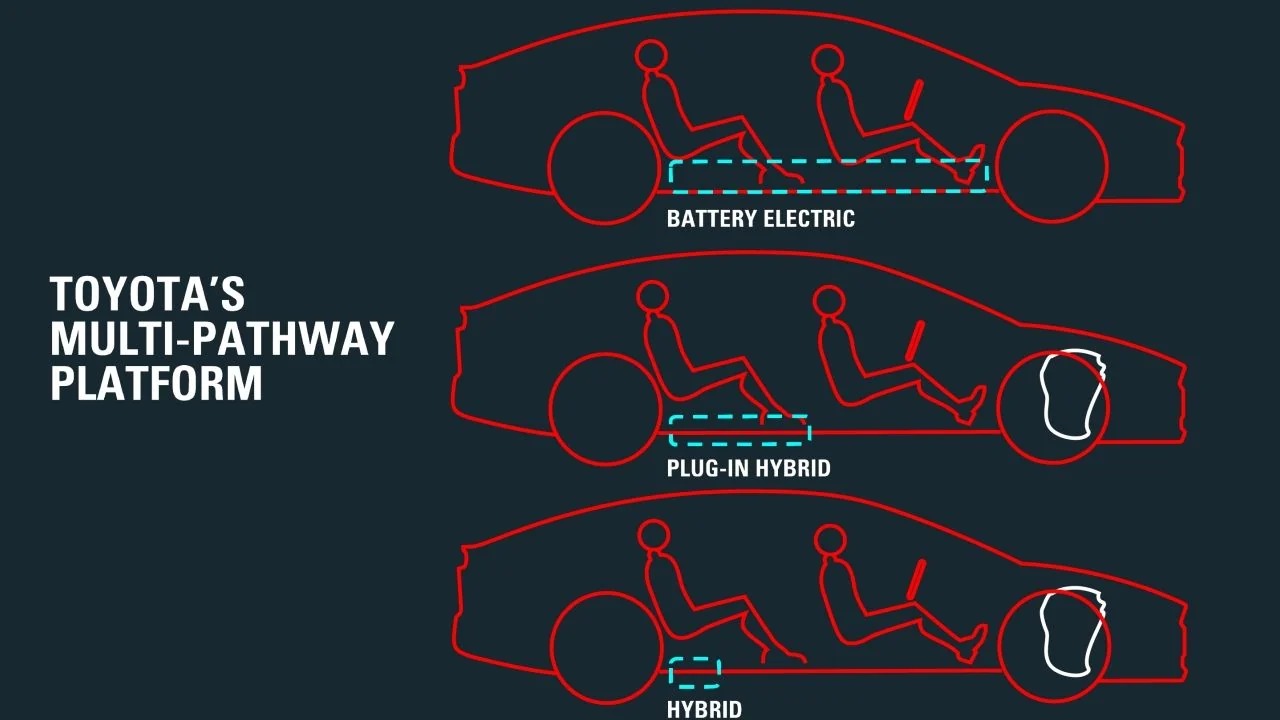
One Platform for Multiple Powertrains
The most notable part of Toyota’s plan is a new “multi-pathway” platform. It is designed to accommodate battery-electric, plug-in hybrid, and regular hybrid vehicles without compromising interior space, styling, or performance.
The smaller, lower-profile 1.5-litre engine fits well within this flexible platform. It allows designers to lower the bonnet and create more streamlined proportions. The shared platform strategy means Toyota can produce various electrified vehicles under the same production line and adjust output according to different market demands across Europe, the US, and Asia.
Launch Timing and Models Still Unclear
Toyota has not yet announced which models will first use this new hybrid system or platform. Reports suggest the next-generation Corolla, expected around 2028, could debut this technology, but this remains unconfirmed by the company.
Source: motor.es