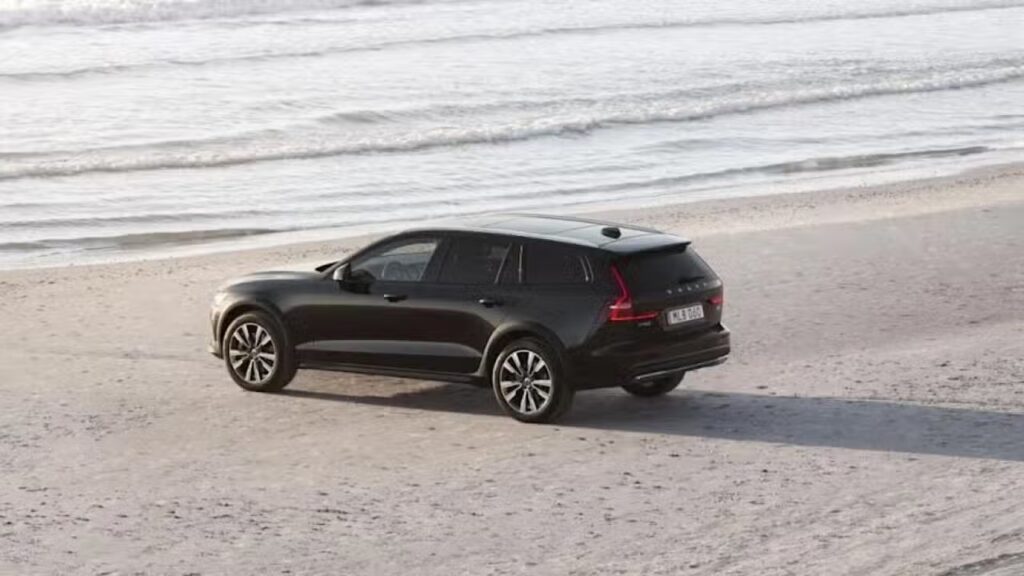

Volvo is set to discontinue the V60 and V90 Cross Country models in the US after 2026, marking an end to its traditional rugged wagons for now. However, the Swedish brand could bring back the wagon in an all-electric form by 2028, signaling a new direction for its longroof heritage.
Cross Country Models Discontinued in the US
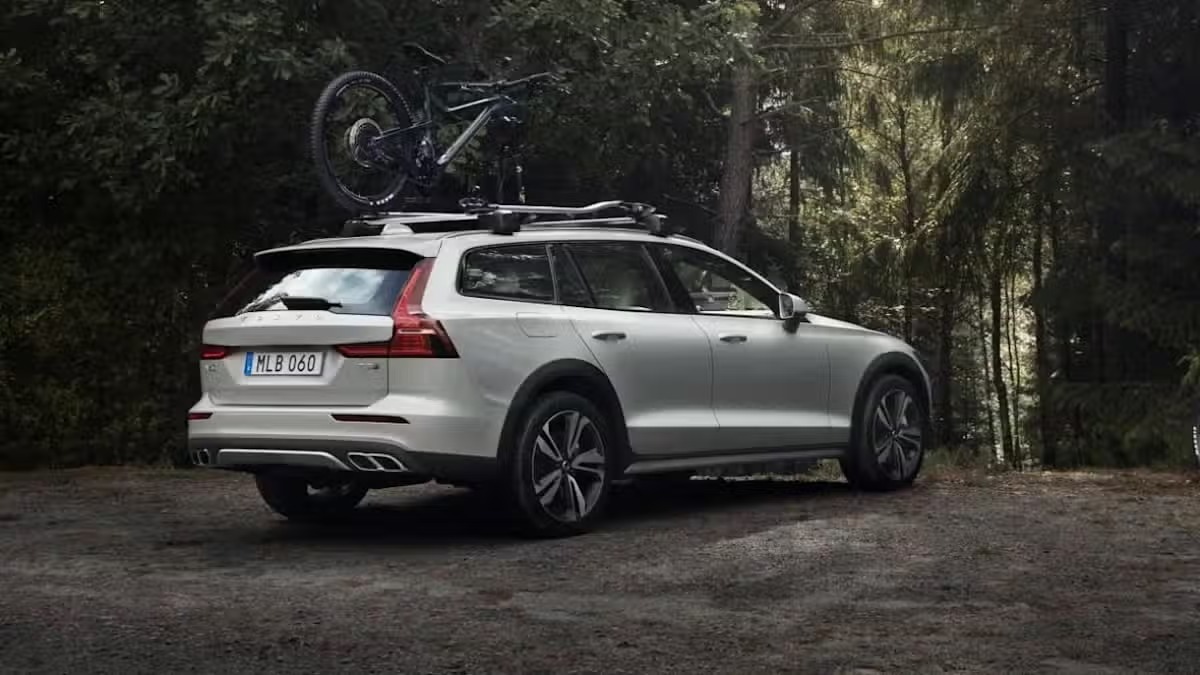
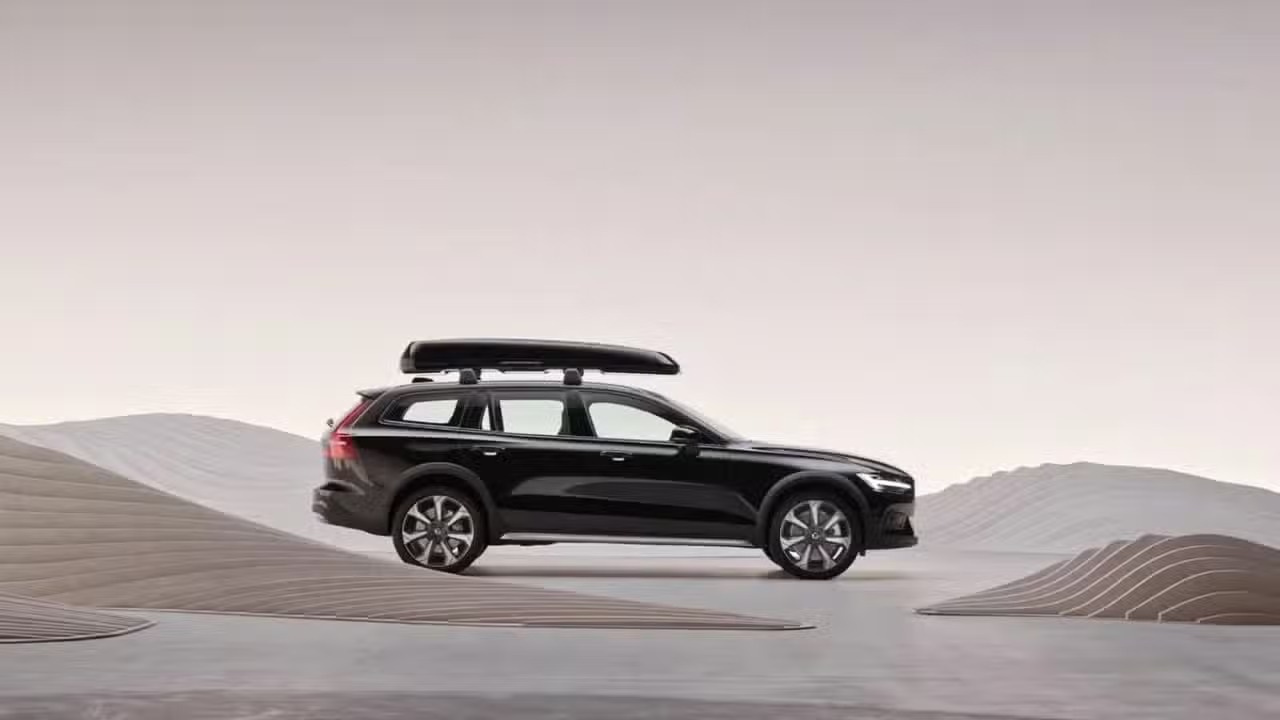
Volvo is dropping the V60 and V90 Cross Country wagons from the American lineup after the 2026 model year. These models, known for their higher ride height and off-road appearance, have struggled to compete in a market dominated by SUVs and crossovers.
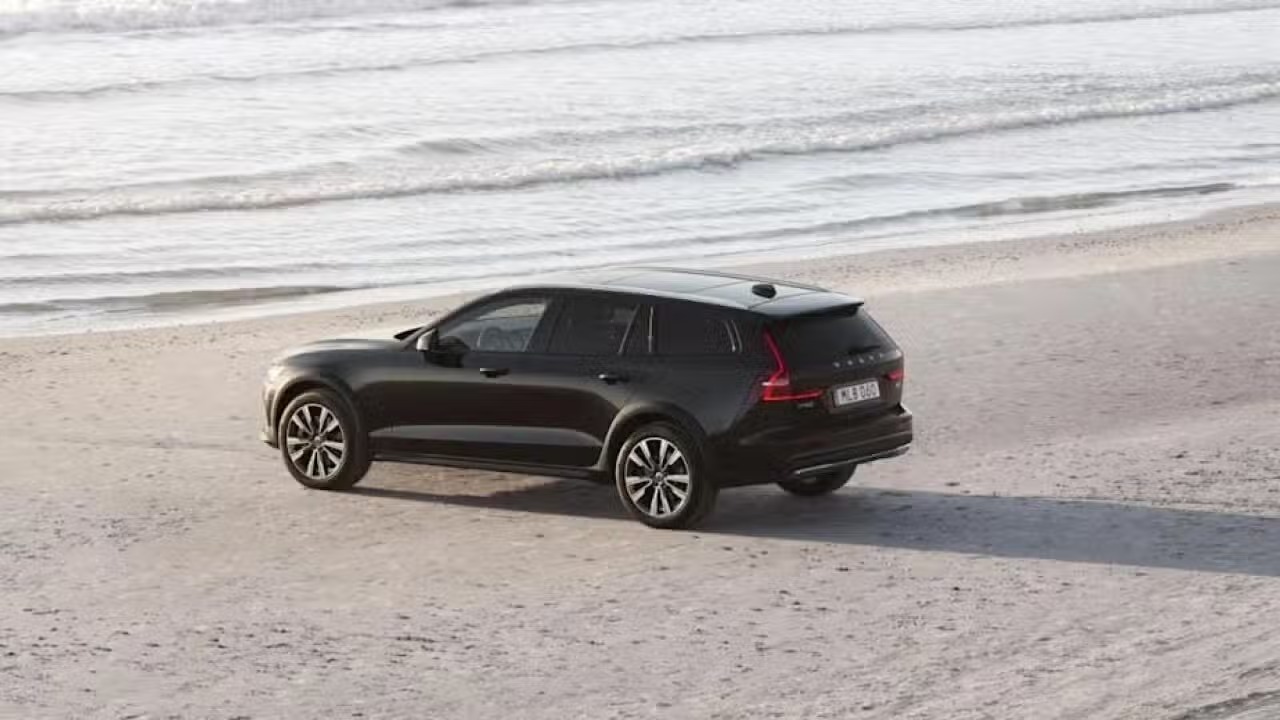
- V60 and V90 Cross Country end US production after 2026
- Reasons include strong US SUV preference and lower wagon demand
- Temporarily leaves Volvo without wagons in America
Electric Wagon and Sedan Expected by 2028
Although traditional wagons will be gone for now, Volvo reportedly plans to introduce an all-electric wagon and a sedan sibling around 2028. These new models could revive the longroof shape with modern electric technology, likely based on Volvo’s upcoming SPA3 platform.
- Electric wagon and sedan targeted at 2028 US launch
- Possible ES60 badge for sedan version
- Built with next-gen SPA3 architecture, primarily for Europe
- Production based in Europe, not the US
Key Features and Market Position
The upcoming electric wagon line will drop traditional engines for full battery-electric powertrains. Volvo might also offer a rugged “Cross Country” variant with higher ground clearance to keep the adventurous spirit alive. The automaker aims for around 10,000 combined annual US sales for both models.
- Fully electric powertrains, no gasoline engines
- Potential Cross Country trim with increased ride height
- Estimated start price in the low €50,000 range (approx. $50,000)
- Targeting a niche market segment in the US
Why It Matters
Volvo’s move reflects both the persistent dominance of SUVs in the US and the growing importance of electric vehicles. The upcoming electric wagon could appeal to buyers seeking more efficiency and style beyond traditional crossovers. It may also hint at a shift back to vehicle designs with better aerodynamics, crucial for electric driving range. For Volvo fans, the return of the wagon body style—albeit electric—could bring a fresh chapter to the brand’s distinctive heritage.
Source: clubalfa.it