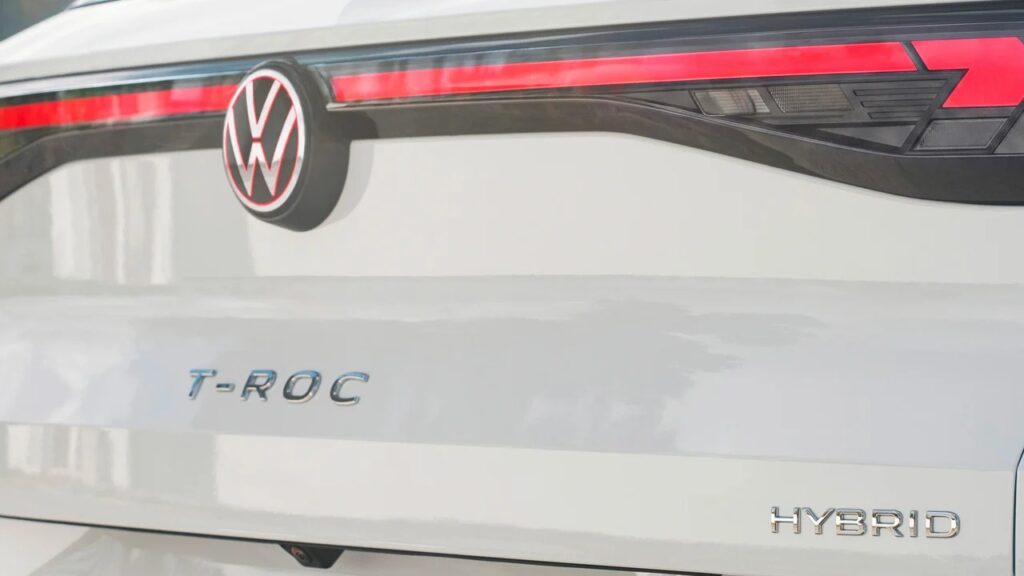

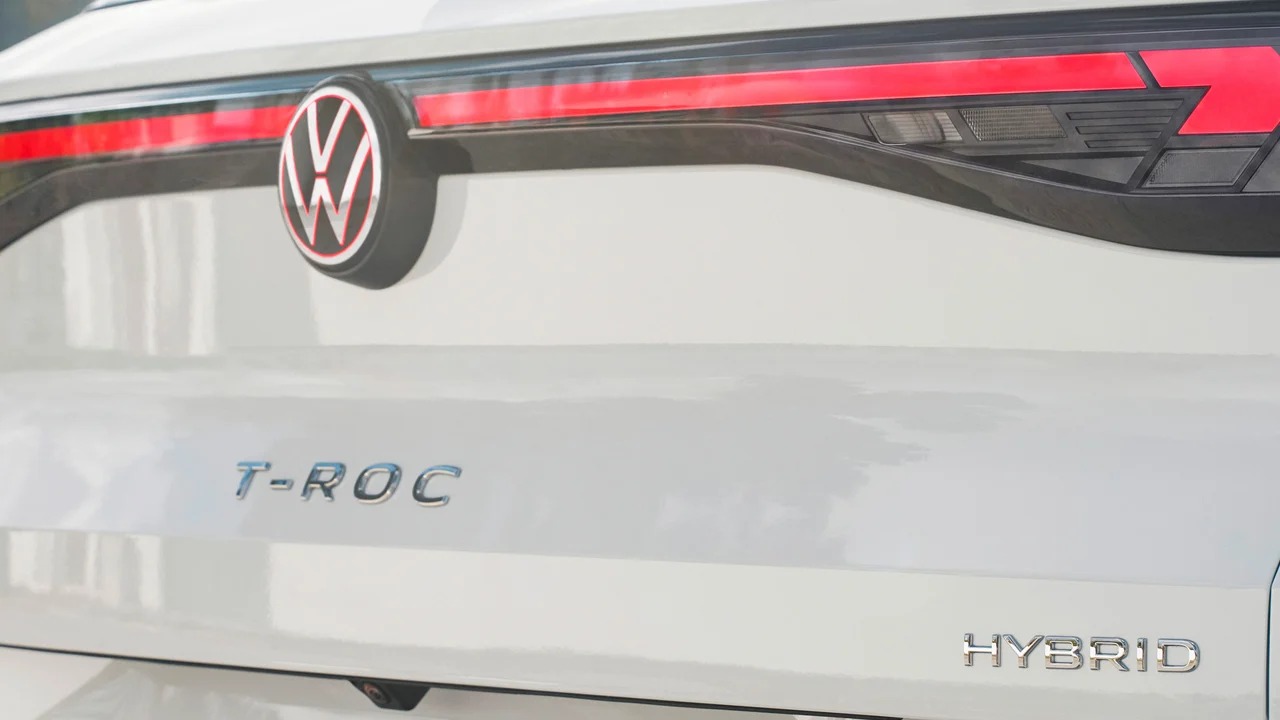
Volkswagen is ending diesel engines across most of its model lineup. The brand will keep diesel only in the Tiguan and Passat for a few more years. Instead, Volkswagen plans to focus on its new full hybrid systems, which debuted in the Golf and T-Roc models. This shift is part of a broader move away from diesel in favor of electrification.
Diesel to Disappear Except in Two Models
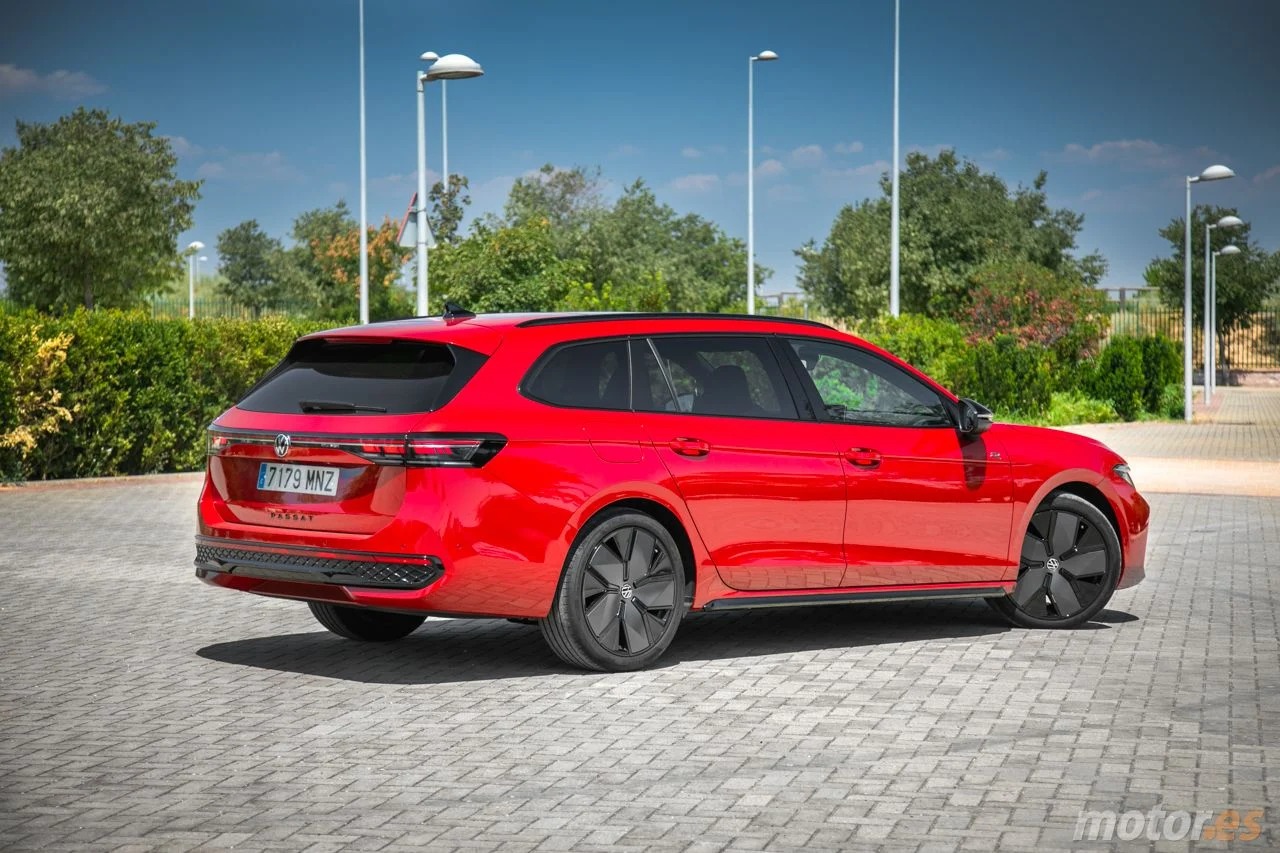
Kai Grünitz, Volkswagen’s head of Technical Development, confirmed that diesel engines will largely vanish from Volkswagen’s range. Only the Tiguan and Passat models will retain the 2.0 TDI diesel option for the time being. The rest of the lineup will switch to new hybrid powertrains by 2027, starting with the T-Roc and Golf.
Grünitz also mentioned that Volkswagen will strengthen its offering of gasoline engines equipped with 48-volt mild hybrid (MHEV) technology. However, the overall diesel presence will be significantly reduced.
Why Volkswagen Is Moving Away from Diesel
Rising emission limits and related costs have pressured Volkswagen to reconsider diesel engines. The brand faces significant fines from European regulators for exceeding emissions targets, with recent reports suggesting Volkswagen has set aside about €1.5 billion to cover penalties this year.
Volkswagen prefers paying these fines rather than entering emission credit-sharing deals with other manufacturers, which also require compensation payments. Instead, it is investing in electrification to improve its emissions profile directly.
The Role of Volkswagen Diesel in the Group’s Emissions Strategy
An interesting part of this strategy is that Volkswagen’s lower emissions help other brands in the Volkswagen Group, like Audi and Porsche, continue offering larger engines such as V6 and V8 petrol variants. The CO2 credits Volkswagen earns by reducing emissions with hybrids and mild hybrids can be shared within the group.
Grünitz indicated these larger engines, fueled by petrol or e-fuels, might survive longer thanks to this arrangement. This means buyers of new Volkswagen hybrids are indirectly supporting the continuation of high-performance engines in sister brands. This practice is legal and common in the automotive industry.
Diesel Demand Already Low in Spain
Volkswagen’s move away from diesel aligns with market trends, especially in places like Spain where diesels have become very unpopular. ANFAC data shows that in the first half of 2026, only 3% of buyers in Spain chose diesel vehicles. Meanwhile, conventional hybrids accounted for 45.5% of sales, and plug-in hybrids 23.2%. In August alone, 9,562 battery-electric vehicles were registered compared to 1,843 diesels, a ratio of five to one.
Maintaining diesel only in Tiguan and Passat is more about meeting the needs of fleet operators and high-mileage drivers in Central Europe than catering to Spanish customers. The 2.0 TDI engine will continue mainly through the used car market.
Source: motor.es