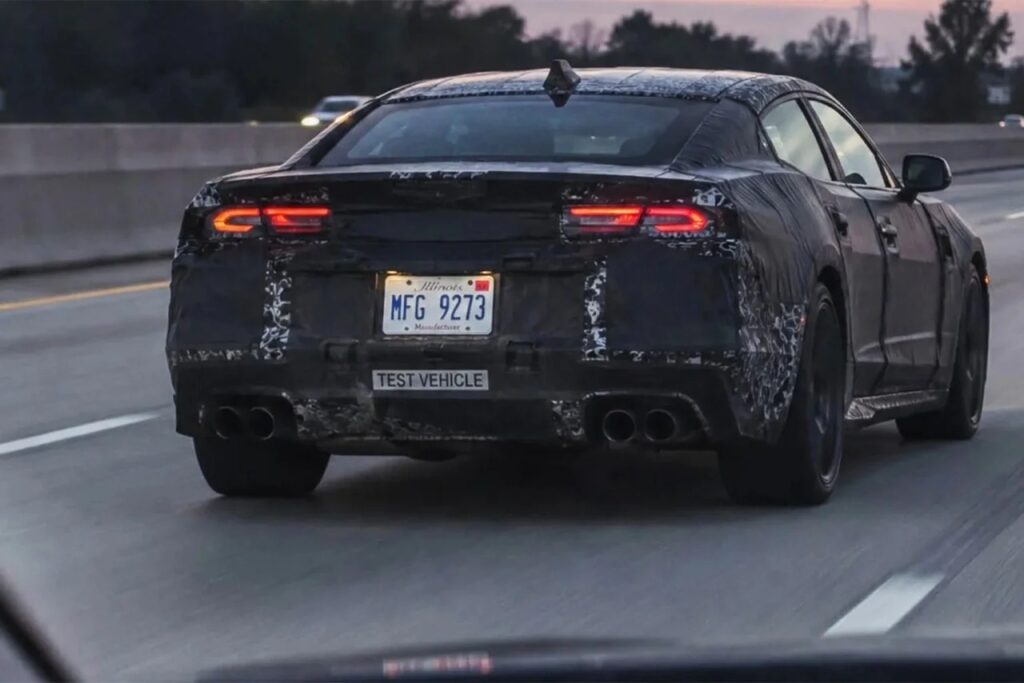

A recently shared photo showing a Chevrolet Camaro with four doors sparked widespread attention online. It appeared to reveal a sporty sedan prototype instead of the traditional two-door coupe. However, a closer look showed that the image was created with artificial intelligence and does not depict a real vehicle.
Signs Pointing to an AI-Created Image
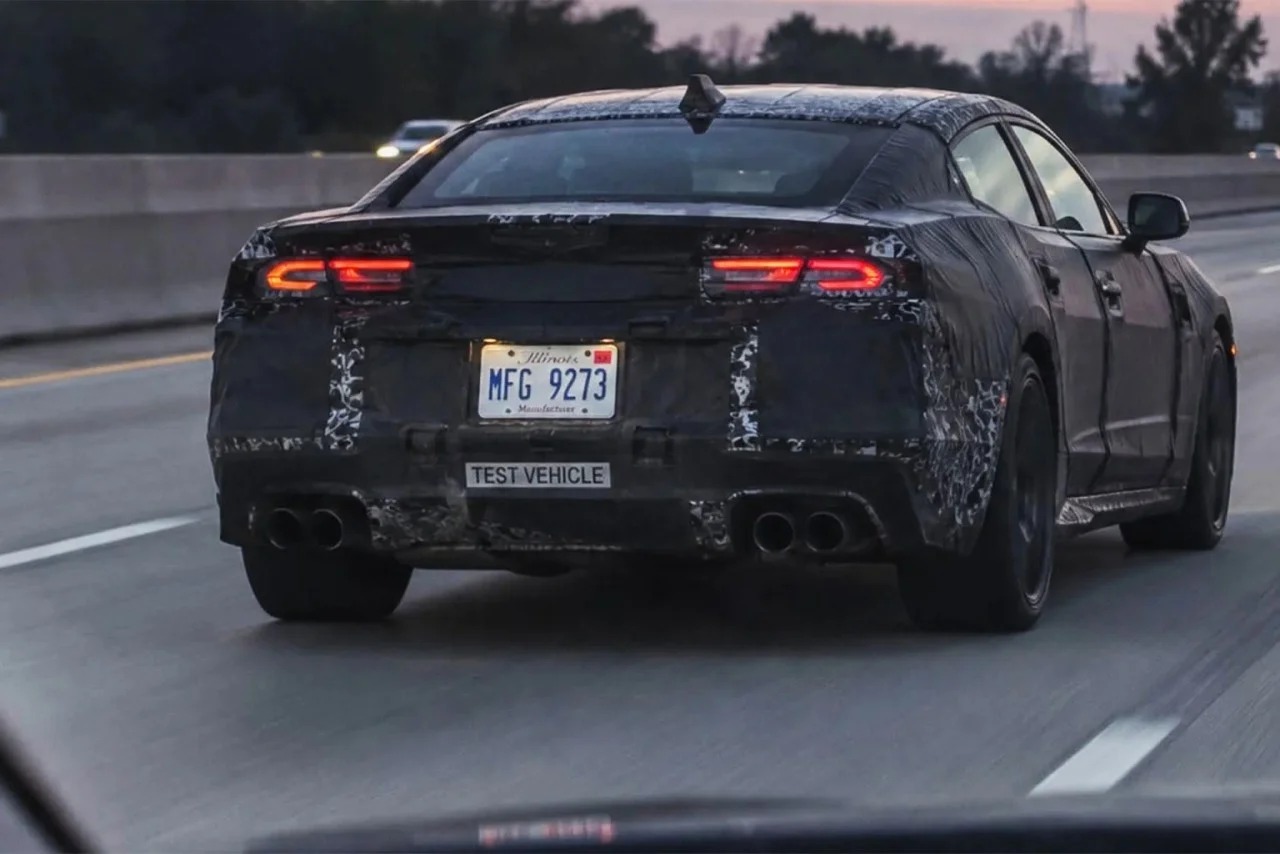
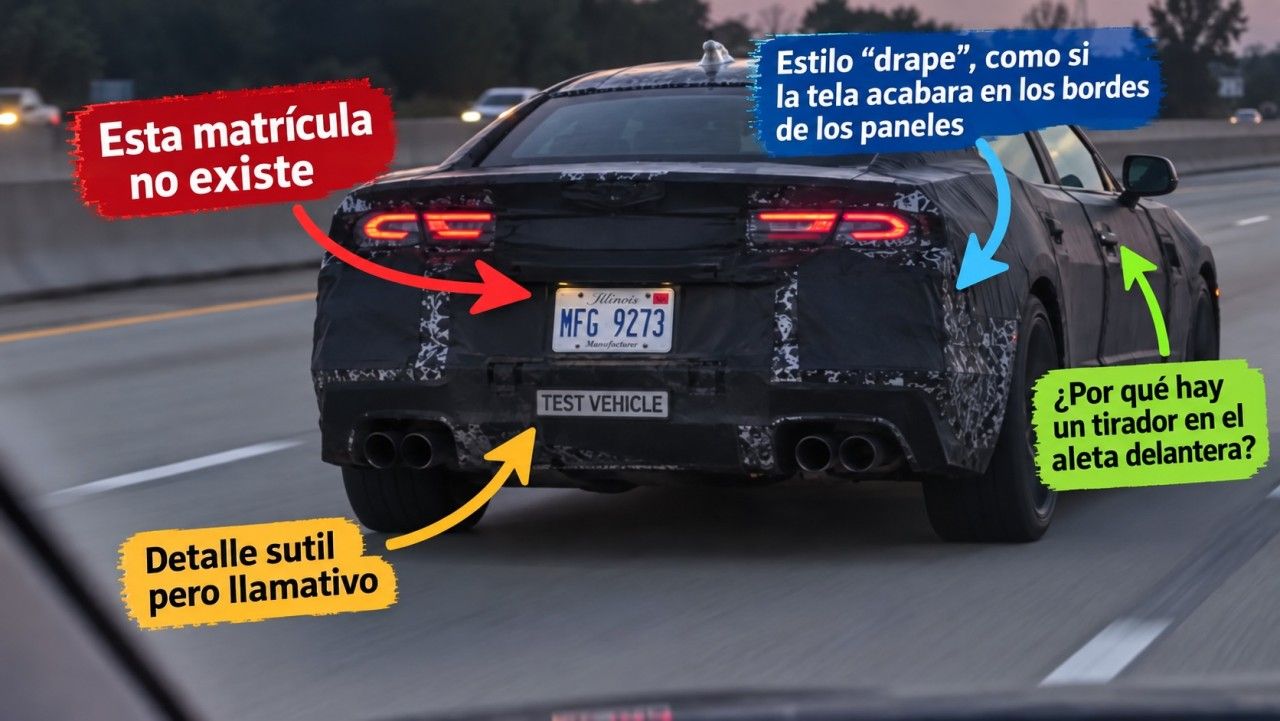
The photo looked convincing at first, thanks to elements like a camouflage pattern and a license plate resembling those used on test vehicles. But enthusiasts and experts found several unusual details. For instance, the license plate format did not match the standard style used by General Motors in Illinois or Michigan, raising doubts about its authenticity.
Additionally, the camouflage was applied with an unusually clean edge along the panel gaps. Real prototypes typically have rougher, less precise camo placement since its sole purpose is to hide design details, not to look neat.
One major giveaway was an oddly placed door handle on the front fender, which made no functional sense. This extra handle is a common error in AI-generated imagery, where the system mistakes shapes and adds nonexistent parts. A suspiciously neat “Test Vehicle” sticker further lent a false sense of realism to the image.
Why the Fake Camaro Image Felt Plausible
The image circulated widely because its concept fit ongoing rumors about the Camaro’s future. Chevrolet ended production of the sixth-generation Camaro late in 2023, and reports have suggested a very different model may arrive someday, possibly as a sedan or an electric vehicle. GM even paused a Camaro revival project, adding to the speculation.
Because the idea of a four-door Camaro isn’t entirely impossible, the image fooled many at first glance. GM declined to comment on the viral photo but dismissed any claims that it showed a real, in-development vehicle.
Impact of AI on Car Spy Photography
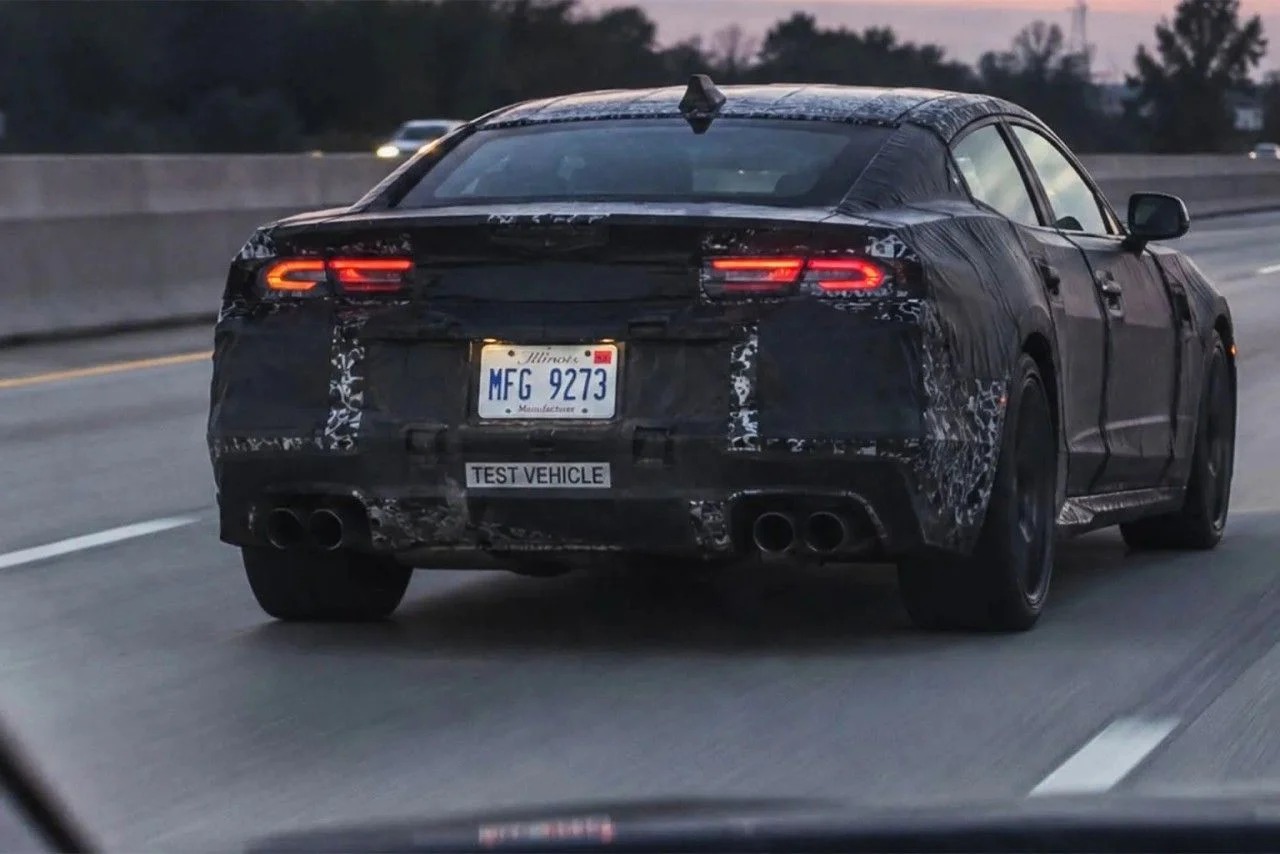
This incident highlights a new challenge for automotive media and fans. AI can now produce images that seem authentic enough to confuse even experienced observers. From photos to documents, the technology makes it easier to spread convincing fake information about cars.
For now, traditional spy photos need an extra layer of skepticism. Before jumping to conclusions about a car’s design or format, one must first confirm whether the image itself is genuine.
Source: motor.es