
Stellantis CEO Olivier François has made it clear that the Abarth brand needs to bring back a model with an internal combustion engine. This marks a shift from the all-electric focus since the Abarth 595 and 695 were discontinued. However, while the company agrees on the need for a gasoline-powered Abarth, significant technical obstacles remain before such a car can hit the market.
Why Bringing Back a Gasoline Abarth Is Difficult
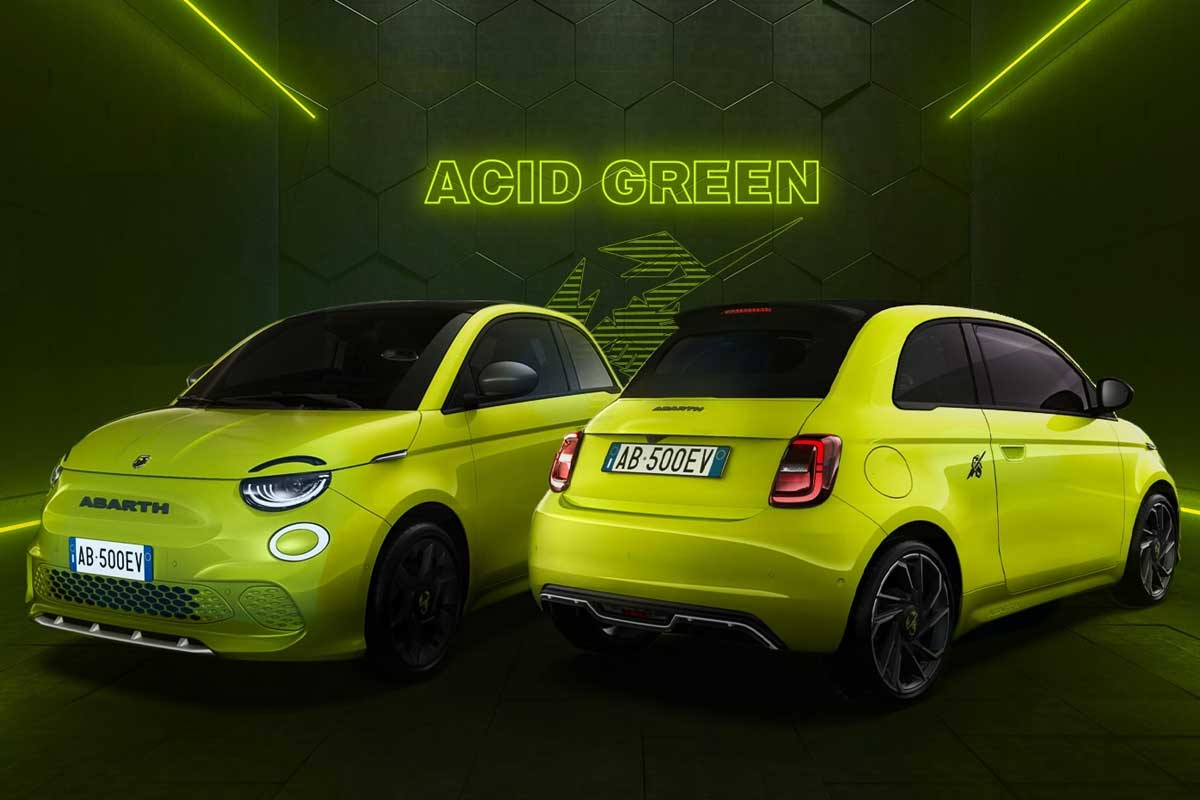
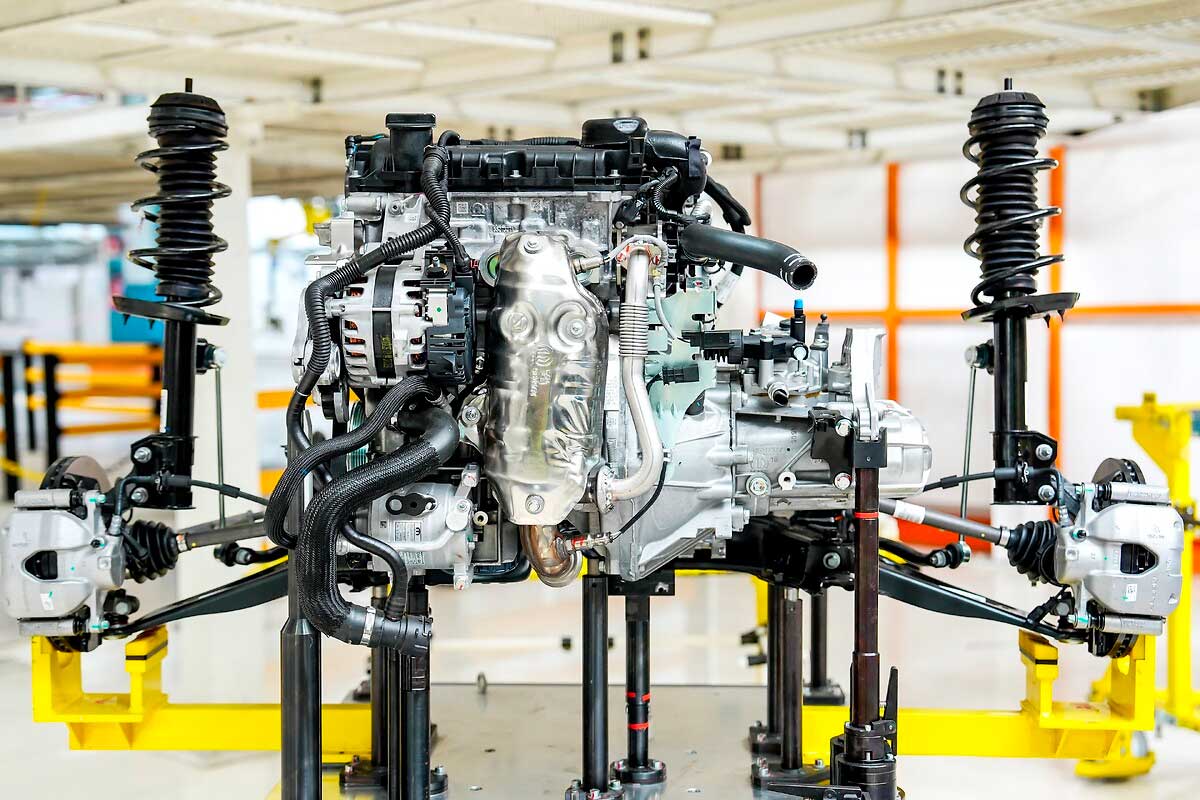
Even though Abarth enthusiasts want a return to petrol engines, the practical side is complicated. The most obvious candidate, the Fiat 500, presents major challenges. Its current platform was designed primarily for electric powertrains. While the small three-cylinder hybrid engine fits into the 500, installing a more powerful petrol engine suitable for Abarth tuning is not straightforward.
The limited engine bay space, cooling requirements, and engineering changes needed make modifying the existing 500 tough. Olivier François hints that a new generation of the Fiat 500, expected around 2030, might better accommodate a high-performance gasoline engine. Until then, the current model is a tricky base for an Abarth petrol variant.
Alternative Platforms Could Lead Abarth’s Gasoline Return
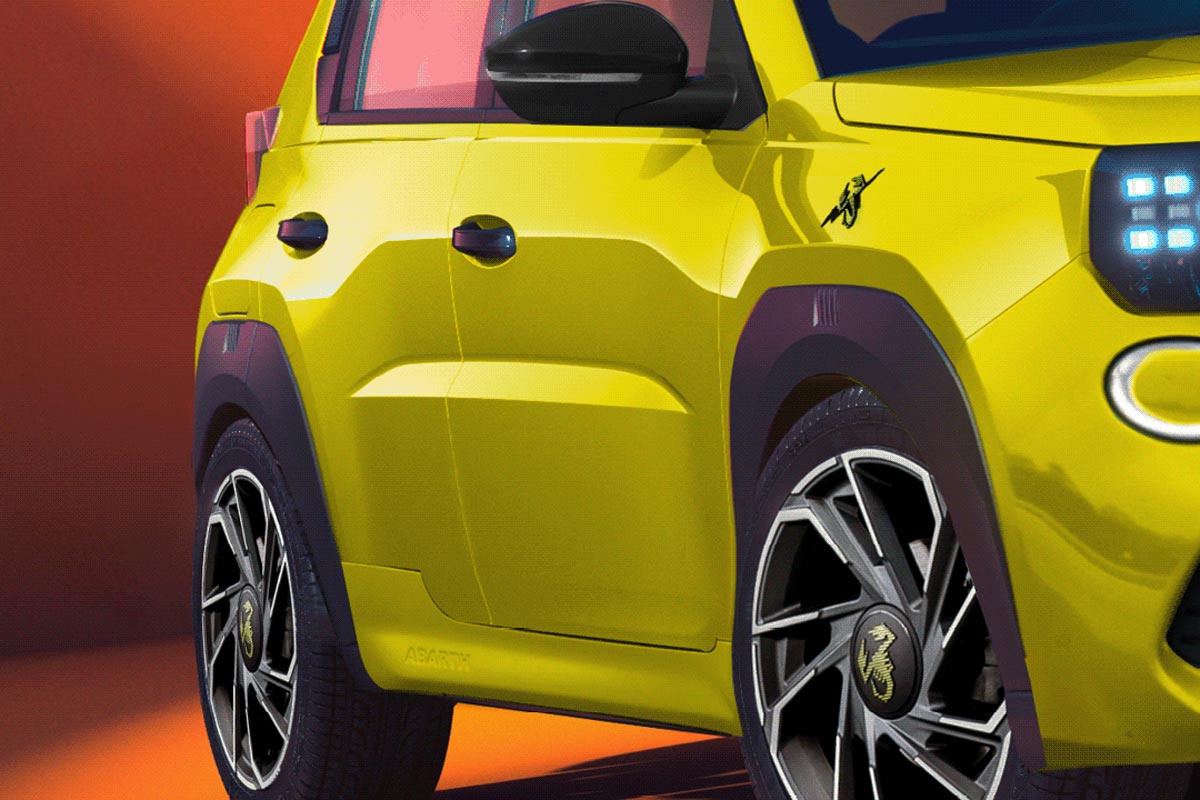
Stellantis is exploring options beyond the Fiat 500. François mentioned that other vehicles could serve as the foundation for a new combustion-engine Abarth. Models like the Fiat Grizzly or the Fiat Grande Panda, which already offer multiple powertrain types including gasoline and hybrid, might be more suitable candidates.
Using these platforms could allow Abarth to develop a performance model without facing the severe space and cooling limitations of the 500. This approach seems technically more feasible and could revive the traditional mechanical character that fans want.
A Clear Need but No Clear Timeline
The shift in Stellantis’s message shows a real commitment to keeping Abarth’s petrol heritage alive. However, no concrete plans or timelines have been shared. The technical hurdles, hefty investment needed, and tightening European emissions rules mean a gasoline Abarth won’t return anytime soon.
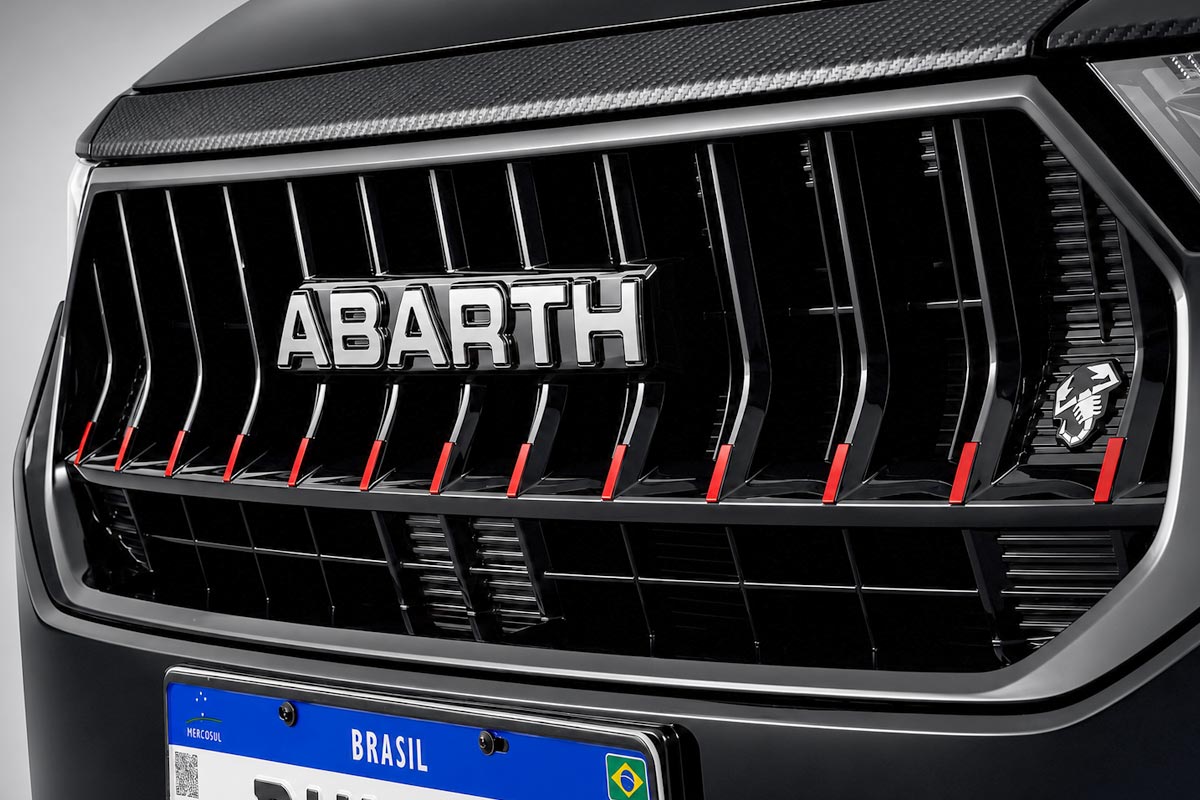
Meanwhile, some speculate solutions might come from markets like Brazil, where Fiat variants with sporty Abarth versions already exist. Despite the enthusiasm, European fans will likely wait several years before seeing a gasoline-powered Abarth again.
Source: italpassion.fr