
Renault is set to change its design approach for upcoming models by focusing on more consistent styling across its range, except for its distinctive retro-inspired electric cars. This shift comes after launching several EVs with unique, iconic looks like the Renault 4, 5, and Twingo.
Two Separate Design Paths
According to Renault’s design chief Laurens van den Acker, the brand will maintain two design streams. Retro models such as the Twingo and R5 will continue to embrace their individual identities without following a unified design language. These “legendary icons” remain focused on being instantly recognizable rather than fitting into a family style.
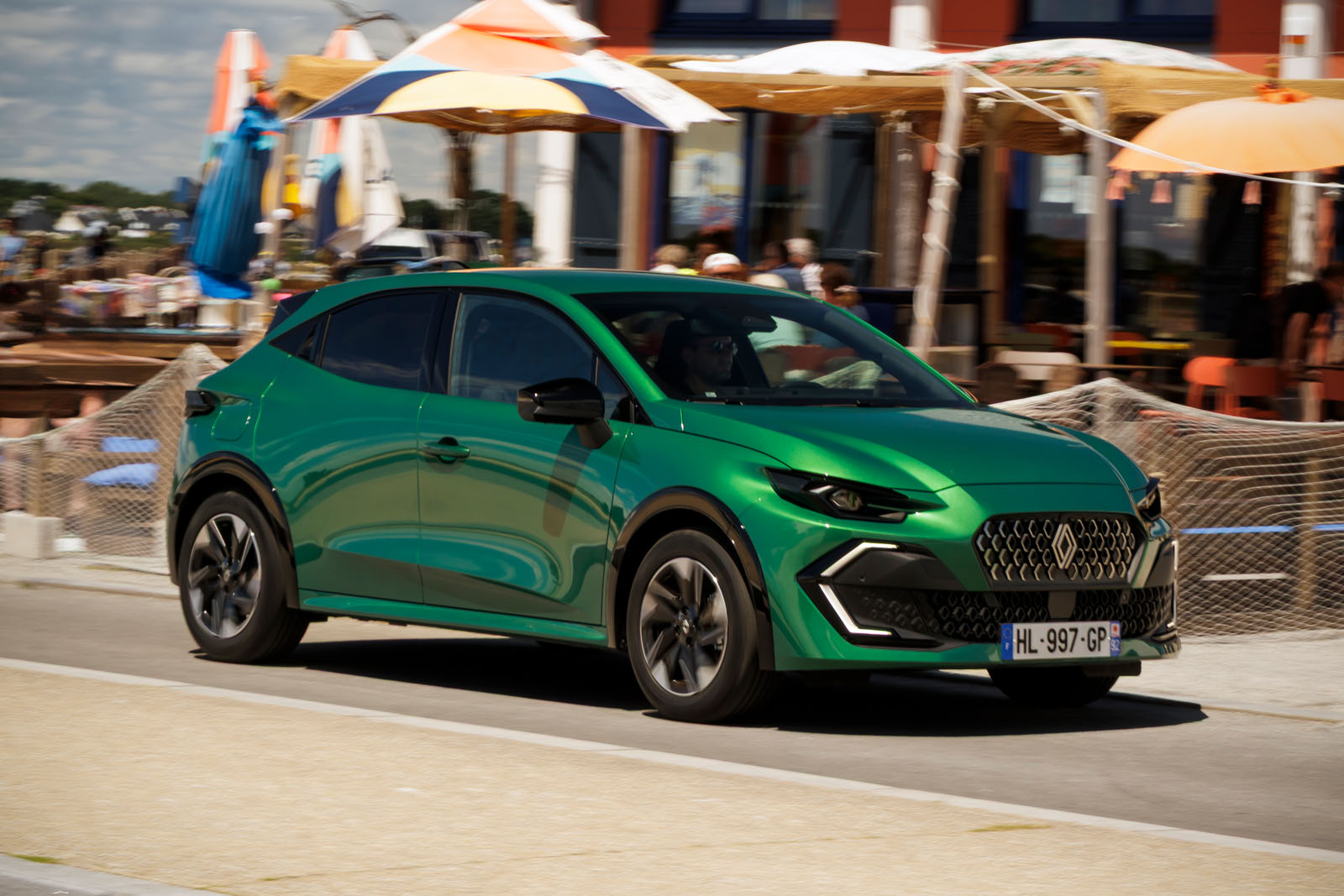
In contrast, other future vehicles—referred to as “future icons”—will share a more uniform and restrained design language. This direction aims to create a stronger family resemblance among the regular lineup outside of the retro icons. The change is also linked to new leadership under Renault Group CEO François Provost and the arrival of Alexandre Malval, who recently took charge of Renault brand design.
A Balance Between Individuality and Cohesion
Van den Acker explained that Renault’s styling approach now swings towards more unified designs after a period where each model had distinctive personalities. He compared this shift to a pendulum movement, suggesting neither approach is definitively better, but Renault is currently seeking a balanced style.
The E-Space concept SUV is cited as an example of this restrained design philosophy. Inspired by the original Espace but much fresher, it represents what future models might look like on bespoke electric platforms. The bespoke EV architecture allows for more innovation in shape and silhouette, including longer wheelbases, bigger wheels, and proportions that sit between SUVs and saloons.
Design Focus for Different Segments
Renault plans to maintain strong stylistic confidence in smaller cars, particularly in the B-segment. However, the design team faces a greater challenge in the more competitive C- and D-segments. Here, the form language will likely become more timeless and serious to match the higher price points, with less emphasis on flashy surface details.
Even so, the brand wants to keep its French character. Van den Acker emphasized Renault’s intention to avoid the colder, more rigid look often associated with German cars, or the overly expressive Italian style. Instead, it seeks a distinct, restrained design that still carries a Latin warmth and personality.
EV Platforms to Inspire New Styles
The transition to electric vehicle-specific platforms opens new design possibilities. Because EV platforms allow different proportions from traditional internal combustion cars, Renault expects future models to have unique silhouettes that are innovative by nature.
This evolution represents a clear break from the past, supporting Renault’s broader shift toward electric mobility while aligning design with practicality and new market expectations.
More details about Renault’s new design language are expected as upcoming models draw closer to production.
Source: autocar.co.uk