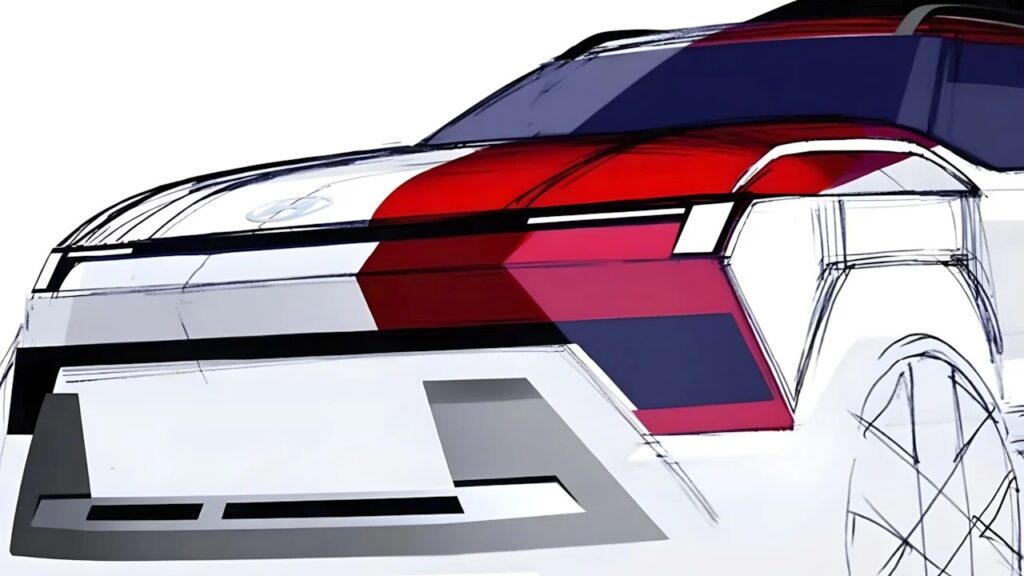

Hyundai has revealed the first official sketches of the second-generation BAYON, its smallest SUV. The new model sports a more rugged and modern look outside, with an interior design inspired by the latest i20. It is set to debut in India before reaching European markets in 2027.
More Rugged Design Signals a True B-SUV
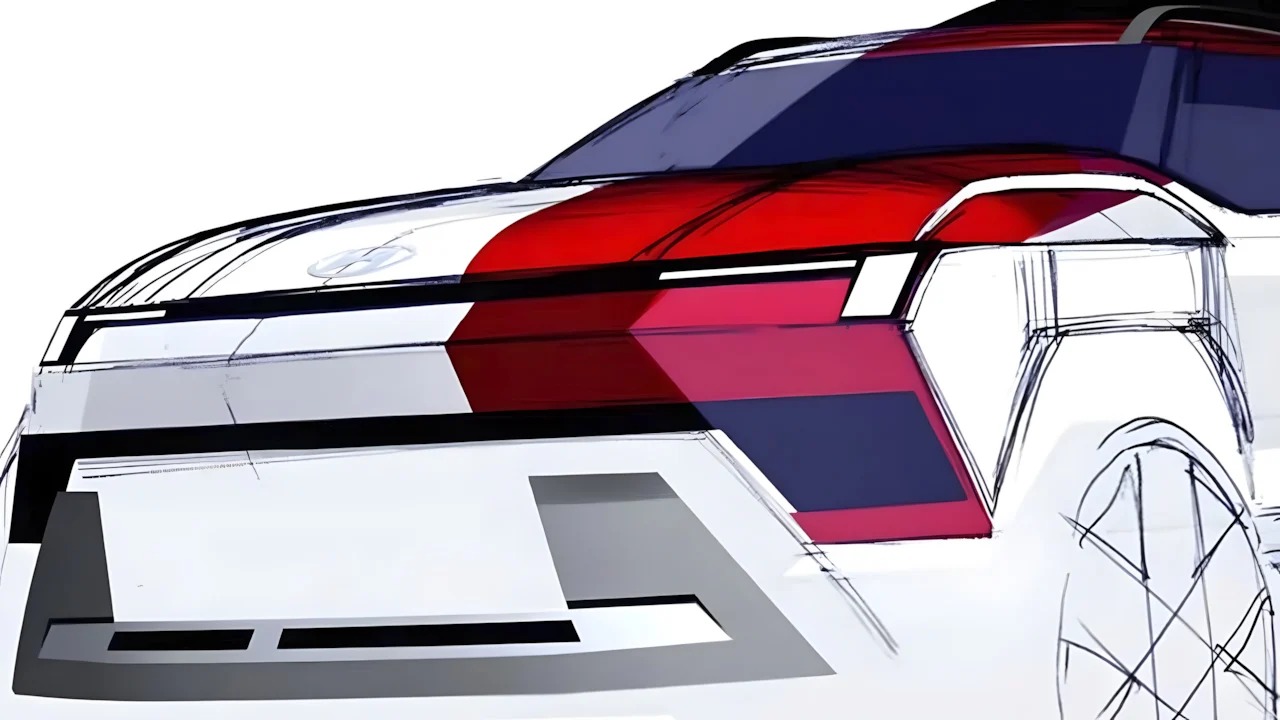
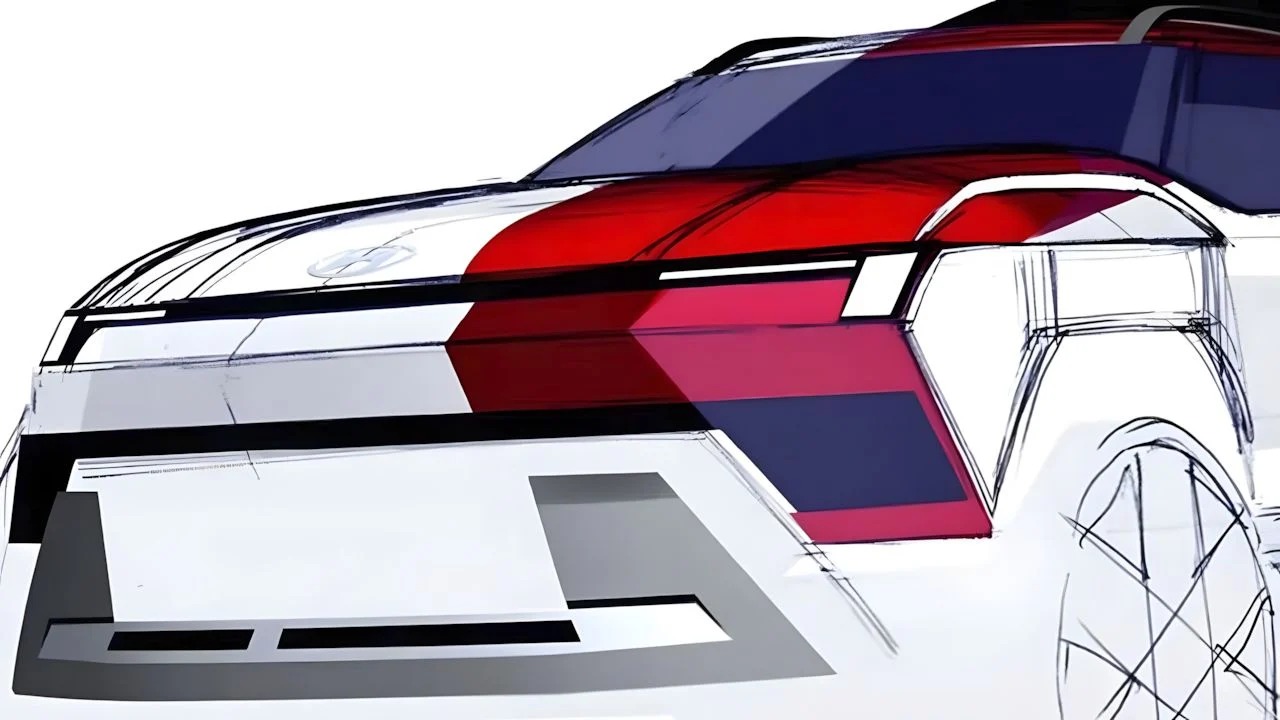
The sketches confirm the changes visible in earlier spy photos: the BAYON is transforming from a simple crossover into a genuine B-segment SUV with a tougher, more off-road ready appearance. The front features a flatter hood, characteristic of Hyundai’s “Art of Steel” design style, which gives the SUV a stronger stance.
The updated lighting keeps the split headlight design but drops the LED light bar that was common before. The daytime running lights now form an “H” shape, but split at the top. Attention focuses on a new front bumper with a protective skid plate, enhancing the SUV’s rugged look.
From the side, the window line rises sharply toward the rear pillar, giving the silhouette a dynamic feel. Door handles remain conventional, while the wheel arches are more angular. At the back, a slim LED light strip mirrors the design of the front lights, topped by a more pronounced roof spoiler. The overall length is expected to be a bit over 4 meters.
Interior Echoes Hyundai’s Latest i20
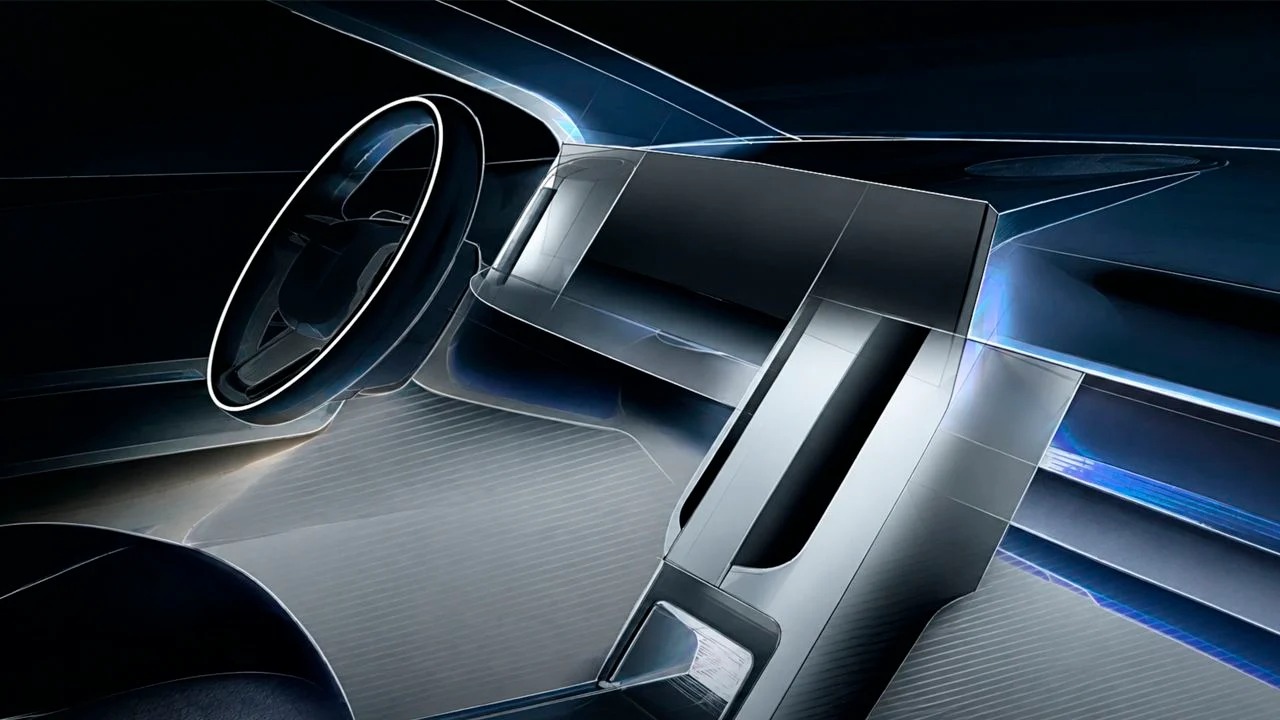
Inside, the BAYON’s cabin is almost identical to the fourth-generation i20 revealed recently in Brazil. It features twin 12.3-inch displays for the instrument cluster and central infotainment, a climate control panel with physical buttons, and a vertical wireless charging pad in the center console.
The steering wheel bears Hyundai’s four-point emblem and includes integrated shift paddles. Air vents, both on the dashboard and doors, follow the i20’s vertical style, giving the interior a cohesive and modern environment.
Powertrain Plans Differ by Market
Hyundai plans to introduce the BAYON first in India, where it will offer a 1.5-litre naturally aspirated petrol engine with both manual and automatic transmissions, alongside a CNG variant. These engine options will not be available in Europe.
For the European market, the new BAYON will retain the 1.0-litre three-cylinder turbo petrol engines with 48V mild-hybrid technology. A new hybrid electric vehicle (HEV) option is also planned, though specific details have yet to be disclosed.
The revamped BAYON will be built in Turkey and is expected to arrive in European dealerships by mid-2027. More information is likely to emerge as the launch approaches.
Source: motor.es