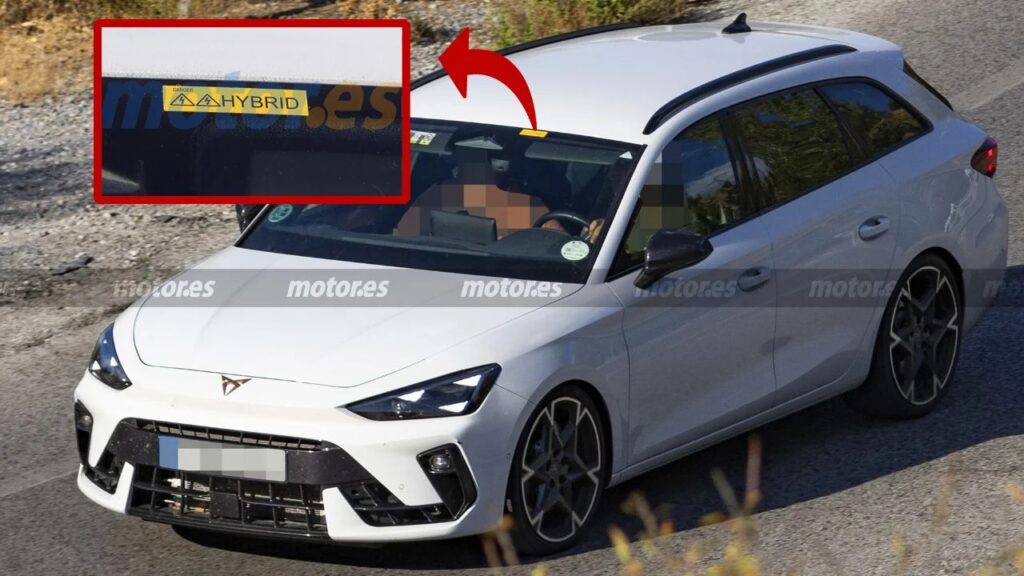

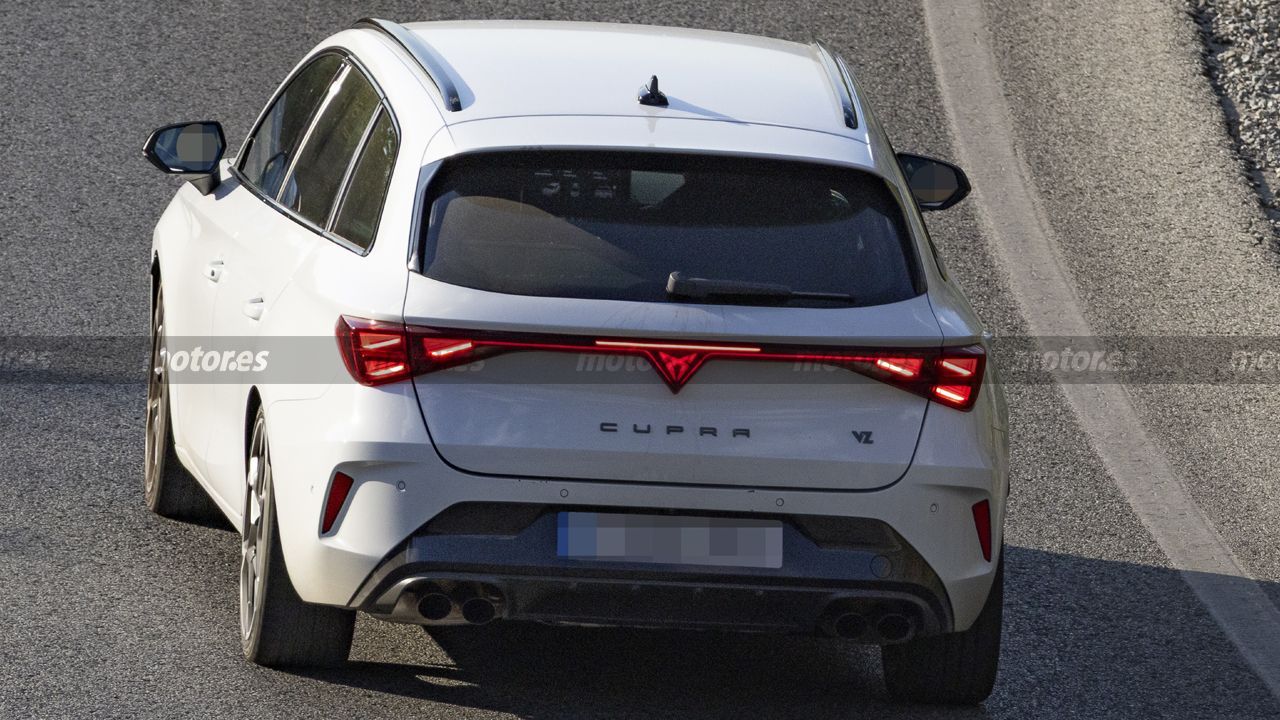
CUPRA is developing a new self-charging hybrid system that promises up to 340 horsepower with all-wheel drive but no need for external charging. The Spanish brand is using a CUPRA León SP VZ as a test mule for this hybrid, which is expected to launch in 2028.
Development Mule Hides New Hybrid Powertrain
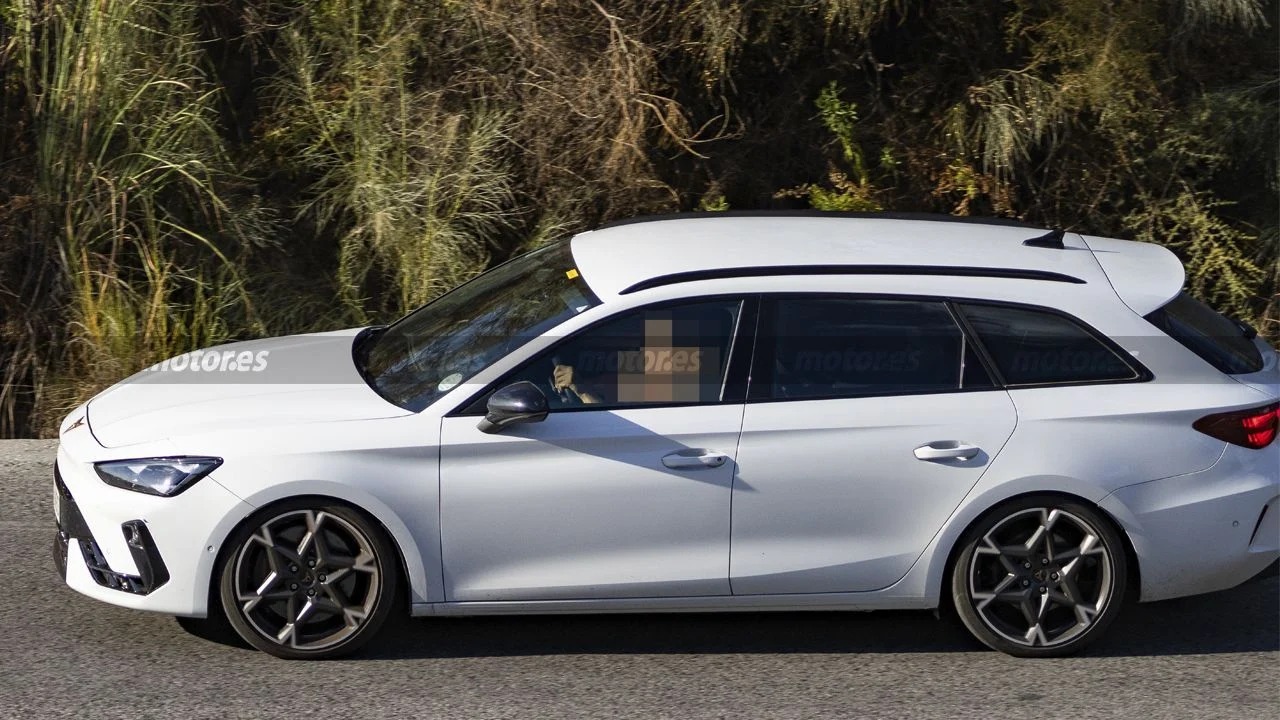
The prototype spotted is based on the practical León VZ Sportstourer and carries dual exhaust outlets typical of the 2.0-litre turbocharged petrol engine producing 333 hp. However, the test car is not using that engine for the hybrid setup. Instead, CUPRA is focusing on a hybrid system centered around a 1.5-litre TSI petrol engine combined with electric motors.
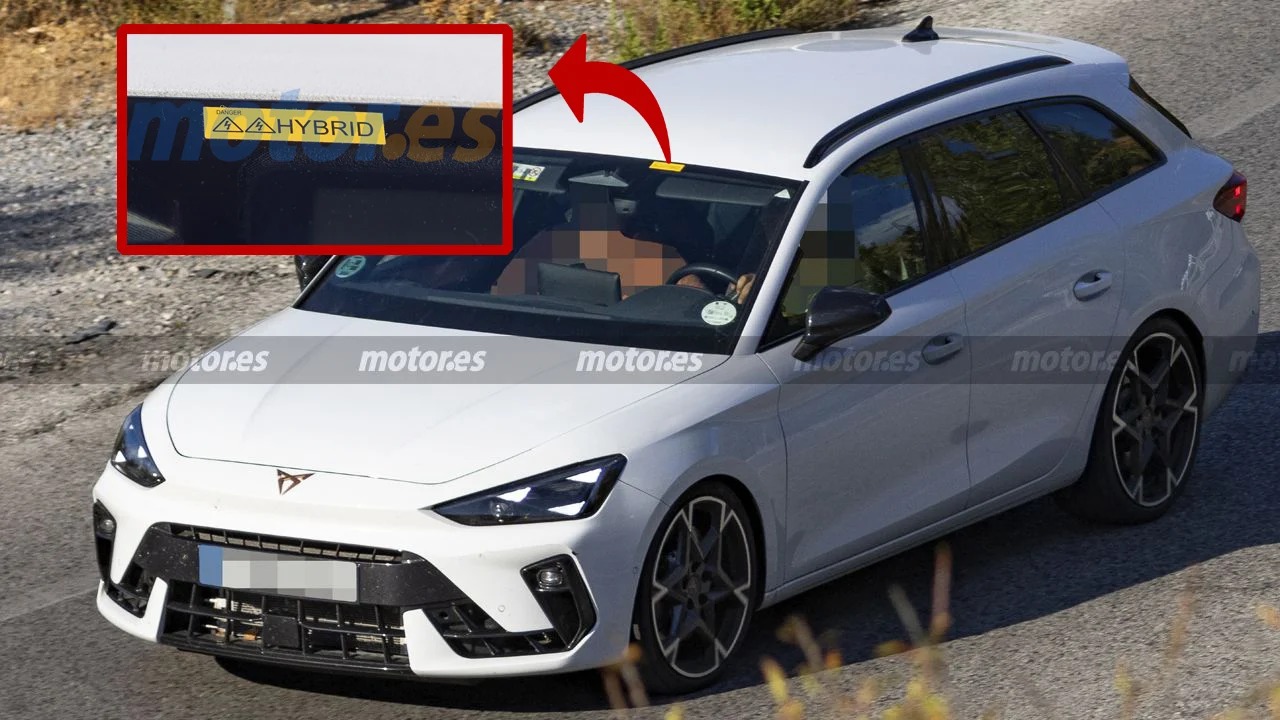
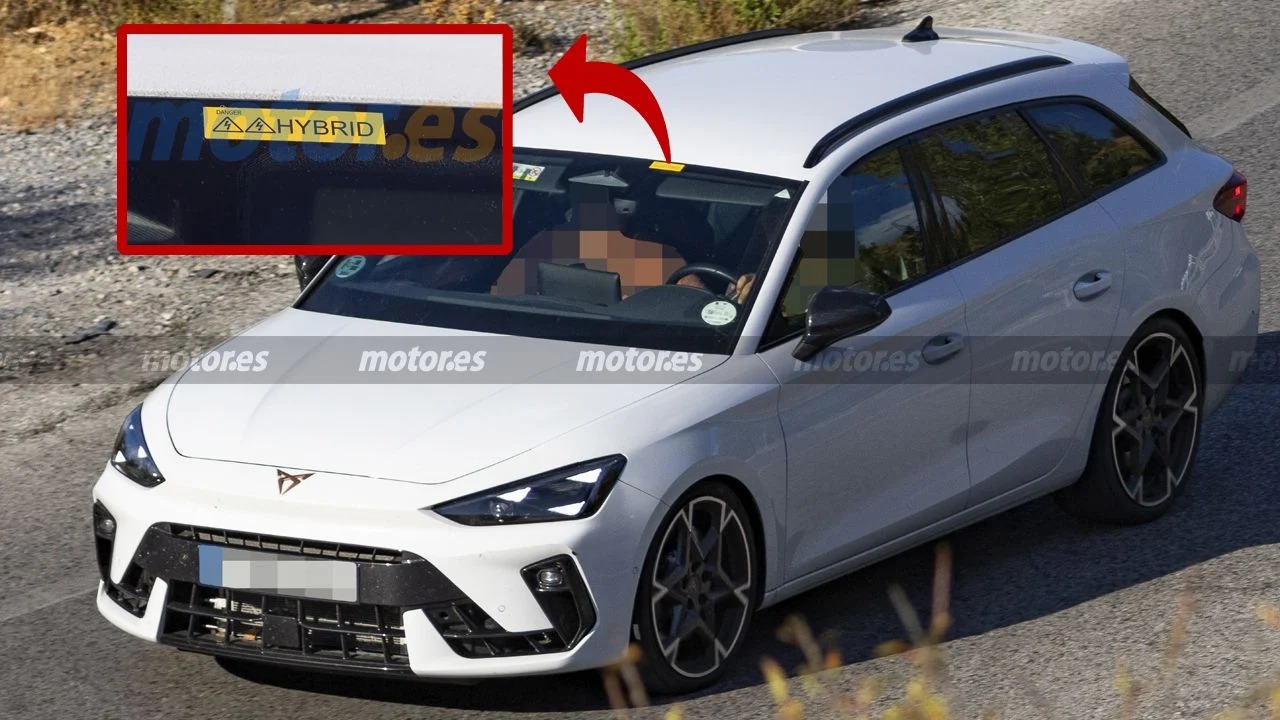
The body shows no modifications such as extended wheelbase or unusual panels, confirming that this car serves purely as a development mule. A warning sign about electric shock inside points to the presence of high-voltage hybrid components, while the absence of any charging port confirms that this is a traditional hybrid electric vehicle (HEV), not a plug-in hybrid (PHEV).
Hybrid System Designed for Performance and Versatility
CUPRA’s new hybrid system will produce between 200 and 340 hp, with the flexibility to suit multiple model variants and performance targets. It includes a powerful electric motor on the front axle that reportedly exceeds the one used in the Volkswagen T-Roc hybrid by output. The arrangement allows for either front-wheel drive or an optional electric motor on the rear axle for all-wheel-drive capability without the need for a plug-in charging port.
This approach differs from CUPRA’s plug-in hybrids that focus more on electric range and external charging. The new setup emphasizes a balance between sporty performance and efficiency rather than maximizing electric-only driving distance.
Future Models and Engine Choices
The new hybrid powertrain is slated to debut in 2028 on the CUPRA Formentor, with plans for it to also appear in the upcoming Terramar model. At the same time, CUPRA will continue offering the 2.0-litre TSI engine in special editions and limited-run models for customers willing to pay a premium for more powerful petrol variants.
Details about the lithium-ion battery capacity and exact performance metrics remain under wraps. However, the expected move away from diesel engines and toward hybrid and electric options aligns with Volkswagen Group’s broader strategy to phase out diesel and expand electrification.
This new hybrid setup stands out by providing all-wheel drive without plug-in charging, a feature not currently available in CUPRA’s plug-in hybrids. It could offer a sporty yet practical choice for buyers looking for electrified powertrains without the hassle of charging.
Source: Motor.es
Via: Motor.es
Source: motor.es