
Germany’s Bundeswehr is tightening rules on connected vehicles at certain military locations due to concerns over the data these cars can collect. This move comes amid wider international caution about the security risks posed by vehicles equipped with cameras, microphones, radar, and network connections.
Restrictions Target Vehicles with Extensive Sensor Suites
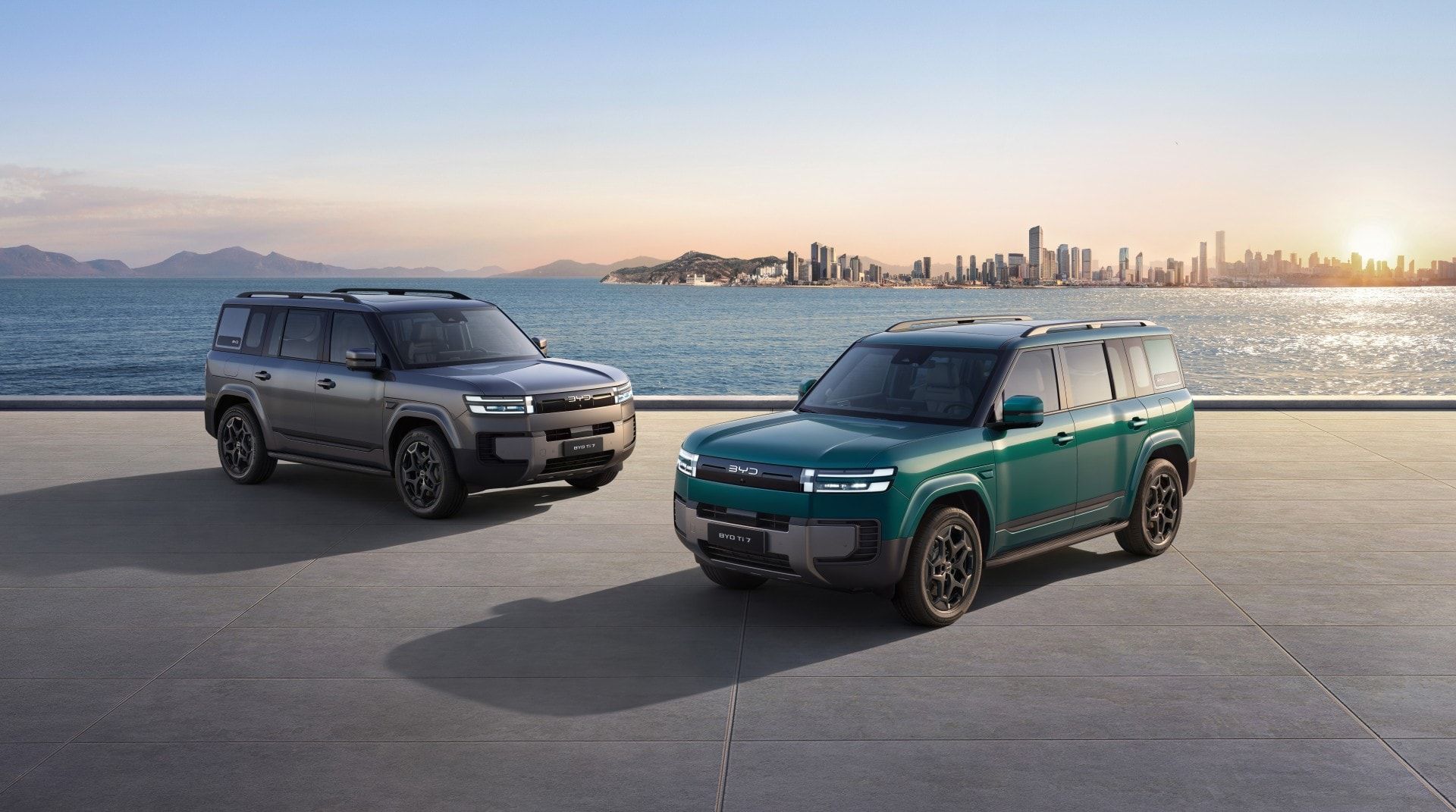
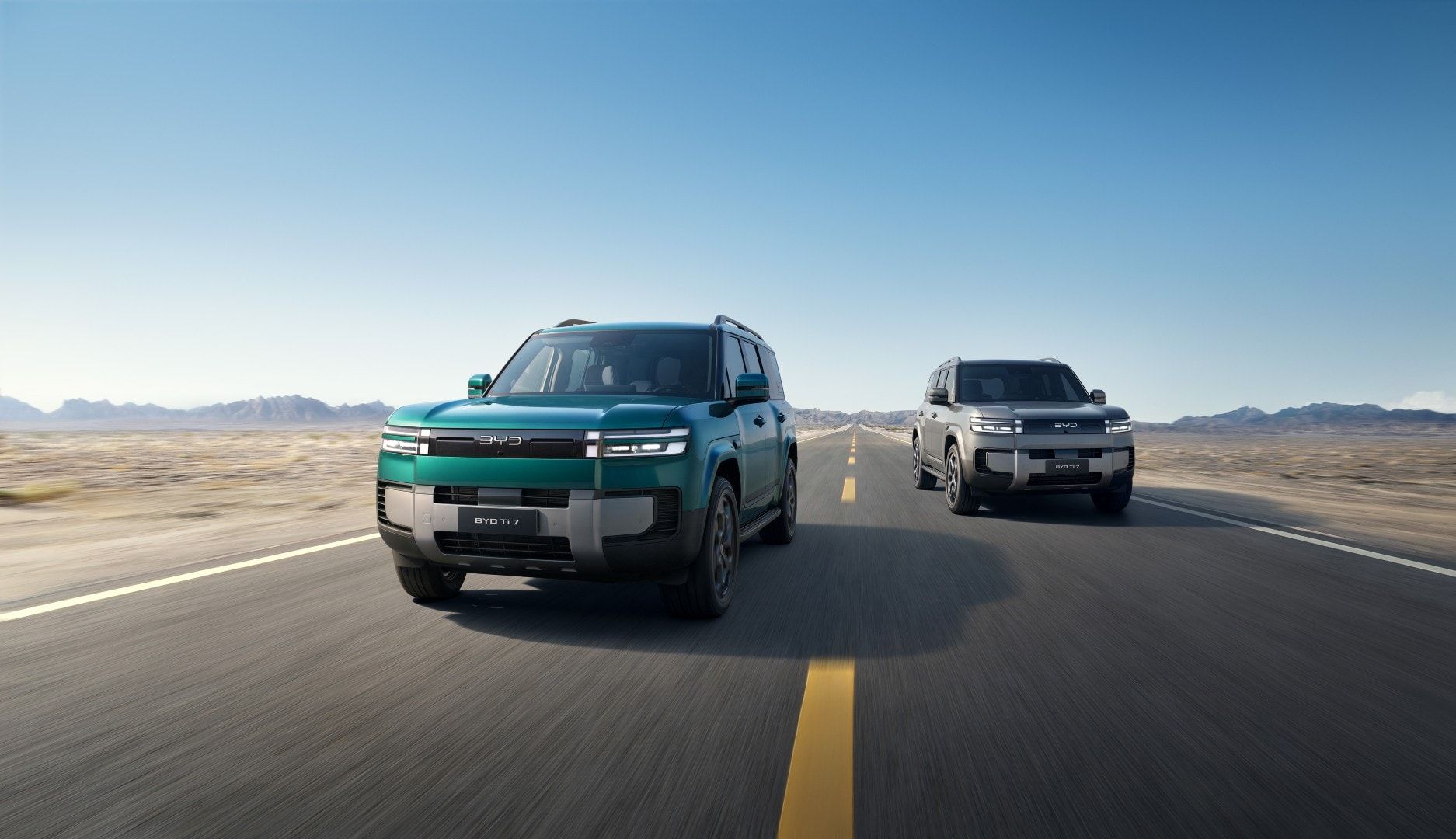
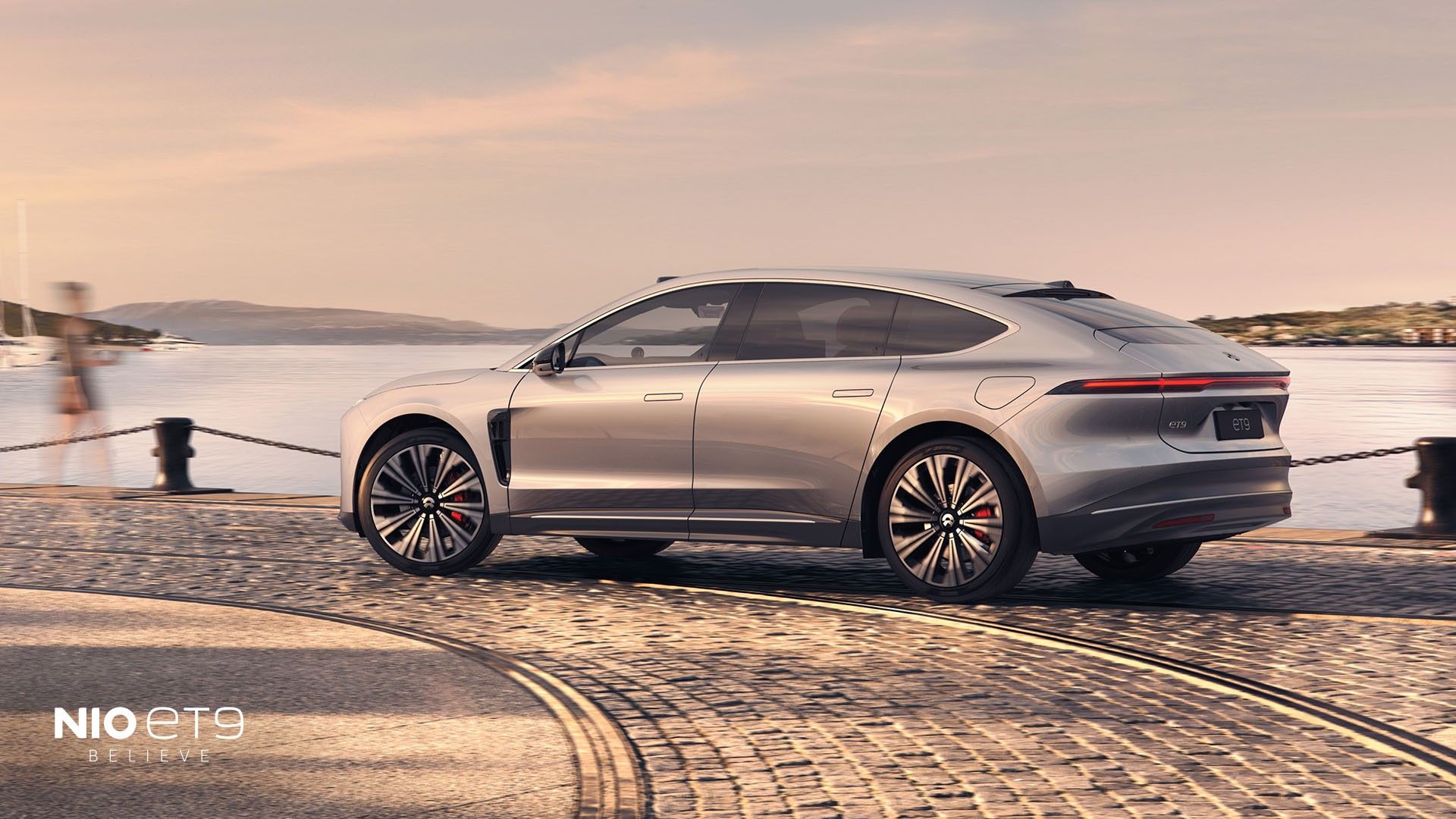
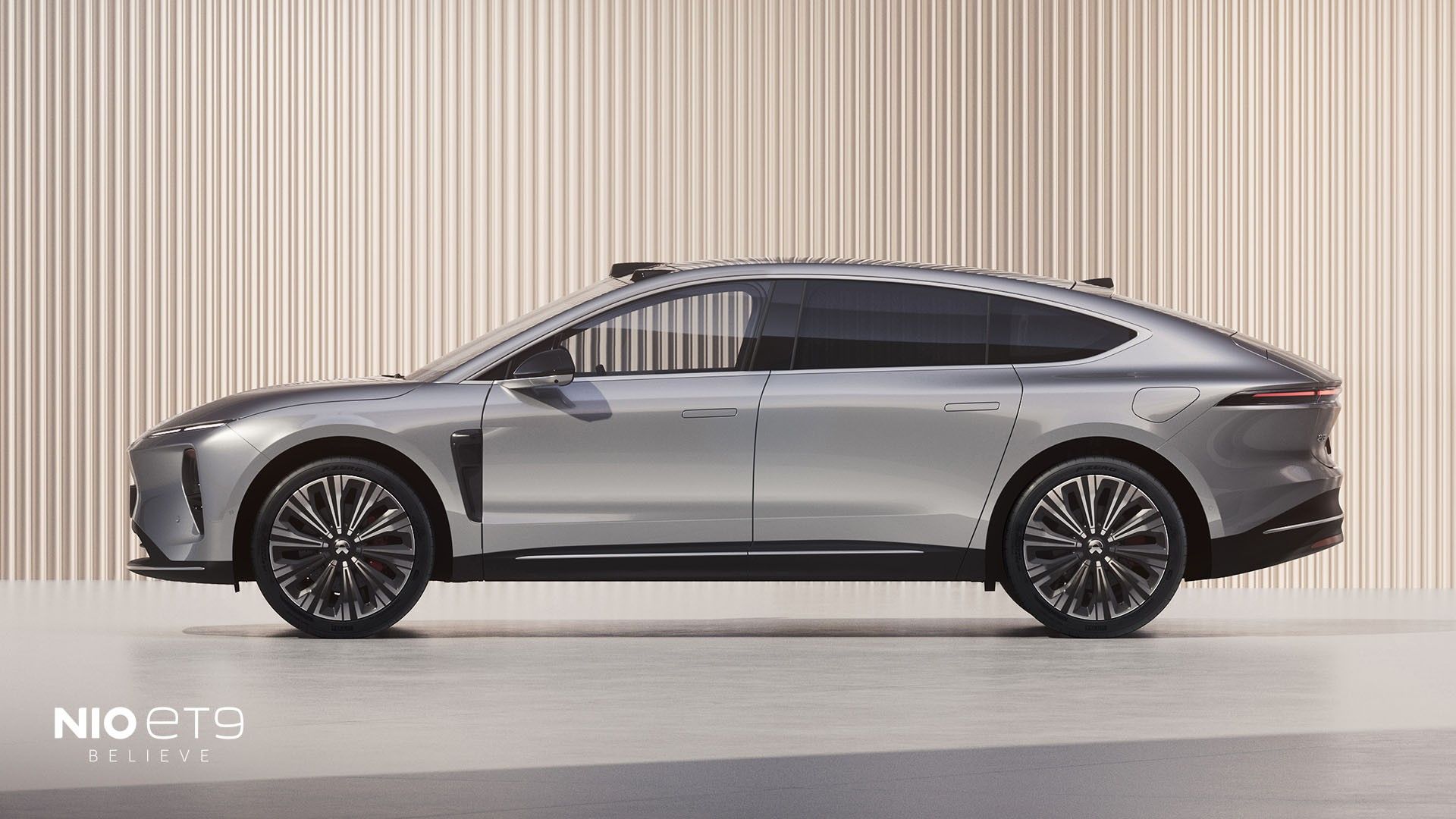
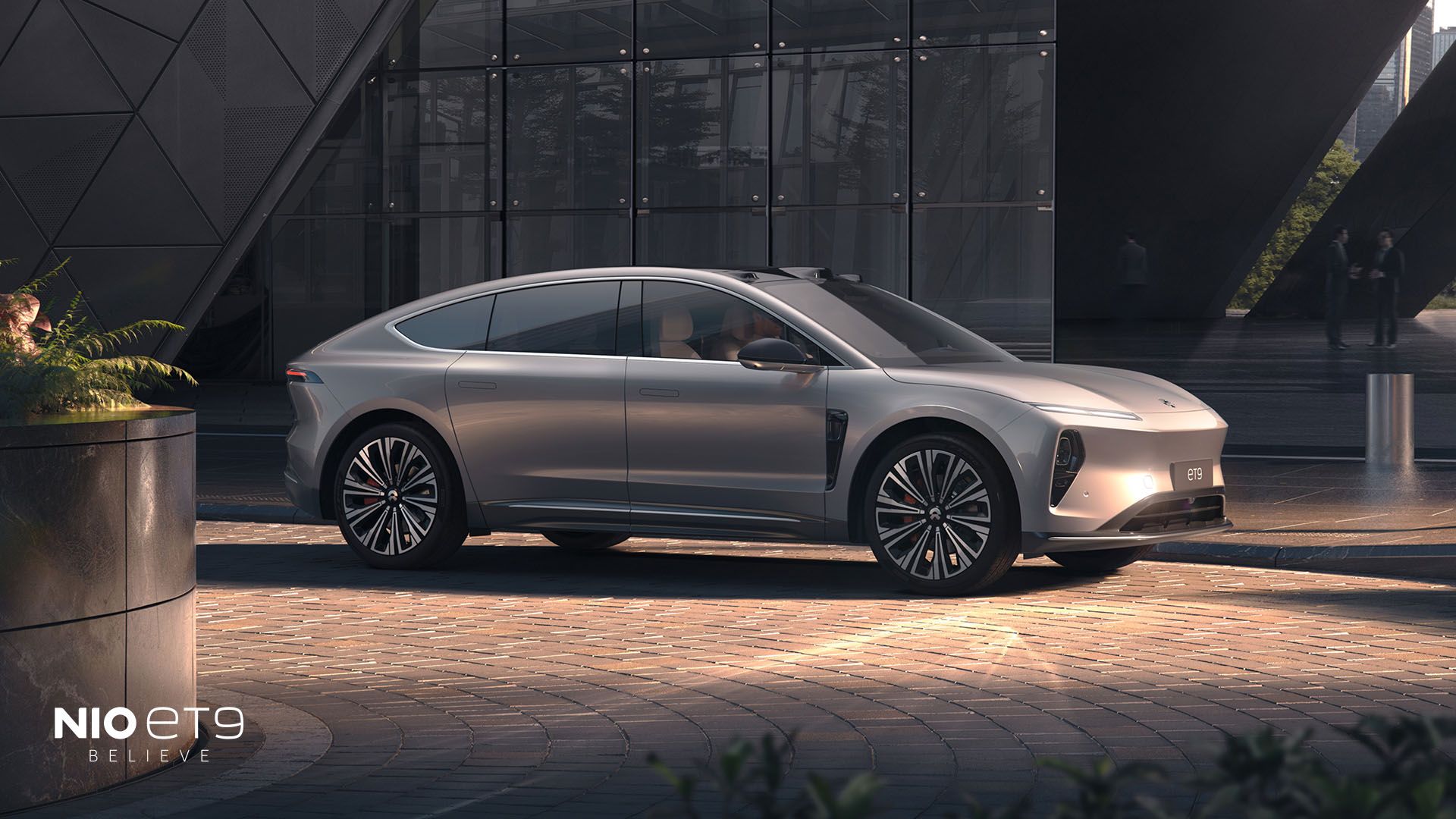
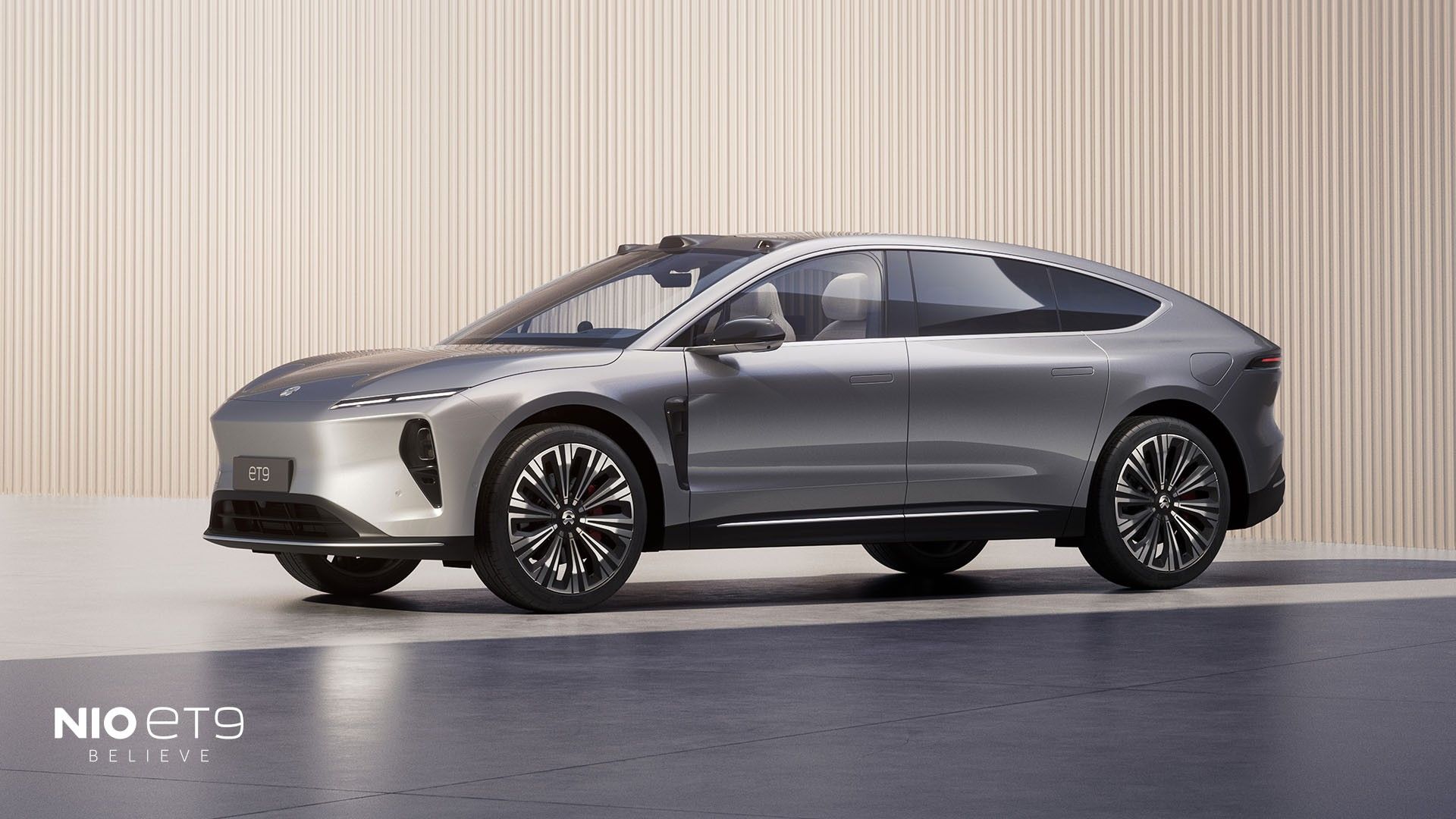
The German military has circulated a list of Chinese vehicle brands, including BYD, Geely, and NIO, banning them from specific sensitive military zones. Soldiers owning these cars are reportedly required to park them outside restricted areas. However, a Defense Ministry spokesperson clarified the policy is not a blanket ban based on nationality.
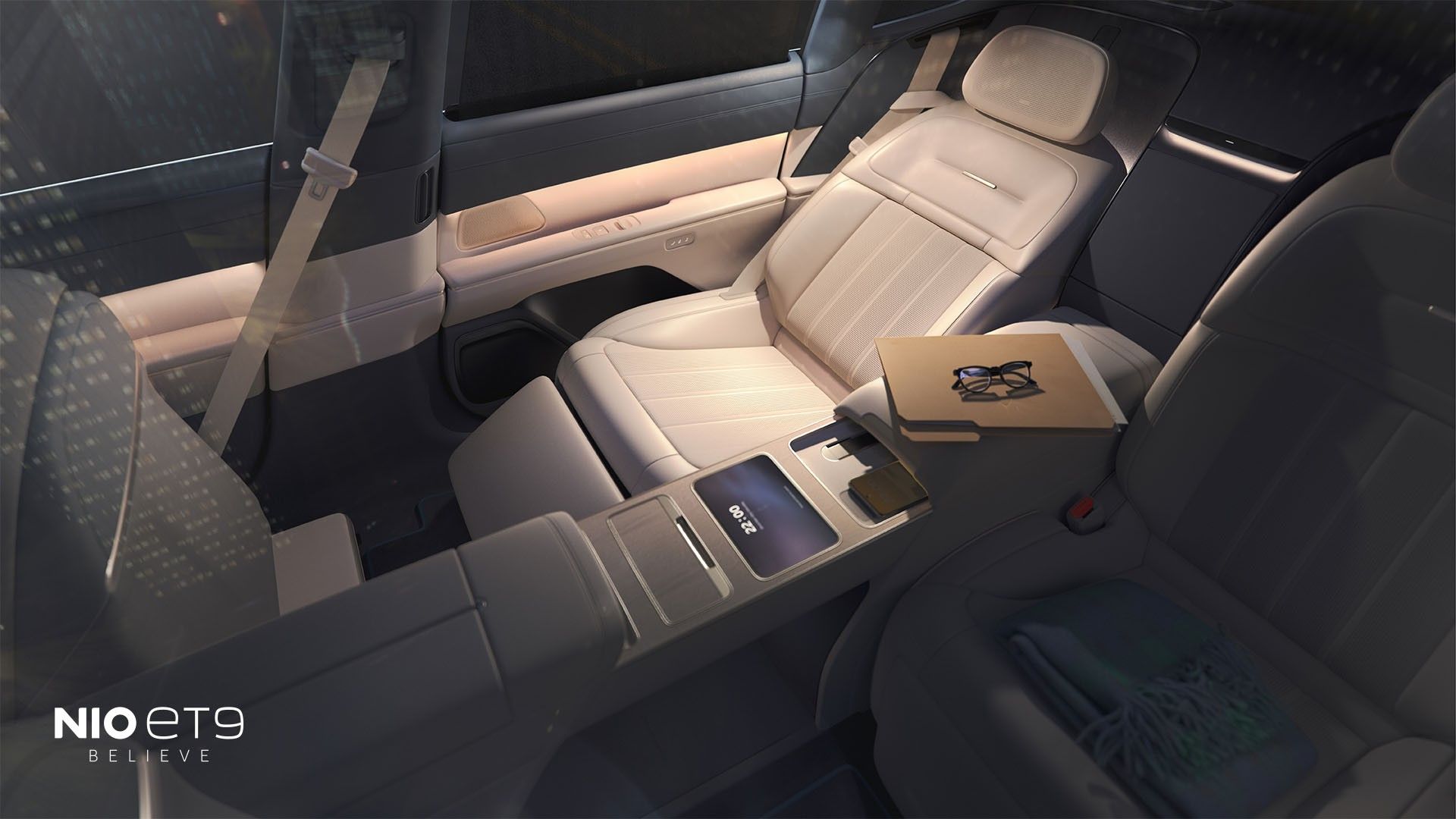
Instead, the main concern is vehicles’ ability to gather data through their sensors. Local security officers assess what data each vehicle’s system can collect and decide where the vehicle can be parked or driven. For example, banned vehicles may still access parking areas farther from highly secure locations.




Concerns Extend Beyond Chinese Brands
The new rules are not exclusive to Chinese manufacturers. The ministry confirmed that American vehicles like Tesla, which depend heavily on connectivity and external cameras, face similar restrictions. The worry is that in the wrong hands, these connected cars could capture sensitive information about military sites and their surroundings.

Changes to Military Drone Use Reflect Security Priorities
Alongside vehicle restrictions, Germany is also revising its drone policy. While the Bundeswehr had previously allowed the use of commercial drones from Chinese makers like DJI for training, it has now stopped purchasing such products. Existing Chinese-made drones will be phased out gradually as they reach the end of their service life.
Future drone acquisitions will focus on German or European suppliers who meet stricter security requirements. This shift reflects growing caution over relying on foreign-made commercial equipment for sensitive military applications.
Comparison with US Restrictions
Germany’s measures come as the US implements broader bans on connected vehicle technology from China and Russia. Starting with model year 2027, software-based restrictions will come into effect in the US, followed by bans on connectivity hardware imports for model year 2030.
Unlike Germany’s site-specific vehicle rules, the US approach is a national regulatory framework targeting foreign software and hardware integration in connected and autonomous vehicles.
More details are expected as Germany continues to balance security needs with vehicle access across its military facilities.




Source: autoevolution.com

Software Developer & Tech Journalist. Creator of Autodatalog.com. Experienced in Python, PHP, PostgreSQL, and Android system modifications. Whether I'm writing Python automation scripts, or exploring the technical specs of Fiat/Alfa Romeo engines, I love reverse-engineering how things work. Based in Istanbul, Turkey.