
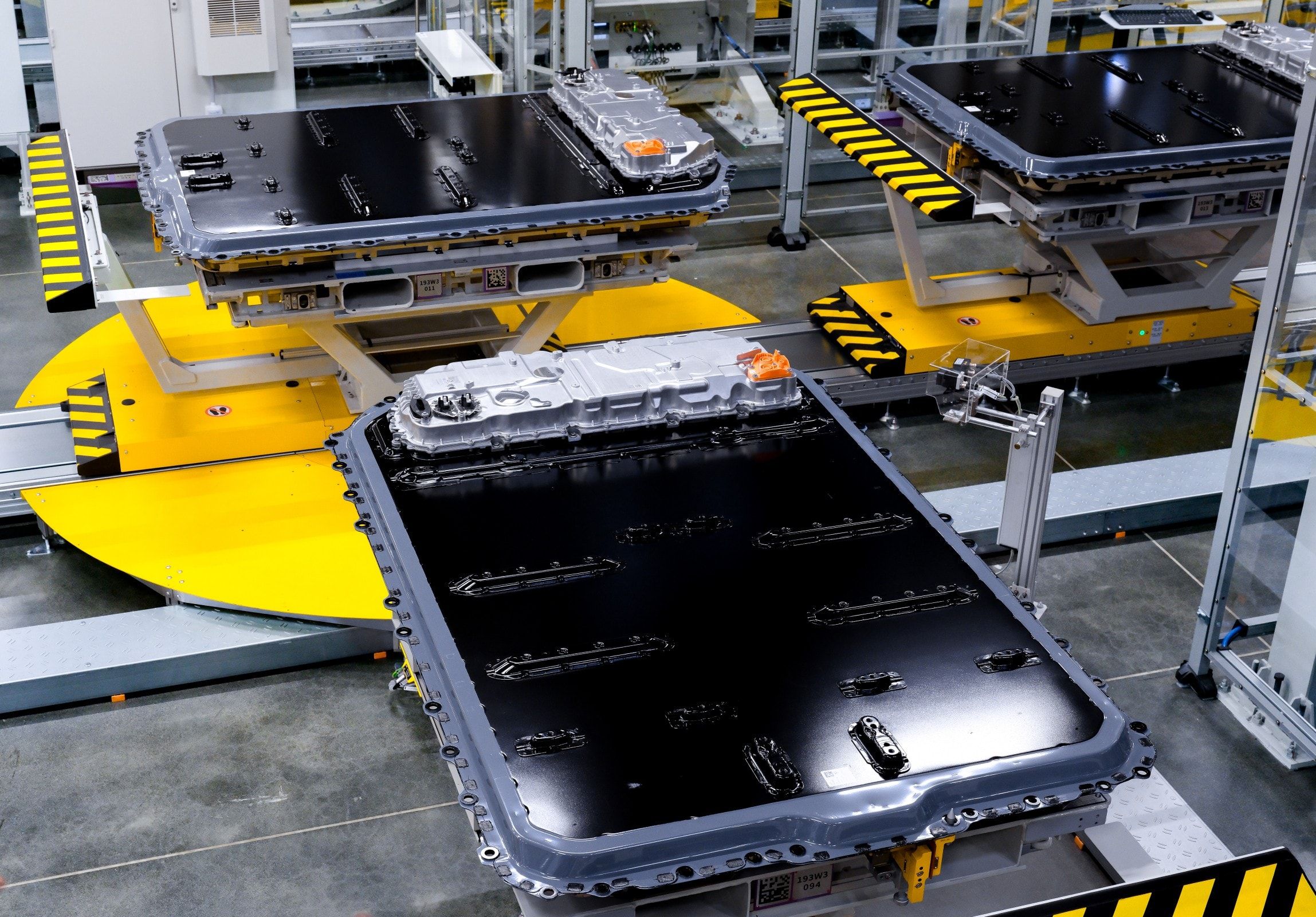
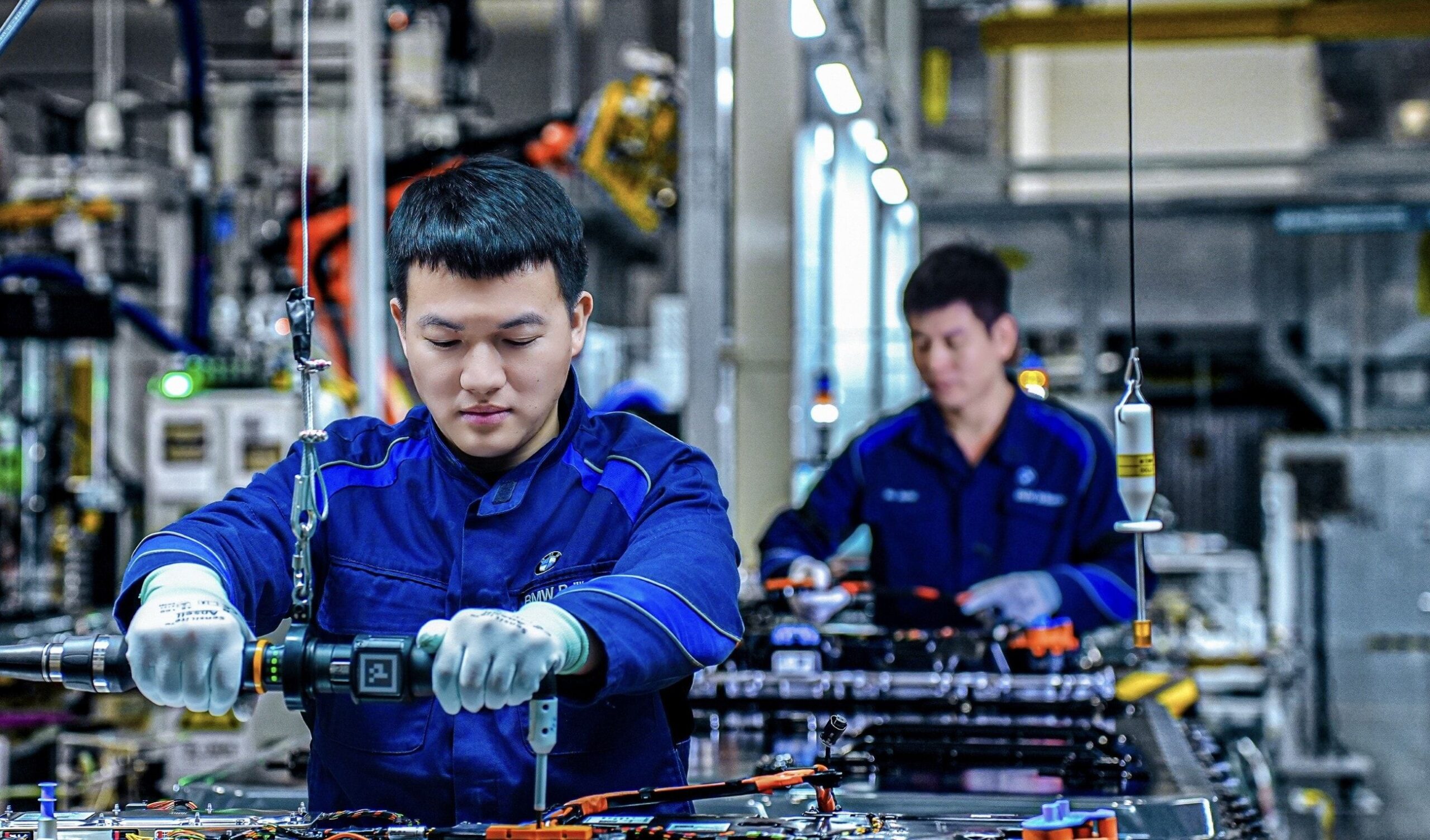
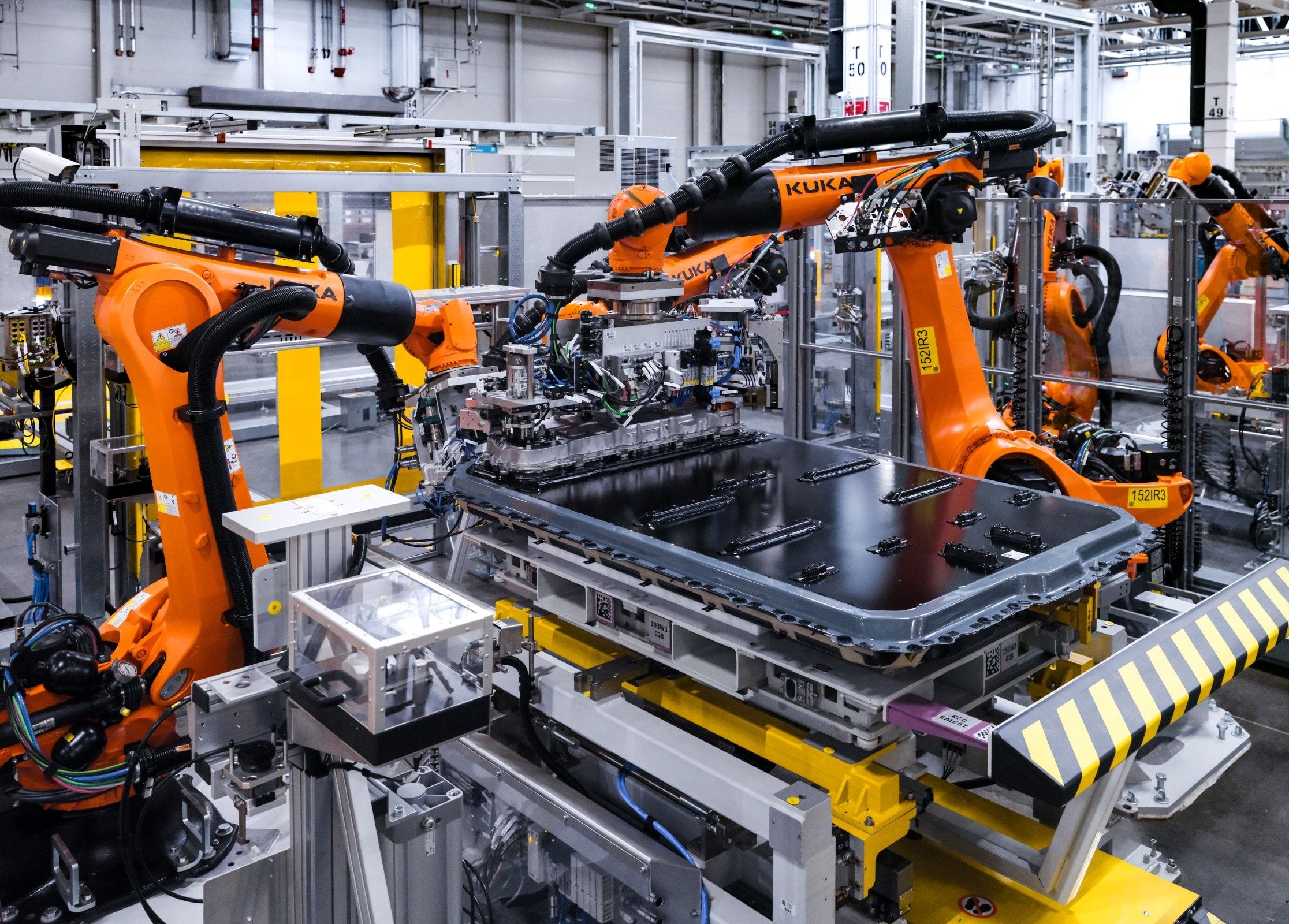
BMW is expanding its use of lithium-iron-phosphate (LFP) batteries in some electric models to offer more budget-friendly choices. This move aims to attract price-conscious buyers, especially in markets sensitive to cost. However, these LFP batteries will not replace BMW’s main nickel-manganese-cobalt (NMC) battery chemistry across its electric lineup.
LFP Already Available in China for iX3
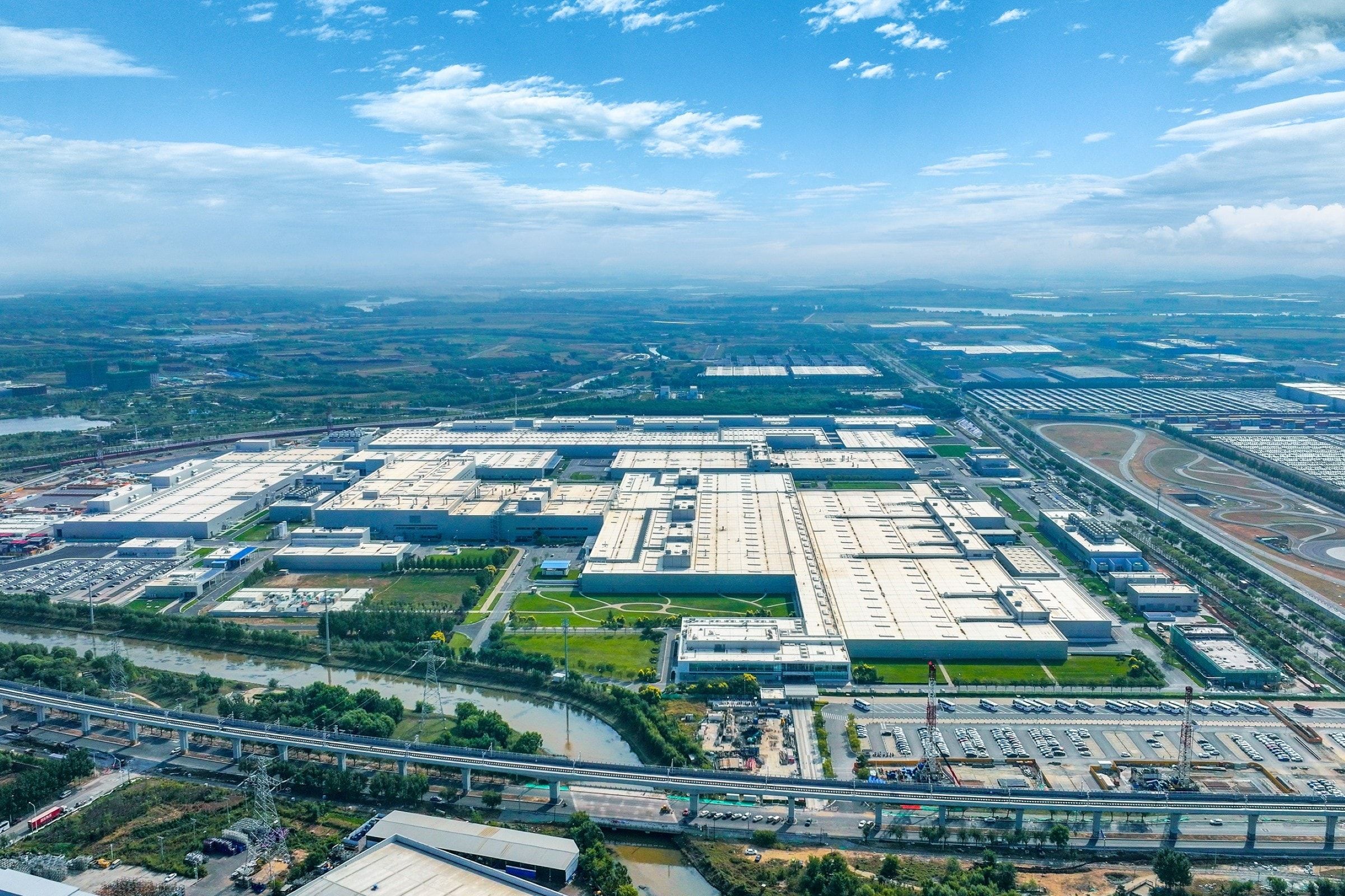
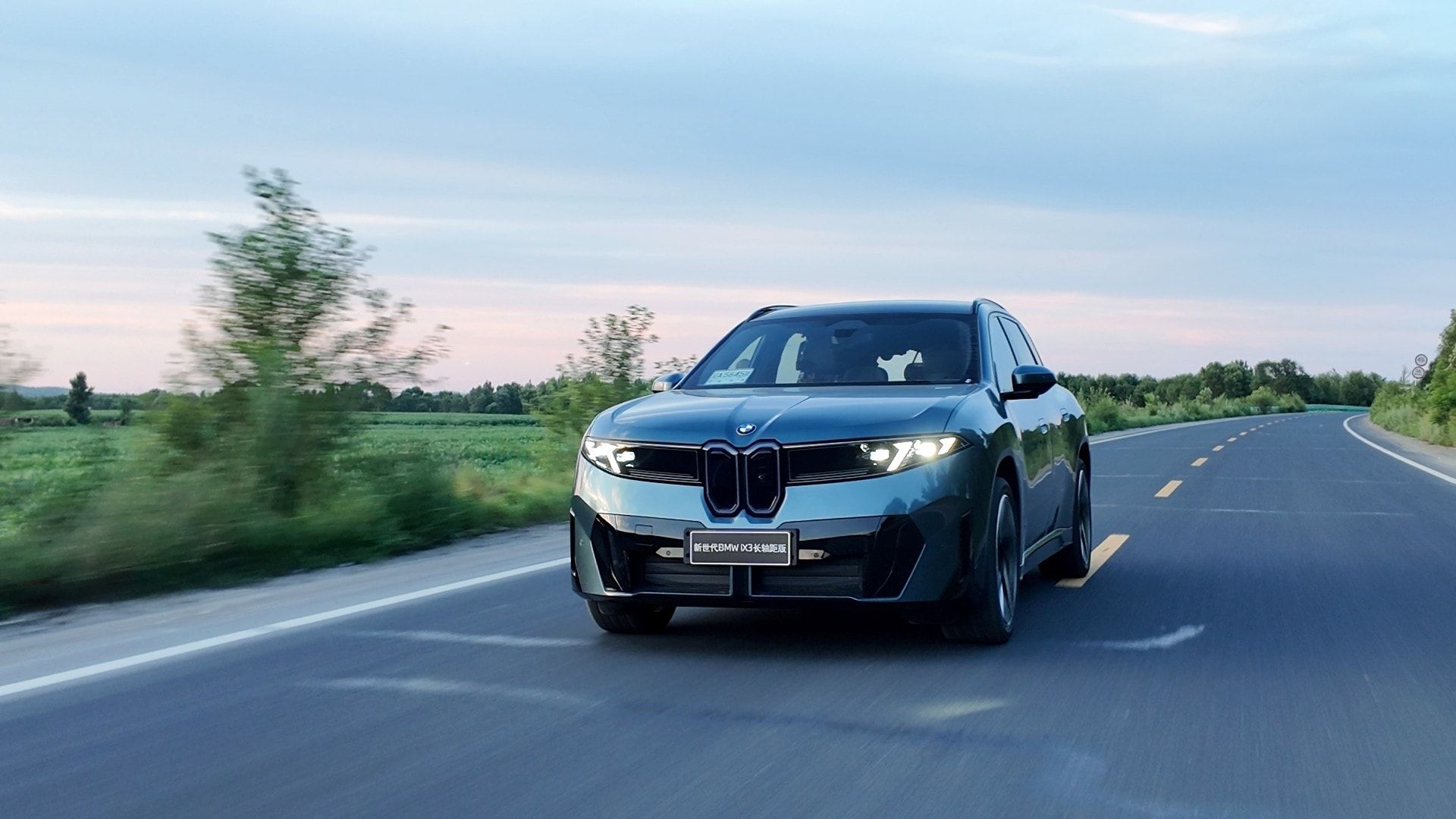
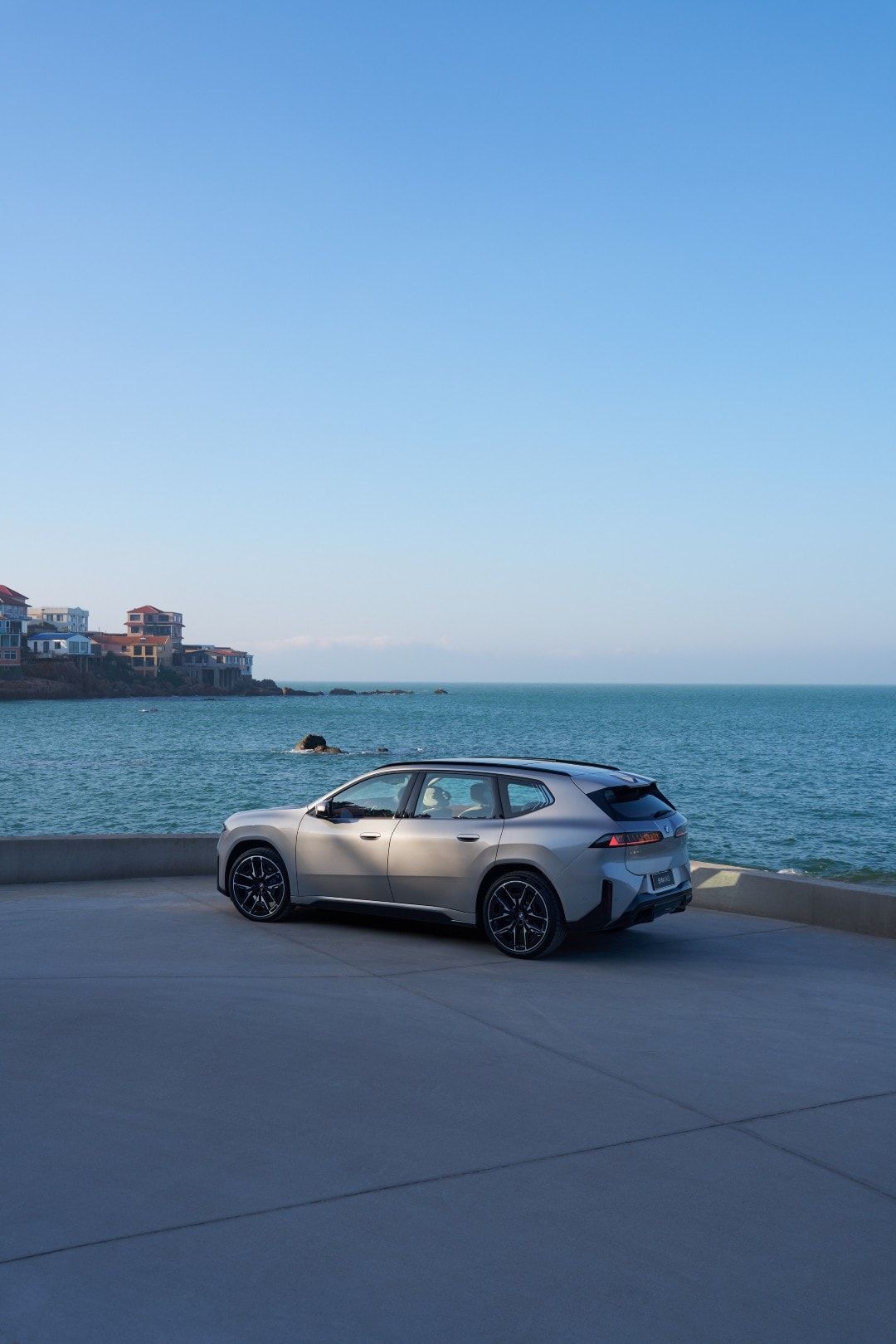
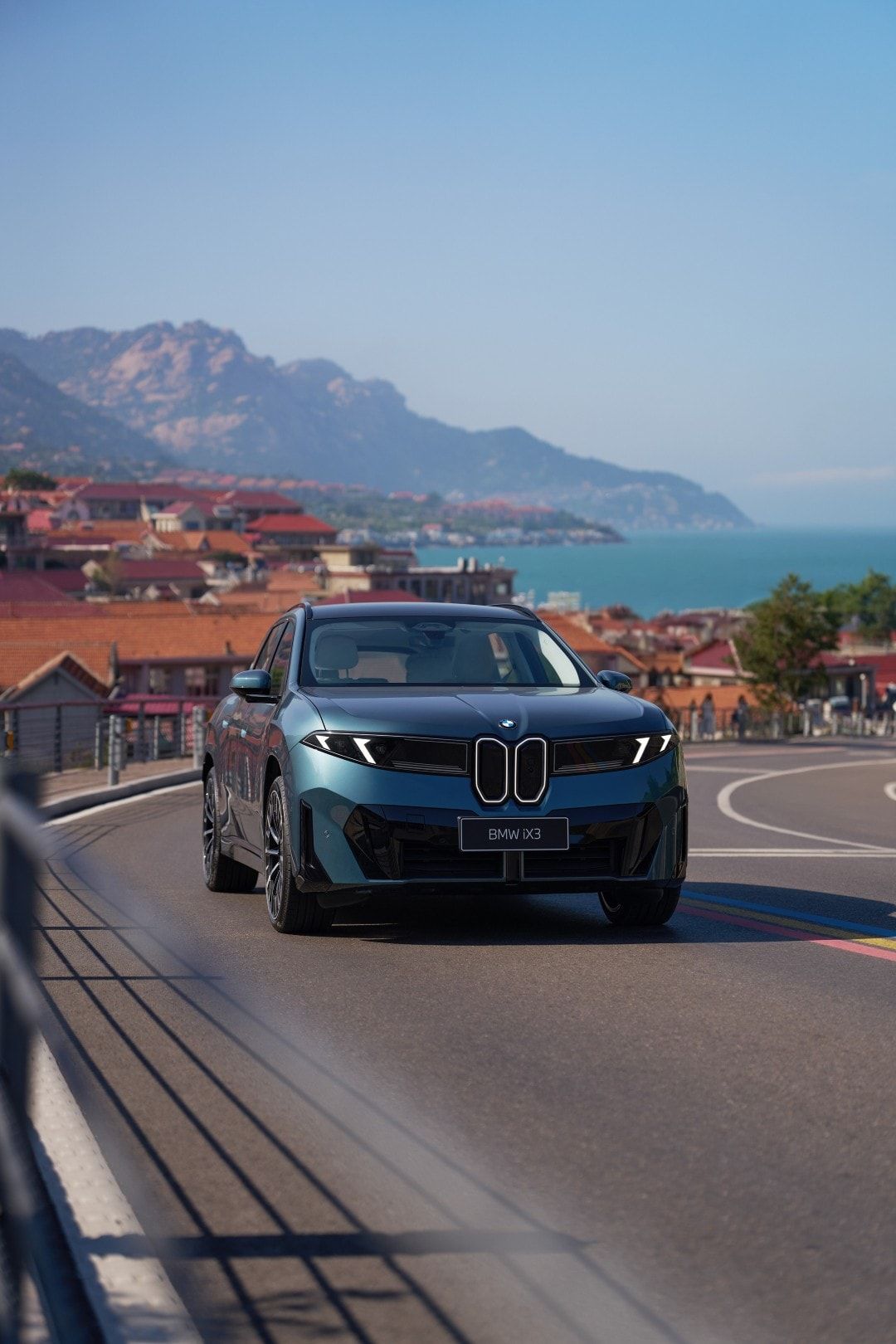
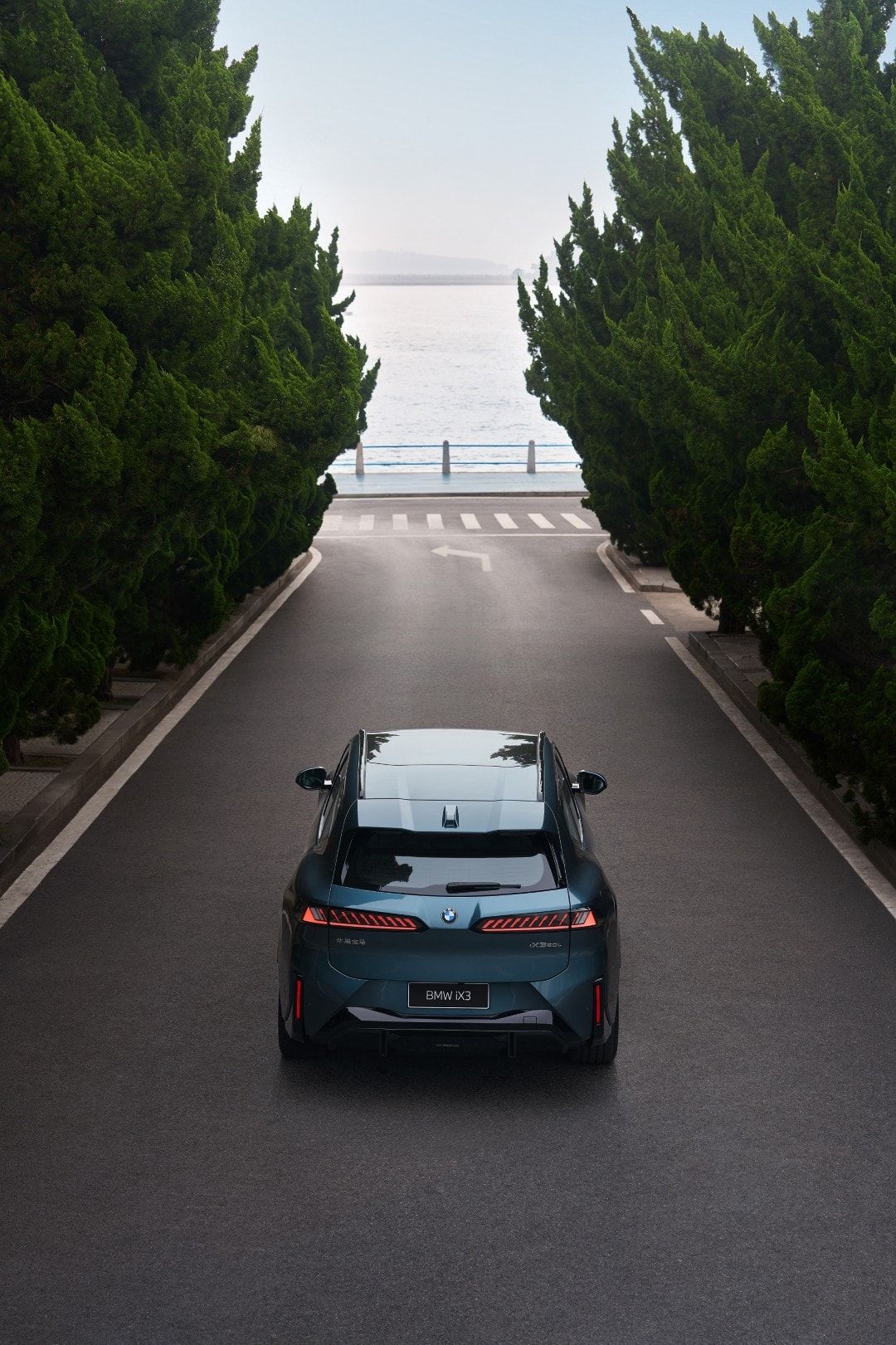
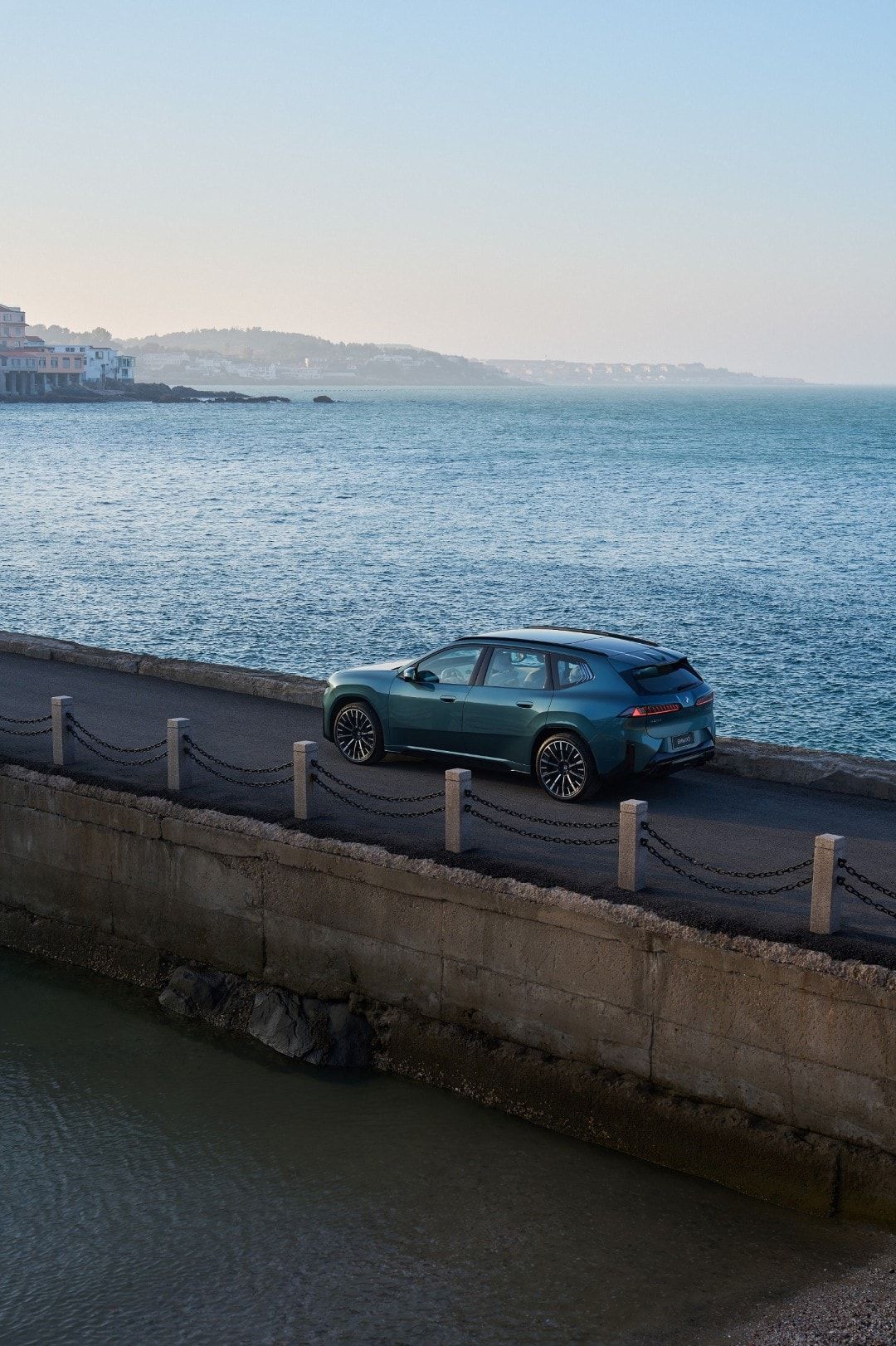
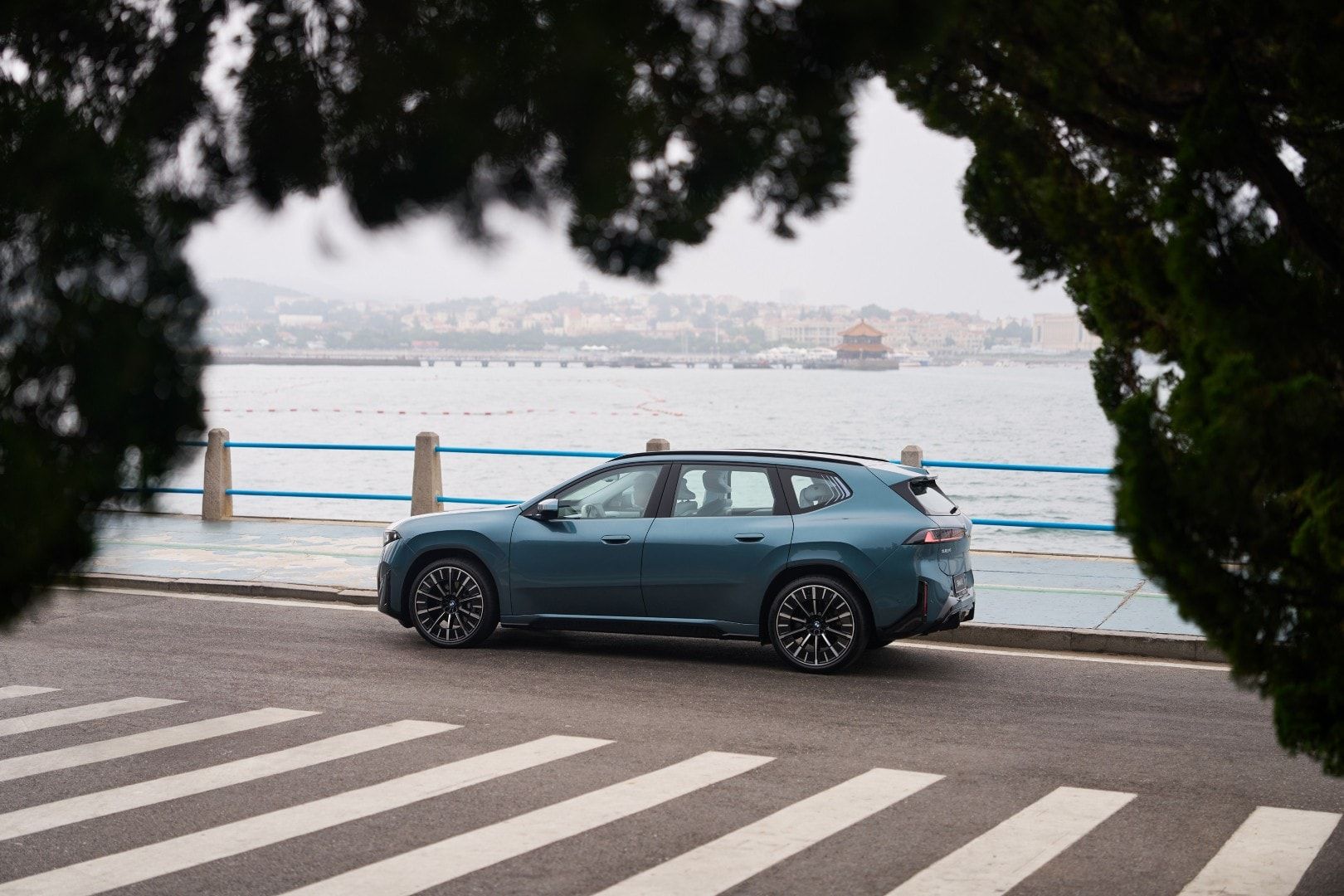
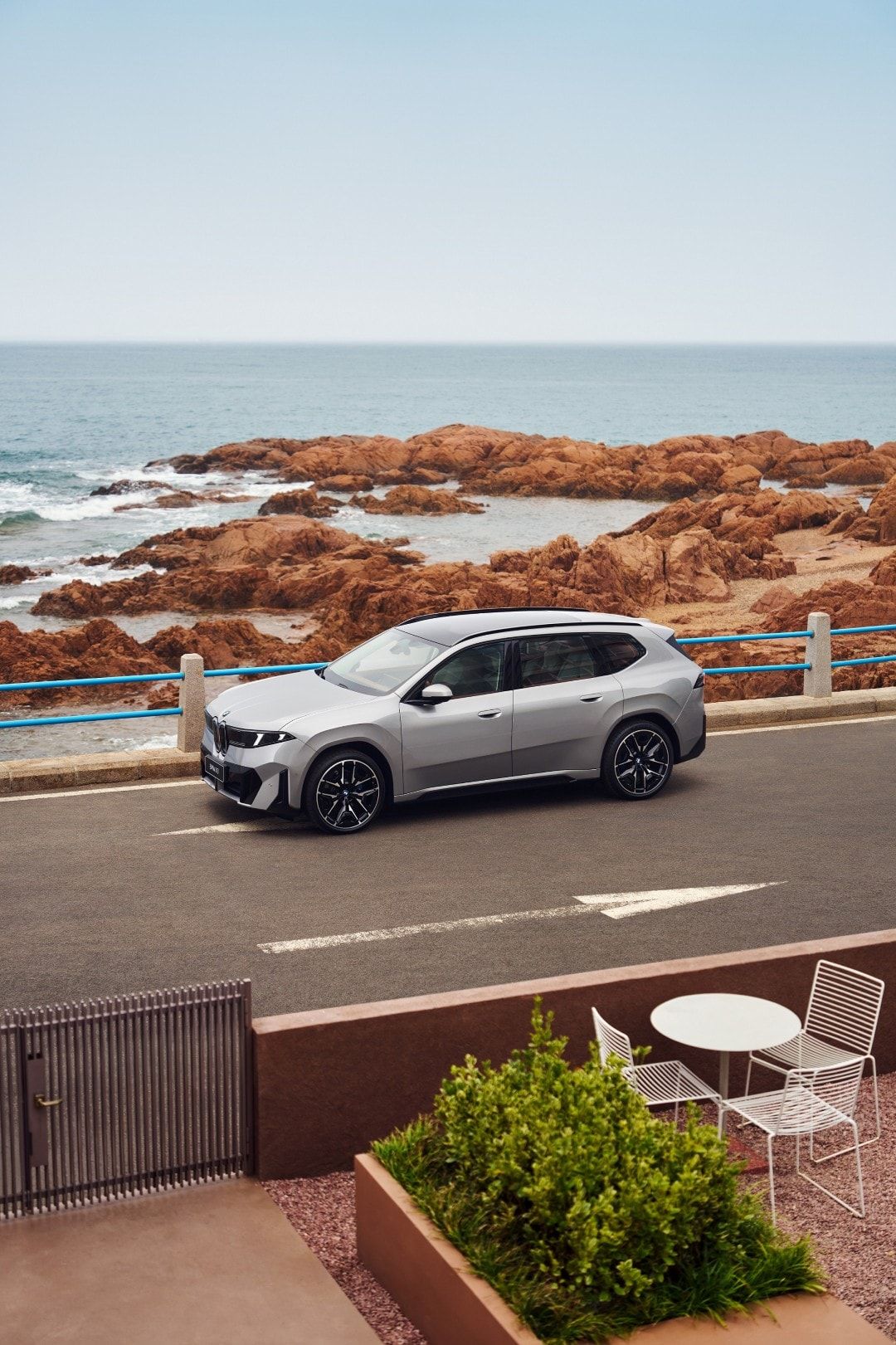
The introduction of the LFP option is not entirely new for BMW. The company currently offers a 77-kWh LFP battery in China on the long-wheelbase version of the iX3 SUV, branded the “30L” variant. This model is priced about 30,000 yuan (roughly €3,900) lower than the “40L” version, which uses the more common NMC chemistry. The price difference is partly due to the simpler rear-wheel-drive setup of the 30L, compared to the dual-motor all-wheel-drive system found on the 40L and 50L trims.
The LFP-equipped iX3 claims a driving range of 630 kilometers (391 miles) based on China’s CLTC test cycle. However, this range figure tends to be optimistic compared to Europe’s WLTP or the US EPA standards. Charging to 80% capacity takes about 22 minutes, marking it as reasonably quick to recharge.
Why LFP Batteries? Benefits and Drawbacks
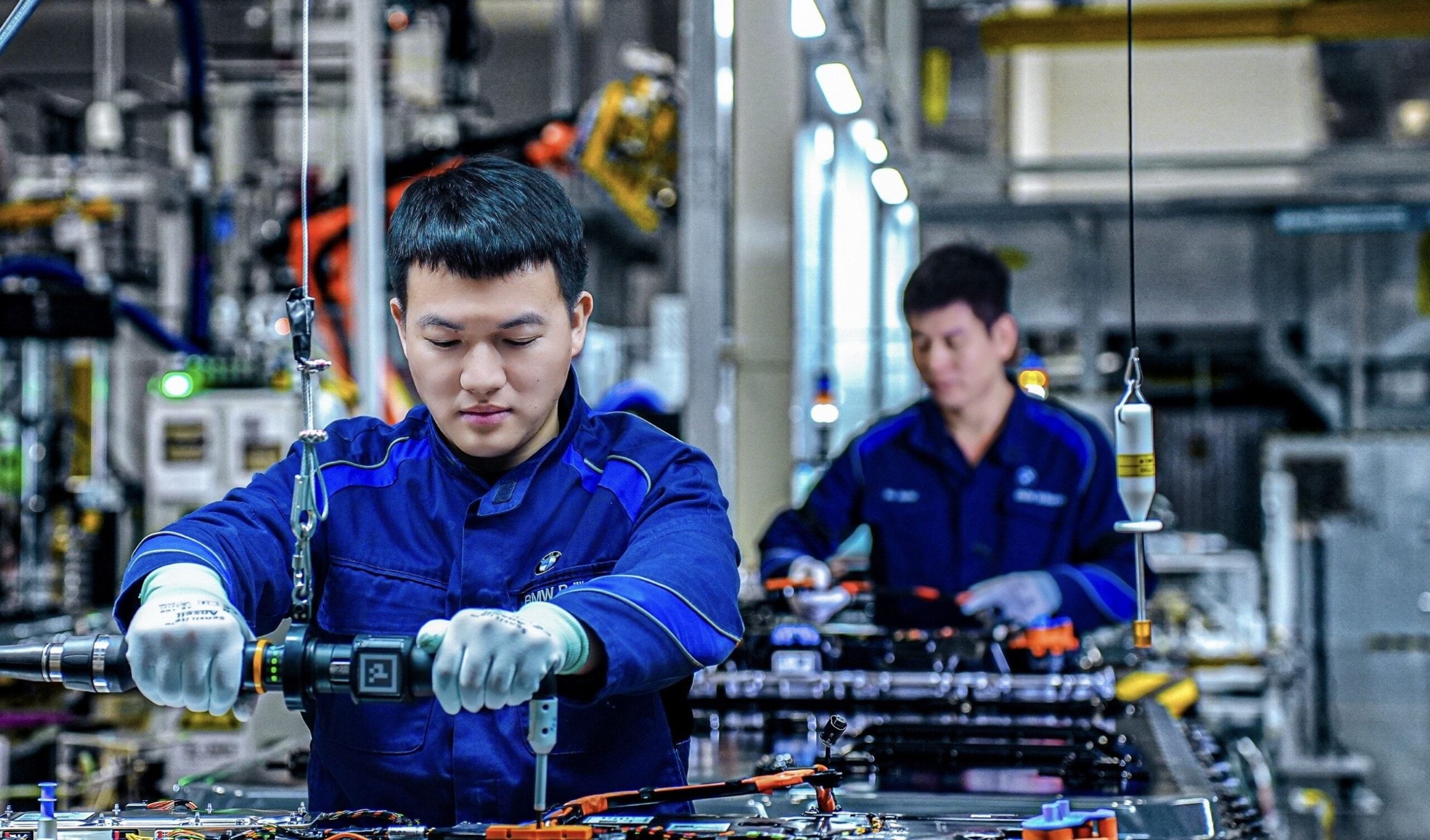
LFP batteries avoid using expensive raw materials like nickel and cobalt, which reduces costs and reliance on complex supply chains. They also tend to be safer and last longer in certain conditions. On the downside, LFP packs generally have lower energy density than NMC batteries. This means they carry less energy for the same weight or size, typically limiting how far a car can go on a single charge.
Another challenge for LFP chemistry is its performance in cold weather, especially during charging. BMW uses advanced battery management and temperature control systems to improve this, but the fundamental chemistry remains less efficient in low temperatures than NMC batteries.
Future Models Likely to Get LFP Option
BMW CEO Milan Nedeljkovic has confirmed that LFP batteries will be offered selectively, mainly targeting customers who prioritize affordability over maximum range. The Neue Klasse series of electric vehicles will continue to use NMC chemistry as their primary battery technology for now.
Looking ahead, the new generation of smaller EVs, such as the upcoming iX1 hatchback and possibly a full-electric 1 Series and i2 sedan, could receive LFP battery options. These models are expected to appeal to urban drivers and cost-conscious buyers who do not require the longest driving range.
Source: BMW
Via: Electrek
Source: autoevolution.com

Software Developer & Tech Journalist. Creator of Autodatalog.com. Experienced in Python, PHP, PostgreSQL, and Android system modifications. Whether I'm writing Python automation scripts, or exploring the technical specs of Fiat/Alfa Romeo engines, I love reverse-engineering how things work. Based in Istanbul, Turkey.