
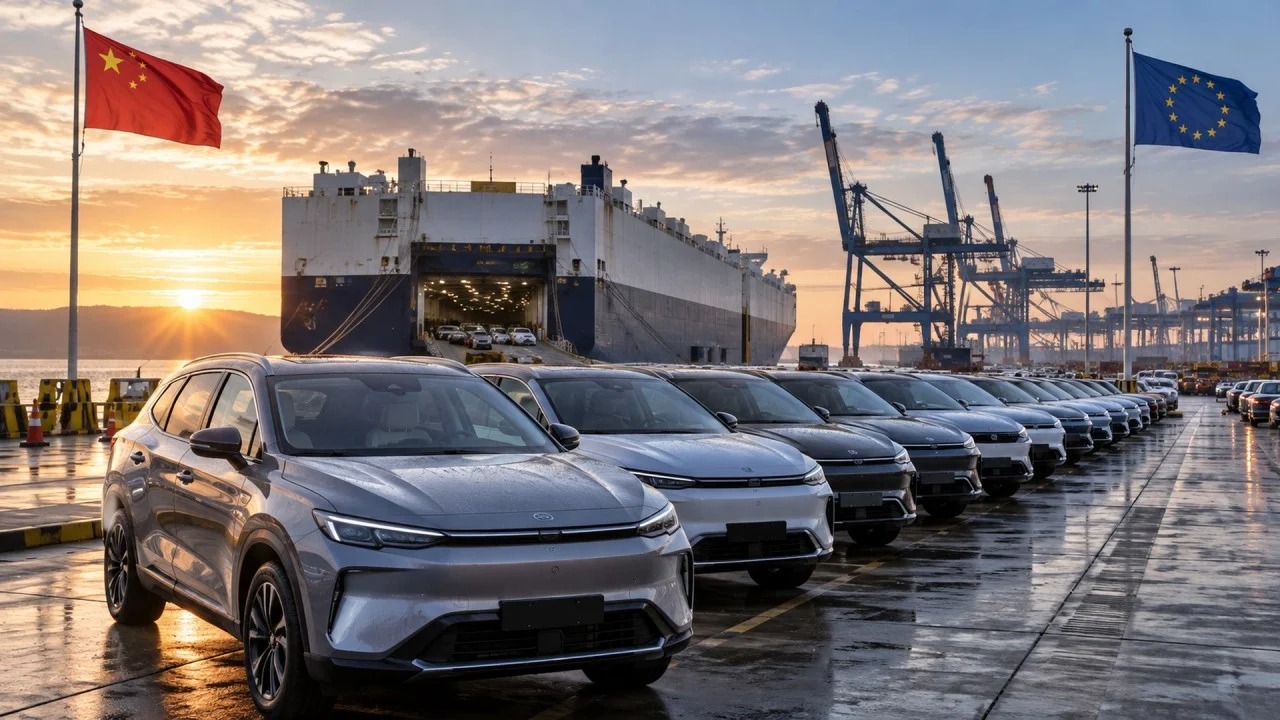
The European Union is weighing a new move to limit hybrid car imports from China following Beijing’s refusal to reduce exports voluntarily. The EU wants to curb the rapid rise of Chinese hybrid vehicles in its market, with talks now focusing on a possible quota and higher tariffs as backup measures.
China Declines Voluntary Export Limits
After imposing tariffs on Chinese electric vehicles earlier this year, the EU turned its attention to hybrids. Chinese hybrids now make up more than a third of this segment in Europe, prompting the EU to seek a voluntary cap from Beijing to reduce that share to about 15%. However, Chinese officials have rejected this request, defending their manufacturers’ right to compete globally.
This stalemate has pushed the EU to consider imposing its own restrictions, reducing dependence on China’s willingness to cooperate.
Potential Quota and Tariffs Being Studied
Brussels is exploring the idea of a temporary import quota combined with higher tariffs for imports exceeding the set limit. This approach would serve as a safeguard to control the growth of Chinese hybrid imports while negotiations continue.
Depending on how the policy is structured, it could also affect imports from other countries including Japan, South Korea, and the UK, broadening its impact beyond China.
At this point, no official decision has been made regarding the scope or duration of such measures.
Spike in Chinese Hybrid Imports Fueled by EV Tariffs
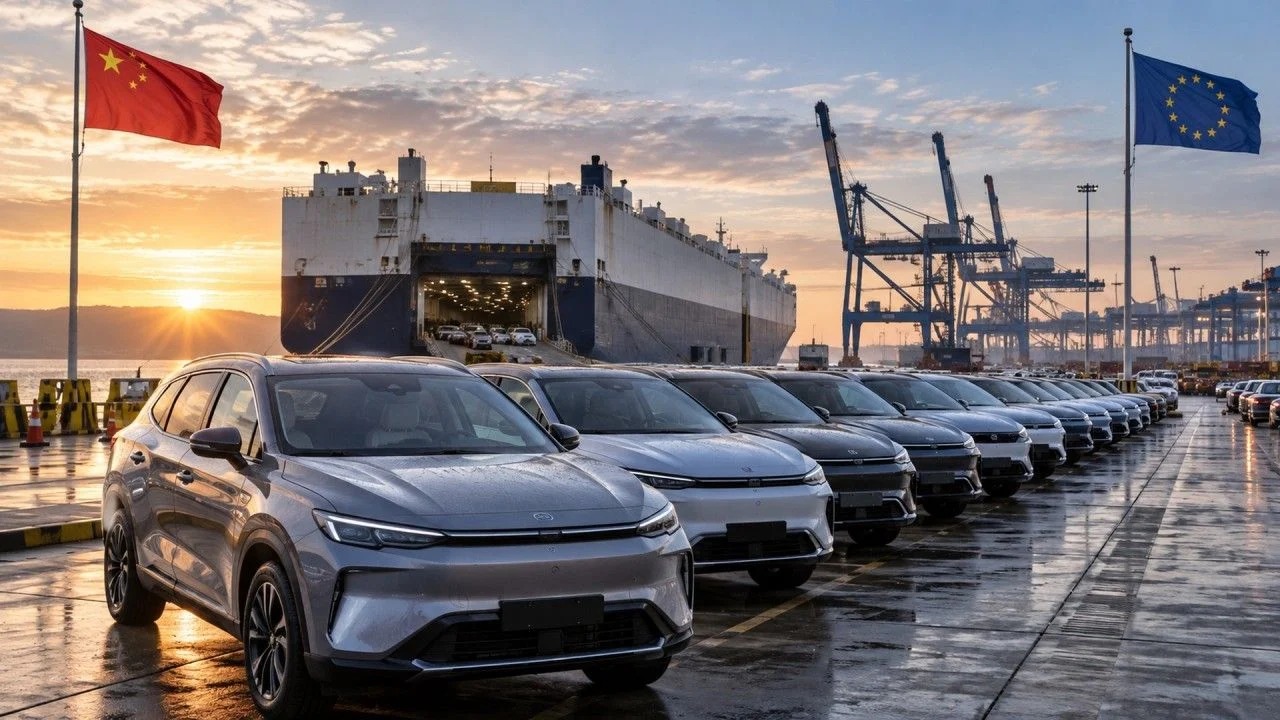
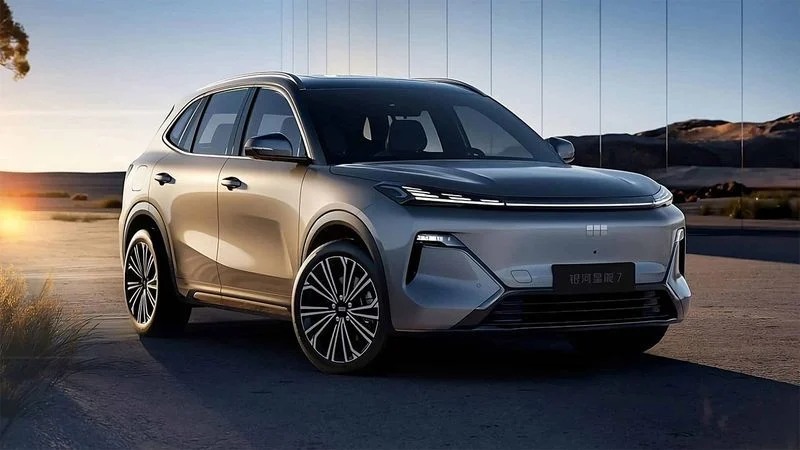
The sharp increase in Chinese hybrid imports follows the EU’s 2024 tariffs on Chinese electric vehicles, which raised levies to as much as 35.3% plus a general 10% tariff. Hybrids were exempt from these extra duties, prompting manufacturers like BYD, MG, and those under Chery to focus heavily on plug-in hybrid SUVs with competitive pricing.
The volume of Chinese hybrid imports has surged from around 3,800 vehicles per month in late 2024 to roughly 50,000 monthly by mid-2026, more than multiplying thirteenfold in less than two years.
European Industry Concern and Upcoming Talks
European carmakers are concerned about competing with rapidly expanding Chinese hybrid offerings while facing rising development and industrial transformation costs. The issue forms a key topic in upcoming EU-China trade talks, coinciding with the visit of EU trade commissioner Maroš Šefčovič to Beijing.
Šefčovič will meet with Chinese trade officials to discuss not only automotive trade but also the growing EU trade deficit and restrictions on exports of strategic raw materials. The EU aims to secure concrete agreements ahead of a summit of European leaders in mid-October.
Previous efforts to manage Chinese EV imports through minimum pricing commitments were considered but have not yet resolved tensions.
Implications if No Agreement Reached
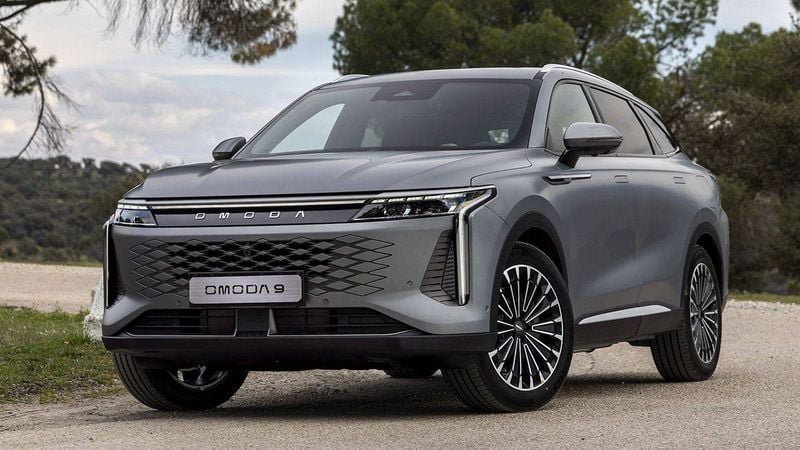
If China maintains its refusal to limit hybrid exports and the EU proceeds with a quota and tariffs, Chinese brands like BYD, MG, and Chery group companies could face new barriers to market growth in Europe. For now, imports continue under existing rules.
More developments are expected as the negotiations progress in the coming weeks.
Source: motor.es