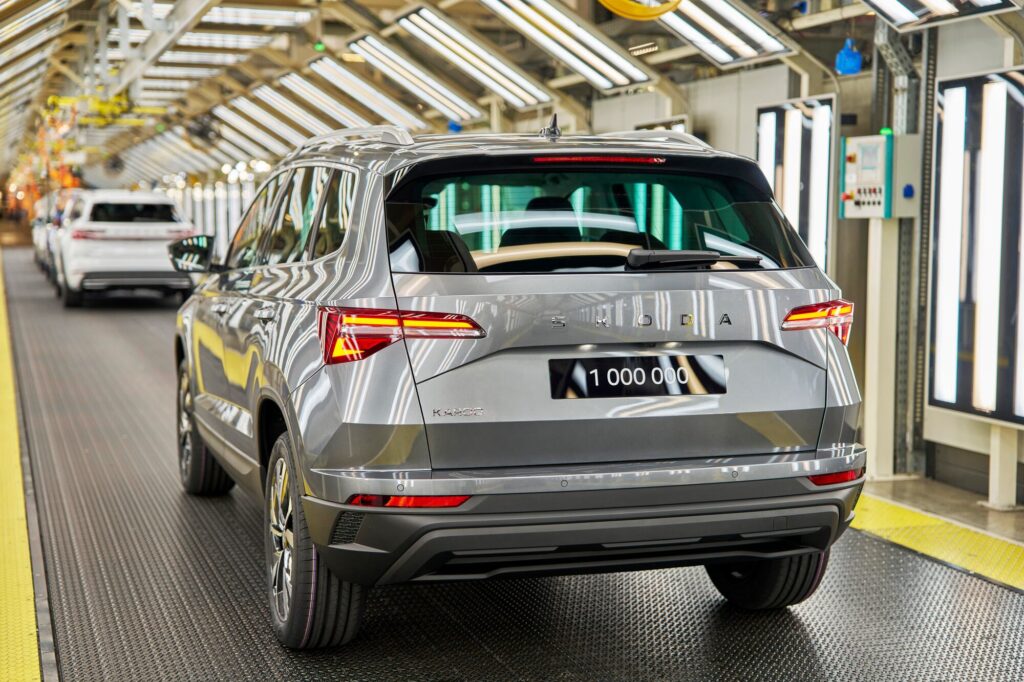

Volkswagen Group plans to focus vehicle production at its lowest-cost plants in Europe. The move could see more manufacturing shift from Germany to Eastern European countries like the Czech Republic, Slovakia, and Hungary. This cost-first strategy aims to improve profitability as VW faces slower global demand and high factory costs in Germany.
Shift to Cost-Competitive Production
VW’s production chief Christian Vollmer said the group will prioritize manufacturing locations that offer the lowest costs. This represents a change from past practices that often considered brand-specific interests. Instead, production decisions will now be made together with the finance team to benefit the whole group.
- Target factory cost per vehicle: around €3,000
- Current costs remain about €1,000 above target despite German plant improvements
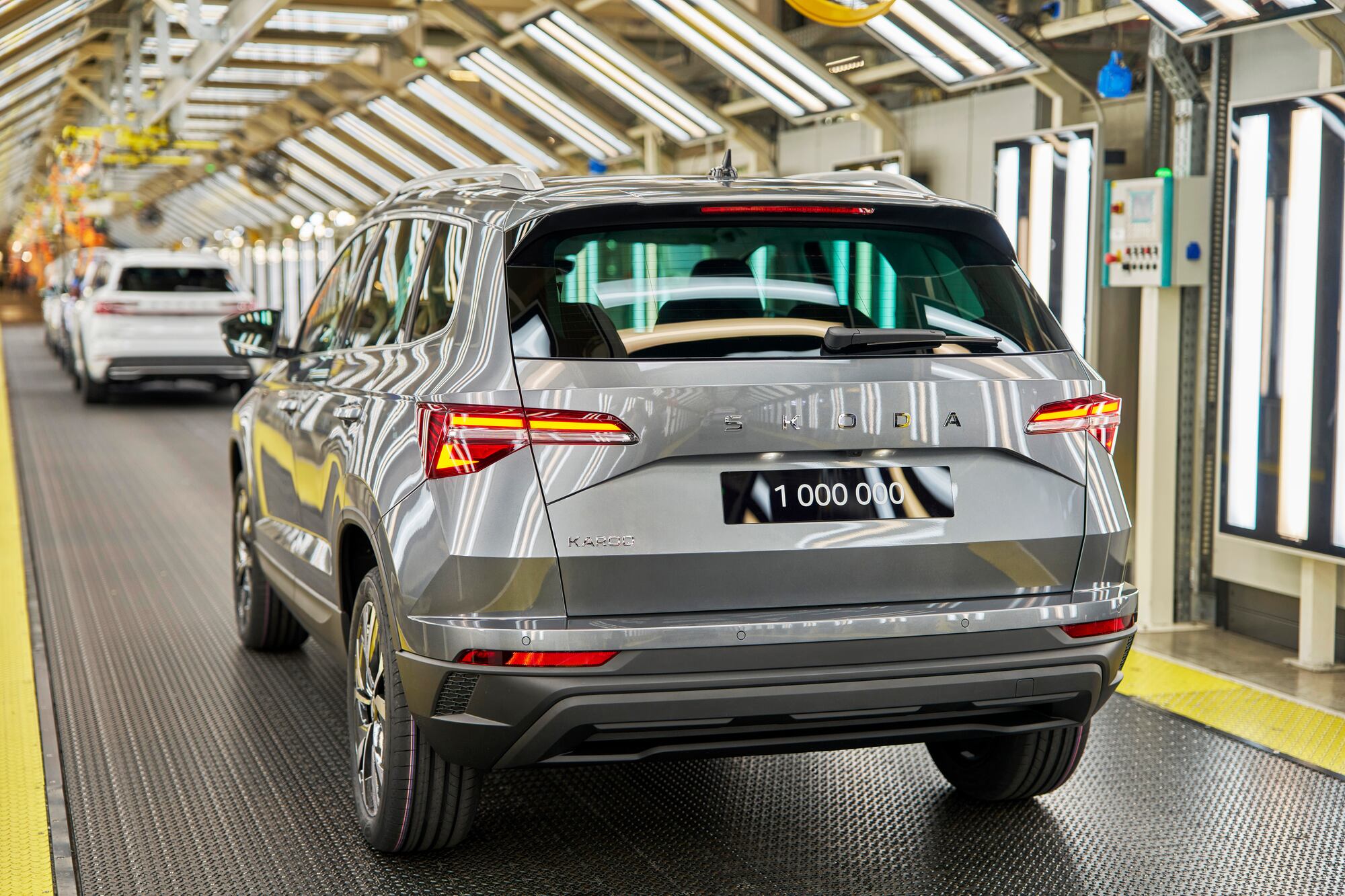
- Skoda’s Czech plants already meet or beat the cost target
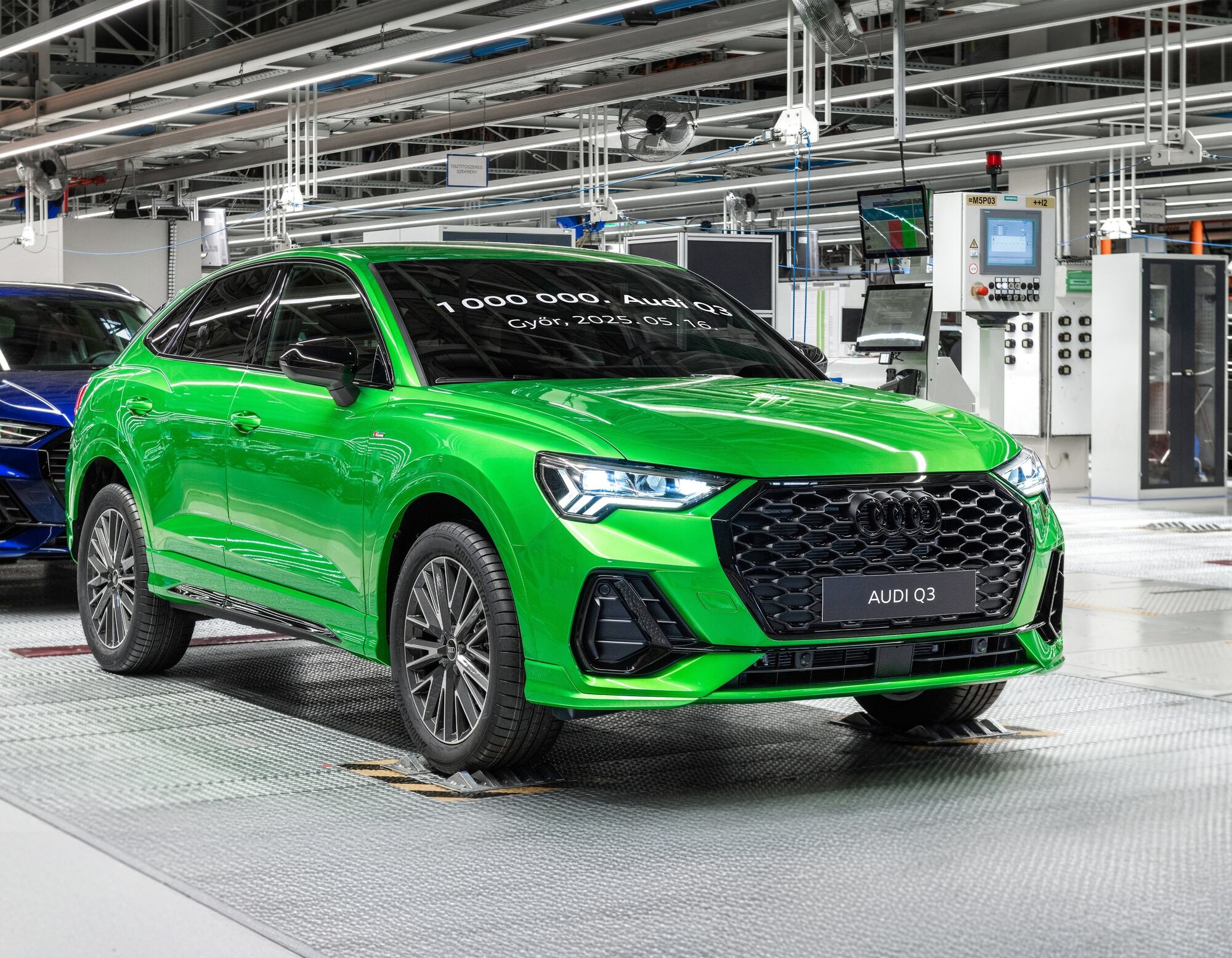
- VW’s Bratislava (Slovakia) and Audi’s Gyor (Hungary) plants also rank as low-cost sites
High Costs in German Factories
German factories continue to operate at significantly higher costs compared to Eastern Europe. For example, VW’s Zwickau electric car plant approaches about €4,000 per vehicle, and Hanover’s factory costs exceed €10,000 per vehicle. Other German sites like Emden, Neckarsulm, and Wolfsburg have costs between these levels but still remain well above the target.
ID Tiguan Production Could Move to Czech Republic
One model potentially affected by this new strategy is the VW ID4 electric SUV, expected to be renamed the ID Tiguan in its next generation. Reports say its production may shift from the Emden plant in Germany to the Czech Republic to benefit from lower manufacturing costs.
Factory Rationalization amid Falling Demand
The cost-driven approach aligns with VW’s need to reduce excess capacity. The company plans to match production closer to a global demand forecast of about 9 million vehicles annually, down from 12 million units before the pandemic. VW has cut around 2 million units of excess capacity in recent years and expects further reductions in Europe and China.
Political Factors Could Influence Factory Changes
VW aims to avoid outright factory closures where possible but is restructuring by closing production lines and repurposing sites. Some German plants, especially those in Lower Saxony like Wolfsburg, Hanover, and Emden, benefit from political support due to the state’s stake in VW. This may protect them to some extent, while other facilities like Zwickau and Neckarsulm face more pressure to reduce costs.
Why It Matters
This cost-focused shift shows how VW Group is adapting to intense global pressures. Customers in Europe may see more models being built in Eastern Europe to keep prices competitive. It also signals challenges for German factories to stay profitable without political backing. Overall, VW is aligning production with economic realities as the auto industry changes rapidly.
Source: autonews.com