
Volkswagen has put the development of its upcoming electric Golf, referred to as the ID. Golf, on hold. The move comes as the group faces its largest quarterly loss in over ten years. While the pause is confirmed by company leaders, there is no clear timeline for when work will resume.
Financial Struggles Force Tough Decisions
The decision to pause the electric Golf project was made by Volkswagen’s management board amid difficult financial results. Volkswagen reported an operating loss of nearly €5.9 billion in the third quarter, the worst in more than a decade. The Volkswagen brand itself posted a €502 million loss, its first quarterly deficit since 2020.
These poor results are influenced by several major charges, including a depreciation of approximately €4.5 billion in Chinese assets. Declining sales expectations and price drops in China, along with the accounting write-down of the Porsche stake, have contributed to the losses. Additionally, global deliveries fell by almost 9% year-on-year, affected heavily by shrinking demand in China.
Volkswagen’s Wolfsburg plant, where the electric Golf was to be developed, has underperformed in cost-cutting efforts, missing its target by around €300 million. This contrasts with better performance at other German plants like Emden and Zwickau.
What Volkswagen Has Said About the Pause
Thomas Schäfer, Volkswagen’s brand chief, clarified that this is a pause and not a cancellation of the electric Golf program. He acknowledged the importance of the Golf to Wolfsburg but emphasized the company cannot afford the project currently. Financial director David Powels described the pause as a specific step in controlling costs and maintaining investment discipline while the market remains challenging.
The company is prioritizing improving cost structure and managing cash flow in the face of ongoing market difficulties. The pause is framed as a temporary measure until Volkswagen can confidently allocate the necessary investments.
Plans for the ID. Golf and Platform Delays
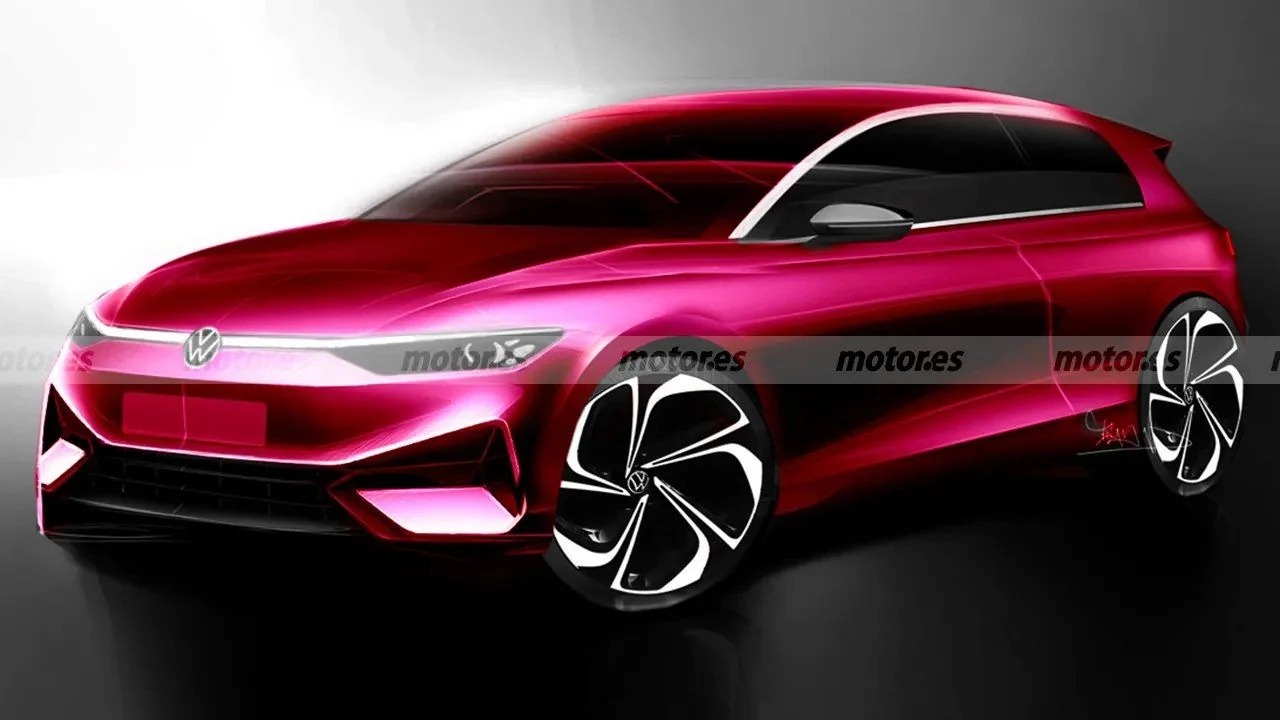
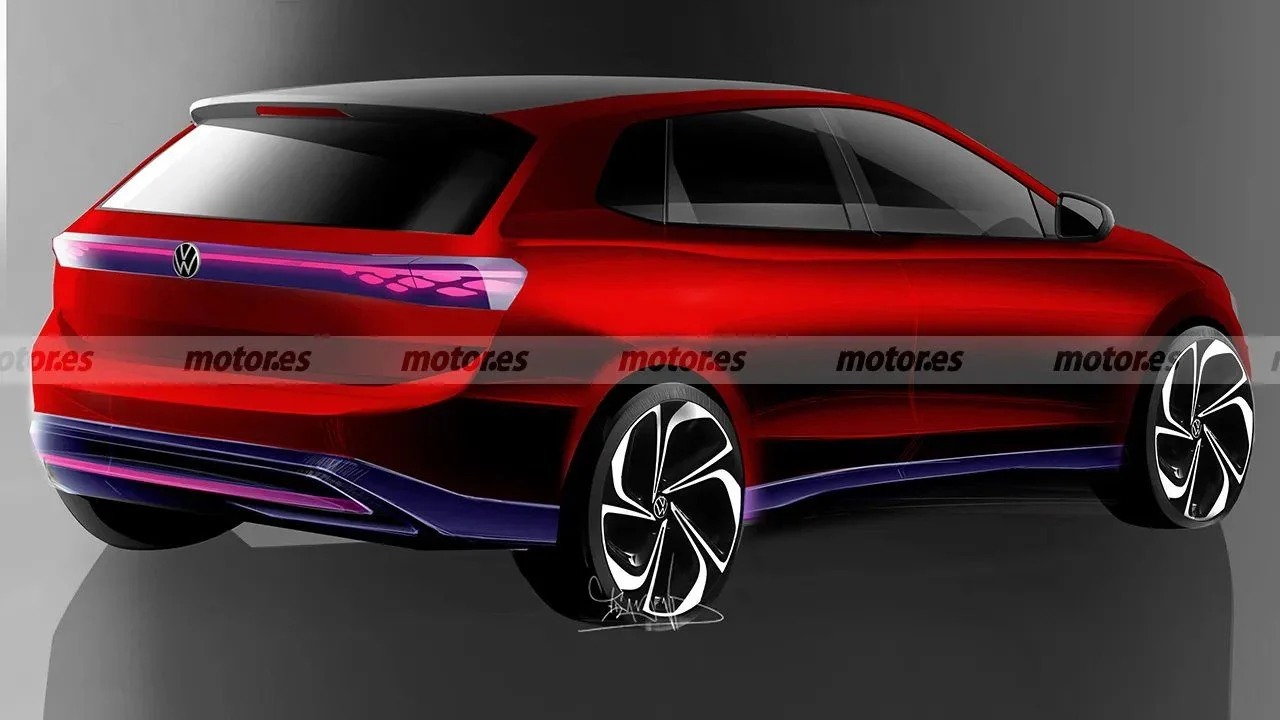
The ID. Golf was expected to be one of the first EVs based on Volkswagen’s new Scalable Systems Platform (SSP), a modular electric architecture developed alongside Rivian. This platform is intended to underpin a new generation of electric Volkswagens.
The electric Golf was initially scheduled for launch around 2028, following an electric T-Roc that would debut the SSP platform. However, delays in the platform’s readiness have pushed the expected launch into the early 2030s. The recent pause could further extend this timeline.
The electric Golf was anticipated to combine traditional design cues from past Golf generations with new software capabilities from the Rivian partnership. It was also expected to include high-performance variants such as GTI and R versions.
Current Golf Production and Future Outlook
Volkswagen plans to shift production of the existing gasoline Golf from Wolfsburg to its Puebla plant in Mexico. This means the current Golf model will continue to be available even as the electric successor faces delays.
This development highlights the financial pressures Volkswagen is under, especially facing growing competition from Chinese EV makers in Europe. Pausing the electric Golf—one of Volkswagen’s most important models—shows the company’s cautious approach to investment in a tough market.
Source: motor.es