
Volkswagen has taken a strategic step to tackle an emissions challenge caused by Porsche’s high-performance petrol cars. Instead of keeping Porsche’s emissions within its own group targets, Volkswagen will include Porsche’s emissions data in the emissions pool of Chinese EV maker Xpeng for 2026 and 2027.
Porsche’s Emissions Affect Volkswagen’s EU Targets
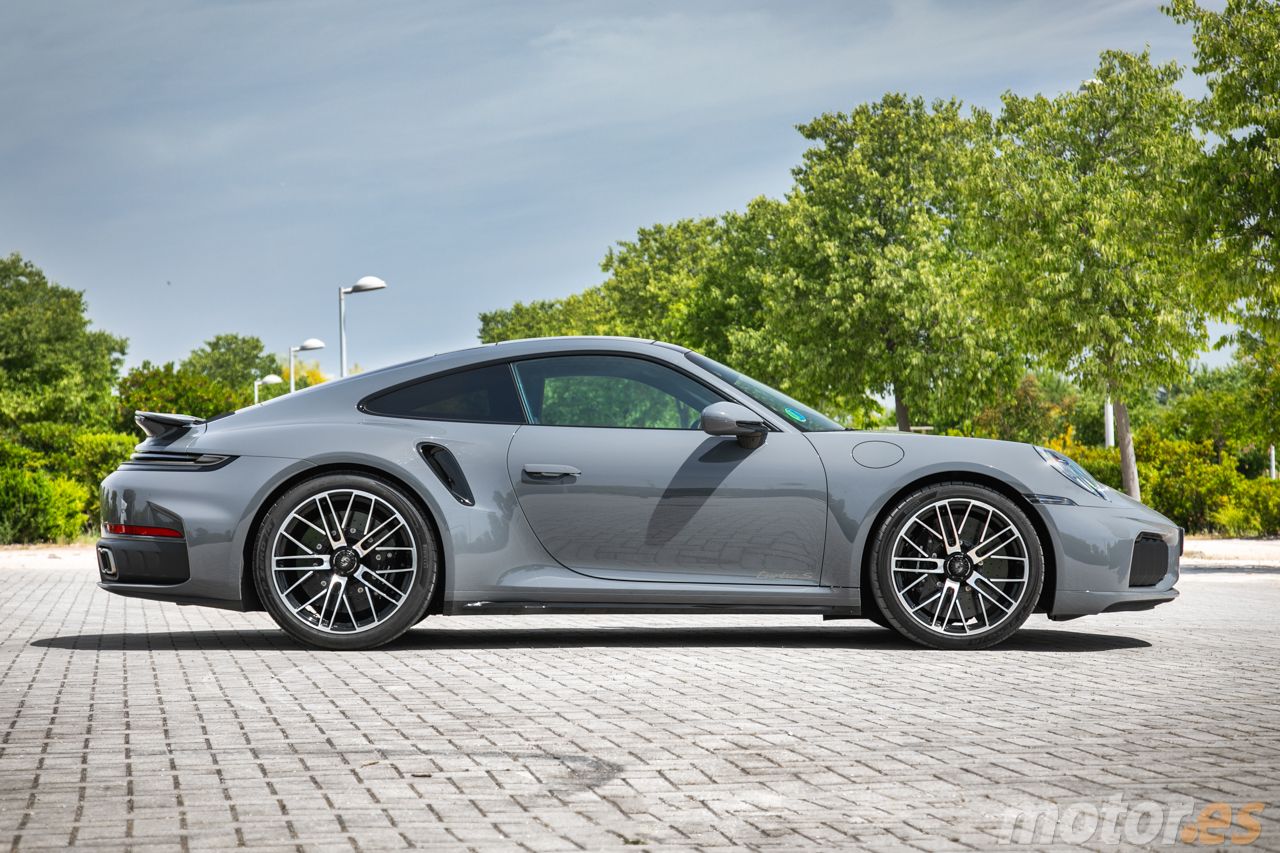
The European Union’s emissions rules require automakers to keep the average CO2 emissions of their new car sales below 93.6 grams per kilometre between 2025 and 2027. Volkswagen Group, which sells a large number of combustion cars, was struggling to meet this target. Porsche worsened the challenge with its powerful combustion models like the 911, Cayenne, and Panamera, which have higher emissions than the group average.
Volkswagen had a group-wide average of around 100 g/km in 2025, which is above the limit for the coming years. This makes it harder to avoid penalties linked to these stricter rules.
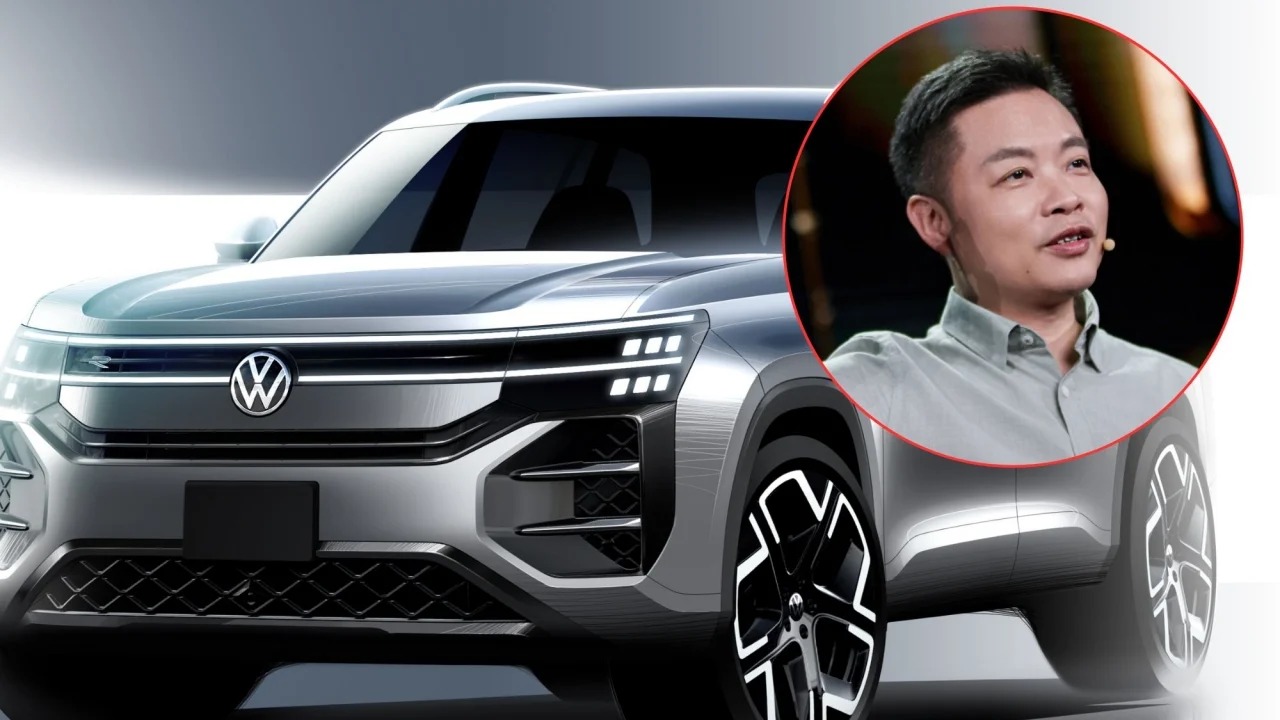
Joining Forces with Xpeng’s Emissions Pool
Volkswagen’s solution was to separate Porsche from its own emissions calculations and include it in Xpeng’s pool. Xpeng is a Chinese electric vehicle manufacturer with a clean emissions record because all its models sold in Europe are fully electric or use electric range extenders.
By joining Xpeng’s emissions pool, Porsche benefits from Xpeng’s surplus of low-emission vehicles, helping to balance out Porsche’s higher emissions and reduce the overall average for compliance.
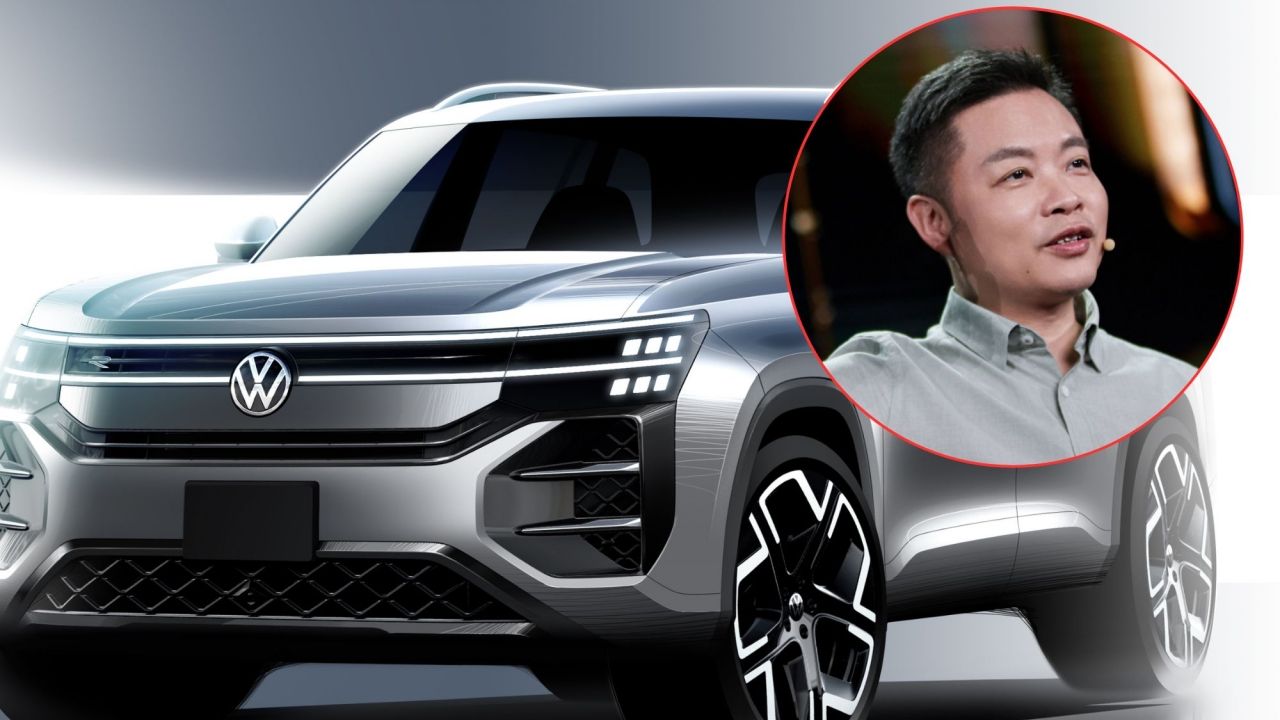
Why Xpeng?
Volkswagen and Xpeng already have a partnership in China. They co-developed the CMP platform used by affordable electric cars, including Volkswagen’s ID. model range, and share work on the CEA electronic architecture. Additionally, Volkswagen owns nearly 5% of Xpeng’s shares since 2023.
This ongoing relationship made Xpeng a suitable partner for helping manage Porsche’s emissions challenge in Europe.
Similar Emissions Pool Partnerships in the Industry
Volkswagen’s move is part of a wider industry trend. Tesla, for example, hosts an emissions pool that includes Ford, Honda, Mazda, and Suzuki, allowing those automakers to benefit from Tesla’s zero emissions credits. The goal is to help each company meet the EU targets collectively while avoiding costly fines.
Xpeng stands to gain similarly by welcoming Porsche and Volkswagen into its pool, creating a mutually beneficial arrangement. The agreement with Porsche and Xpeng covers the years 2026 and 2027.
This decision reflects Volkswagen’s pragmatic response to tougher EU emissions rules, making use of partnerships beyond their own group to comply with upcoming regulations.
Source: motor.es