
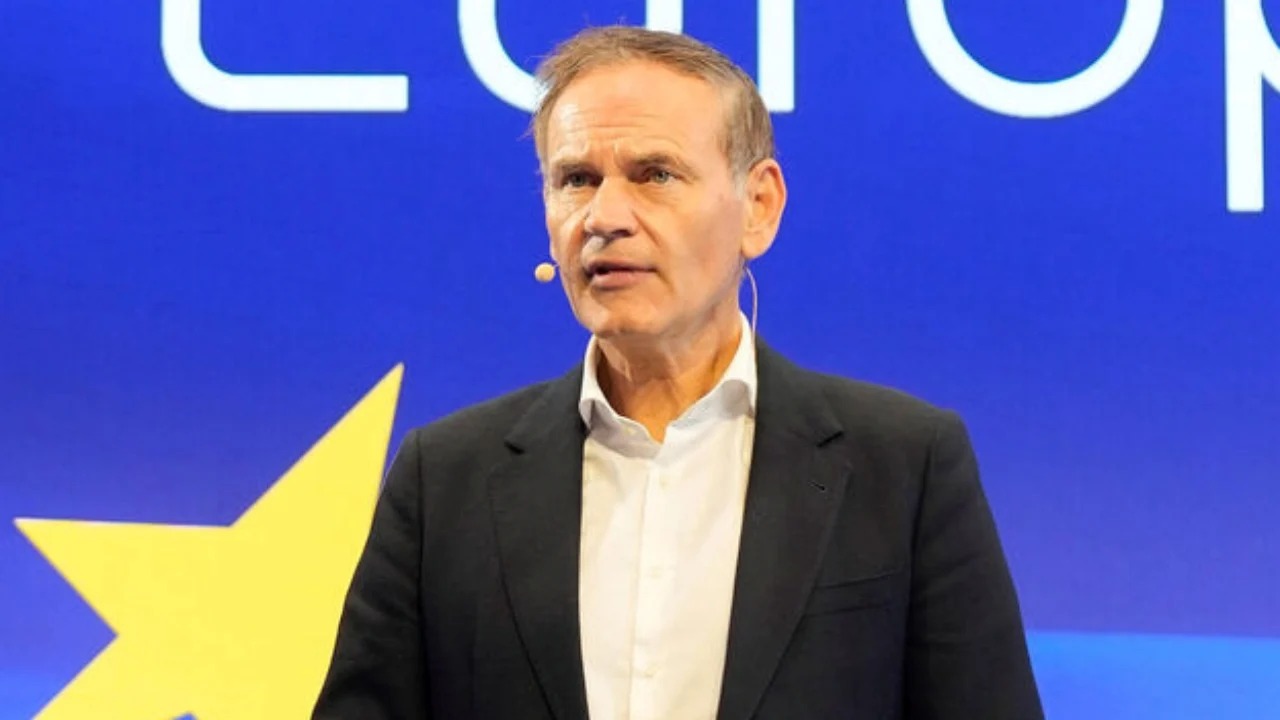
Volkswagen’s CEO Oliver Blume has emphasized that Europe’s car industry must stop depending on export profits to secure its future. Speaking at the Paris Motor Show, Blume highlighted the urgent need for European manufacturers to boost local competitiveness amid changing market conditions and stricter regulations.
Challenges Facing European Automakers
Blume’s remarks reflect a growing concern shared by major European car groups including BMW, Mercedes-Benz, Stellantis, and Renault. Together, Volkswagen, Stellantis, and Renault produce over 60% of Europe’s vehicles and control more than half of the market. Despite this dominance, the European auto industry faces tougher profit margins caused by tighter regulations and a market that has yet to fully recover from the pandemic.
Adding to these challenges, Chinese car brands now hold about 10.7% of the European market, increasing local competition. But the main issue isn’t just competition—it’s how these Chinese companies built an oversized production capacity that flooded their local market, leading to falling sales. In fact, China’s car market has seen monthly sales drops of over one million vehicles, a volume equal to the total annual sales in Spain.
Blume Calls for Stronger Industrial Policy in Europe
Blume urged European policymakers to support local manufacturing more directly. “We cannot build our future based solely on export profits. Our European operations must be profitable, resilient, and competitive,” he said. His statement is seen as a push for more flexible regulations and incentives that promote local production, such as the EU’s Industrial Acceleration Law and “Made in Europe” policies.
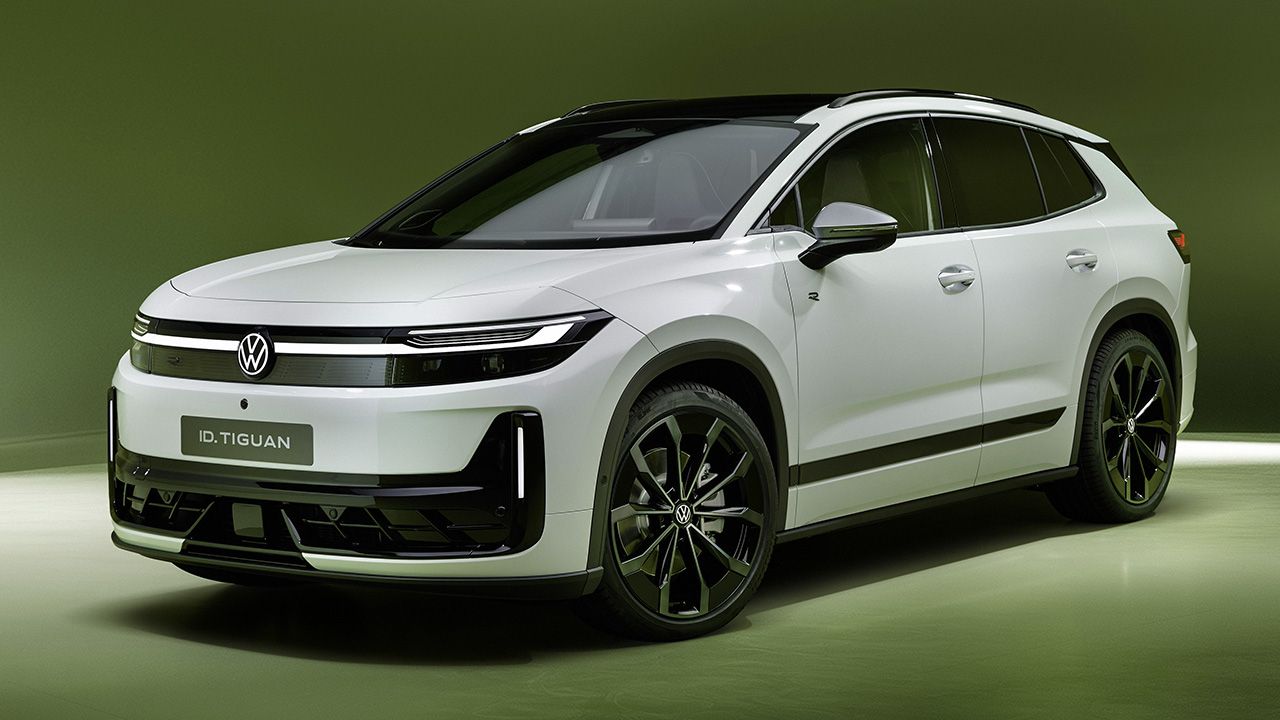
These initiatives aim to encourage supply chains in Europe, attracting attention not only from established automakers but also from Chinese firms setting up local battery production, like the plant in Sagunto linked to Gotion, a partner in Volkswagen’s electric vehicle battery plans.
Restructuring and Development Speed Are Key
The future of Europe’s car industry depends heavily on how manufacturers adapt. Volkswagen has already started a restructuring plan expected to cause significant job cuts in Germany. Meanwhile, Stellantis is midway through its own overhaul.
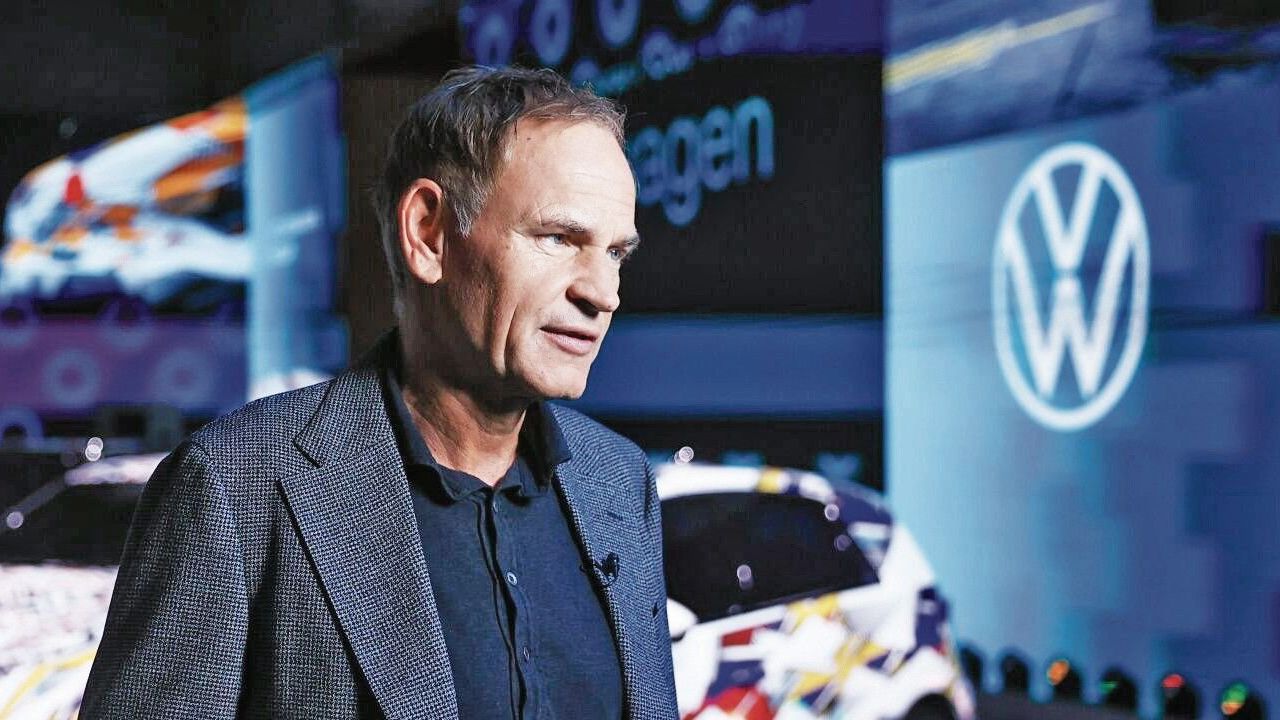
Blume highlights the complexity of depending on China or the US for growth, noting trade barriers and political unpredictability, such as US tariffs impacting companies like Porsche and BMW. Partnerships with Chinese companies like Xpeng show some strategic cooperation, but European companies need to cut development times to reduce costs without sacrificing quality.
How Volkswagen and others balance these pressures determines their competitiveness in Europe’s evolving auto market.
Source: motor.es