
Toyota is urging European regulators to recognize its long-standing presence and expertise in Europe. The Japanese automaker wants the EU to create a new category for vehicles powered by combustion engines running on renewable fuels. This move challenges the EU’s plans to phase out traditional engines by 2035.
Introducing VEEF: Vehicles Using Renewable Fuels
Toyota’s proposal, called VEEF, stands for “Vehicles that function exclusively on eligible fuels.” These are combustion-engine cars designed to run solely on renewable fuels such as biofuels made from organic waste. The company wants these vehicles to receive the same regulatory treatment as electric cars, supporting their continued sale and use after the planned 2035 ban on new fossil-fuel vehicles in Europe.
Toyota argues that renewable fuels can reduce carbon emissions on par with electric vehicles when considering their full life cycle, from production to use. The automaker believes Europe should officially recognize renewable fuels as zero-emission alternatives to accelerate the reduction of transport emissions.
What Makes Renewable Fuel Vehicles Different?
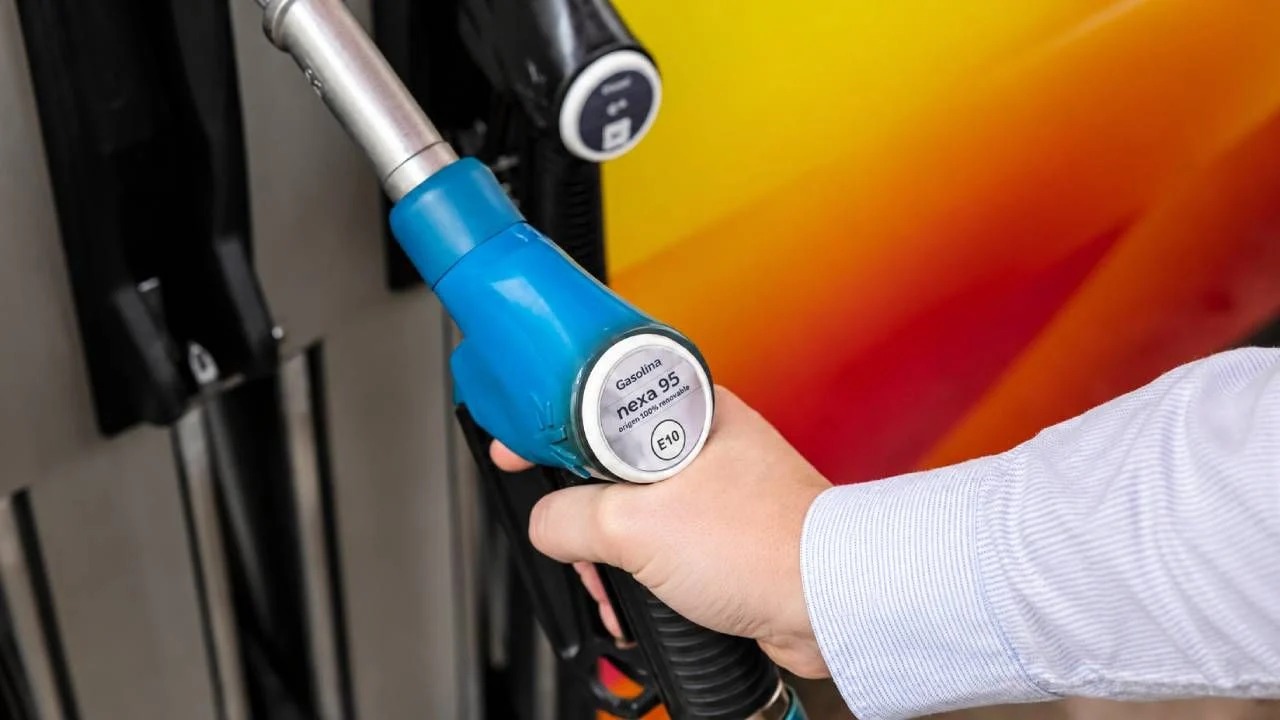
While Toyota is still developing electric and hydrogen models, it points out one advantage of renewable fuels: they do not require major changes to existing engines or vehicle structures. This compatibility means current combustion cars could run on renewable fuels without costly upgrades or new infrastructure.
The company highlights that Europe has enough biomass resources to fuel roughly 300 combustion vehicles until 2040. Toyota plans to use second-generation biofuels made from leftover organic materials, a choice that is more cost-effective compared to synthetic e-fuels favored by some competitors.
Additionally, Toyota is enhancing its hybrid systems to better work with renewable fuels. The next-generation hybrid, expected with the upcoming Corolla, aims to improve fuel efficiency by about 15% compared to existing systems.

Infrastructure and Economic Considerations
Toyota notes that renewable fuels can be supplied through the current gas station network, unlike electric or hydrogen cars, which require specialized charging or refueling stations. This reduces the need for heavy investments in new infrastructure.
Alongside pushing for VEEF, Toyota is also responding to the European Union’s efforts to encourage local manufacturing. The company stresses the need for regulations that not only consider where vehicles are physically made but also take into account research, development, and skilled jobs created in Europe.
Toyota’s European CEO, Yoshihiro Nakata, emphasized that Toyota should be seen as a European manufacturer with decades of experience, not just an outsider. The brand operates six vehicle and parts production sites across Europe, including the UK and Turkey. Toyota wants laws to reflect this long-term contribution.

Looking Ahead
Toyota’s call for a new vehicle category based on renewable fuels challenges the EU’s strict push towards electrification. While the company continues investing in electric and hydrogen cars, it believes a more flexible approach acknowledging renewable fuels will support the transition away from fossil fuels without sidelining combustion technology.
More details and official regulatory decisions on the VEEF proposal are expected as the EU finalizes its transport and emission policies for the coming decades.
Source: motor.es