

Tesla delivered a record number of cars in the second quarter of 2026, but its operating profit fell significantly despite the strong sales growth. The company’s focus on expanding its AI and robotics projects added extra costs, weighing on profits.
Record Deliveries and Revenue Growth
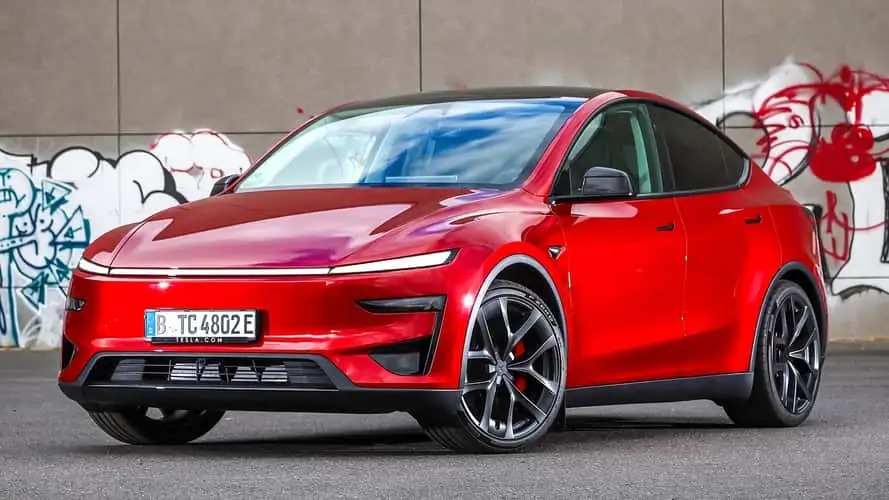
Between April and June 2026, Tesla delivered 480,126 vehicles—a 25% increase compared to the same period last year. Most of these were Model 3 and Model Y cars, totaling 467,762 units, while other models including the discontinued Model S, Model X, and the upcoming Cybertruck contributed 12,364 deliveries.
Revenue reached $28.24 billion, up 26% year over year, marking Tesla’s highest-ever quarterly sales total.
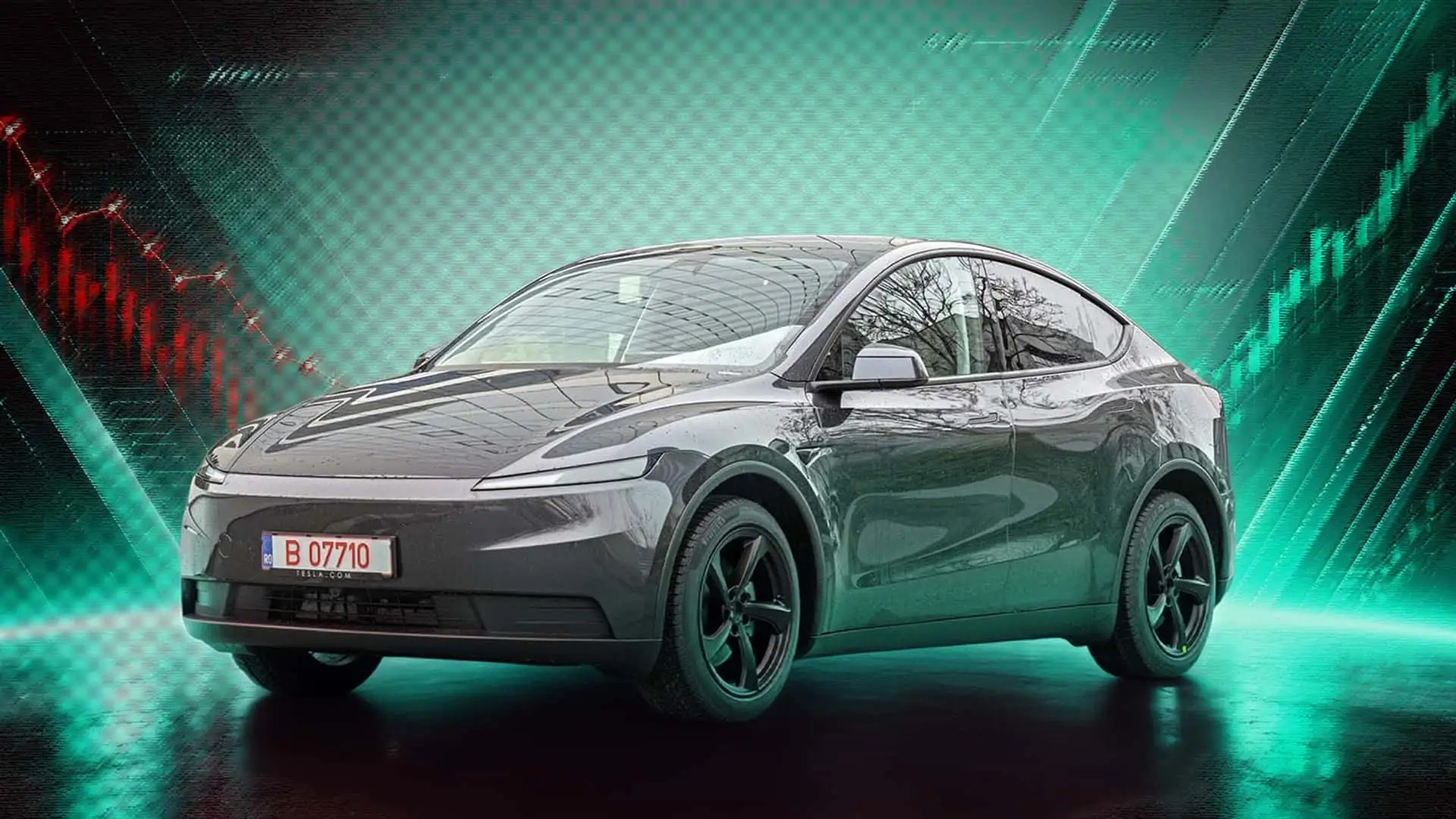
Operating Profit Declines Despite Sales Recovery
Although sales and revenue increased, Tesla’s operating income dropped 57%, falling to around $400 million. Adjusted earnings per share were 33 cents, missing analyst expectations of 51 cents. Tesla’s shares fell by about 4% after the results were announced.
The automotive gross margin shrank to 16.3%, with average car revenue slipping to approximately $42,730 per vehicle from $45,345 the previous year. A sharp decline in regulatory credit sales also hurt profits, dropping to $146 million in Q2 2026 from $439 million a year earlier.


Heavy Investment in AI, Robotaxis, and Robotics
Tesla’s research and development expenses climbed 49% to $2.37 billion over the quarter. This spending supports Tesla’s future projects like artificial intelligence, the Robotaxi network, and the Optimus humanoid robot, all of which remain much smaller than the car business for now.
The company’s total cash outflow exceeded income by $1.1 billion during the quarter, marking a significant expenditure beyond operations. Despite these losses, Tesla’s investment in SpaceX added about $1 billion in paper profit due to valuation gains, but no shares have been sold.
Demand Rises but Profitability Faces Challenges
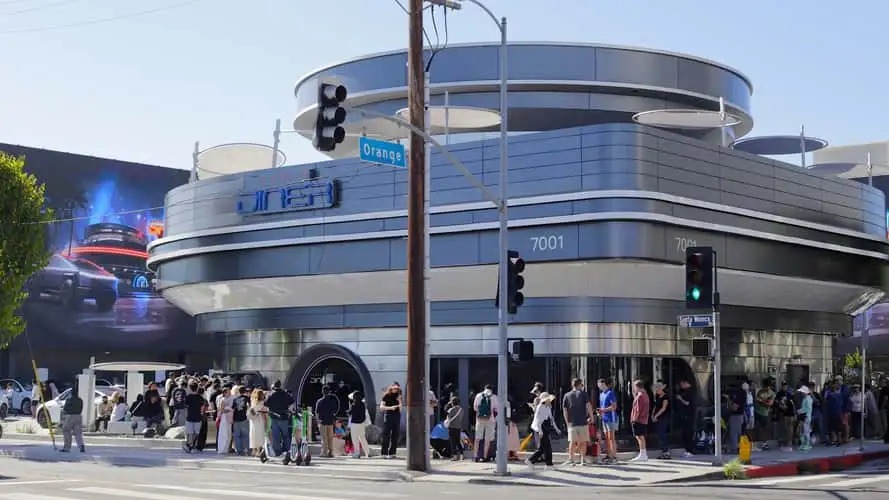
Following a difficult 2025, Tesla’s vehicle deliveries have been recovering, with European sales stabilizing and California demand showing improvement. However, the latest results suggest that higher sales numbers alone are not enough to maintain previous profit levels.
Tesla appears to be trading short-term automotive profits for long-term investment in technologies beyond traditional car manufacturing. Investors may need to adjust expectations as Tesla balances its growing ambitions in AI and robotics with the realities of a competitive car market.

Source: insideevs.com