
Stellantis could soon produce its next small electric Fiats and Citroëns in Italy using advanced technology kits from Chinese company Leapmotor. This approach aims to combine local assembly with key technical parts delivered ready to install, potentially cutting costs and speeding up production.
Leapmotor’s Integrated Technology Kits
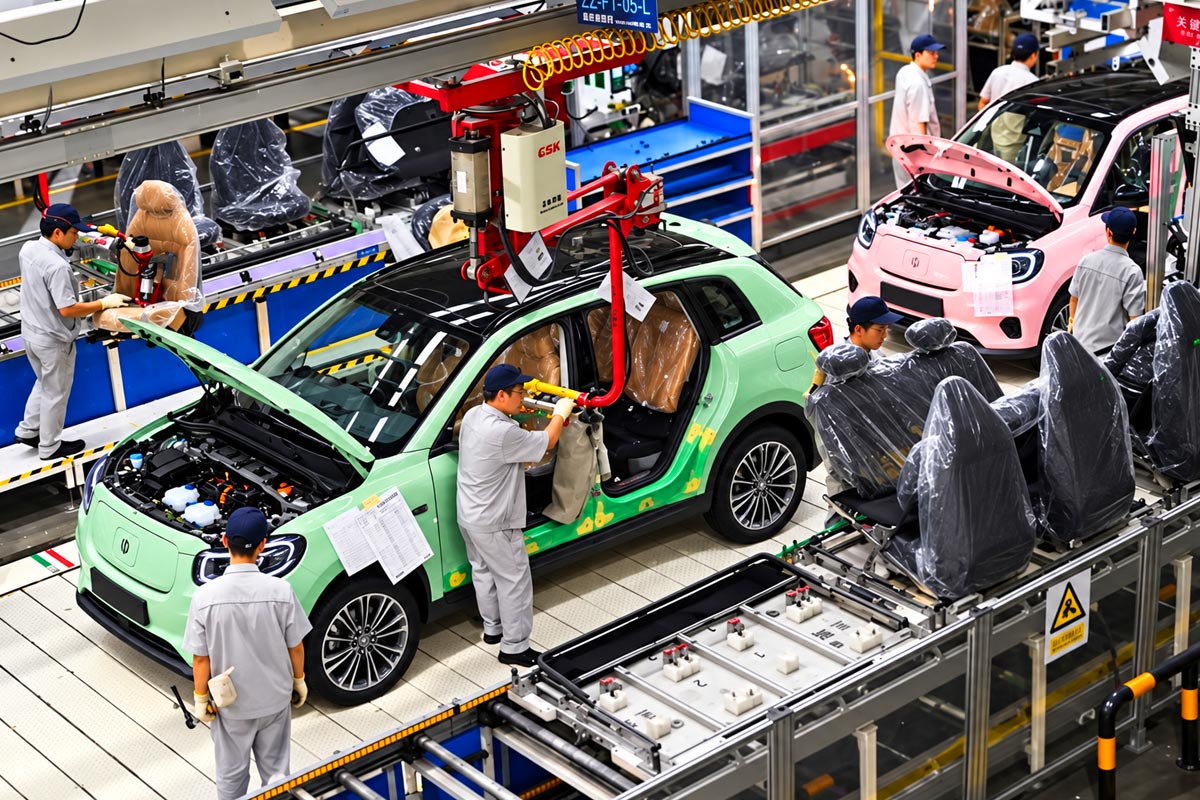
Leapmotor’s CEO Zhu Jiangming explained two ways automakers can work with the company. One is to have Leapmotor build the complete vehicle at its factories. The other, more appealing for Europe, lets automakers keep their own plants, while using Leapmotor’s ready-to-integrate technology “kits.”
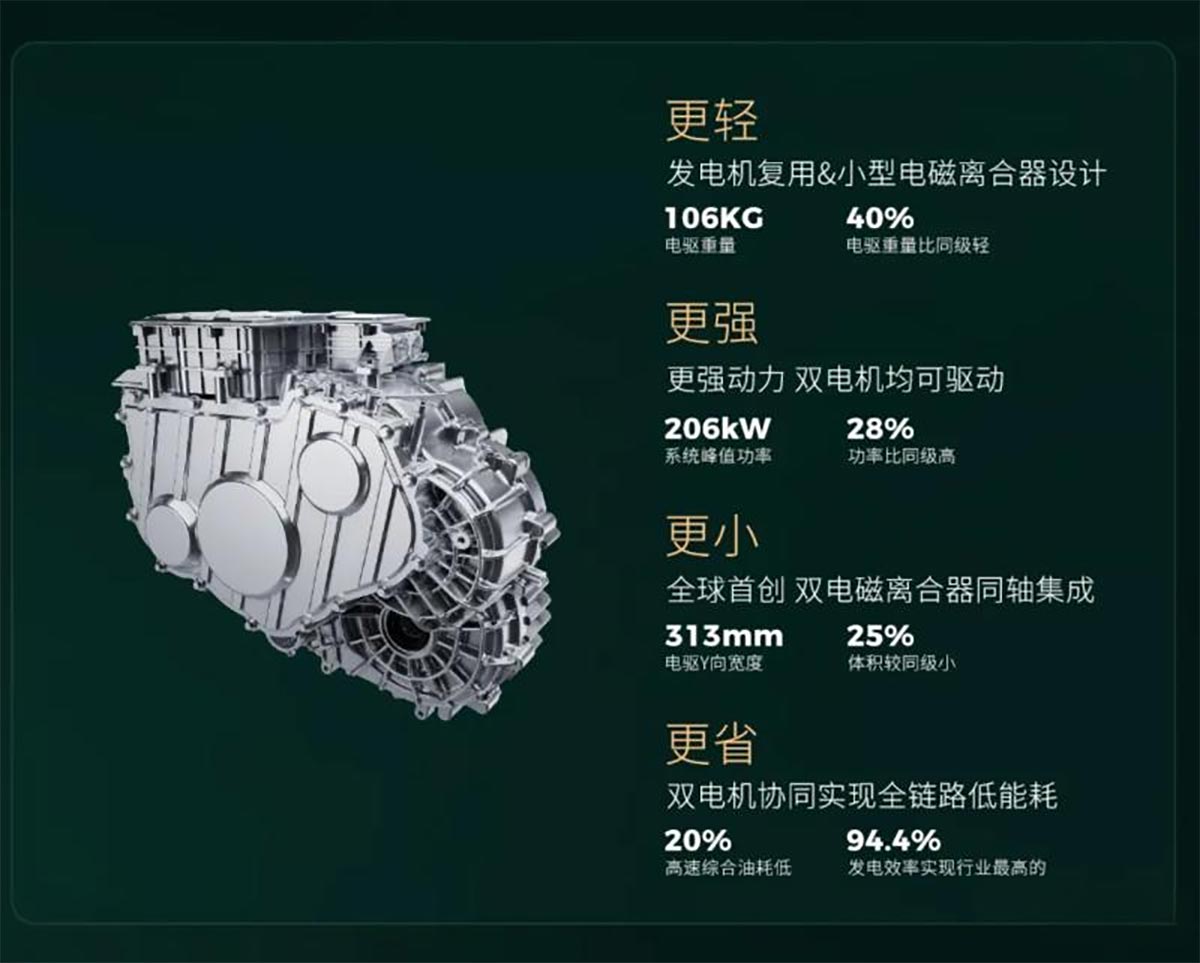
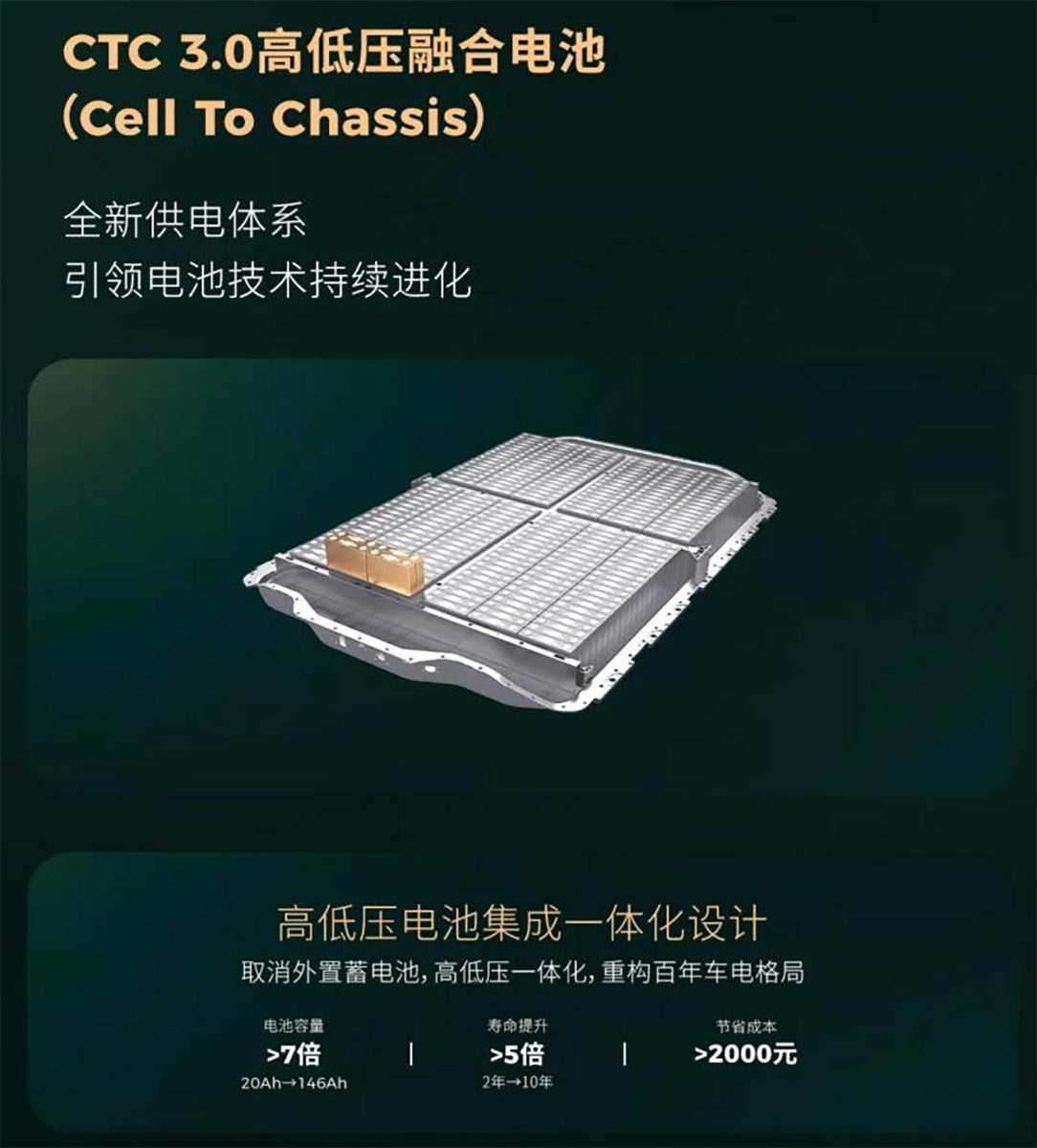
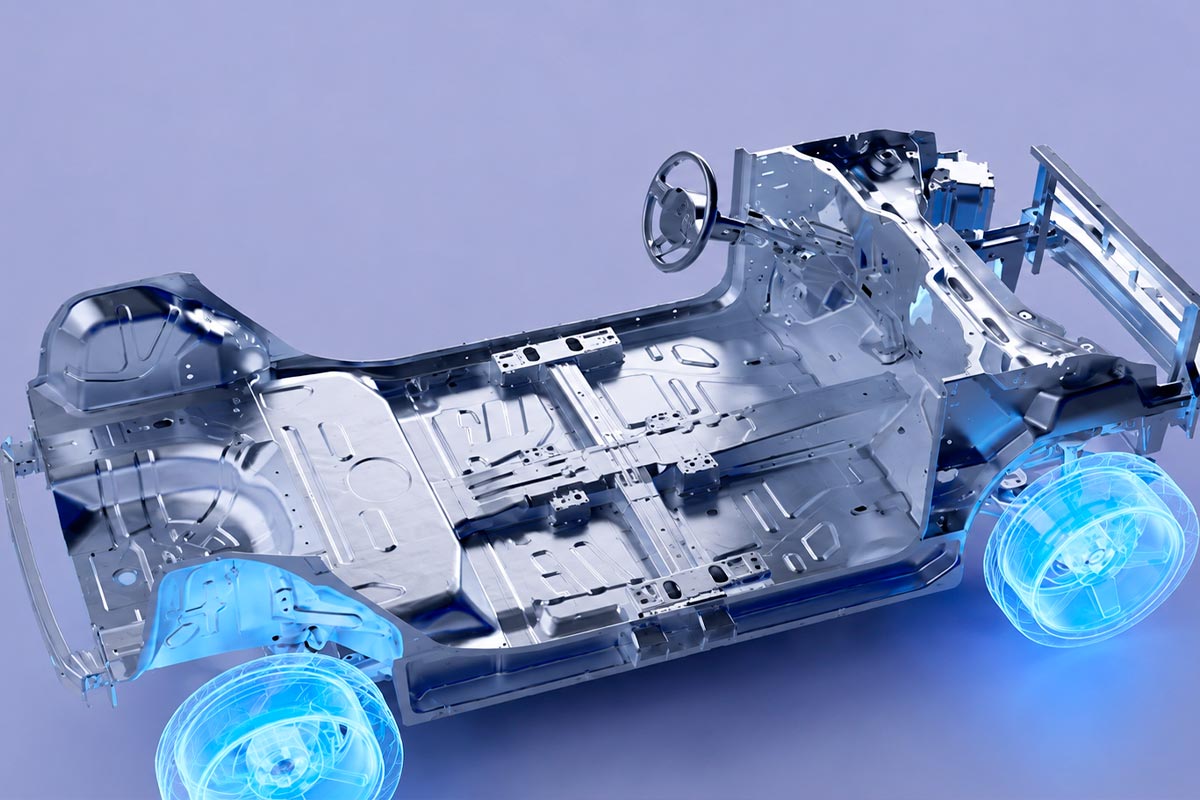
These kits include the battery pack, electric powertrain, electronic control units, controllers, and lighting systems. Instead of sourcing components separately and trying to make them fit together, automakers get a pre-developed and tested system from one supplier.
Zhu said this method could save between 120 and 240 euros per car. While that might seem small, it adds up significantly when producing large volumes of low-margin electric cars. Leapmotor’s electronics are already used by eight automakers, and a partnership with Chinese group FAW is in production.

Link to Stellantis’ Future Electric Cars in Italy
This “technology kit” approach closely matches what Stellantis reportedly needs for its upcoming small electric vehicles. Bloomberg reported earlier that Stellantis is considering Leapmotor’s tech for new affordable electric cars, planned to be built at the Pomigliano d’Arco plant in Italy, starting around 2028.
Leapmotor has not officially confirmed its role in Stellantis’s “E-Car” project, but the CEO’s comments help explain how Stellantis could keep control of car design, bodywork, and tuning in Italy, while receiving the essential electrification parts from Leapmotor.


Opel Paves the Way with Leapmotor Partnership
Opel, also part of Stellantis, is already working with Leapmotor technology. It aims to launch a compact electric SUV in 2028, built with Leapmotor components and assembled in Spain. This project serves as a test case to reduce costs and shorten development times, potentially inspiring similar cooperation for the smaller cars planned at Pomigliano.
The success of this model is particularly important for Pomigliano, which will need to transition beyond the Fiat Panda era and secure its production future. Using Leapmotor kits could let Stellantis keep manufacturing in Italy while relying on proven Chinese-made electric technology.
For now, the use of Leapmotor kits for Fiat and Citroën small electric cars remains unconfirmed by the companies. But the recent insights from Leapmotor’s CEO shed light on a likely new way Stellantis could build affordable EVs in Europe.

Source: italpassion.fr