
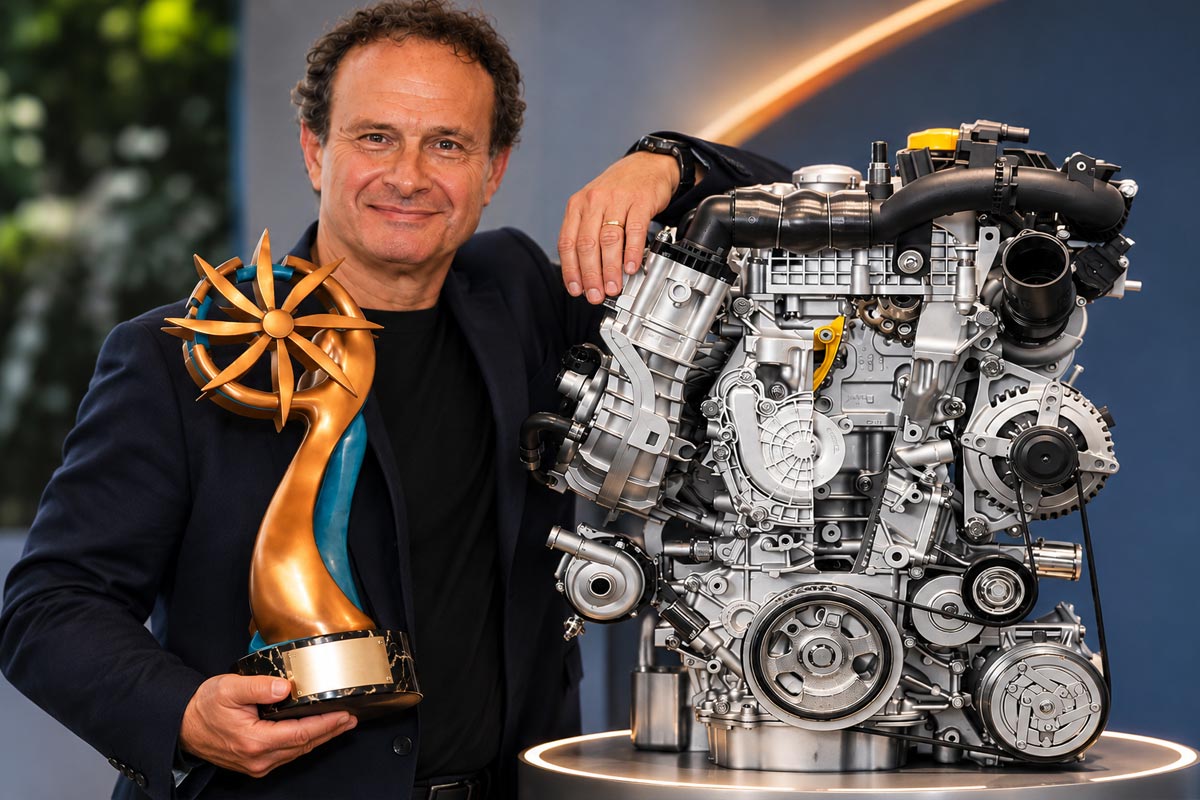
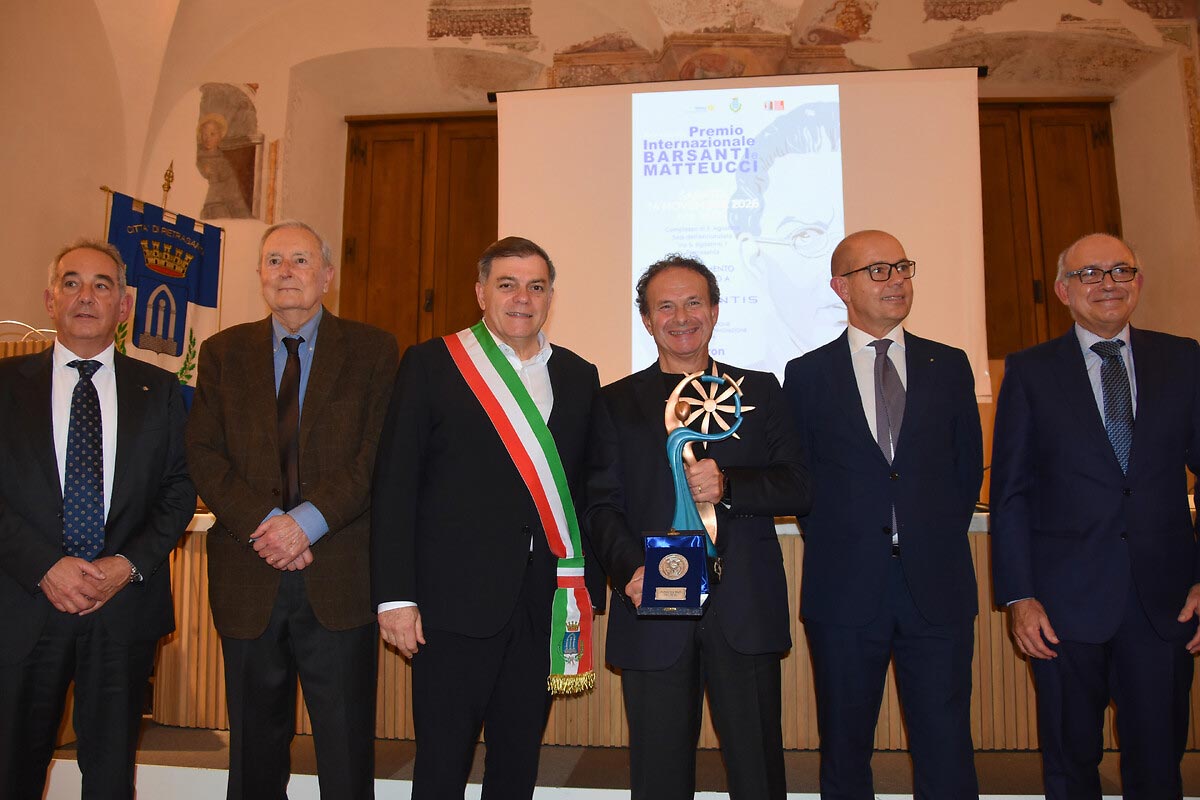
Stellantis recently received the 25th Barsanti and Matteucci International Award, a prestigious honor celebrating innovation in engine technology and the rich heritage of Italian mechanical engineering. The award highlights the legacy of Italian engines within the group, such as the iconic FIRE engine and advanced common-rail injection systems. However, this recognition contrasts with the current realities of Stellantis’ engine production, which is increasingly moving away from Italy.
Celebrating Italian Engineering Heritage
The Barsanti and Matteucci Award, named after two Italian pioneers of the internal combustion engine, was presented to Stellantis on November 16, 2026, in Pietrasanta, Tuscany. Aldo Marangoni, Stellantis’ vice president of powertrains, accepted the award and reflected on decades of Italian innovation. He emphasized the company’s long-standing commitment to turning inventive ideas into practical, mass-produced engines and mobility solutions.
Stellantis’ Italian engine milestones include:
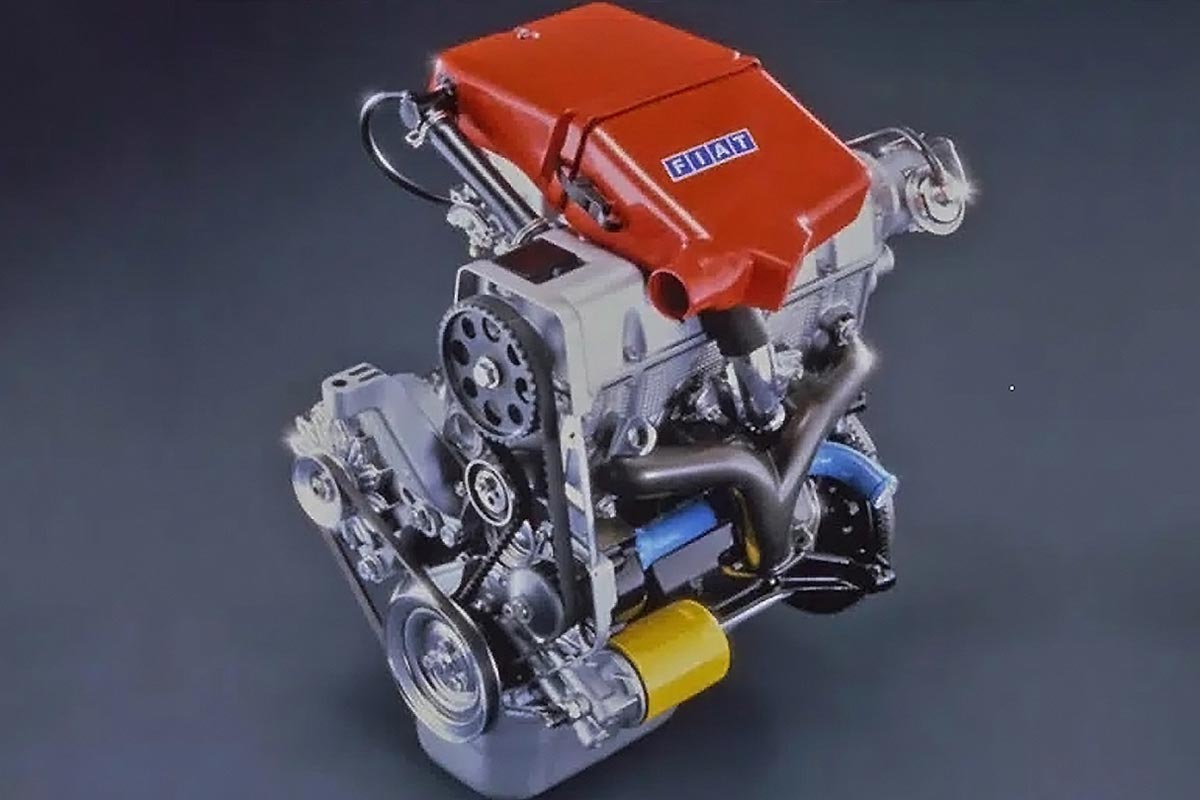
- The FIRE (Fully Integrated Robotized Engine), launched in 1985, known for its simplicity, compact design, and efficiency. It powered millions of Fiat and Lancia models and inspired subsequent engine families.
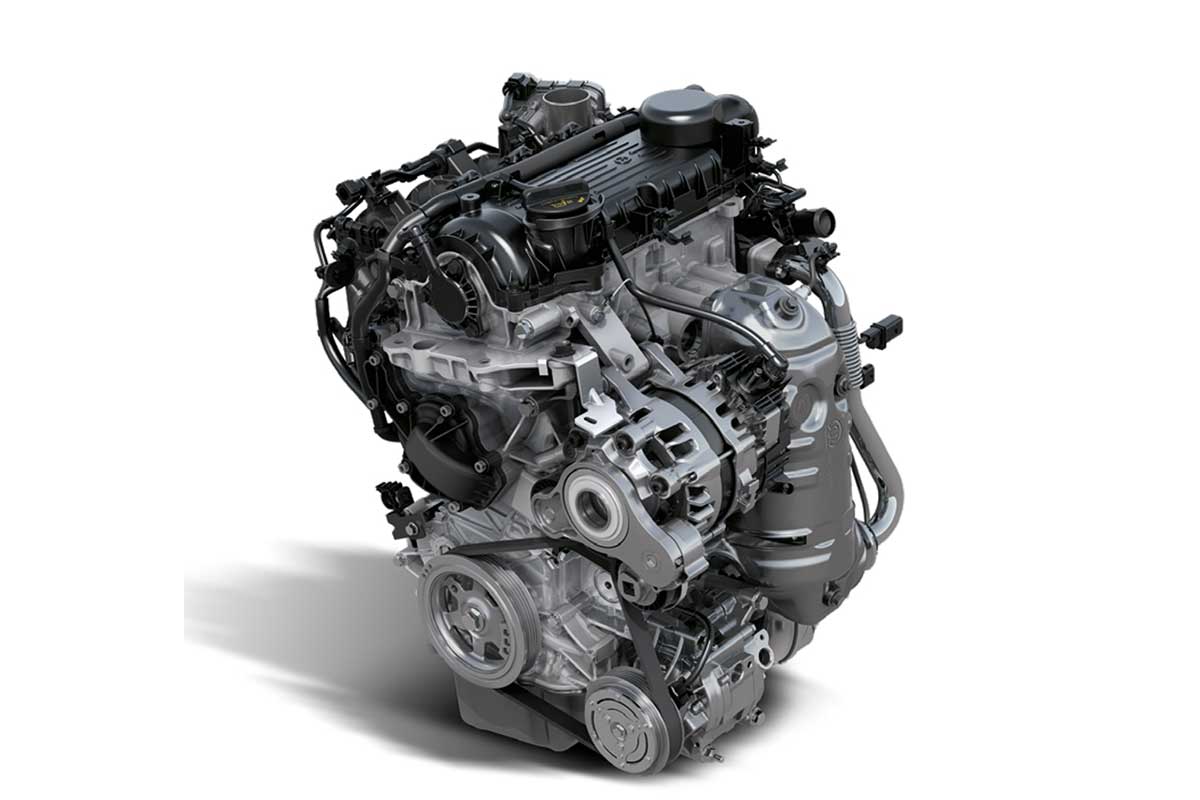
- The FireFly (or Global Small Engine, GSE) series, developed under Fiat Chrysler, now mainly produced in Brazil.
- Brazilian FlexFuel engines for alternative fuel use.
- High-performance engines from Abarth, including the recent Hurricane 4 engine.
The Changing Reality of Engine Production
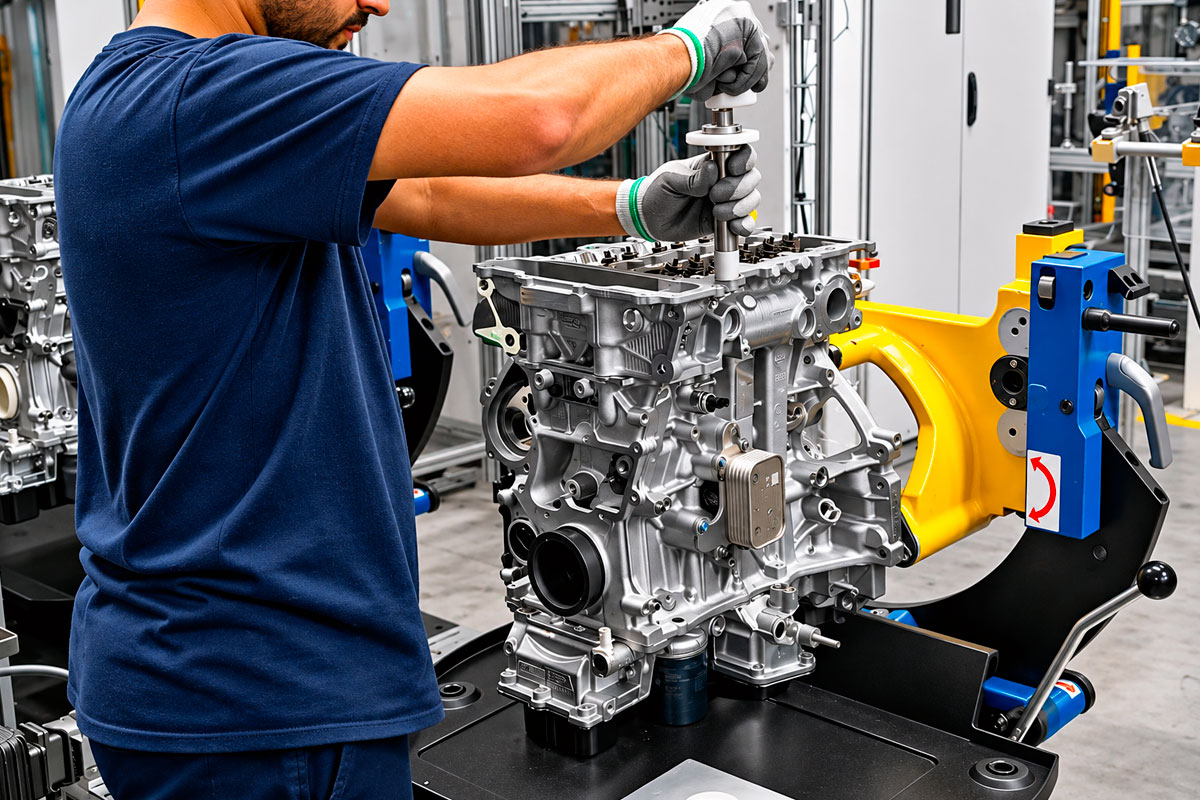
Despite this celebration of Italian engineering, Stellantis’ European engine production has shifted. Key engines for the European market, such as the EB2 and EP6 engines originating from PSA’s legacy, are primarily produced outside Italy—in countries like Hungary, Poland, and Morocco.
Meanwhile, Italian facilities that once played a major role in producing the GSE and GME engine families are now operating much less actively. This shift marks a significant change from the heyday when Italy was a primary center for Fiat Group’s engine development.
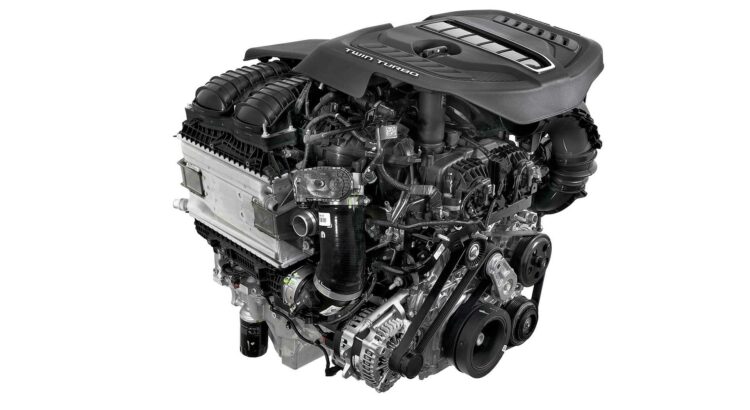
In North America, Stellantis follows a different strategy by producing GME six-cylinder engines in Mexico, along with various V6 and V8 engines for the U.S. market. This underscores a broader realignment of its engine manufacturing footprint across the globe.
The Future of Italian Engines at Stellantis
Stellantis frames the award as proof of its ability to convert complex technology into user-friendly and widely accessible innovations. The company highlights its ongoing work with internal combustion engines, hybrid systems, electric technology, and its REV platform for large SUVs and pickup trucks in North America.
However, the award also raises questions about the future role of Italian-made engines within Stellantis. While Italy’s engineering has been crucial to the company’s history, the current trends suggest a less certain industrial future for engine production in Italy. This creates a paradox where the firm celebrates past achievements but faces challenges in maintaining its manufacturing legacy on Italian soil.
Source: italpassion.fr

Software Developer & Tech Journalist. Creator of Autodatalog.com. Experienced in Python, PHP, PostgreSQL, and Android system modifications. Whether I'm writing Python automation scripts, or exploring the technical specs of Fiat/Alfa Romeo engines, I love reverse-engineering how things work. Based in Istanbul, Turkey.