
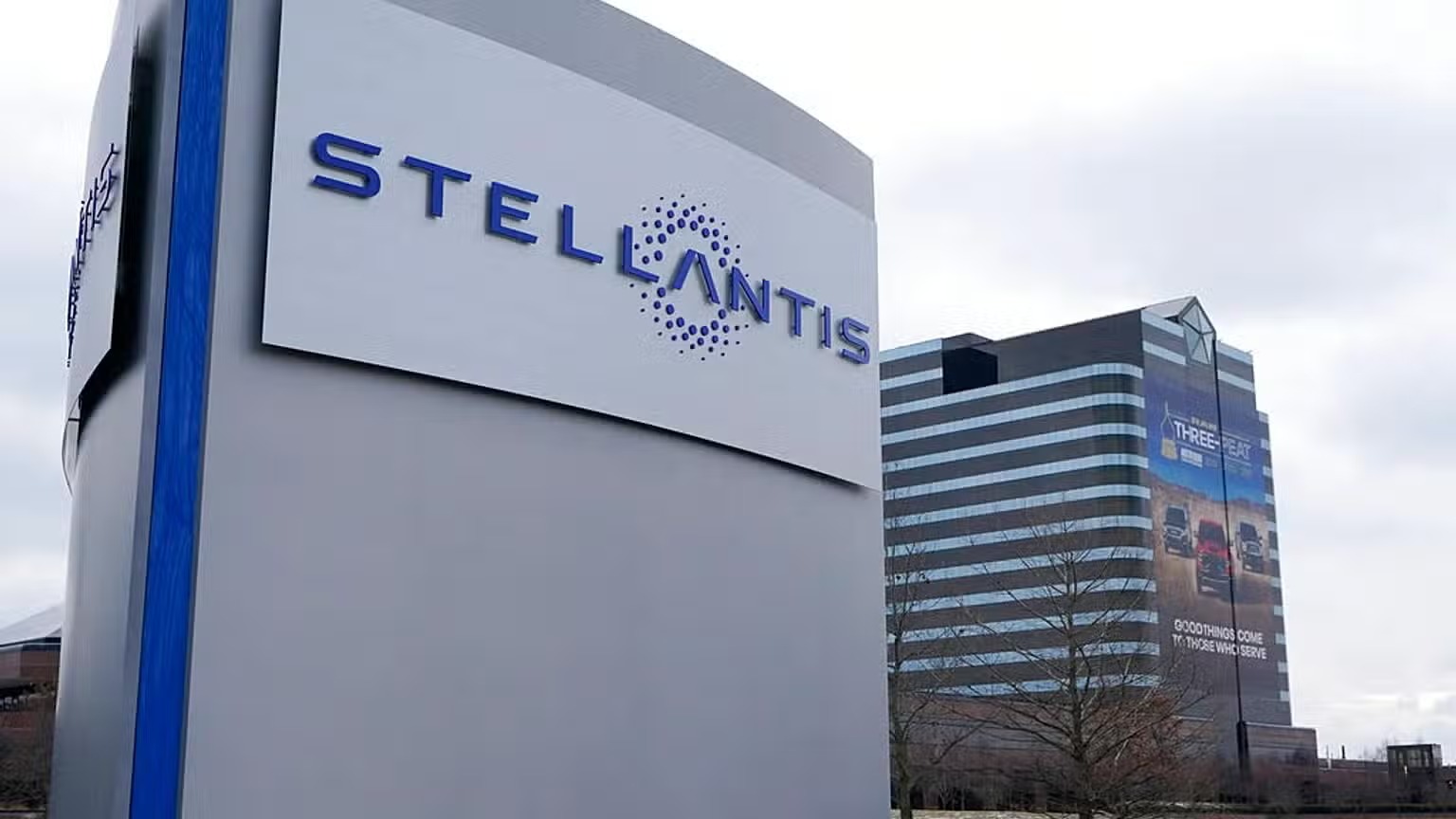
Stellantis is expanding the use of artificial intelligence (AI) across its factories and vehicle development processes. The company targets reducing vehicle development time to about 24 months, while also aiming to save €6 billion annually by 2028 through factory improvements and digital solutions.
AI Systems Improve Factory Efficiency and Quality
At Stellantis’s Sterling plant in Michigan, an AI system developed by ThinkDigits monitors the stamping process. It alerts operators when sheet metal shifts unusually, allowing quick action before damage occurs. This system reportedly generated savings worth nearly four times the initial investment within its first year. Stellantis plans to expand this solution to other production lines.
In Zaragoza, the automaker uses a Zeiss measuring system that verifies the shape of stamped parts and lets engineers update inspection criteria through software when designs change. Meanwhile, in Sochaux, Stellantis applies virtual training for workers using a system by Uptale. Employees practice on a virtual production line before working on the real one. This training method has cut the training period from ten to five days and lowered defects and stoppages caused by human error by about half.
Digital Twins and Predictive Maintenance
Stellantis is also working on predictive maintenance with technologies like SmartFix from ThinkDigits. This system analyzes machine data and recommends maintenance actions before failures occur. With partners Accenture and Nvidia, Stellantis is developing digital twins—virtual replicas of factories—that simulate production-line changes before they are physically made. Additionally, an extended partnership with Palantir through 2031 covers supplier management and component availability.
Goals for Faster Development and AI-Driven Vehicles
Stellantis’s FaSTLAne 2030 plan aims to slash vehicle development time from current programs that can take up to 40 months down to around 24 months. The company says AI-assisted simulations can run up to 300 times faster than traditional methods. They also expect a near 37% boost in software development productivity through automation.
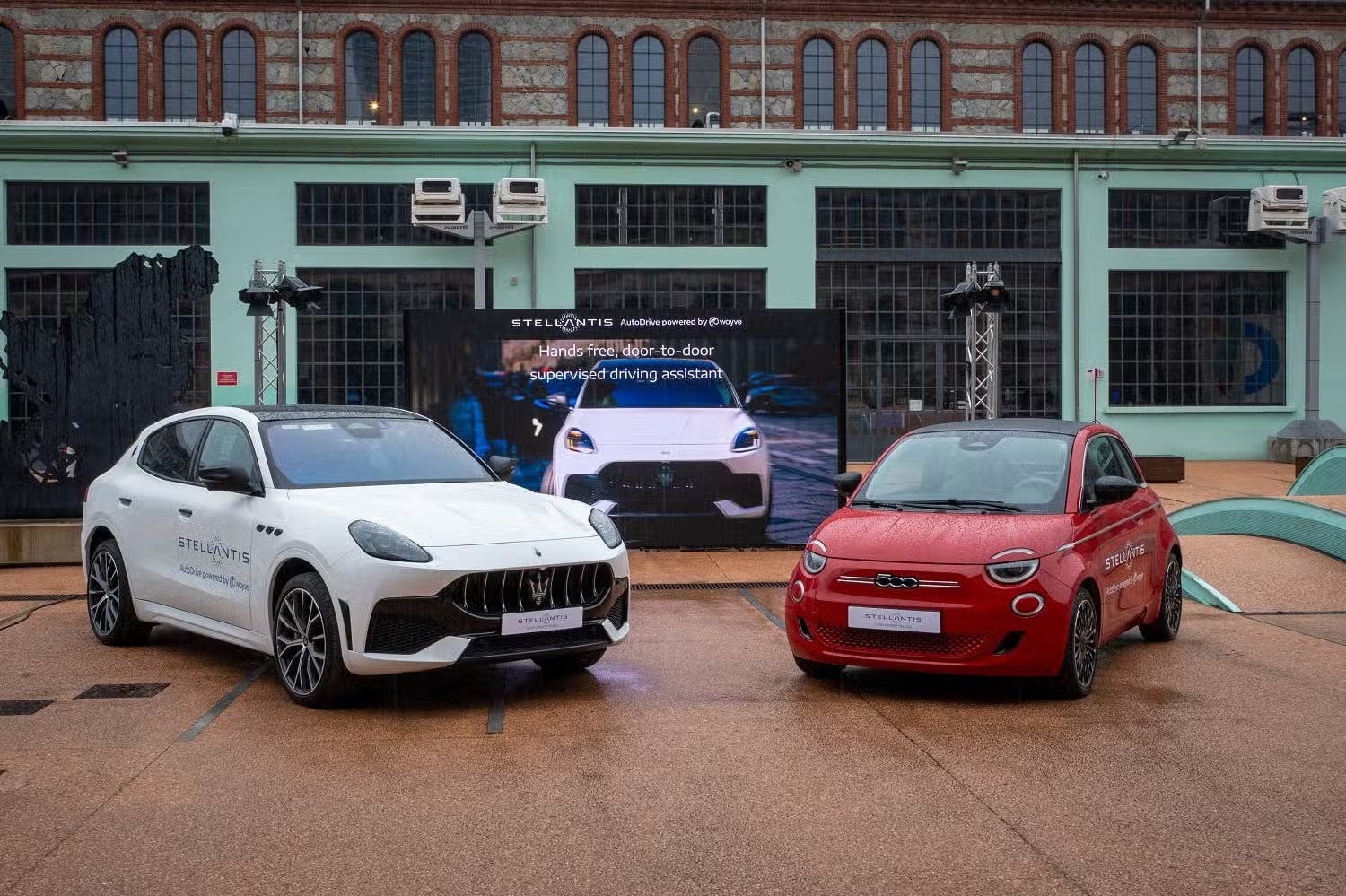
On the product side, Stellantis is introducing AI-driven driver assistance. A demonstration in Turin showed a Fiat 500e and Maserati Grecale equipped with a hands-off driving system that still requires driver supervision. Stellantis plans to launch this system in North America by 2028.
Further AI features, including voice assistants powered by ChatGPT and Mistral AI, will appear in vehicles with the rollout of STLA Brain, SmartCockpit, and AutoDrive technology starting in 2027. By 2030, Stellantis expects these technologies to be installed in at least 35% of the vehicles it produces annually. This share could surpass 70% by 2035.
Summary
By integrating AI in factory operations, maintenance, and vehicle technology, Stellantis aims to speed up development and cut costs substantially in the coming years. The focus on digital tools and smart manufacturing methods marks a significant step toward faster, more efficient vehicle production and smarter cars on the road.
Source: clubalfa.it

Software Developer & Tech Journalist. Creator of Autodatalog.com. Experienced in Python, PHP, PostgreSQL, and Android system modifications. Whether I'm writing Python automation scripts, or exploring the technical specs of Fiat/Alfa Romeo engines, I love reverse-engineering how things work. Based in Istanbul, Turkey.