
Skoda is introducing a new hybrid version of the Octavia that does not require plugging in. This marks the first conventional hybrid in the compact model line, broadening its electrification strategy beyond mild and plug-in hybrids. However, the new hybrid setup reduces its boot space significantly.
New Hybrid Setup Adds Efficiency but Limits Cargo Room
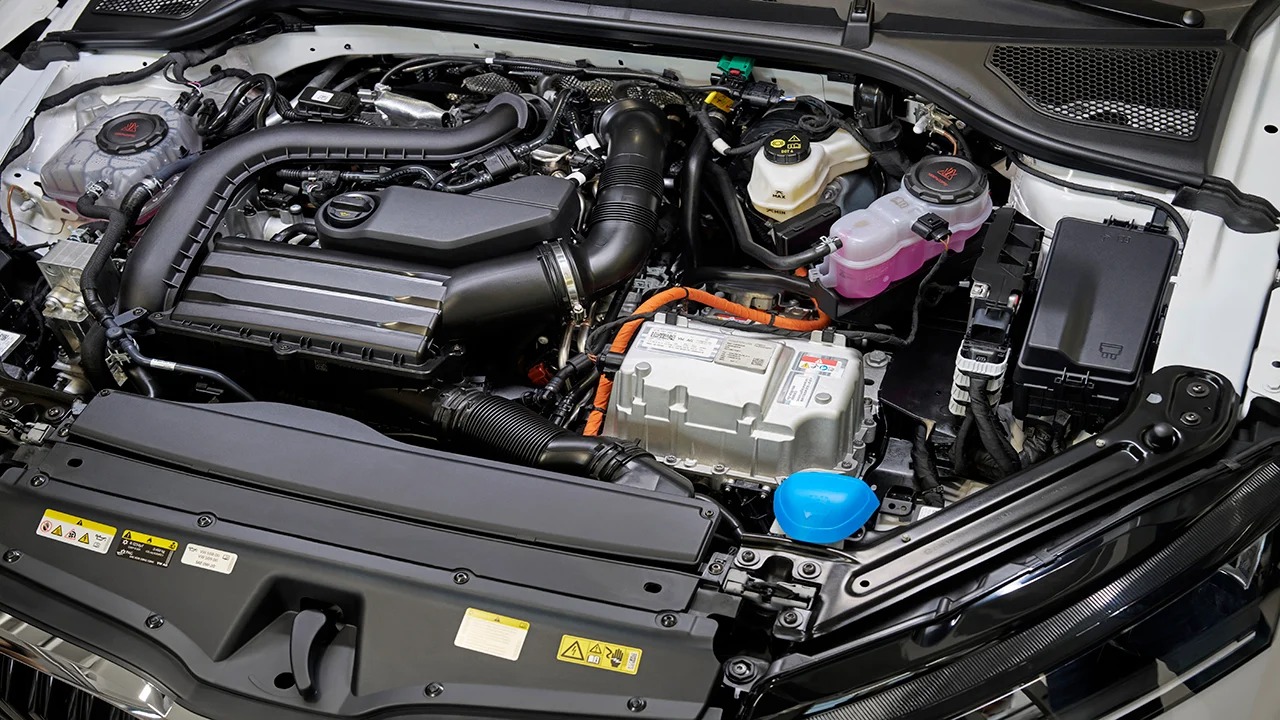
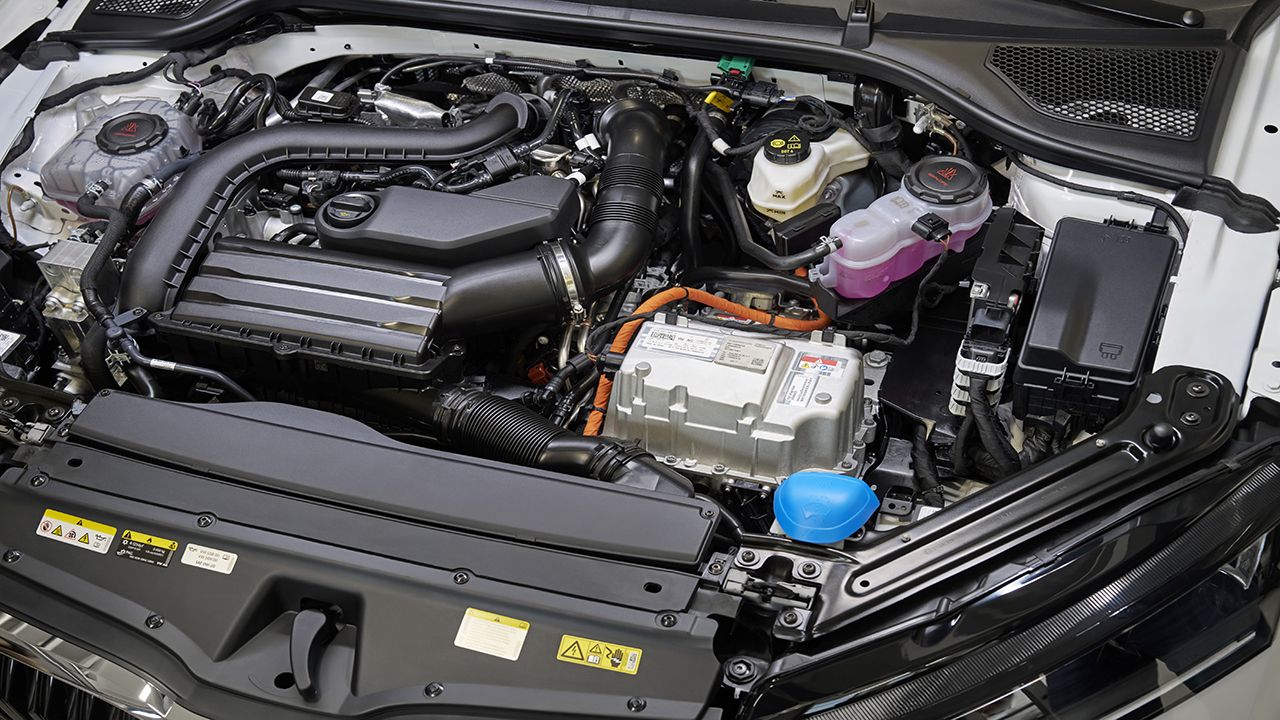
The Octavia Hybrid combines a 1.5-litre TSI petrol engine with two electric motors and a 1.6 kWh battery. This system, already seen on the Volkswagen T-Roc and Golf, charges automatically while driving without external power sources. It will come in power outputs of 136 and 170 horsepower.
Unlike plug-in hybrids, the battery here is small and charges between 40 and 90 per cent during operation. The petrol tank also shrinks from 45 to 40 litres. While the car can run briefly on electric power alone—about two kilometres—the setup mainly supports fuel efficiency during driving.
The trade-off is a loss of up to 155 litres of boot capacity compared to the mild hybrid (MHEV) versions. The sedan’s boot drops from around 600 litres to 460 litres, while the Combi wagon’s space decreases from 640 to 485 litres, limiting its practicality.
How the Hybrid System Works
The system uses two electric motors with distinct roles: a smaller one acts as a starter and generator, while a bigger motor powers the front wheels and recovers energy when braking. The hybrid operates in three modes:
- Electric-only mode for very short distances.
- Series hybrid mode where the petrol engine generates electricity for the electric motor.
- Parallel hybrid mode above 60 km/h, where the petrol engine connects mechanically to the wheels, assisted by the electric motor.
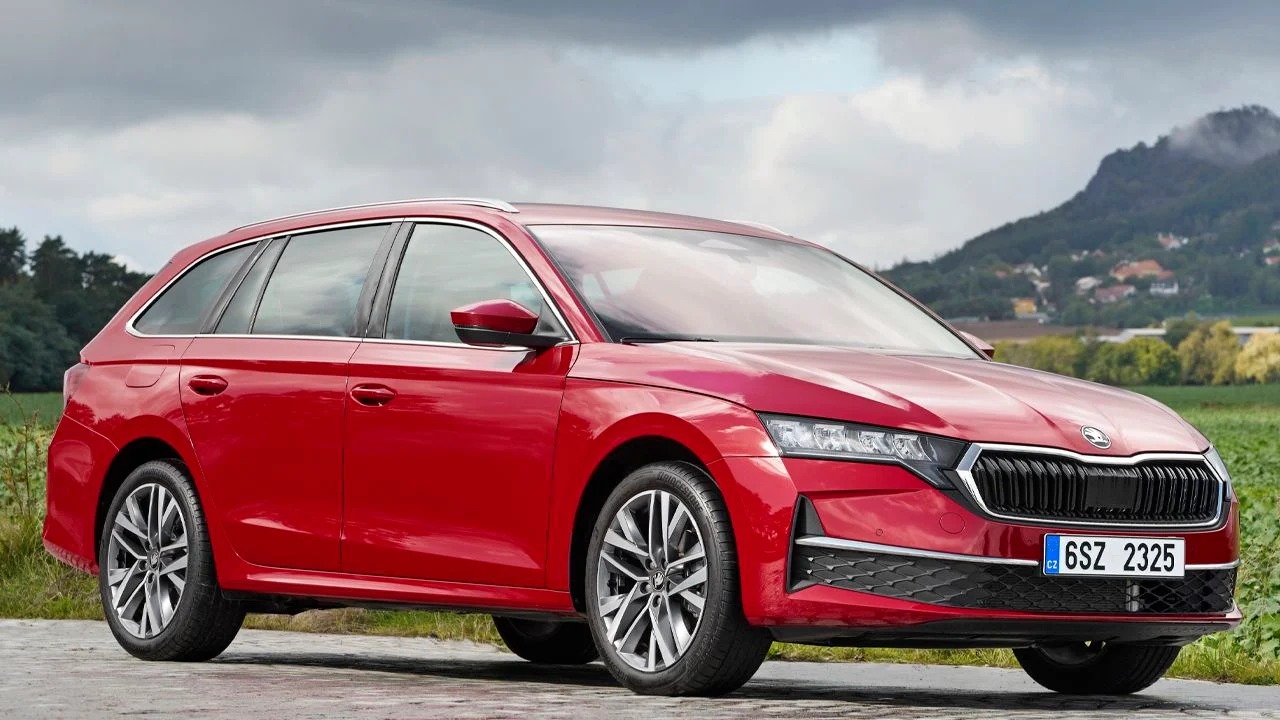
Mode changes happen automatically without driver input. Both sedan and Combi versions will be offered, initially in Selection and Sportline trims, with a top speed capped at 180 km/h.
Updated Features and Launch Plans
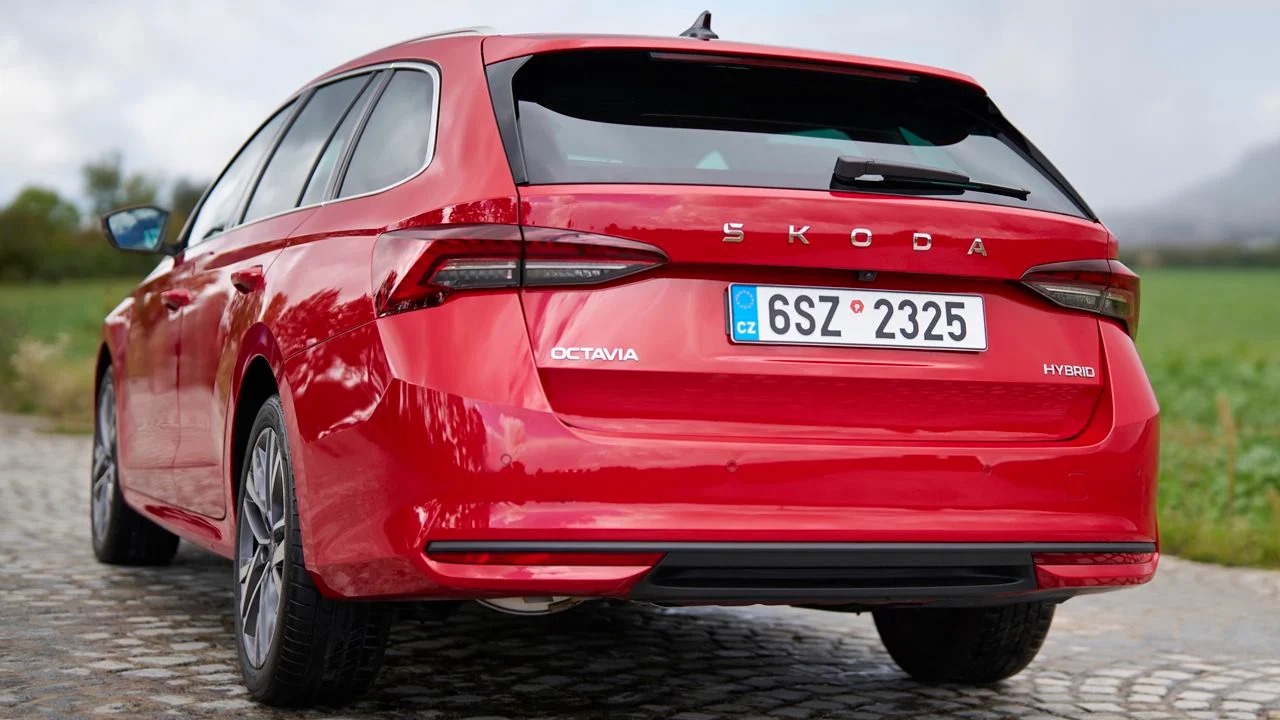
The Octavia Hybrid comes with extra standard features such as a 13-inch infotainment screen, a 10-inch digital instrument cluster, and Hybrid badges on the rear. Its release is expected to coincide with a mild facelift of the model, scheduled for late this year.
Skoda will soon open orders, with deliveries expected to start in December. This hybrid version will be among the first MQB-platform Skoda models to use Volkswagen Group’s new generation of conventional hybrid systems, expanding its range of efficient powertrains ahead of a plug-in hybrid return planned for 2027.
Source: motor.es