
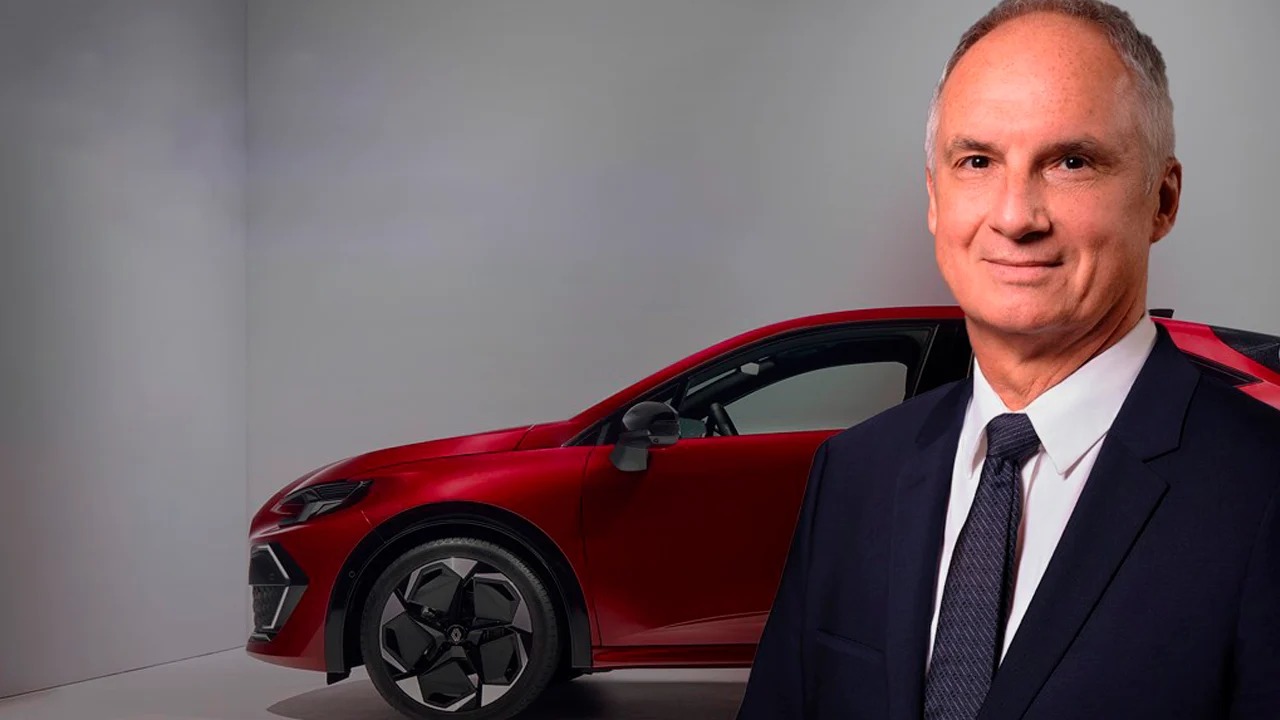
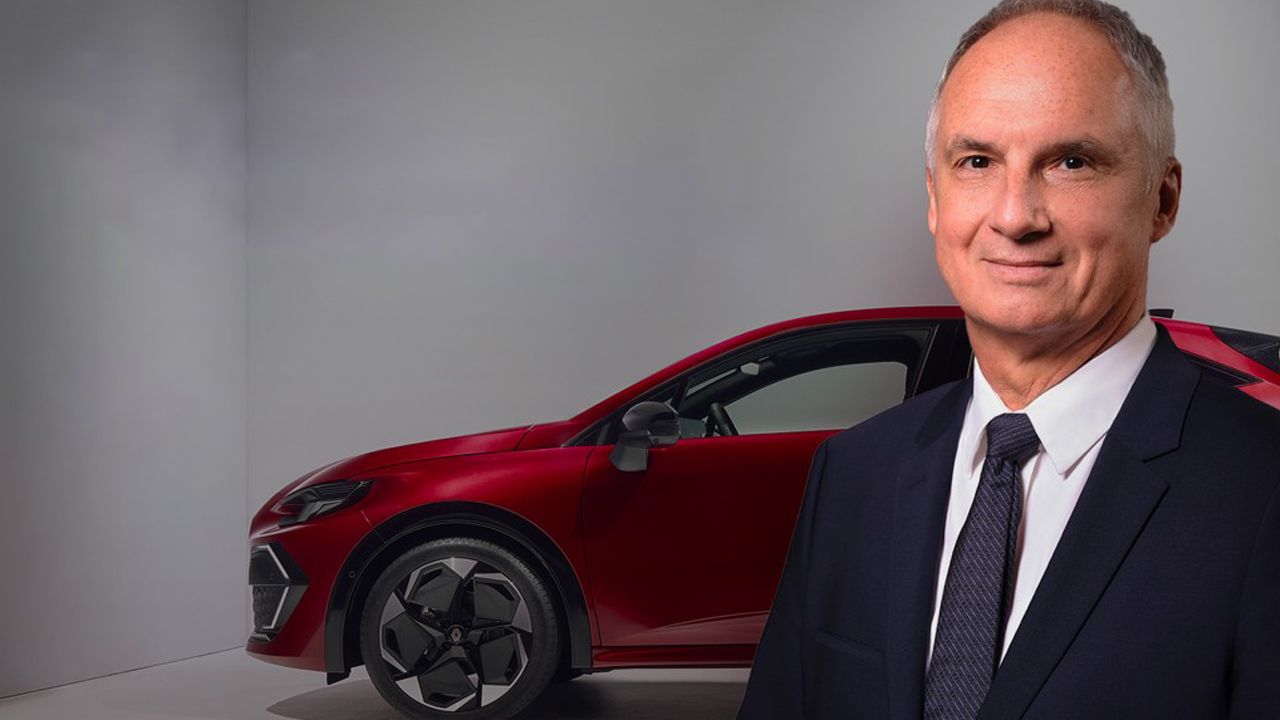
Renault’s CEO Fabrice Cambolive has shared early insights about the seventh-generation Clio, signaling significant changes ahead for the popular compact car. According to Cambolive, the next Clio will drop the retro style approach seen with models like the Renault 5 and might not be a fully electric vehicle when it arrives around the middle of the 2030s.
Goodbye Retro, but Is the Next Clio Fully Electric?
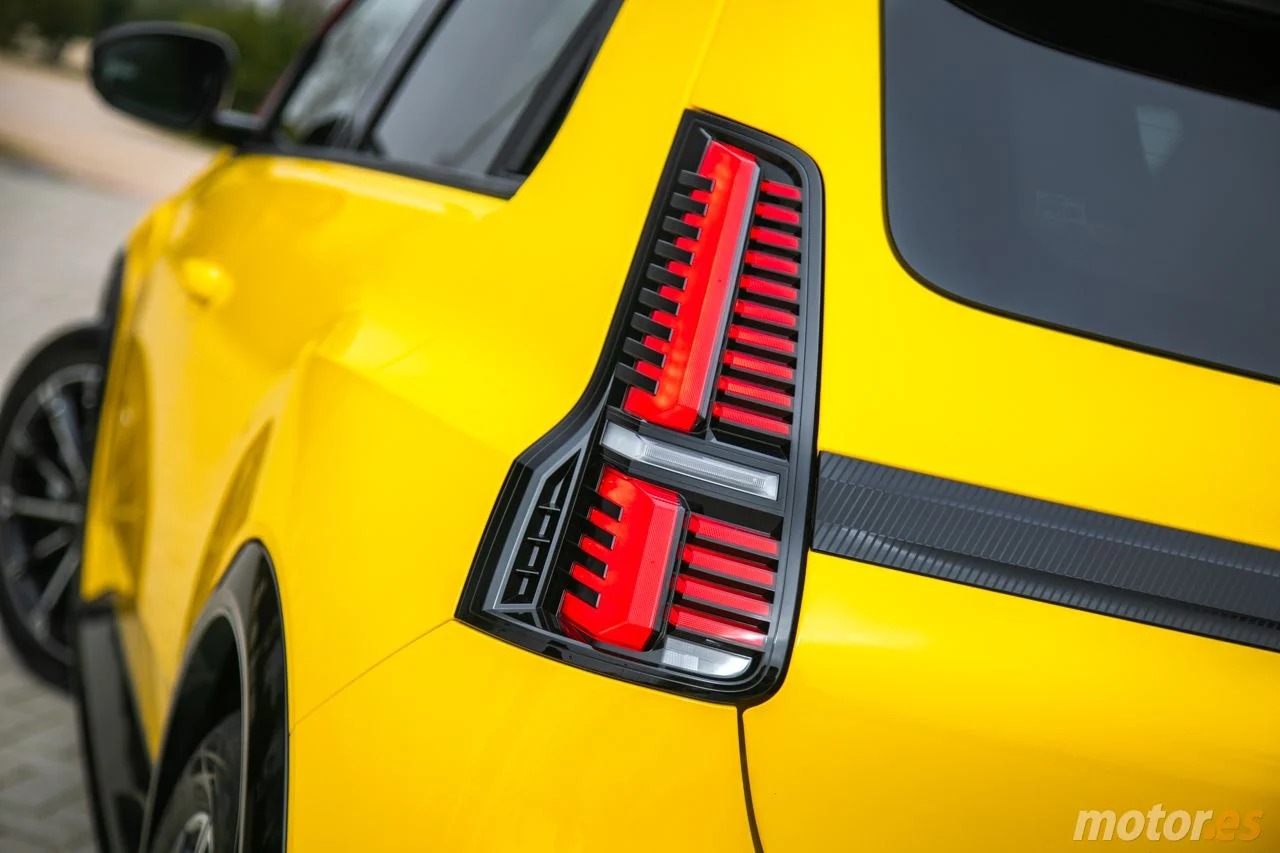
While Renault has leaned heavily on retro-inspired models like the Renault 5, 4, and Twingo to appeal to buyers, the upcoming Clio will take a different route. Cambolive described the Clio as a “saga car,” meaning it’s a long-standing nameplate with history but not considered a cultural icon like the Renault 5. This distinction explains why the Clio won’t follow the full-electric, retro-themed path.
Interestingly, the CEO left open the possibility that the next Clio might not be 100% electric. Renault is developing a new platform that can support both full electric and extended-range electric (EREV) powertrains. By 2030, Renault expects half of its sales to be fully electric, but the future Clio may blend technologies depending on market demands.
Filling a Gap in Europe’s Compact Segment
Cambolive also highlighted a niche Renault wants to fill in Europe with the next Clio: a classic B-segment hatchback that isn’t an SUV or crossover. He pointed to a gap for a hatchback about 4.1 to 4.2 meters in length, with a lower driving position than the popular SUV models. This suggests Renault sees room to compete without pushing the Clio into SUV shape, even though the market is moving heavily towards crossovers.
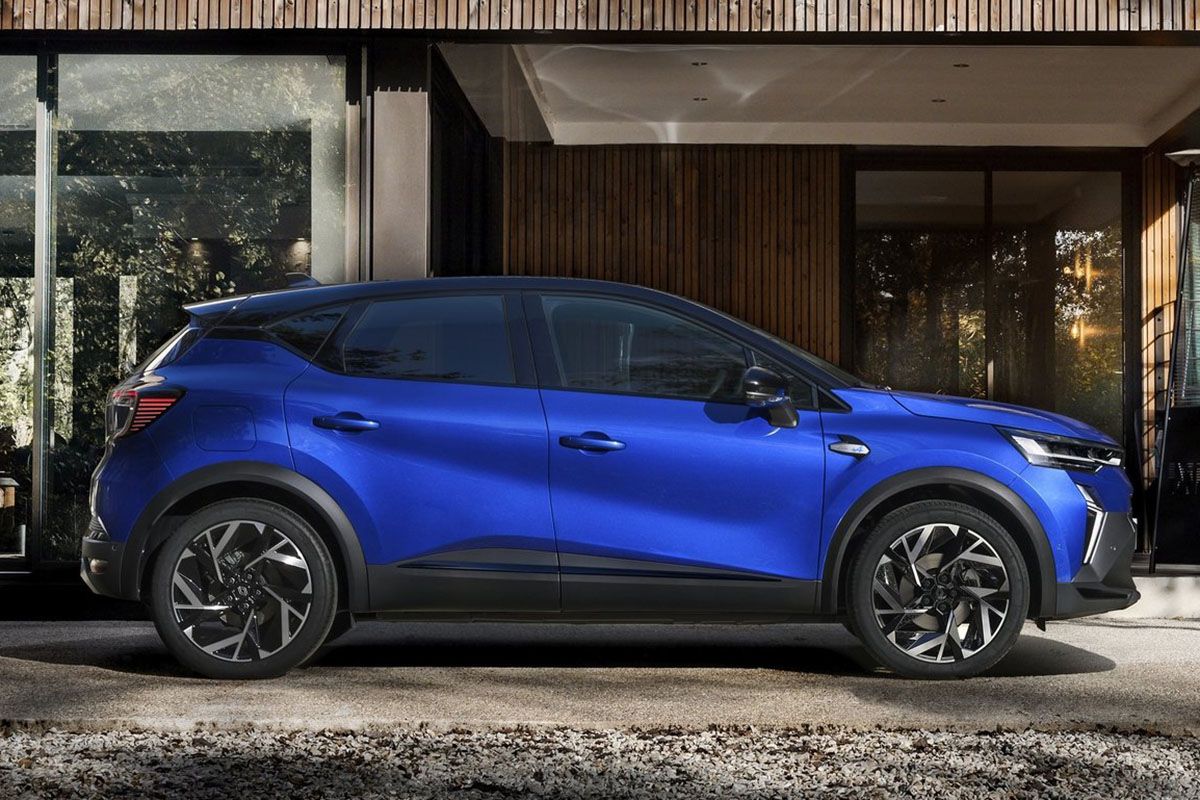
The larger Renault Captur SUV, already over 4.2 meters long, covers the brand’s SUV needs, allowing the Clio to maintain a more traditional compact hatch profile.
Long Wait Ahead for the New Clio
The current Clio has just been refreshed, so the next generation isn’t expected before the mid-2030s. Cambolive admits some key decisions about powertrain and design priorities—like sportiness, practicality, or versatility—are still open and likely won’t be firm until closer to the launch.
Importantly, Renault is shifting focus away from relying on nostalgia and retro styling to drive sales. Cambolive emphasized the need for new, original models that don’t simply depend on the brand’s past success. The new Clio will have to prove its value on current buyer priorities rather than heritage and icon status.
Source: motor.es