
Renault is preparing to launch a new electric car platform called RGEV Medium 2.0 in 2028. This platform promises quick charging in just 10 minutes and a range of up to 750 kilometres on battery power. However, Dacia’s electric models will continue using an older platform and are not expected to adopt this new technology.
What the New Platform Brings
The RGEV Medium 2.0 platform is designed for larger small and mid-size cars, covering segments from bigger B-segment models like the Clio and Captur, up to D-segment sedans, SUVs, and MPVs. This distinguishes it from Renault’s current RGEV Small platform, which supports smaller urban cars such as the Twingo, Renault 5, and electric Dacias.
This new platform will operate at 800 volts, an upgrade from the 400 volts in use today. Thanks to this higher voltage, charging times could drop significantly, with ultrafast charging expected to fill the battery in about 10 minutes. Renault plans to start using this 800-volt system gradually beginning in 2028.
Another notable feature is support for more affordable battery chemistries, including lithium iron phosphate (LFP). Renault says this will help cut battery costs by up to 40%, while still allowing fast charging, even though the batteries will be integrated into the car’s chassis, which usually increases production expenses.
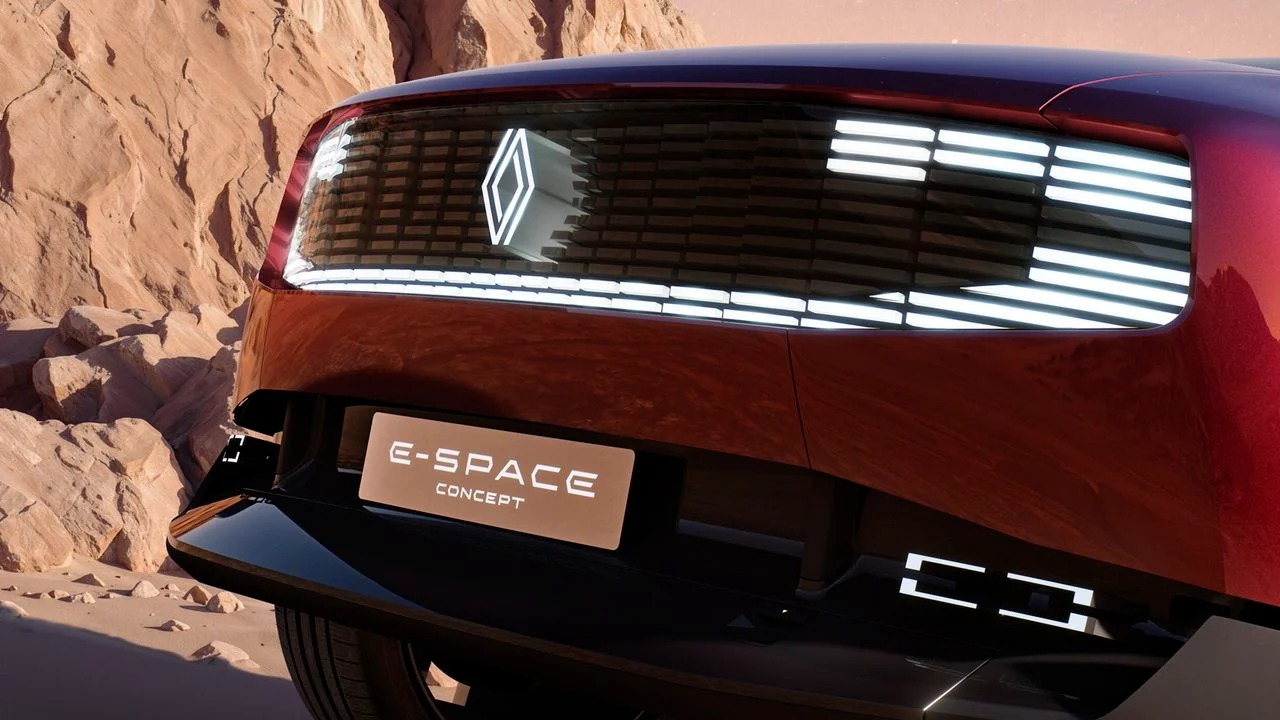
New Motor and Software Technologies
The new platform will come with a redesigned electric motor developed in-house, rated at about 275 hp (approximately 205 kW). According to Renault, this motor avoids the use of rare earth materials and achieves 93% efficiency on highways. It will be available in front-wheel and rear-wheel drive versions and is expected to cost 20% less than the previous generation motor.
On the software side, Renault is introducing a centralized vehicle architecture focused on over-the-air updates. The new system aims to allow 90% of car functions to be updated wirelessly. It will include Renault’s first native car operating system (carOS) built with Google and based on Android. This OS is being developed with future AI-driven vehicles in mind.
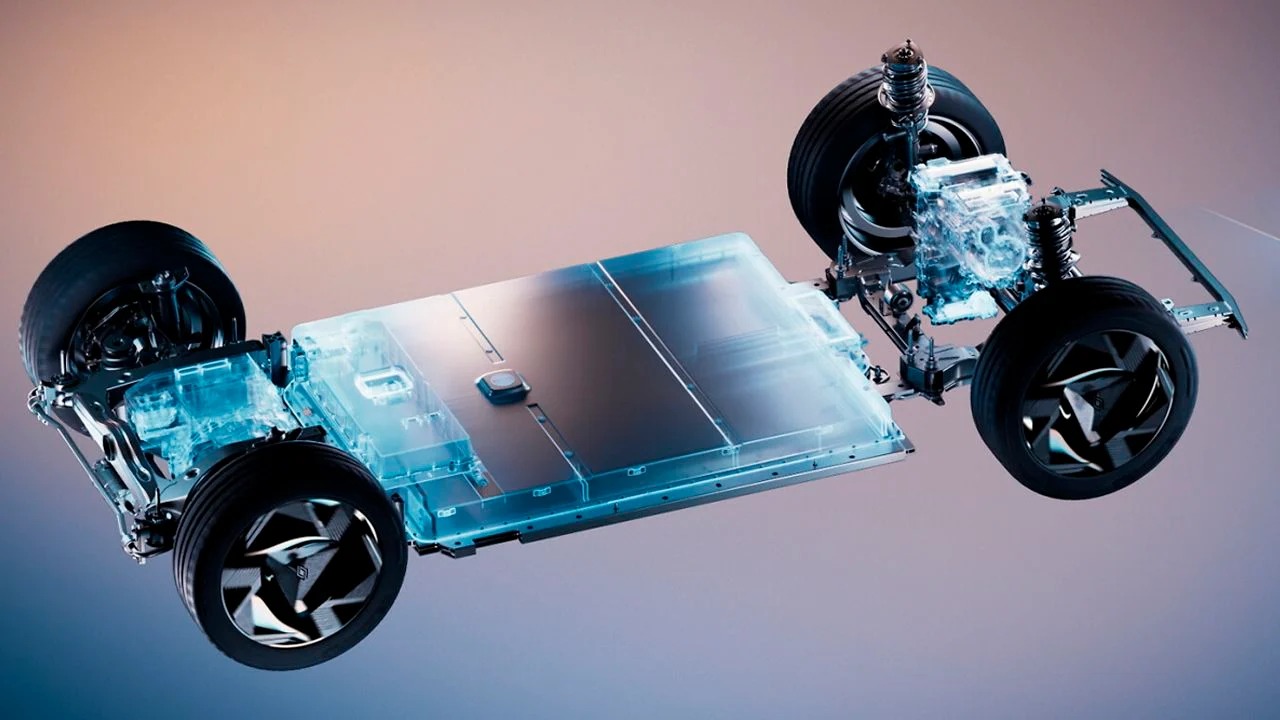
Models to Use the New Platform
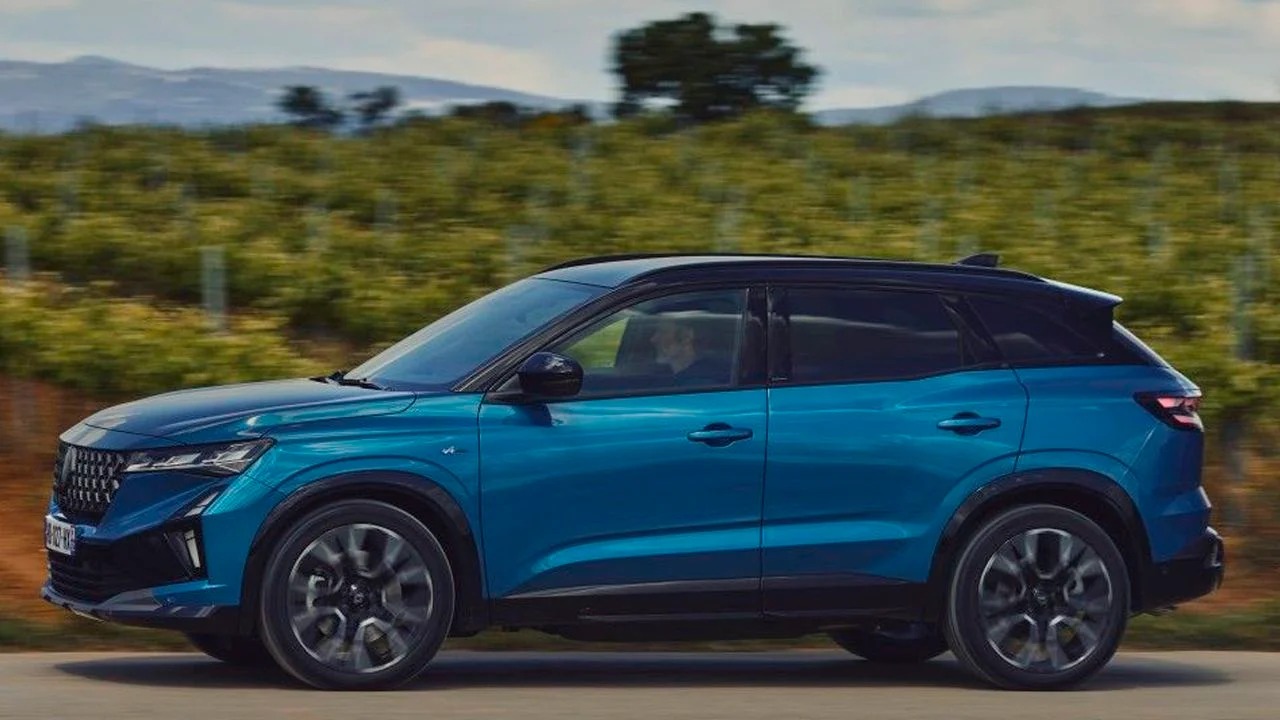
The new platform will be produced at Renault’s Palencia plant starting in 2028. It will underpin the second generation of the Scenic E-Tech, which includes a plug-in hybrid version already tested by Renault. Electric versions of the Austral SUV and the Rafale are also slated to use this platform.
Meanwhile, smaller Renault and Dacia electric cars like the Twingo, the new Renault 5, and Dacia’s EVs will keep using the RGEV Small platform with a 400-volt system.
What Remains Unclear
Renault has yet to reveal detailed specs such as battery capacities, specific pricing, exact performance figures, and confirmed launch dates. It’s also not known which model will debut first with the new platform. More details may emerge through future leaks or official announcements as the 2028 launch approaches.
Source: motor.es