
Peugeot has been promoting its new “Hypersquare” steering wheel as a big innovation for the 2027 208 electric model. This steering is rectangular, has no physical column, and includes four integrated controls. However, recent spy photos reveal that the early test cars also feature a more familiar, flattened steering wheel shape around the Hypersquare unit.
Spy Photos Reveal a Different Interior Setup
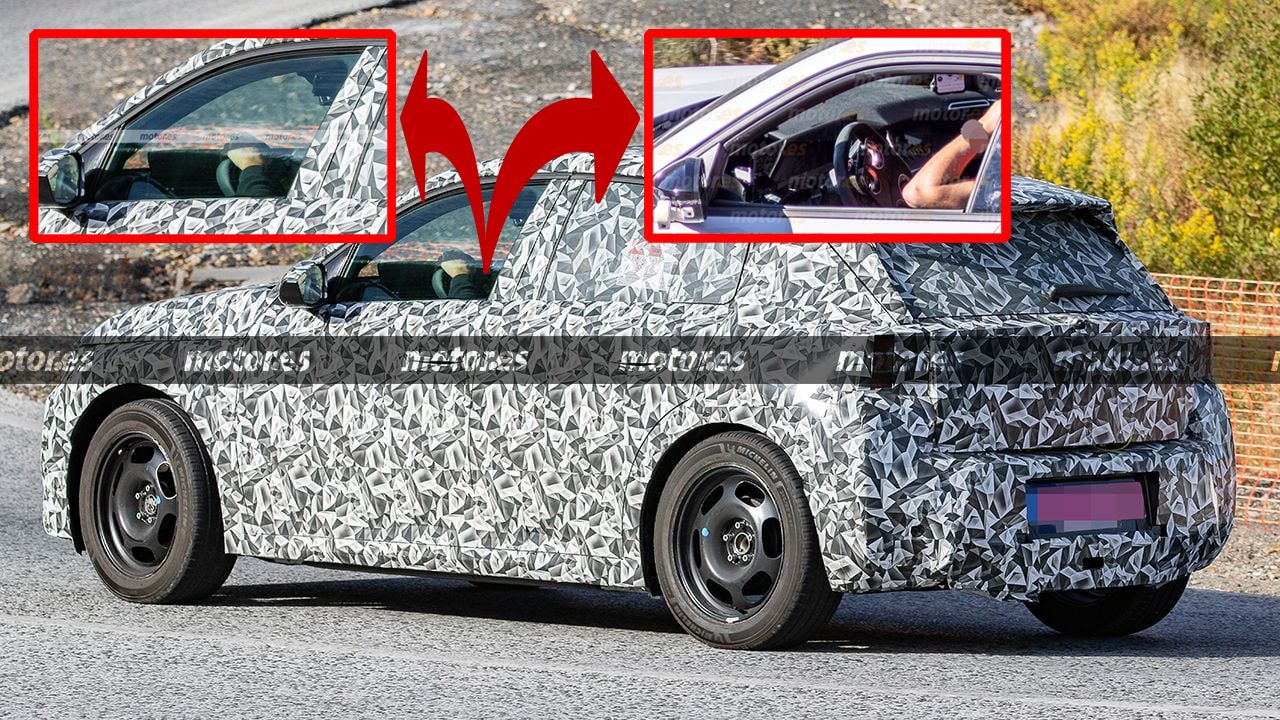
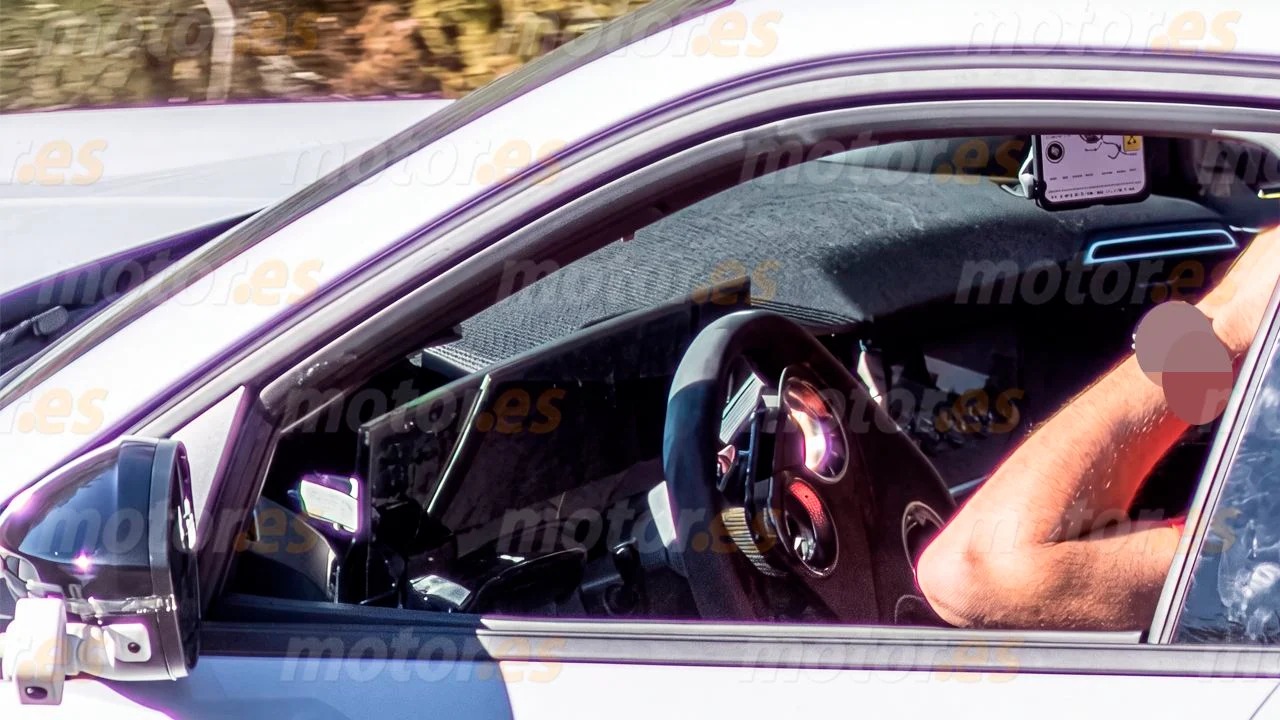
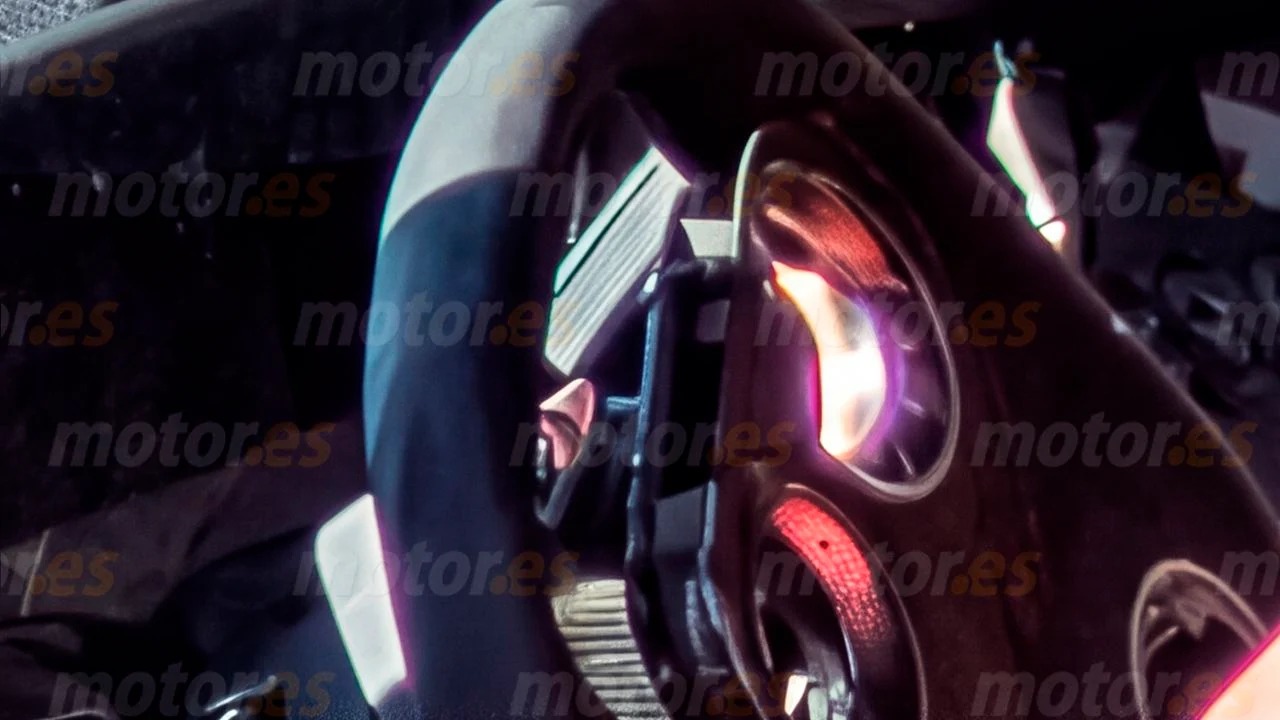
The latest images of a Peugeot 208 test mule show a steering wheel with a thick outer ring and flattened top and bottom sections. Inside this ring sits the Hypersquare’s distinctive circular controls. This setup is less radical than the standalone Hypersquare concept shown previously.
Thanks to photos taken through an open window, details of the 208’s interior are clearer than before. Beyond the wheel, there is a curved screen similar to the Peugeot 3008’s display, along with a secondary screen placed ergonomically for controlling the climate system. Slim air vents also appear on the dashboard edges.
What Is the Hypersquare Steering and Its Status?
First previewed on the Polygon Concept, the Hypersquare steering wheel stands out due to its rectangular shape and lack of a traditional steering column. It works with an electronic “steer-by-wire” system, which replaces mechanical linkages with electric motors and sensors. This setup limits the steering wheel rotation to 170 degrees each way, instead of about three full turns.
Peugeot confirmed that this steering wheel and the electronic steering system would reach production trucks in 2027. Yet, the new spy images suggest the Hypersquare wheel won’t be standard on all 208 versions.
Dual Steering Systems on Test Mules
The current test mule seems to carry two steering wheels: the traditional one seen from outside and the Hypersquare inside. This dual setup suggests the prototype still uses a conventional mechanical steering system, likely for testing and safety purposes before final production.
Peugeot has not made clear whether the electronic steer-by-wire system and Hypersquare wheel will be standard throughout the range. Reports indicate the traditional steering system will remain standard, with the Hypersquare and electronic steering available as an option mainly in higher trims.
What Peugeot Says About These Steering Options
Peugeot suggests it will not offer a Hypersquare steering wheel paired with a mechanical steering column, nor an electronic steer-by-wire system with a traditional wheel. The steer-by-wire system uses two 12-volt electric motors to move the steering rack and does not have a mechanical fallback mode. This makes it reliant on electronics and software for its operation.
Uncertainties About Electronic Steering Experience
Electronic steering systems like Peugeot’s Hypersquare face questions about how well they match driver expectations. At low speeds, the steering wheel’s relation to the wheels is highly sensitive, turning the wheels significantly even with small steering wheel movement. At higher speeds, it behaves more traditionally.
The behavior at medium speeds is crucial, as drivers rely on muscle memory for quick maneuvers. How Peugeot calibrates this will strongly impact driving feel, but this can only be judged once tested in real driving.
Another consideration is cost. While steer-by-wire reduces mechanical parts, it can increase repair complexity and expenses, especially at independent workshops. Peugeot has not commented on potential maintenance costs for the electronic steering system.
For now, traditional steering remains an option for those who prefer it, and the electronic Hypersquare steer-by-wire system may first appear on top-level models.
Source: motor.es