
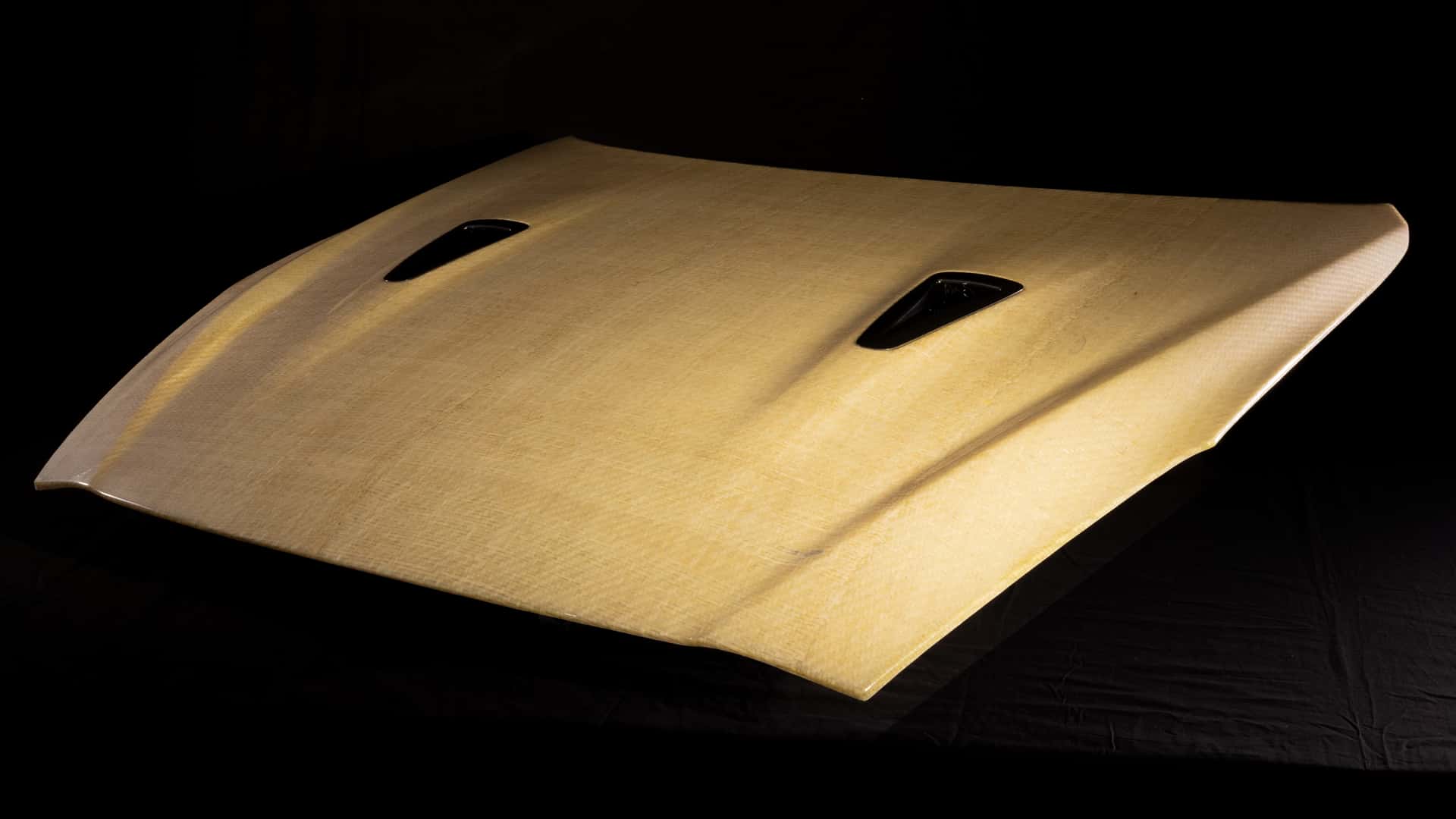
Nissan has unveiled a new automotive body panel made from natural fiber-reinforced plastic using fibers extracted from discarded pineapple leaves. This sustainable material aims to combine high performance with eco-friendly production methods.
Natural Fiber Composites for Demanding Uses
The composite panels were developed in collaboration with Food Reborn Co. Ltd., a Japanese materials company focused on biodegradable products. The panels pair pineapple leaf fibers with resin to form a natural fiber-reinforced plastic, a material type increasingly required in motorsports for modified exterior body parts.
Nissan highlights that this pineapple fiber composite offers higher tensile strength than common natural composites made from flax—materials already used by manufacturers like BMW in motorsport and concept cars. However, Nissan has not released independent data to confirm this comparison.
Turning Agricultural Waste Into Automotive Materials
Food Reborn gathered pineapple leaves discarded by farmers—over 50 million tons globally each year—to create the base fibers. These fibers undergo a process where they are extracted, spun into flat yarn, woven into fabric, and then combined with resin to create reinforcement layers for body panels.
By licensing its technology for producing flat yarn, fabric, and resin-impregnated prepregs to Food Reborn, Nissan supports sustainable manufacturing while tapping into a vast, renewable material source that doesn’t interfere with food production.

Exhibition and Future Outlook
The finished pineapple fiber panel is currently a prototype and will be shown publicly at the SAMPE Japan Advanced Materials Technology Exhibition 2026 in Tokyo from November 18 to 20. Nissan and Food Reborn will demonstrate the material at the event but have not confirmed if this technology will be used in production vehicles.
Currently, no lifecycle assessments or specific carbon footprint data have been published for this composite. However, the development aligns with Nissan’s Green Program 2030, which focuses on innovation and sustainability to create more environmentally responsible cars.
As the partnership matures, it could open new possibilities for using natural fibers in automotive manufacturing, especially in areas needing strong yet sustainable materials such as motorsports.
Source: motor1.com

Software Developer & Tech Journalist. Creator of Autodatalog.com. Experienced in Python, PHP, PostgreSQL, and Android system modifications. Whether I'm writing Python automation scripts, or exploring the technical specs of Fiat/Alfa Romeo engines, I love reverse-engineering how things work. Based in Istanbul, Turkey.