
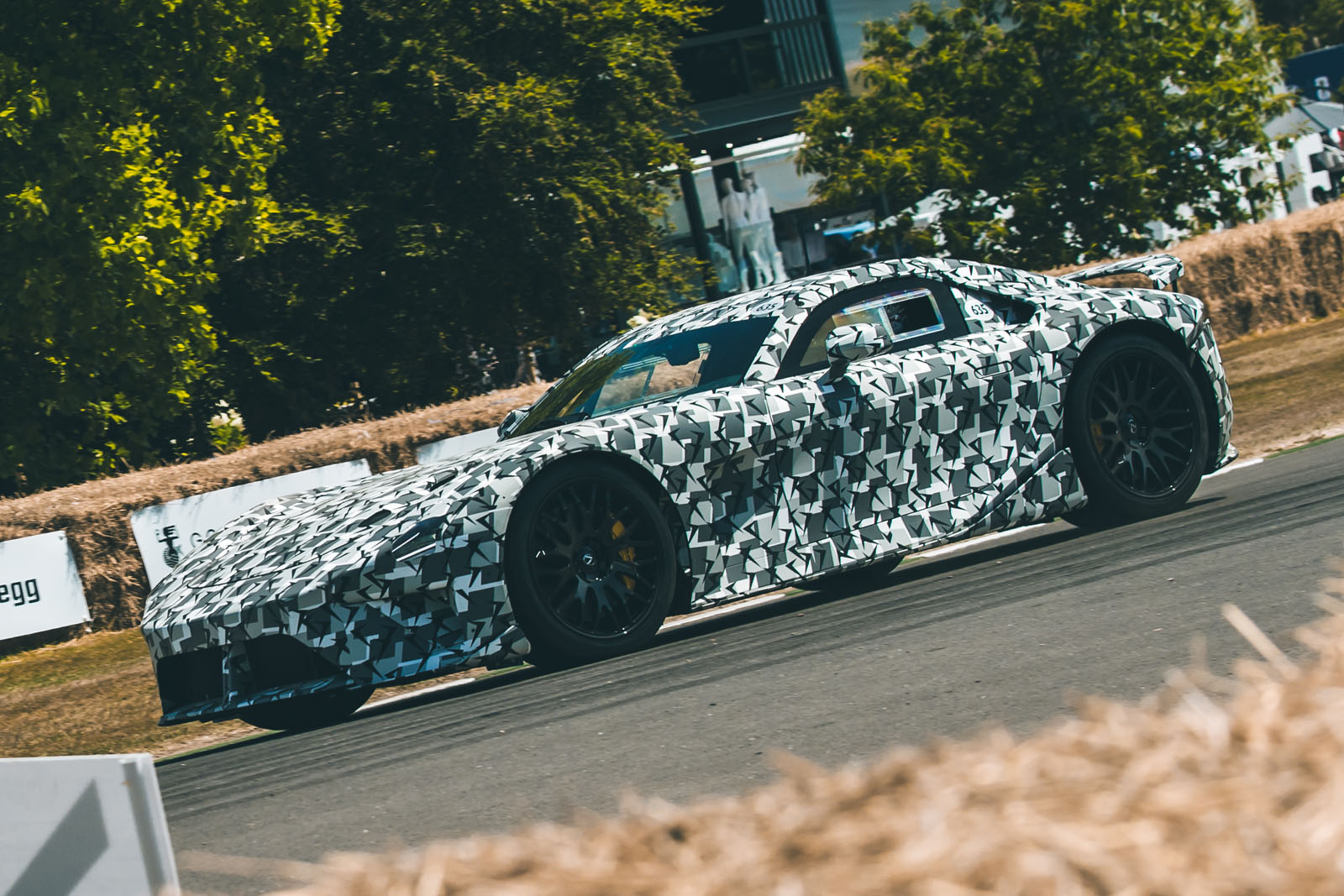
Lexus is working on an all-electric version of the LFA hypercar, aiming to deliver a driving experience close to its iconic V10 predecessor. The new LFA prototype, shown at the Goodwood Festival of Speed, could mark Lexus’ first use of solid-state batteries and promises a distinctive approach to EV performance and sound.
Design and Technical Approach
The new electric LFA shares its lightweight aluminium platform with Toyota’s GR GT supercar but looks more refined and less aggressive. Lexus’ concept designer Shogo Kasamatsu explains that the design focuses on simplicity and function rather than flashy styling, paying homage to the original LFA’s subtle and artistic form.
Innovations in Battery Technology
According to reports, the new LFA might be the first Lexus production model to use solid-state batteries. These batteries have higher energy density compared to current lithium-ion packs, which could improve driving range and performance. Details about powertrain specifications are still under wraps.
Redefining EV Sound and Feel
Lexus engineers want to create a genuine driving experience without imitating a petrol engine’s noise. Yukihiro Yukita, general manager of the LFA program, said replicating the V10’s howling sound is not the goal. Instead, Lexus aims to “redesign” the sound and vibrations to engage the driver’s senses in a new way, avoiding artificial engine noise often used by other EV makers.
- Focus on true driving feedback rather than artificial sounds
- Leveraging electric motor responsiveness for a unique feel
- Eliminating unnecessary noise and vibrations for clarity
Challenges and Outlook
Lexus faces challenges convincing traditional supercar fans to switch to high-priced electric models. However, the brand aims to lead in making electric performance exciting. The new LFA is “almost finished,” with a launch expected next year. Final specifications and pricing are not yet confirmed.
Why It Matters
The new Lexus LFA could change perceptions about electric hypercars by focusing on authentic driving sensations rather than sound simulations. If successful, it will push boundaries for EV performance and design, appealing to enthusiasts hesitant about switching from internal combustion engines.
Source: autocar.co.uk