
Hydrotreated vegetable oil (HVO100) is emerging as a practical renewable fuel that could help extend the life of diesel engines in Europe. Unlike traditional fossil diesel, HVO100 is made from organic waste materials processed into hydrocarbons similar to fossil fuels. This drop-in fuel is starting to be embraced by some carmakers and drivers as a way to lower emissions without switching to electric vehicles.
Growing Interest in HVO100 as a Diesel Substitute
In Germany, new diesel BMWs are reportedly sold with tanks filled entirely with HVO100 rather than regular diesel. This move highlights the growing availability and acceptance of the fuel in European markets. Since HVO100 can directly replace diesel, it does not require engine modifications or new vehicle technology, making it an attractive option for reducing carbon emissions in existing diesel cars.
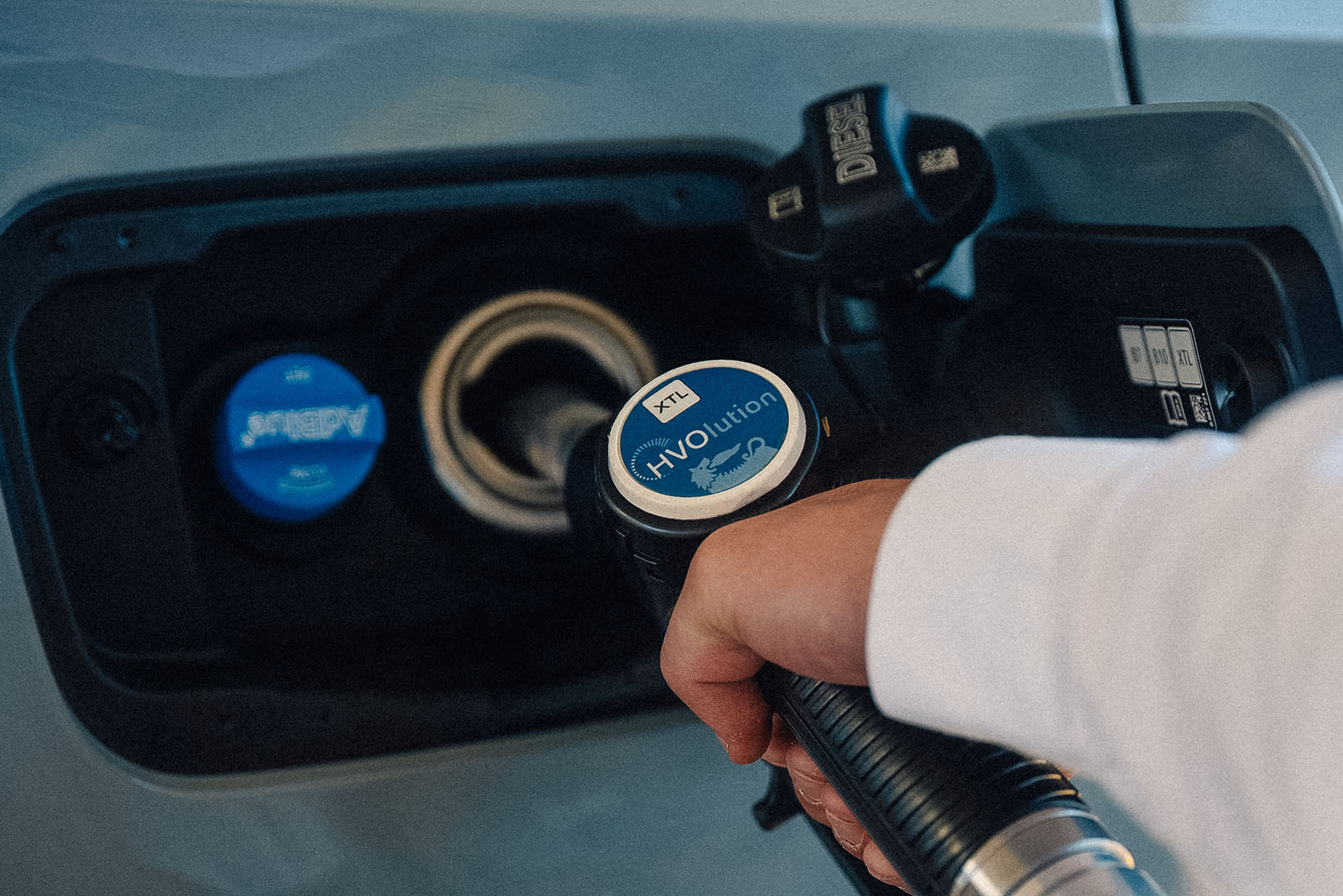
What is HVO and How Does It Work?
HVO stands for hydrotreated vegetable oil. It is produced by treating various types of organic waste, such as used cooking oils or other biomass, with hydrogen to create high-quality diesel-like hydrocarbons. These biofuels are chemically similar to fossil diesel, allowing them to work seamlessly in current diesel engines and fuel infrastructure.
Because HVO100 comes from renewable sources, its use can significantly reduce net carbon emissions compared to conventional diesel. Unlike some biofuels made from food crops, HVO100 uses waste material, which means it doesn’t compete with food supply chains.
Challenges and Industry Debate
Despite its benefits, the rise of HVO100 is not without controversy. Some critics argue that producing renewable fuels from organic waste might still divert resources that could be better used elsewhere. EU lawmakers face decisions on how to classify and regulate HVO and similar fuels within Europe’s green policies. The long-term role of biofuels like HVO100 depends heavily on these regulatory choices.
For now, however, HVO100 represents one of the few near-term options for significantly lowering emissions from the millions of diesel vehicles already on European roads. It offers a way to reduce pollution without the need for new electric infrastructure or rapid turnover to electric models.
What’s Next for Diesel and Renewable Fuels?
The increased use of HVO100 reflects Europe’s ongoing search for ways to lower transport emissions while balancing practical realities. While electric vehicles remain a key part of future plans, fuels such as HVO100 may provide an important bridge by cutting emissions in existing combustion engines today. More clarity from EU regulators on the sustainability and usage of these fuels is expected to shape their adoption in the coming years.
As renewable diesel options grow, some premium automakers like BMW are adopting these fuels for new diesel models in certain markets. The trend could signal wider acceptance if regulatory support and fuel availability improve.
Source: Autocar
Via: Autocar Website
Source: autocar.co.uk