
The German automobile club ADAC has discovered a safety issue affecting the automatic emergency braking (AEB) systems of several modern cars. Their tests reveal that certain types of reflective clothing worn by pedestrians can confuse these driver assistance systems, potentially preventing them from detecting people properly at night.
Reflective Clothing Can Hinder Pedestrian Detection
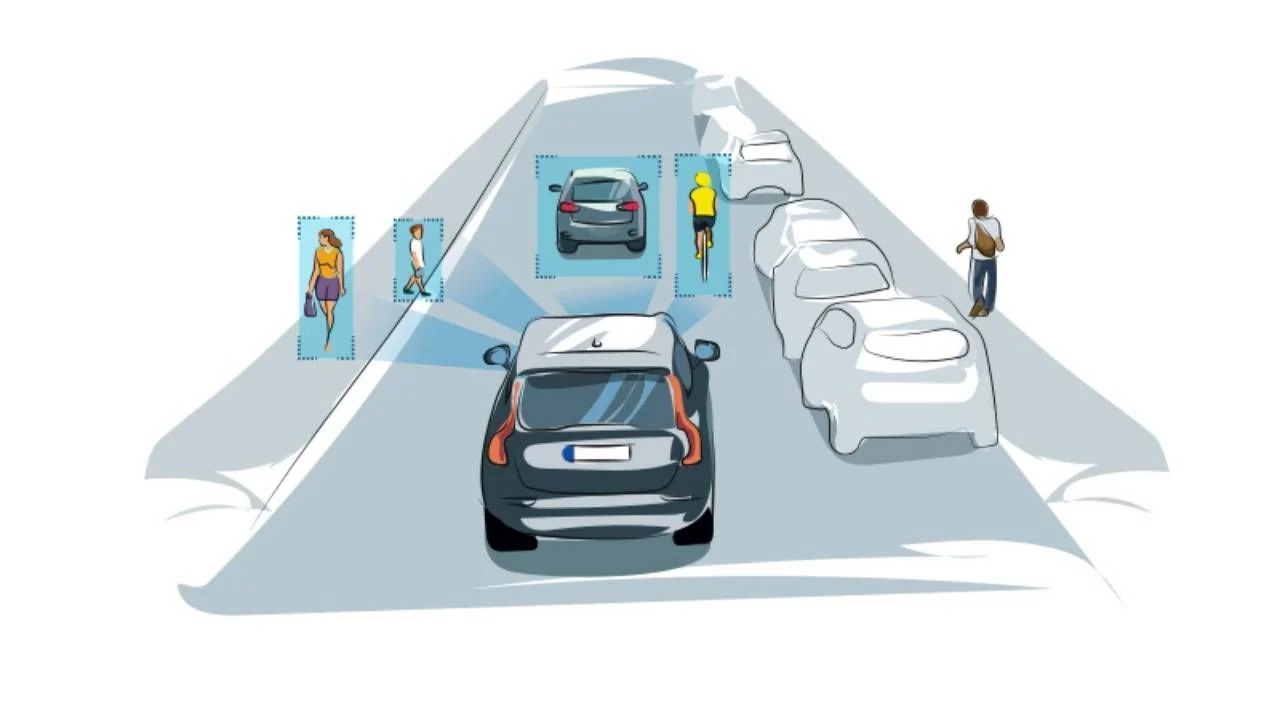
Modern vehicles often come equipped with advanced driver assistance systems (ADAS) like AEB, which use cameras and radar to spot pedestrians and apply the brakes if a collision is likely. These systems are designed to work in low-light conditions and are crucial for pedestrian safety.
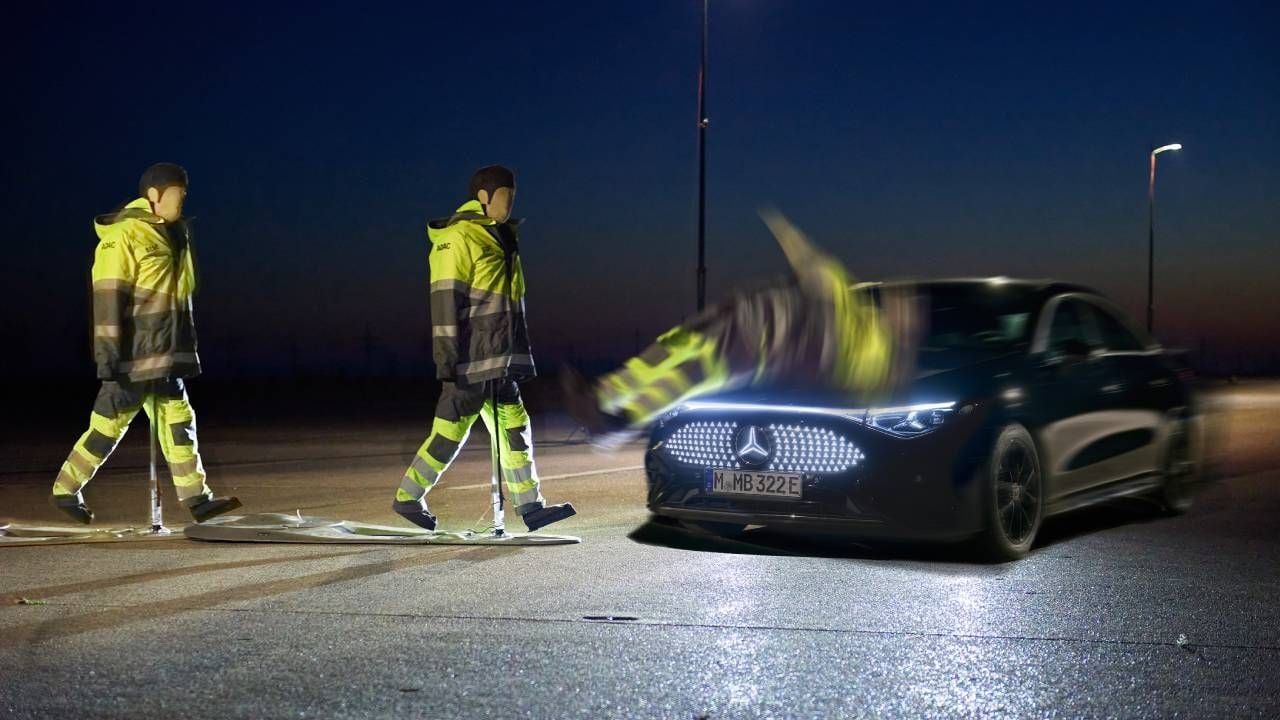
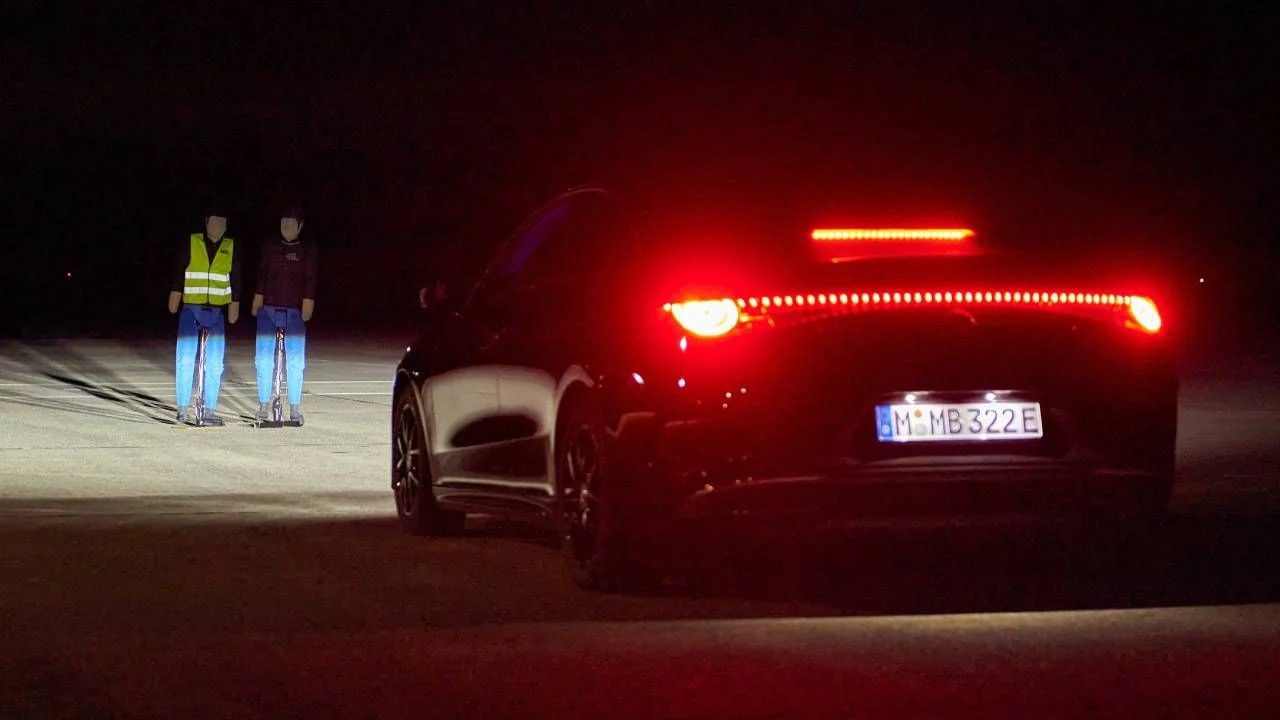
However, ADAC found that some AEB systems struggled to recognize mannequins dressed in high-visibility work clothing, such as the gear worn by emergency responders, road maintenance crews, and construction workers. Even a mannequin of a child wearing reflective clothes and carrying a school backpack was sometimes missed. In contrast, mannequins dressed in normal clothes or wearing a standard reflective safety vest were detected without issues.
Five Brands Fail to Detect Reflective Workwear
The ADAC tested six vehicles: Tesla Model Y, BYD Seal, Hyundai Tucson, Dacia Duster, Opel Astra, and Mercedes CLA. Among these, only the Mercedes CLA consistently detected pedestrians wearing reflective workwear. The other five vehicles failed in this scenario.
The club suggests the problem is mainly software-related. The AEB systems apparently have difficulty classifying users of the road correctly when certain reflective patterns are present, implying that updates to the detection software could fix the issue.
Safety Implications and Advice for Drivers and Pedestrians
While the ADAC sees these driver assistance features as helpful safety aids, they remind drivers that the technology is not perfect and does not replace attentive driving. Drivers should always stay alert and not rely solely on the car’s assistance systems.
For pedestrians, ADAC emphasizes that wearing high-visibility clothing remains very important, especially in darker months. Although some modern AEB systems may struggle with certain reflective outfits, the overall benefit of being clearly visible far outweighs the risk posed by these detection challenges.
How Automatic Emergency Braking Systems Work
AEB systems use cameras and radar sensors combined with artificial intelligence algorithms to detect obstacles like pedestrians. The software classifies objects it sees and, if it judges there is a risk of collision, it can apply the brakes automatically.
The issue with reflective workwear might be due to the reflective strips creating visual patterns that interfere with the software’s ability to recognize the shape of a person. Common reflective vests tend to have bands mainly on the torso, which may be easier for the system to recognize. In contrast, reflective gear for workers or children’s backpacks may have strips on legs or other areas, potentially confusing the system.
ADAC calls for manufacturers to address this gap to improve pedestrian safety under all conditions through software updates.
Source: ADAC
Via: Auto Motor und Sport
Source: motor.es