
Europe is moving toward banning the current refrigerant gas used in vehicle air conditioning, known as R1234yf. While this gas reduces climate impact compared to its predecessor, it breaks down into a persistent chemical that builds up in the environment. Industry experts are considering two main replacements: carbon dioxide (CO2) and propane. However, both options present their own technical and safety challenges.
Why Europe Wants to Ban R1234yf
Until a few years ago, most cars used R134a as the air conditioning refrigerant. Despite its good cooling ability, R134a contributes heavily to global warming if leaked. Since 2011, European law requires new cars to use R1234yf, which has a much lower global warming potential.
However, R1234yf breaks down into trifluoroacetic acid (TFA) once released into the air. TFA is a type of so-called “forever chemical” because it does not easily decompose and accumulates in water and soil. These chemicals belong to a family called PFAS, known for their extreme durability and presence in various products, including automotive parts.
Some European countries, including Germany, Denmark, and the Netherlands, have proposed a broad ban on PFAS, which would affect R1234yf. While there’s evidence TFA accumulates, its full impact on health is still uncertain. This has delayed a final decision on banning the refrigerant.
Considering CO2 and Propane as Alternatives
The automotive industry is focusing on two main alternatives:
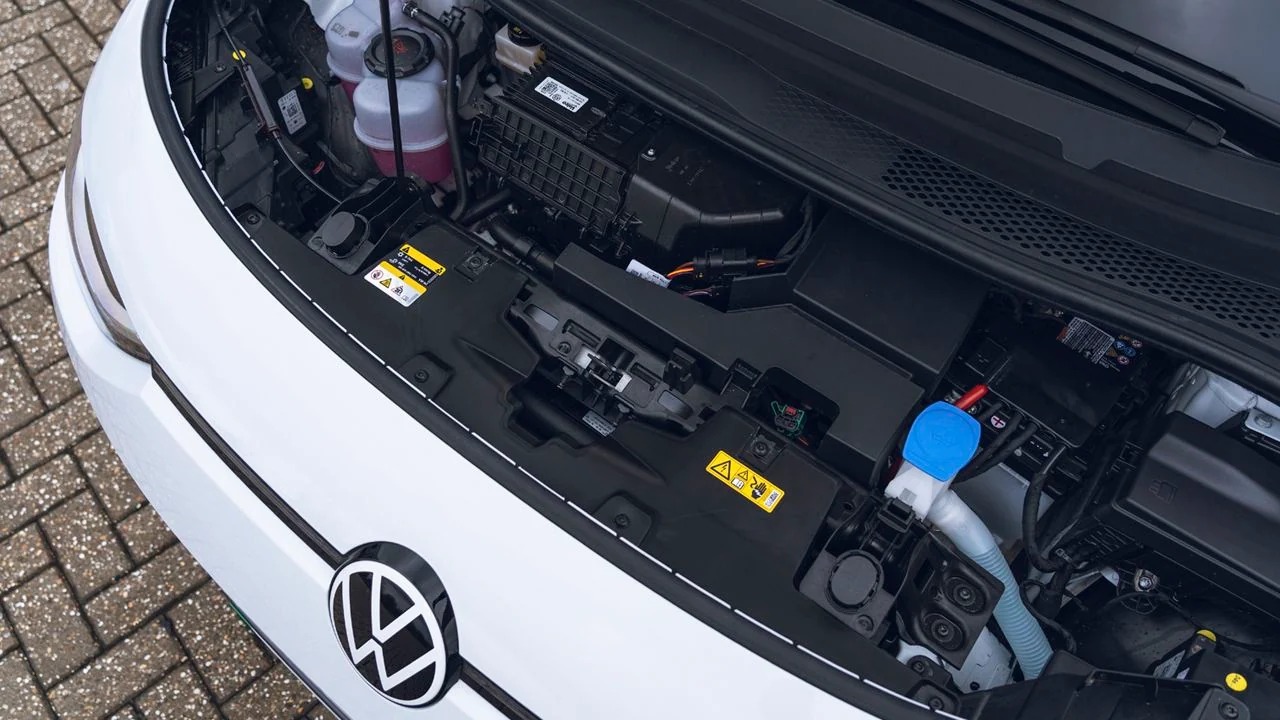
- CO2 (R744): Already in use in nearly a million electric vehicles like the Volkswagen ID.3, ID.4, and Škoda Enyaq, CO2 systems work well with heat pumps and are non-toxic and non-flammable. However, they operate at very high pressures—up to 12 times higher than R1234yf—which raises questions about safety and design, especially in hotter climates. Mercedes recently stopped offering CO2 refrigerants in combustion engine models, citing issues with gas settling inside the engine.
- Propane (R290): This gas operates at similar pressures to R1234yf and is efficient but highly flammable. Using propane near passengers means that the cooling system needs a complete redesign to meet safety standards. This shifts complexity from the gas itself to the air conditioning system’s components and what manufacturers consider acceptable risk.
Because of these challenges, no direct replacement for R1234yf currently exists. Both options require extensive redesign and testing before wider adoption.

What to Expect in the Coming Years
Industry voices suggest a slow transition over more than a decade, similar to how long it took to switch from R134a to R1234yf. Electric vehicles with heat pumps may lead the way in adopting CO2, while propane technology continues to develop. Meanwhile, R1234yf will likely remain common in most new cars for several years.
This gradual phase-out also creates extra work for car repair shops. They will have to handle three different types of refrigerants and manage various servicing equipment for the foreseeable future.
European regulators are watching the situation closely. An April 2024 study by the EU’s Industry, Research and Energy committee highlighted that replacing R1234yf is not fully feasible yet. A step-by-step approach, balancing environmental goals and technical readiness, appears to be the path forward.

Source: El Confidencial
Via: AutoMotor.es
Source: motor.es