
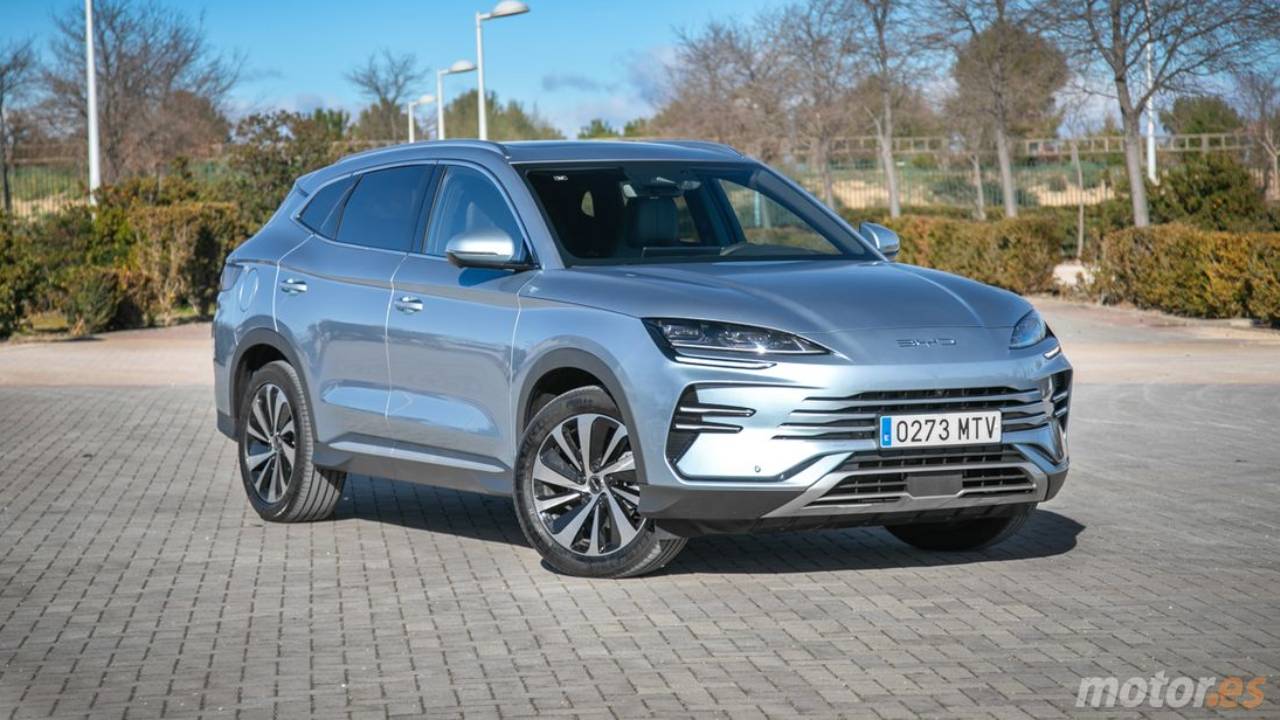
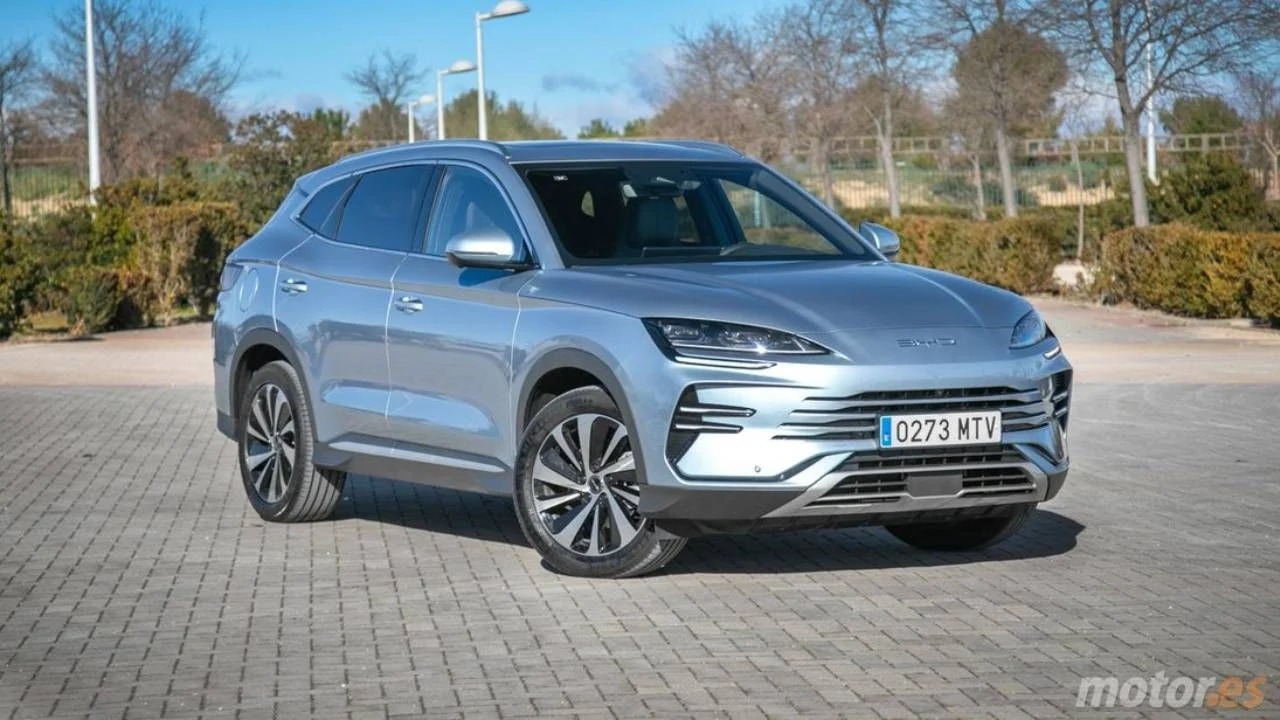
The European Union has reached a deal with China to restrict the number of hybrid and plug-in hybrid vehicles imported from the country. This move aims to cut the market share of these vehicles from Chinese brands by half starting next year.
Cap on Chinese Hybrid Imports Set at 350,000 Units Per Year
After long trade negotiations and rising tensions, the EU agreed to limit imports of Chinese hybrids to 350,000 vehicles annually. This cap covers both traditional hybrids and plug-in hybrids and is expected to take effect in December under a provisional safeguard measure.
According to EU estimates, imports of hybrids from China could reach 800,000 units by 2026. With the new cap, Chinese automakers’ share of the European hybrid market is forecast to drop from around 12% to about 6% starting in 2027.
The agreement is set for four years, with a possible 6% annual increase in the import limit. Details on measures once the cap is reached have not been fully confirmed.
Electric Vehicles Not Included in the Import Limits
The new restrictions do not apply to battery-electric cars from China. These EVs have faced a roughly 10% tariff for nearly two years but remain free from import volume limits under the latest deal.
Data from the European Automobile Manufacturers Association shows that about 430,200 electric vehicles were imported from China in 2025. Chinese brands are rapidly increasing their EV sales in Europe, with around 340,000 pure electric cars sold through August 2026.

Impact on Chinese Brands and Opportunities for European Production
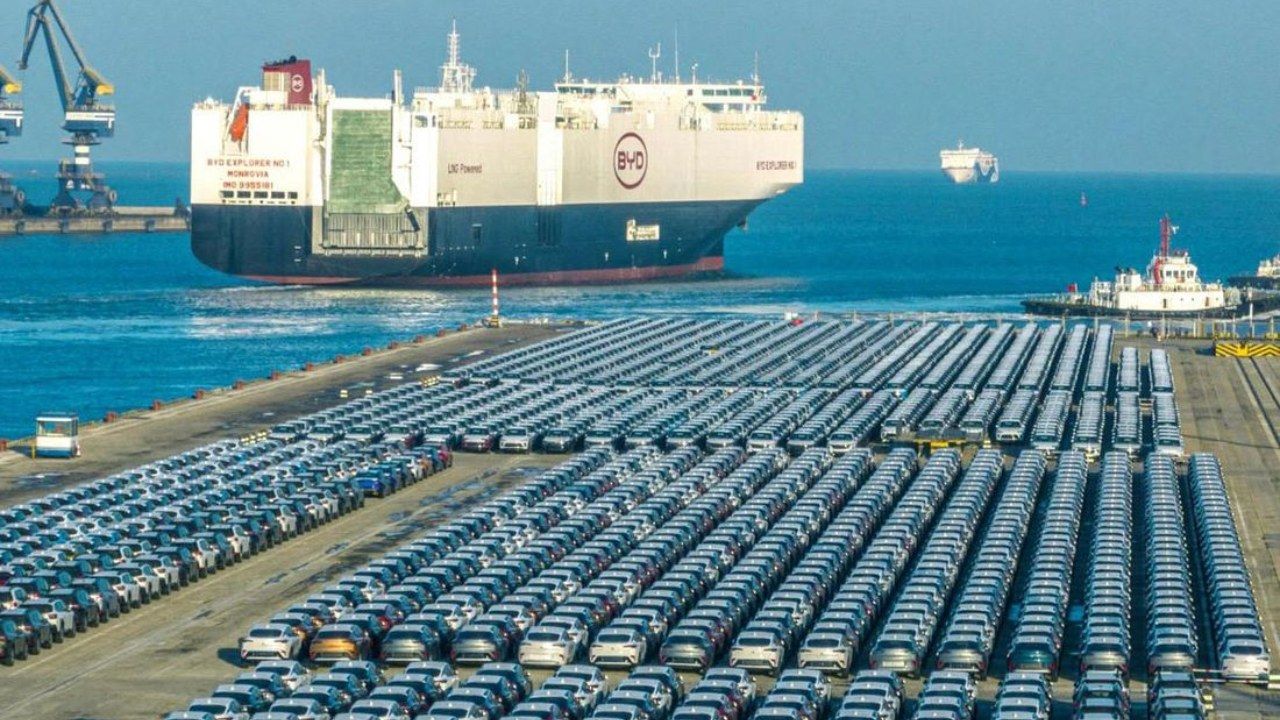
The import limits target vehicles manufactured in China, regardless of the brand’s origin. Chinese automakers may bypass the quotas by producing hybrids outside China or investing in manufacturing facilities within Europe.
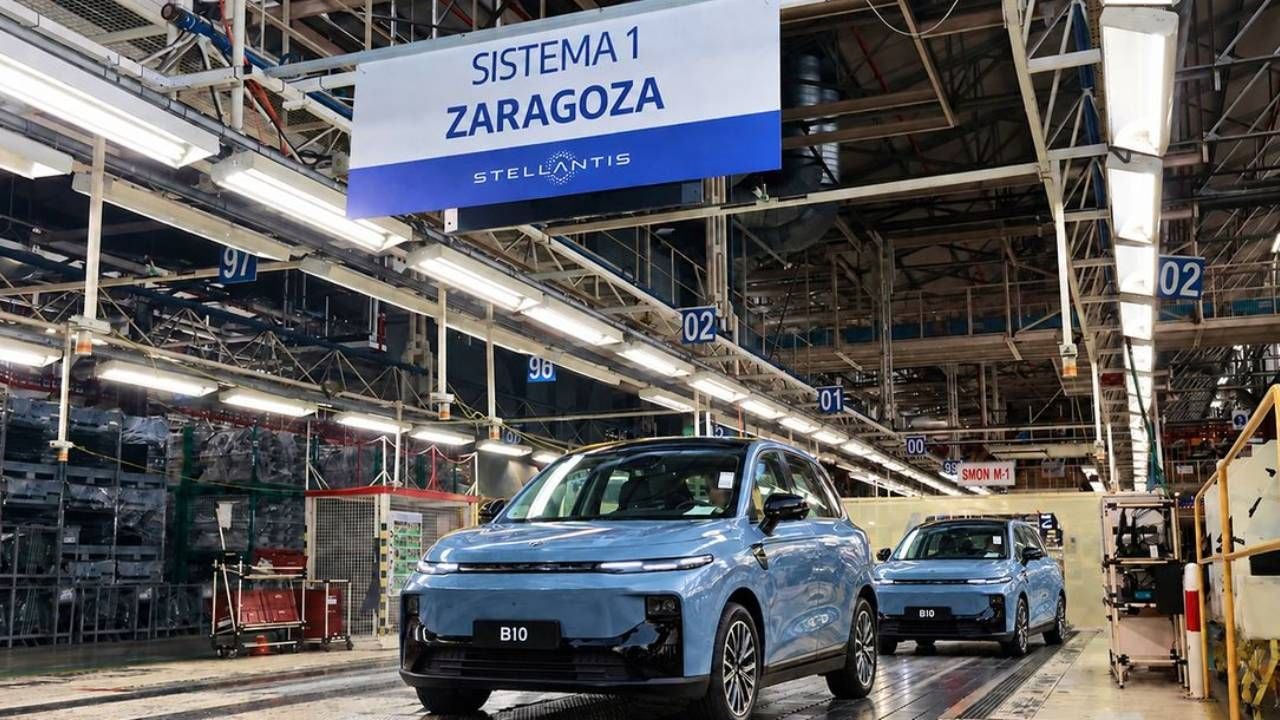
The EU encourages Chinese carmakers to build plants locally, supporting investments already underway such as Chery’s factory in Barcelona, Leapmotor in Zaragoza, and BYD in Hungary. Other brands like MG, Geely, and Changan are also reportedly considering production in Spain.
This strategy not only helps carmakers avoid import caps but could also benefit European jobs and local economies.
What Comes Next
Chinese brands will need to rethink their strategies for hybrids in Europe, possibly affecting the prices and availability of these vehicles for European buyers from 2027 onwards. Meanwhile, the latest trade agreement underscores the EU’s clear preference for electric vehicles over hybrids and signals a push for more local production facilities.
More detailed rules and impacts on carmakers are expected as the pact’s implementation approaches at the end of the year.
Source: motor.es