
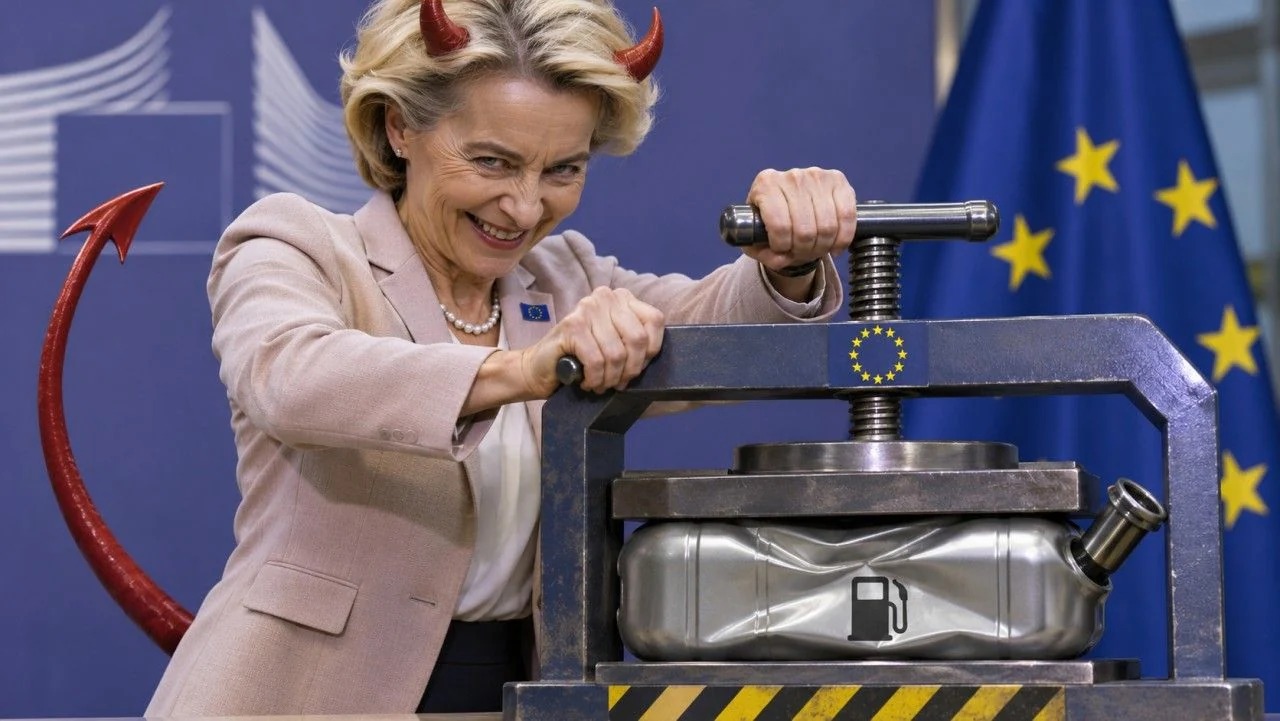
There has been recent confusion suggesting that the European Union wants to force carmakers to reduce the size of fuel tanks in gasoline and hybrid vehicles. However, this claim is not true. Neither the European Parliament nor the European Commission has proposed any such rule.
Where the Rumors Began
The misconception partly stems from a proposal related to plug-in hybrid vehicles (PHEVs) made by Transport & Environment (T&E), an environmental group based in Brussels. This group suggested limiting fuel tank sizes on new PHEVs to encourage less use of their petrol engines and reduce emissions. However, T&E is not an EU regulator and can only make recommendations, not laws.
This idea, introduced last year, was a proposal that aimed at cutting the number of miles driven purely on fuel in PHEVs, especially to discourage misuse where drivers never recharge the battery but rely on petrol instead. The suggestion included limiting fuel tanks to 15 litres for PHEVs, along with other measures like setting a balance between electric and petrol motor power and allowing faster electric charging.
Current EU Laws and What They Say
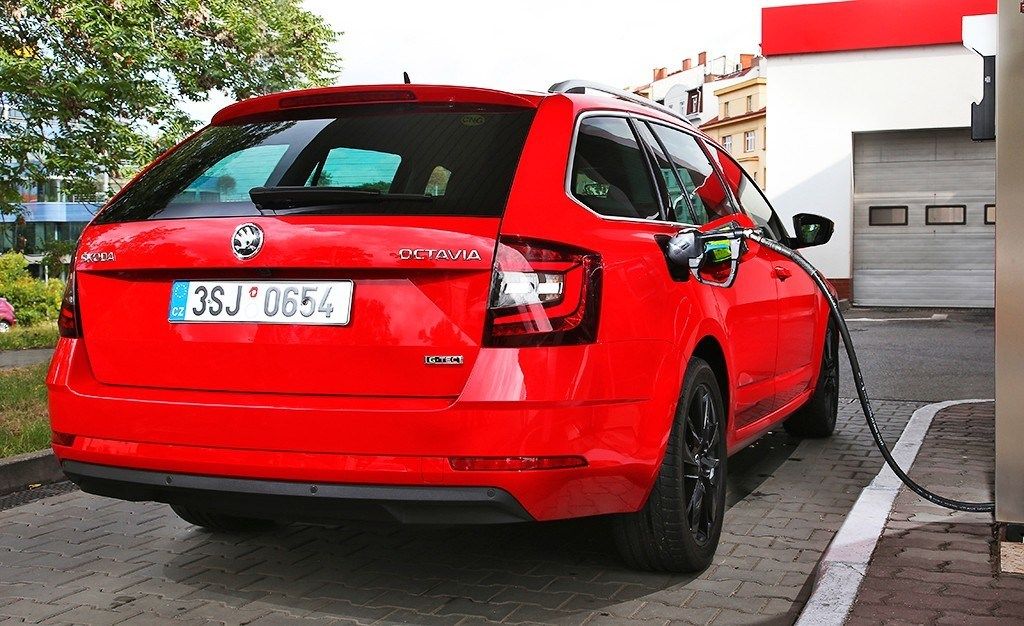
Currently, the only limitation on fuel tanks in the EU applies to specific vehicles that use compressed natural gas (CNG) or liquefied petroleum gas (LPG). For example, some models like the Skoda Octavia G-TEC have a small petrol tank of up to 15 litres, which exists mainly to start the engine and serve as a backup when the gas is not available. This limit is partly technical and partly to avoid abuse of subsidies that benefit cleaner vehicles.
As for normal petrol or diesel cars, or hybrids, there is no EU rule aiming to reduce fuel tank sizes. Regulations focus mostly on safety standards, such as resistance to corrosion and accidents.

Misinformation Causes Confusion Among Drivers
Several media outlets have published misleading headlines claiming the EU wants to force smaller fuel tanks, stirring concerns among drivers who already question electric vehicles. Some articles suggested this limit would affect all combustion engines or hybrids, which is not supported by current facts.
In truth, the EU’s recent regulatory proposals to update emissions rules do not include any measures to shrink fuel tanks. The controversy seems to have grown from misinterpreting proposals by advocacy groups as official EU policies.
Why the Fuel Tank Size Debate Matters Mostly for PHEVs
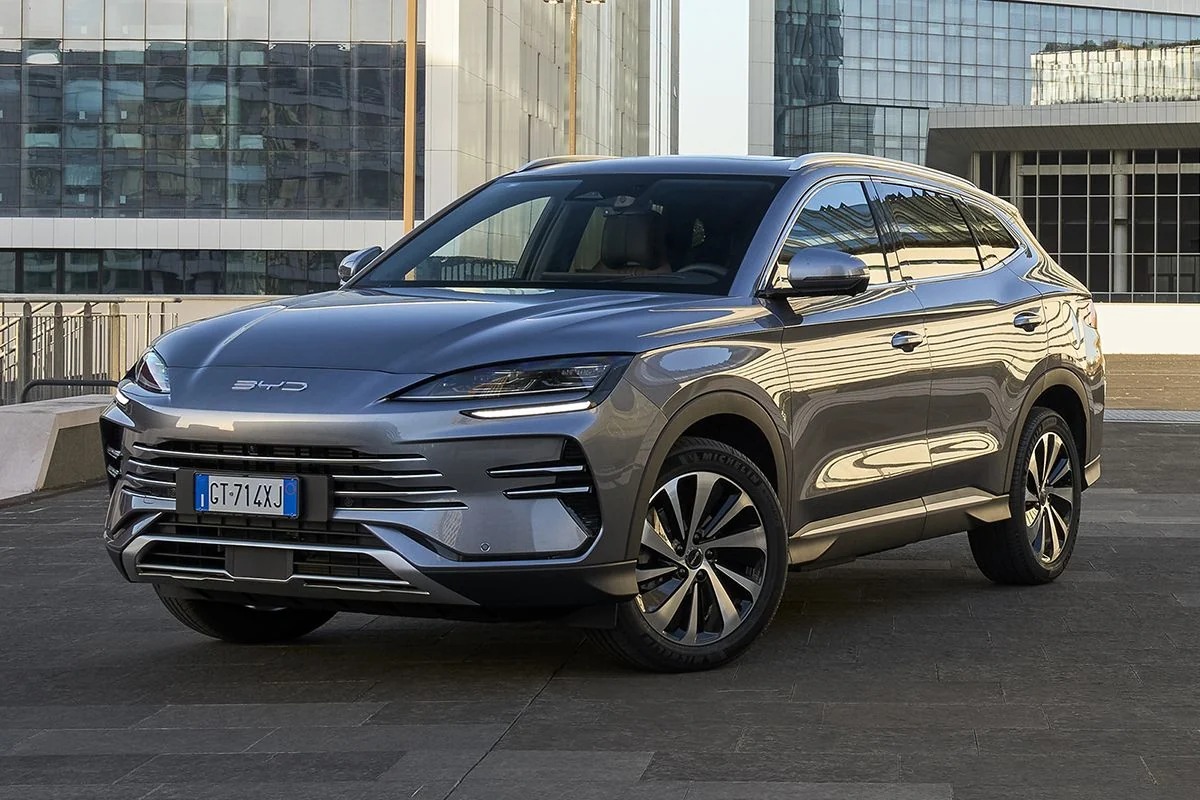
Plug-in hybrids sometimes have large fuel tanks combined with small batteries, giving them a long total driving range—mostly relying on petrol. Regulators and environmental groups want to ensure these cars genuinely reduce emissions, encouraging drivers to use the electric mode more.
Limiting fuel tanks in PHEVs could be part of that, but this is still only a suggestion and far from any law. The general market, including traditional petrol or diesel vehicles, remains unaffected by such discussions.
For now, drivers can rest assured that no EU plan aims to reduce the fuel tank size of regular cars or hybrids beyond existing technical and safety rules.

Source: motor.es