
A recent study from Germany reveals that while electric car prices have decreased between 2020 and 2025, battery costs have dropped even more sharply. This difference suggests there is still room to lower electric vehicle prices further.
Electric Car Prices vs Battery Costs
The study, conducted by the ICCT and Fraunhofer ISI, analysed about 100,000 car sales in Germany, Europe’s largest auto market. It found that the average sales price of an electric car grew from 37,000 euros in 2020 to 53,000 euros in 2025. However, this increase is due to a shift toward more expensive car segments, with 73% of electric vehicles sold in higher segments in 2025.
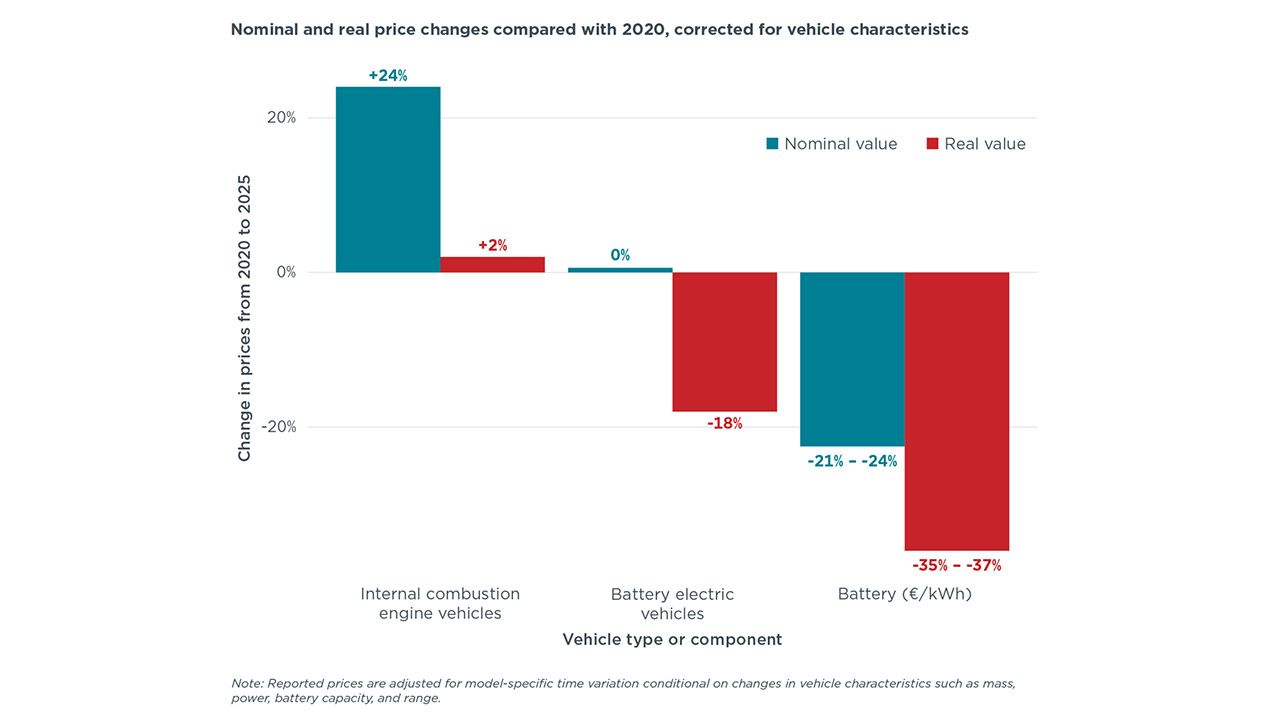
When comparing similar vehicles and adjusting for inflation, the real price of electric cars dropped by about 18% over this period, while combustion engine cars saw a slight 2% price increase.
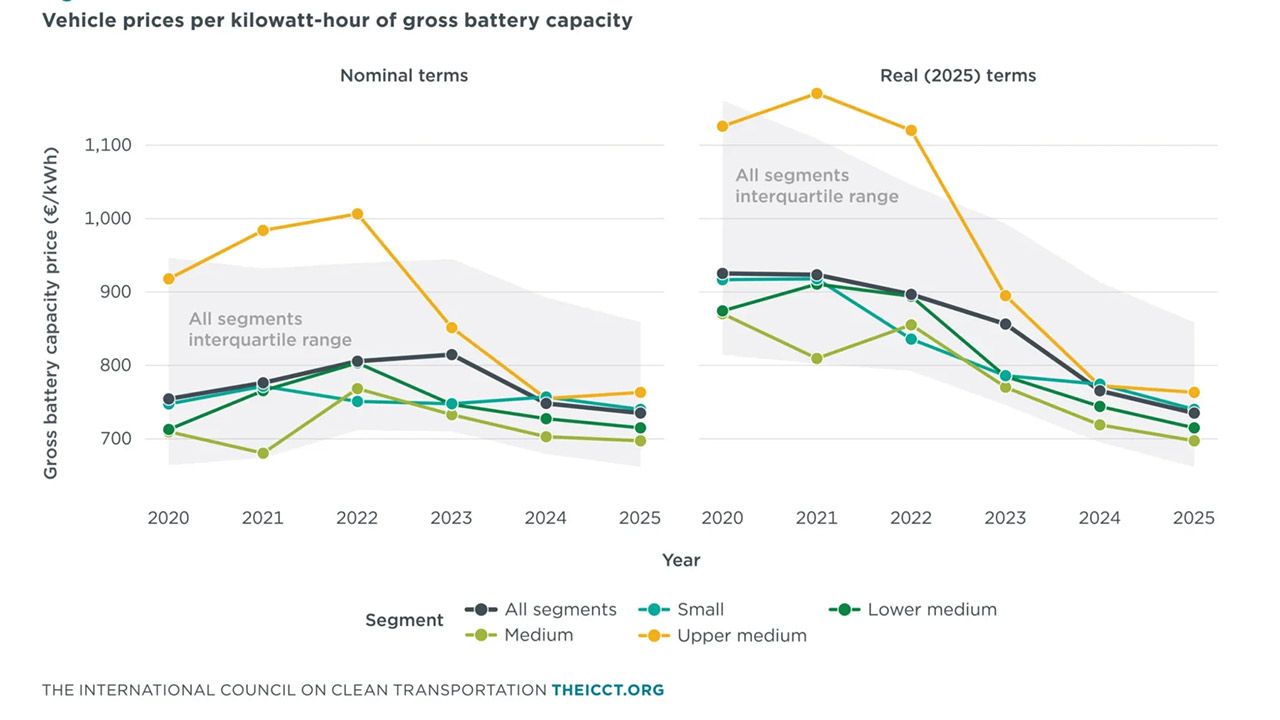
Meanwhile, battery costs fell 35–37%, from roughly 160–185 euros per kilowatt-hour (kWh) in 2020 to 130–140 euros per kWh in 2025.
Why Prices Don’t Reflect Battery Savings Fully
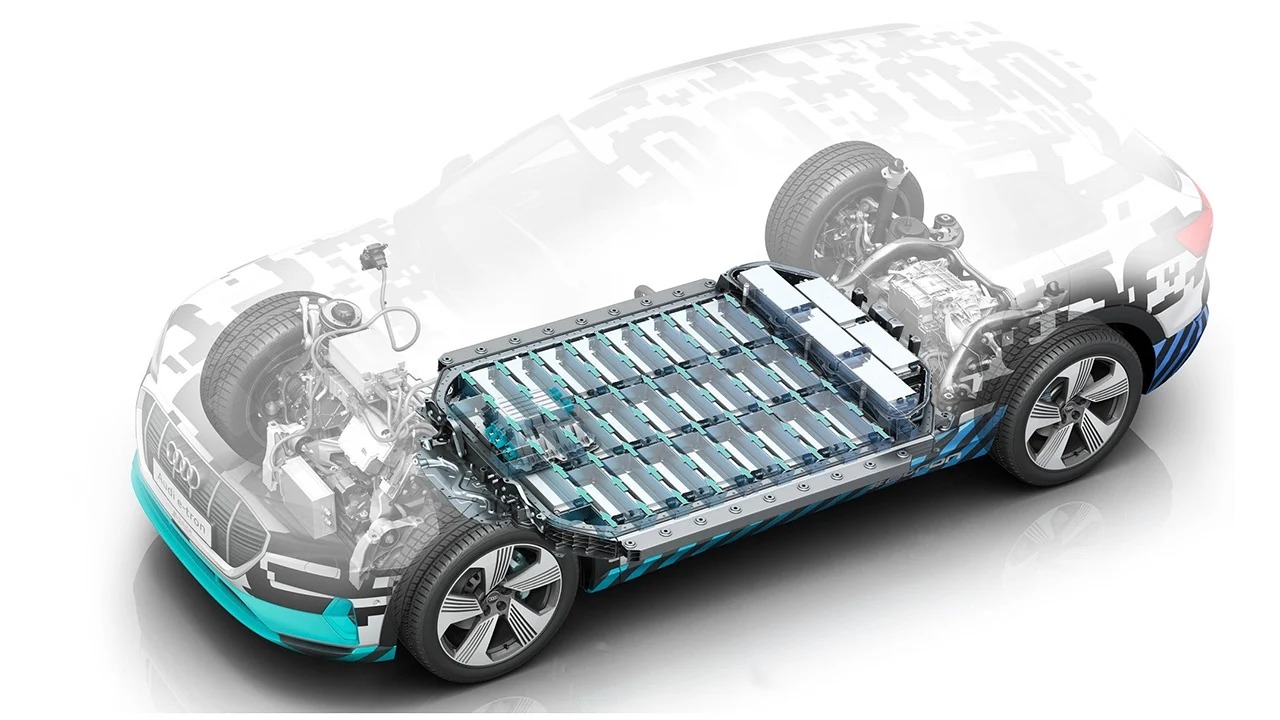
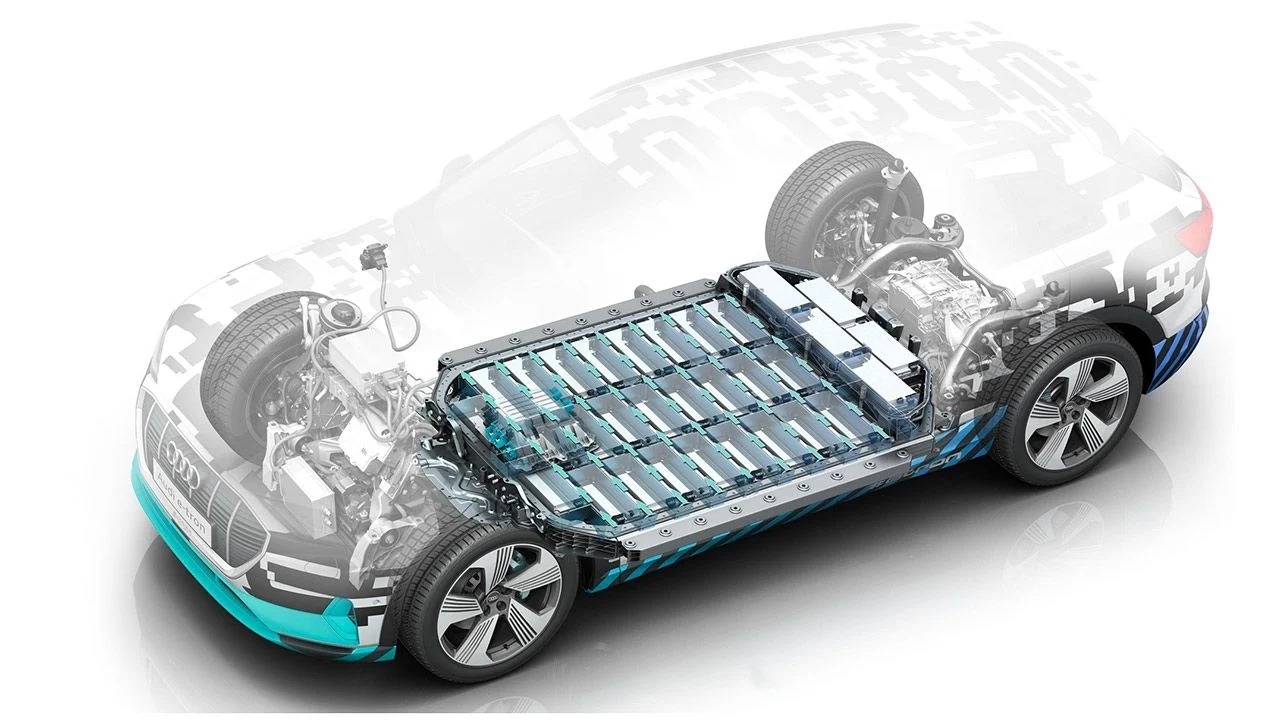
Since batteries make up the largest share of an electric car’s cost, the sharper drop in battery prices suggests that consumers could pay less. But the study points out that the savings have not been completely passed on to buyers through lower prices.
According to Professor Patrick Plötz, one of the study’s authors, the reduced battery costs have been partly absorbed to improve the vehicles or to cover research and development expenses.
The average electric car’s battery capacity and driving range have increased in the last five years, supporting this view. From 2020 to 2025, the driving range of electric cars sold in Germany rose by nearly a third.
As a result, the battery now makes up a smaller portion of the total vehicle price, dropping from 22% to 19% during the period.
Growing Range of Electric Models but Small Cars Lag
The market for electric cars in Europe is expanding rapidly. In Germany, the number of electric models available grew from 38 in 2020 to 159 in 2025, while combustion engine options dropped from 275 to 194.
Despite this growth, small electric cars remain a small fraction of the market. In 2020, only 19 small electric models were available versus 35 combustion variants.
This gap is expected to narrow as new urban electric models launch, including Volkswagen Group’s new small electric family planned for 2026. Additionally, new European regulations may encourage more small electric cars “Made in Europe.”
Experts suggest this could help bring electric car prices closer to combustion cars by 2030, achieving the long-discussed cost parity.
Outlook for Electric Vehicle Prices
Peter Mock, ICCT’s Europe director, emphasises that electric cars today offer more range and power at lower prices compared to previous years. This trend marks a significant shift in the European auto market’s direction.
However, the full potential of battery cost savings for consumers remains to be seen, especially as demand shifts towards more affordable electric vehicles.
More details on pricing and model availability are expected as more urban electric cars enter the market in the coming years.

Source: motor.es