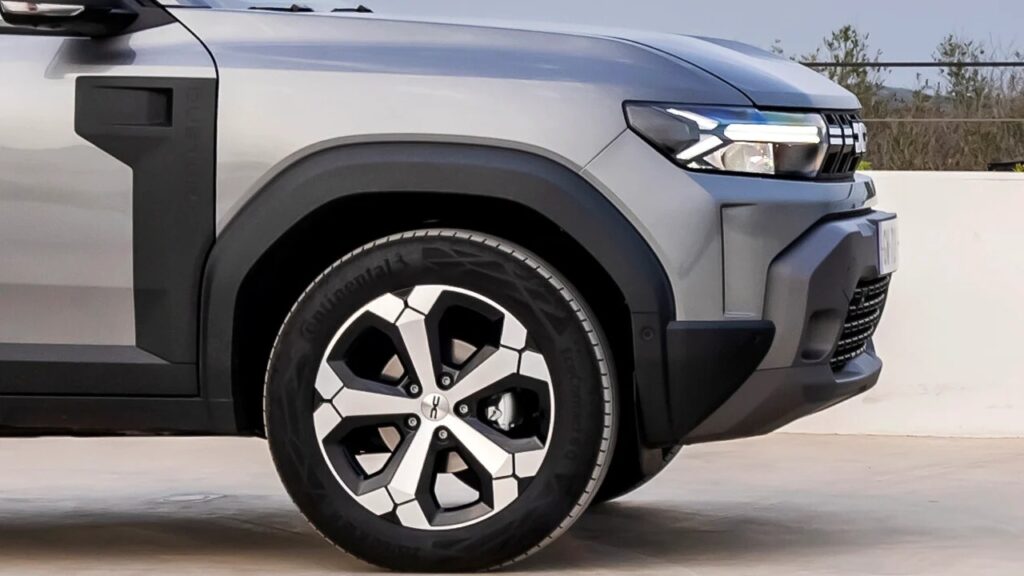

The Dacia Duster, a key player in Europe’s affordable SUV market, has seen its sales fall sharply in early 2026. Facing growing competition from its own bigger sibling, the Dacia Bigster, and new Chinese SUV rivals, the Romanian brand is preparing a notable facelift for the Duster due in 2028.
Sales Slide as Duster Faces Strong Competition
The Dacia Duster ruled the budget SUV segment for over 15 years, topping sales charts in France in 2023 and 2024 and remaining among the top 10 best-sellers in 2025. However, January 2026 saw a 41% sales drop in France compared to the previous year, from 14,973 units to just 8,842.
One immediate cause was the need to update engines to meet the new Euro 6e-bis emissions standard starting January 2026. This regulatory change temporarily halted production and disrupted supply. But other market factors weigh heavily.
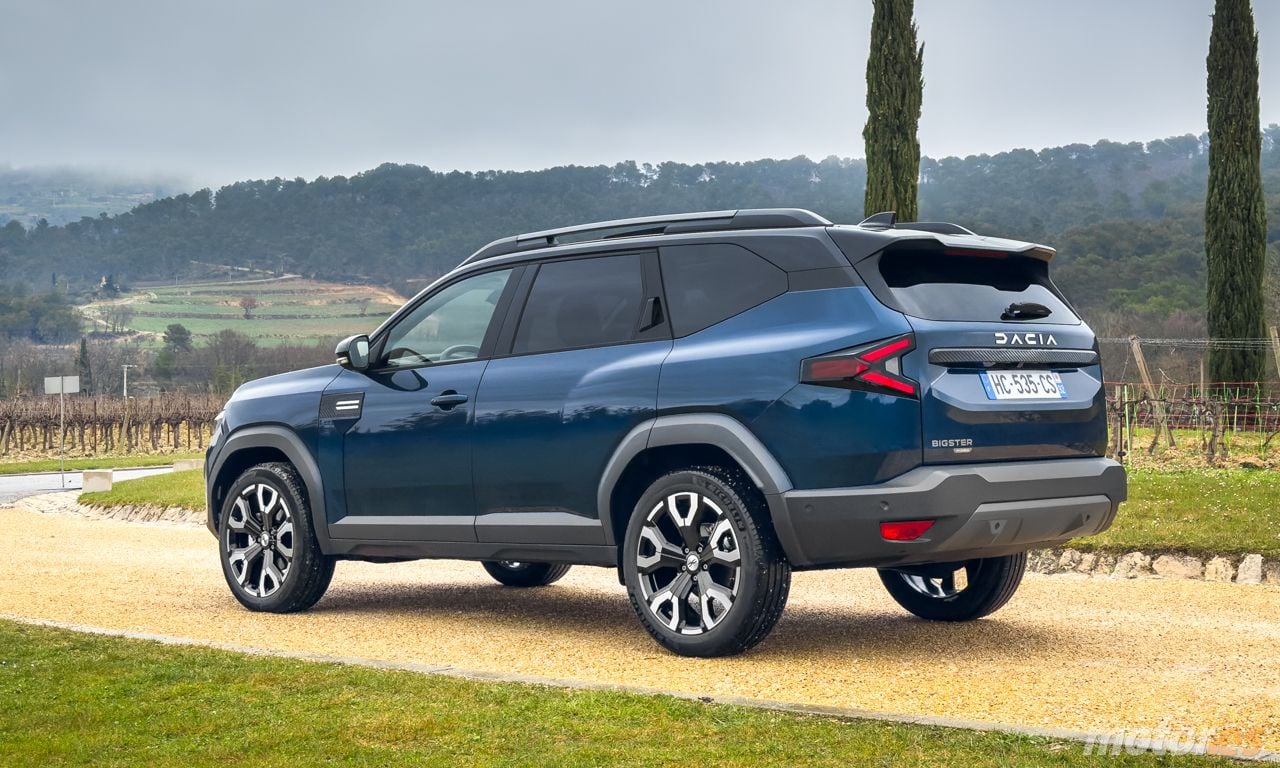
The Dacia Bigster SUV is steadily eating into Duster’s share within the same brand. In January, the Bigster racked up 6,063 sales, narrowing the gap to the Duster. Outside the brand, Chinese SUVs from companies like MG and JAECOO offer features such as larger digital displays and advanced driver aids, at prices that challenge Dacia’s core value proposition.
Facelift Rather Than All-New Model
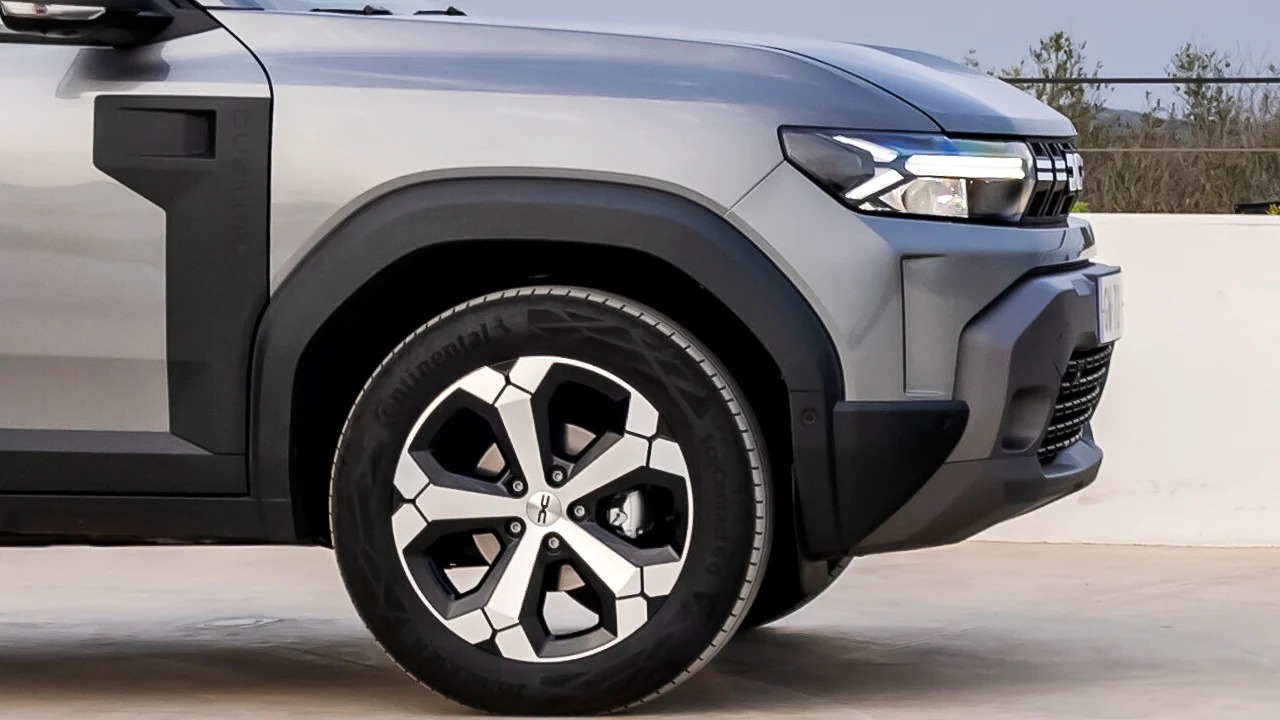
Dacia is responding with a significant mid-cycle update planned for 2028. This will be a refresh, not a new generation, retaining the current CMF-B platform and body structure.
The exterior design will be revised to refresh the SUV’s look, but it probably won’t adopt the new “T”-shaped light signature seen on the recent Dacia Striker. The updated styling is expected to stay true to Dacia’s straightforward design approach, aiming for subtle yet effective changes similar to the recent Sandero facelift.
Interior and Mechanical Updates to Stay Practical
Inside, the new Duster may borrow inspiration from an Indian-market Renault-badged version that features dual dashboard screens. However, Dacia will likely keep cost-effective materials in areas where upgrades don’t add customer value, maintaining its competitive price.
On the mechanical side, no major engine updates are expected. The current range of mild hybrids, self-charging hybrids, gasoline, and LPG versions will probably continue. Improvements will focus on chassis tuning and cabin noise reduction to enhance ride comfort.
Dacia’s main development efforts are reportedly focused on electrifying other parts of its model range rather than the Duster.
Duster Has a Long Wait Before Its Refresh Arrives
The updated Duster is scheduled for launch in 2028, leaving the current model to face nearly two more years of pressure. It will compete not only against the rising Bigster but also against newer Chinese SUVs and rivals with fresh designs.
While Dacia has long bet on simplicity and low prices to attract buyers, the sales drop in early 2026 is a clear sign that even the Duster must evolve to keep its position.
More details on the facelift are expected closer to the 2028 launch date.
Source: motor.es