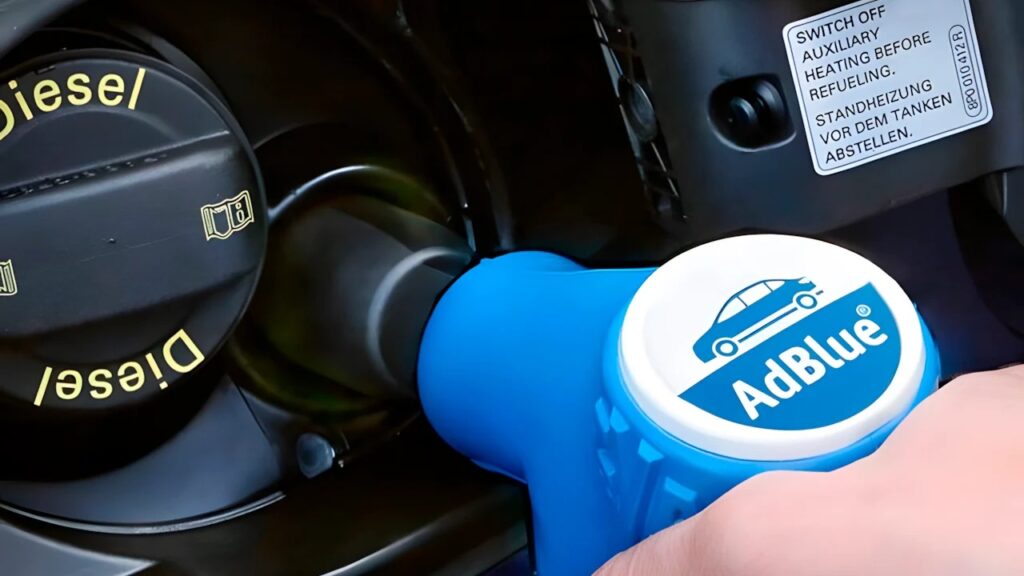

The sharp fall of diesel car sales in Spain isn’t just about stricter European rules. The struggle to manage the AdBlue system has played a big part, pushing buyers and manufacturers towards conventional hybrids instead.
Why Diesel’s Emissions Fix Never Fully Worked
To meet tough Euro 6 pollution limits, diesel engines rely on selective catalytic reduction (SCR) using AdBlue, a urea-based fluid injected into exhaust gases to cut harmful emissions. However, the system was difficult to control properly from the start.
Back in 2006, engineers received guidelines targeting an AdBlue use of about 100 milliliters per hour. This matched the 5% rule—AdBlue consumption should equal roughly 5% of diesel use. But that assumed a diesel consumption of around 2 liters per 100 km at 100 km/h—a level few everyday cars approach.
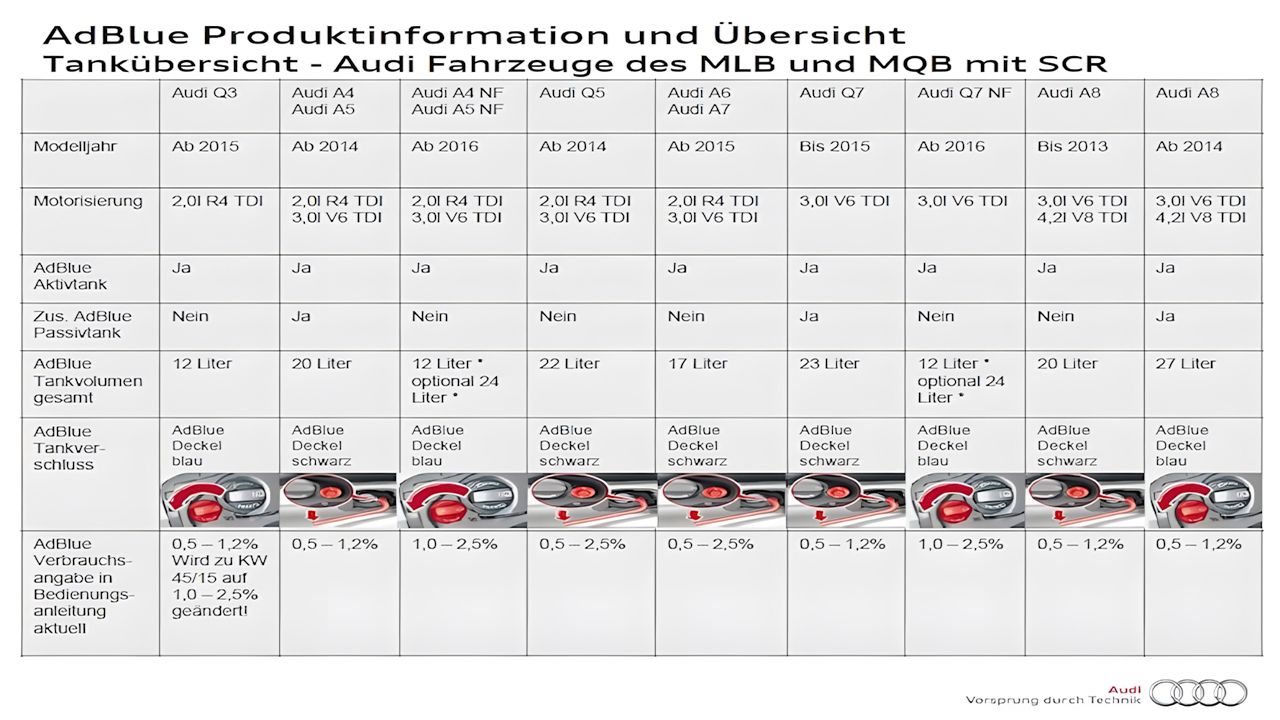
This gap meant that for many smaller diesel cars and SUVs, SCR systems were never fully optimized. Audi even had to increase AdBlue tank sizes after finding that early tanks were too small for long maintenance intervals.
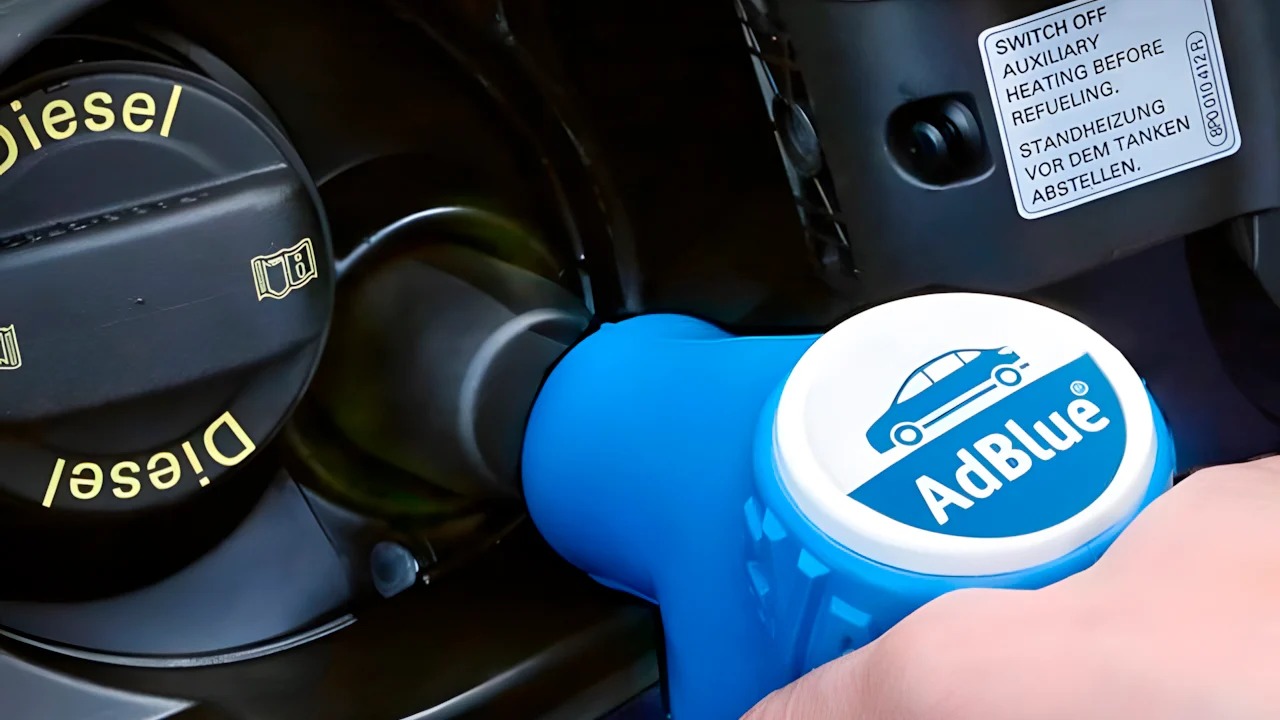
AdBlue Tank Sizes Reveal the Struggle
Tank sizes tell part of the story. The first Mercedes model with “Bluetec” tech in 2008 had a 28-liter AdBlue tank with a low consumption rate of 0.1 liters per 100 km—well below the 5% benchmark. Today’s Mercedes GLE grew this tank slightly to nearly 32 liters.
Meanwhile, Opel started with just 8 liters in its early SCR diesel models but has expanded tanks up to 22 liters now. Documents suggest some major German brands debated limiting tank sizes even though 19 liters would have been more effective, leading to an EU investigation for possible coordination.
Maintenance Issues Weigh Down Diesel
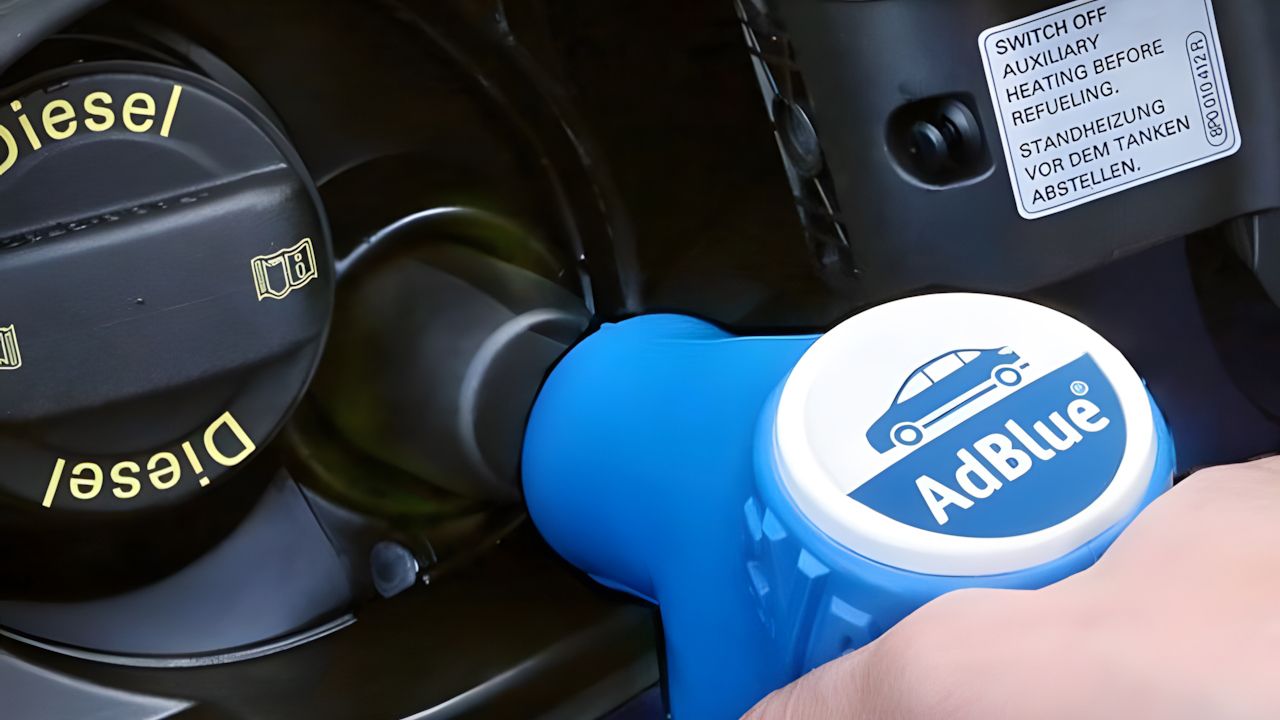
Finding the right AdBlue dose is tricky. Too little fails to cut nitrous oxide emissions; too much can cause ammonia leaks and cause damage. Urea crystallization in injectors remains a common fault, triggering warning lights despite full tanks.
After nearly two decades, SCR still requires careful upkeep and remains sensitive compared to other emissions tech.
Hybrids Fill the Gap Left by Diesel
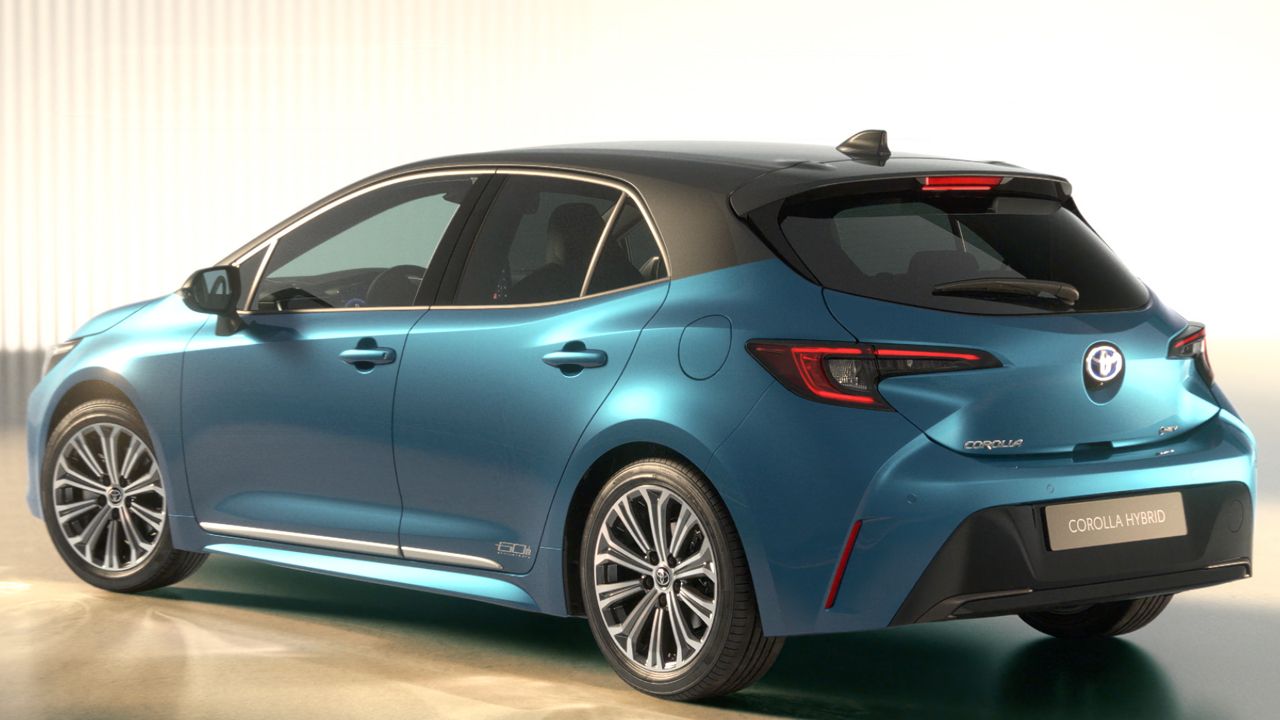
With diesel sales in Spain plunging from around 70% fifteen years ago to just 3–4% expected by 2026, the gap hasn’t mainly gone to pure electric cars. Instead, conventional hybrids without plugs have taken a strong lead, now representing about 45.5% of new car sales.
Unlike diesel, these hybrids don’t need AdBlue or complex emissions treatments, making them simpler to maintain and sell. Mercedes, for example, has dropped plug-in diesel hybrids because they still require AdBlue despite having electric motors.
Industry insiders rarely admit it, but the rise of conventional hybrids marks a quiet exit for AdBlue and diesel emission technology, which struggled to balance regulatory promises with practical tank sizes and maintenance realities.
What Comes Next for Diesel and AdBlue?
As hybrids fill more market share, diesel’s challenges with AdBlue systems highlight limits in its long-term viability. The future will likely see hybrids continuing their rise while diesel models become increasingly niche.
Source: motor.es