
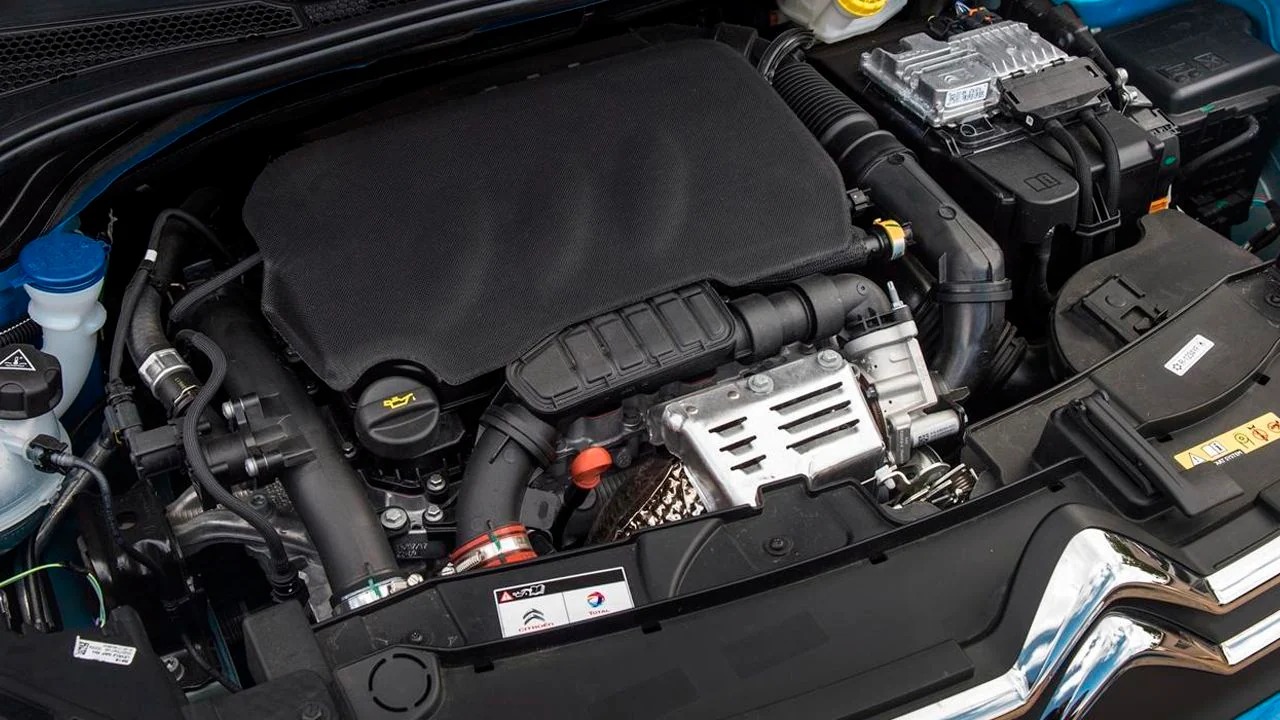
Owners of vehicles with PureTech engines can use a simple and affordable tool to check the condition of their timing belt. Though it doesn’t replace a full workshop inspection, this plastic or metal gauge helps spot early signs of belt wear, potentially saving costly engine damage later.
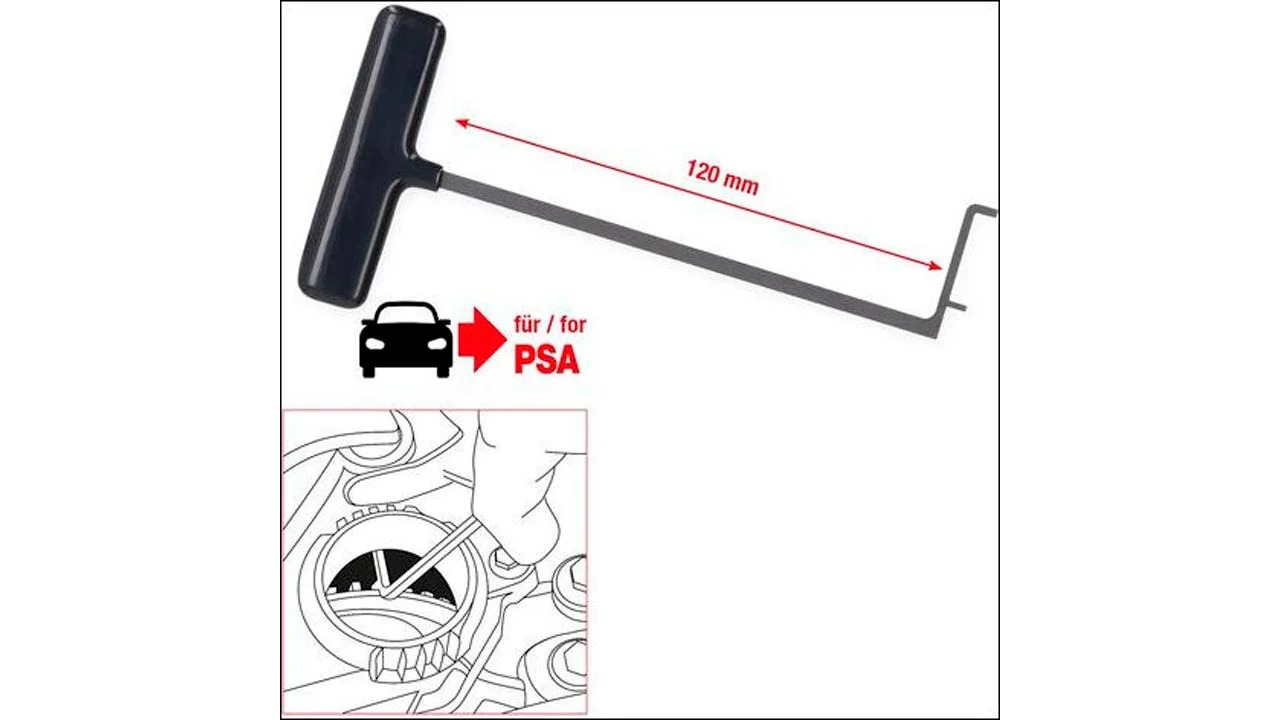
How the PSA G-0109-6 Gauge Works
This gauge, sold by Stellantis for under €15, measures the width of the timing belt indirectly. The PureTech belt operates immersed in oil, which can cause the rubber to swell over time.
The gauge is designed to fit over the belt through the engine’s oil filler hole. If the belt has swollen, the gauge won’t fit properly. This simple check can indicate when it’s time to visit a workshop before the belt degrades more seriously.
Checking the Belt Step by Step
Owners can do this inspection without removing engine parts:
- Ensure the engine is cold.
- Remove the oil filler cap.
- Locate the visible part of the timing belt through the filler hole.
- Carefully insert the gauge as instructed and check if it fits snugly over the belt.
- If it fits, the belt width is within the safe limit.
- If it doesn’t, the rubber may be swollen, and a professional belt check is recommended.
Be careful during the check to avoid dirt entering the engine or damaging the belt surface.
Why This Check Matters for PureTech Engines
The timing belt in PureTech engines is oil-immersed to reduce friction, but this design causes a risk. Oil and detergents in lubricants gradually degrade the rubber, especially if oil changes are irregular or driving includes many short trips.
This degradation starts with belt swelling, then cracks appear, followed by rubber pieces breaking off. Loose fragments can clog the oil pump, lowering oil pressure and risking severe engine damage.
Stellantis has since replaced this belt with a more durable chain on newer models. Using the oil filler hole, owners can also identify whether their engine uses a belt or chain.
Limitations of the Gauge
The gauge only checks belt width, so a normal reading doesn’t guarantee the belt is in perfect condition. Visual inspection is also important—look for cracks or bits of rubber around the belt through the filler hole.
When the belt is frayed, oil passages may already be contaminated. In that case, just replacing the belt might not be enough. Workshops should also inspect and clean oil pump components if needed.
Source: motor.es

Software Developer & Tech Journalist. Creator of Autodatalog.com. Experienced in Python, PHP, PostgreSQL, and Android system modifications. Whether I'm writing Python automation scripts, or exploring the technical specs of Fiat/Alfa Romeo engines, I love reverse-engineering how things work. Based in Istanbul, Turkey.