
Mercedes-Benz is bringing its electric turbocharger technology, previously reserved for AMG performance models, to more mainstream vehicles. The newly developed M 252 LS engine, featuring an electric exhaust gas turbocharger, debuts in the GLB 250 compact crossover, marking a significant step in spreading advanced turbocharging tech beyond AMG cars.
Electric Turbo Technology Moves to Regular Mercedes Models
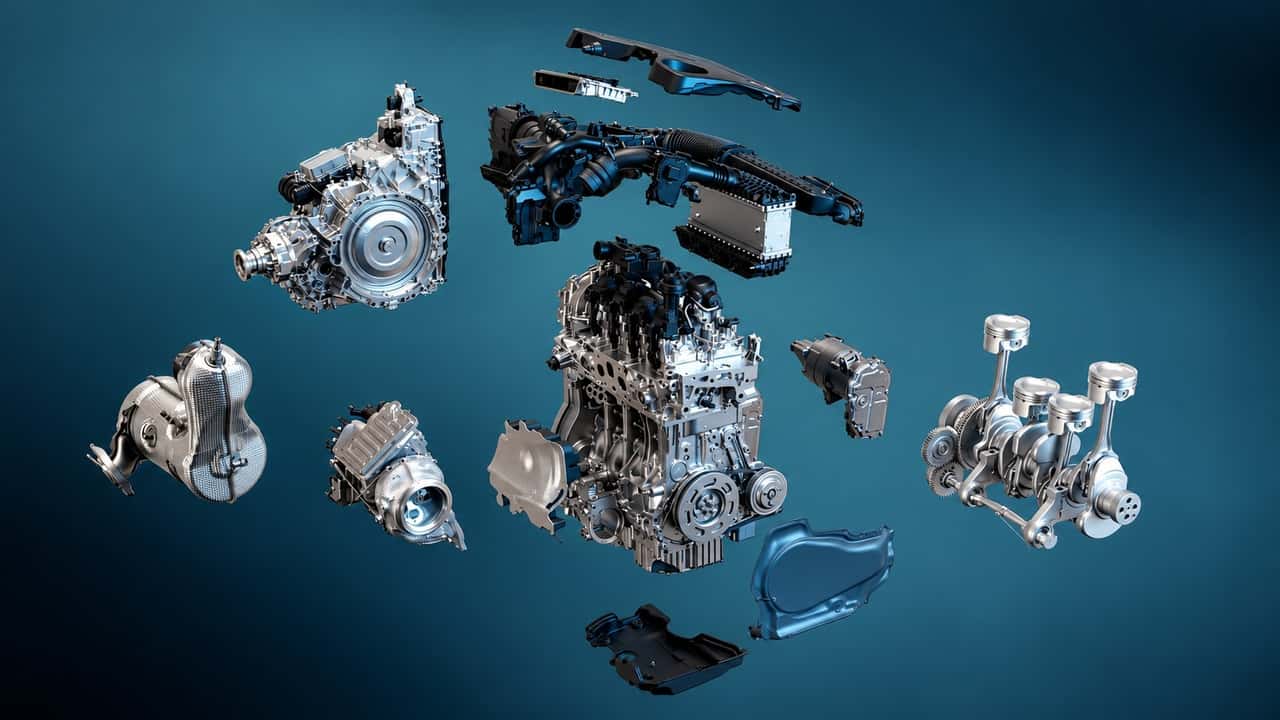
The M 252 LS builds on the existing M 252 engine introduced earlier, adding an electric turbocharger that helps reduce turbo lag while improving efficiency. This electric turbo is a product of Mercedes’ Formula 1 experience, developed in collaboration with Mercedes-AMG High Performance Powertrains, the team behind the F1 power units. The system uses an electric motor to spin the turbo, providing boost more quickly than conventional exhaust-driven turbos.
Uniquely, the electric turbo can also recover up to 2 kW of energy from the exhaust, converting waste energy into electricity. This recovered energy can power the turbo’s electric motor, which in some driving situations makes the system nearly energy neutral.
Performance and Emissions Gains in the GLB 250
The new M 252 LS four-cylinder engine produces 228 hp, with the electric turbo adding an extra 31 hp on top. In the GLB 250, it trims 0.1 seconds off the 0-100 km/h acceleration time compared to the previous model’s M 260 engine. Additionally, it lowers CO₂ emissions by roughly 17%, even though the M 252 LS has a smaller 1.5-liter displacement than the earlier 2.0-liter unit.
This combination of improved throttle response, fuel efficiency, and reduced emissions shows how electric turbochargers can benefit ordinary combustion engines, not just performance cars.

Electric Turbocharging is Expanding Beyond AMG and High-Performance Cars
Electric turbochargers have been introduced in high-performance Mercedes-AMG models such as the 43 and 63 series and were first seen on the AMG One hypercar. Extending this technology to standard models like the GLB 250 lowers the barrier for widespread use of electric boost assistance.
While electric turbochargers add complexity and cost, Mercedes believes their efficiency and responsiveness gains justify the move. This technology also reflects the ongoing efforts to improve internal combustion engines amid the rise of electric vehicles.

Tech Insights and Industry Context
Though the M 252 LS engine’s “LS” name may remind some of GM’s famous V8 series, it has no connection to them—the Mercedes engine is a four-cylinder. The electric turbo on the M 252 LS echoes a broader trend across the automotive industry, with brands like Porsche also employing electric boost technology in high-end models.
This adaptation of F1-derived technology for everyday cars underlines that combustion engines still have room to improve in efficiency and performance before full electrification becomes universal.
More details on Mercedes’ electric turbo engines are expected as the technology rolls out across additional models in the future.
Source: motor1.com