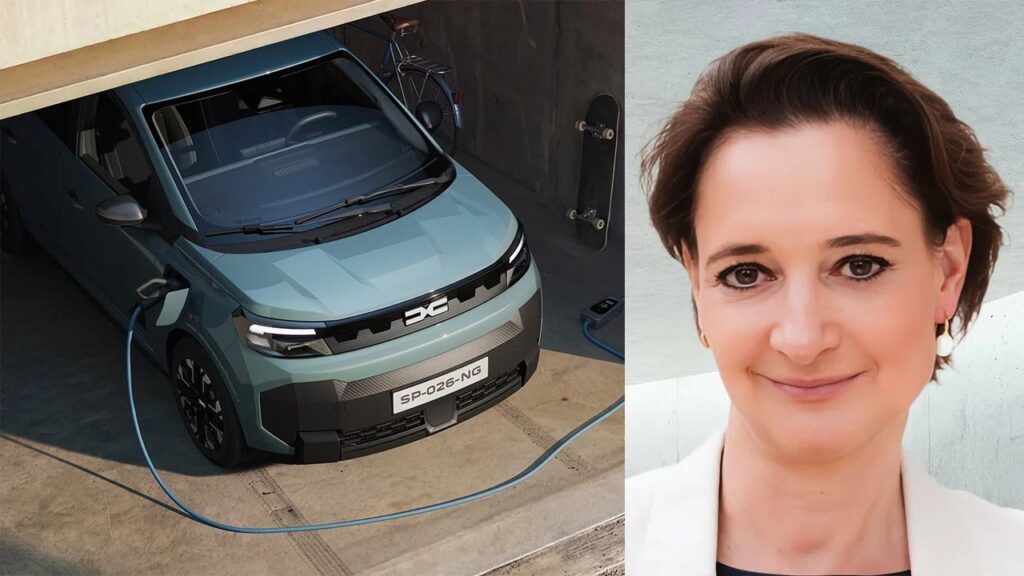

Dacia’s CEO Katrin Adt has highlighted the challenges small cars face in Europe due to strict regulations that are pushing prices higher. While the brand continues to grow and plans four new models by 2030, Adt warns that current rules threaten the affordability of its vehicles and the broader European car market.
Rising Costs and Shrinking Market for Small Cars
The European market for small cars has seen a sharp price increase over the last decade. For example, the Opel Corsa’s base price nearly doubled in 13 years, climbing from about €12,000 in 2013 to nearly €23,000 in 2026. Although Dacia remains a go-to brand for budget buyers, it hasn’t escaped this trend, especially after the pandemic began in 2020.
Adt revealed that Europe has lost roughly three million car sales since 2019—levels have not bounced back to pre-COVID numbers. This decline affects numerous related sectors, from factories to parts suppliers. The CEO attributes this mainly to the rising prices linked to heavy regulation unique to Europe compared to other regions.
Calls for Looser Rules on Small Cars
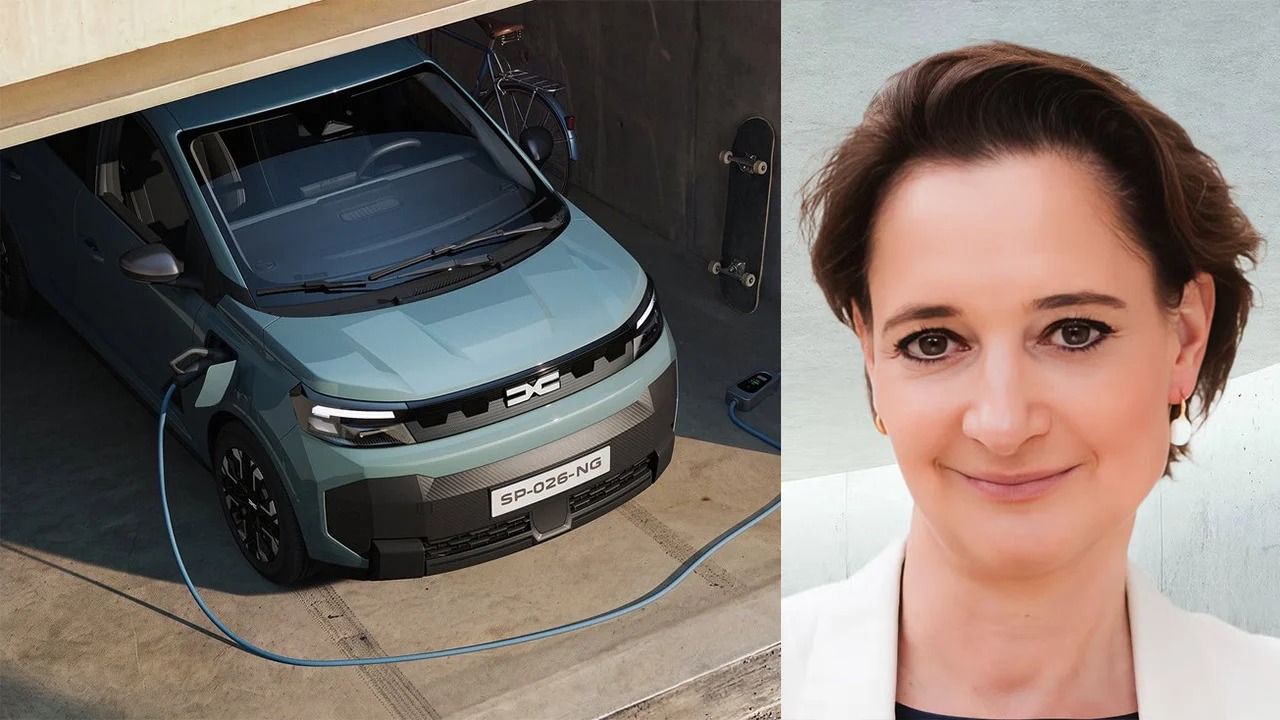
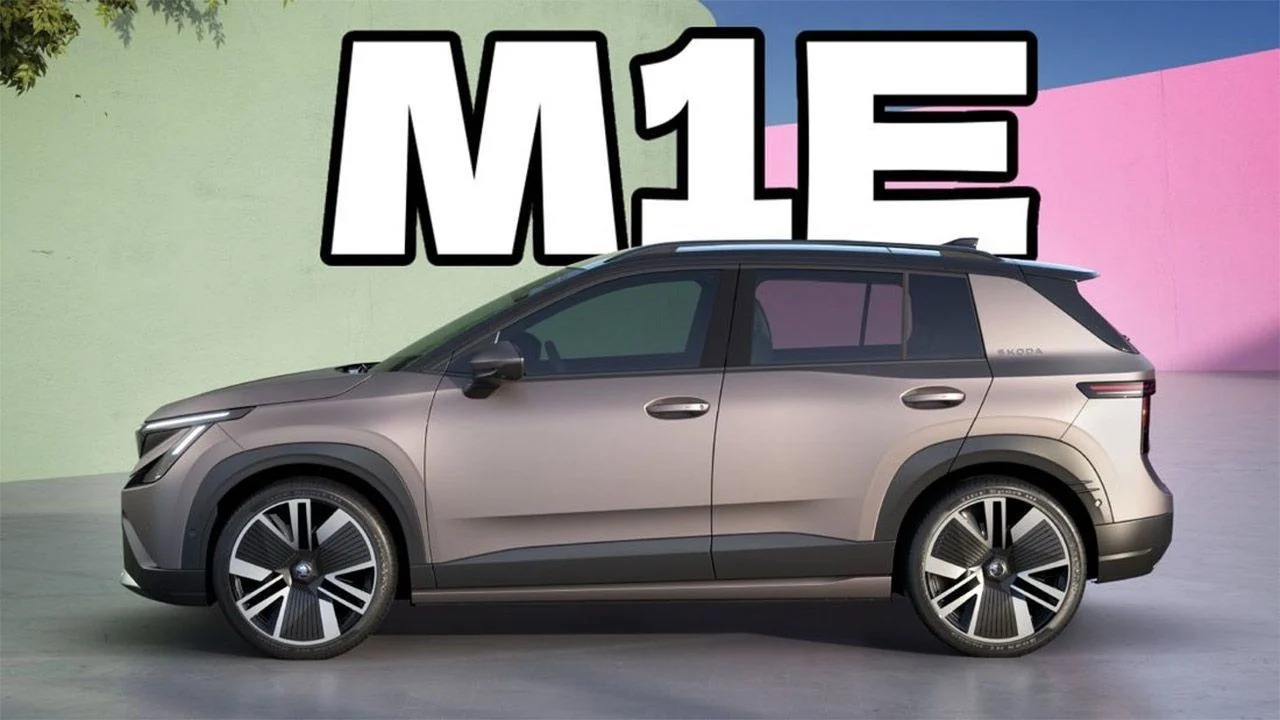
Dacia and other manufacturers have been urging the European Commission to ease regulations for small vehicles, pointing out the problem worsens the affordability crisis. Although the EU announced plans last year for new M1E regulations targeting these cars, details remain under review, delaying any potential relief.
Adt emphasized that European regulations take up a large share of Dacia’s engineering resources—about a quarter of R&D efforts are dedicated to compliance. The company has met around 100 regulations so far but faces more than 100 additional rules before 2030.
To help the market recover, Dacia and others have asked for a freeze on regulations for small cars. This pause could allow brands to focus on making cars affordable and expanding electric options without the pressure of constantly new rules.
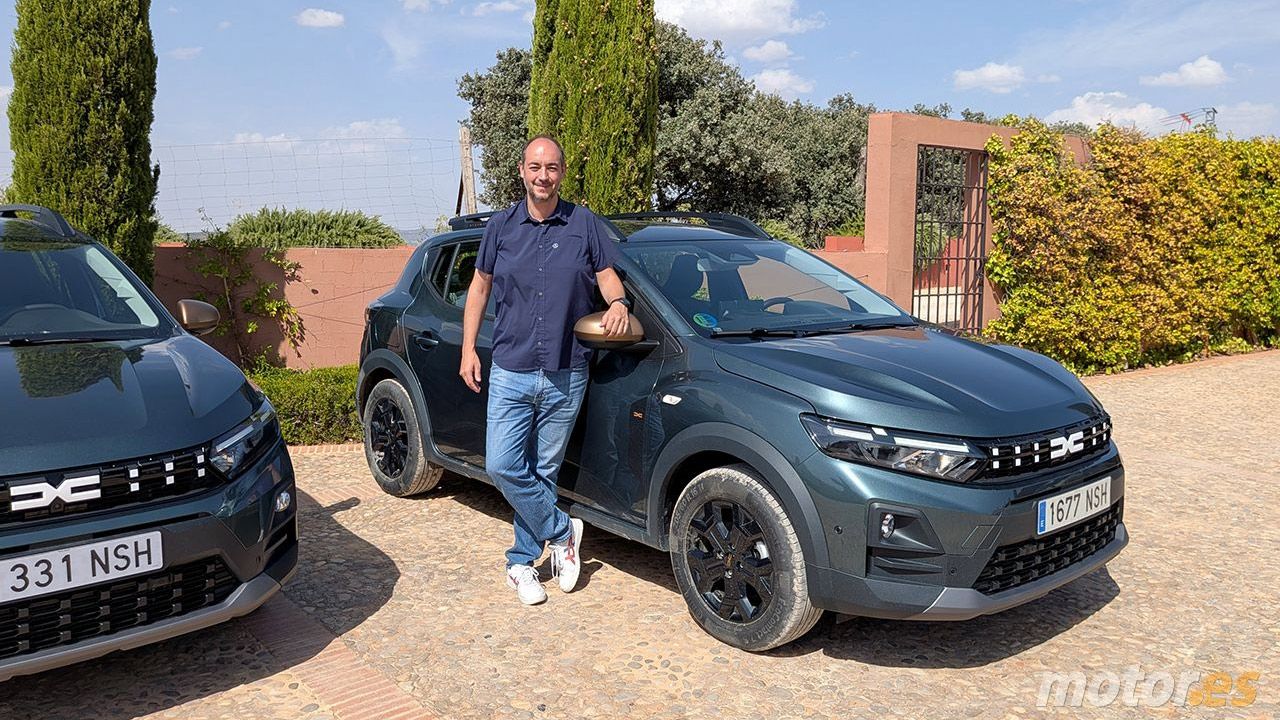
Dacia’s Electric Push Amid Regulatory Challenges
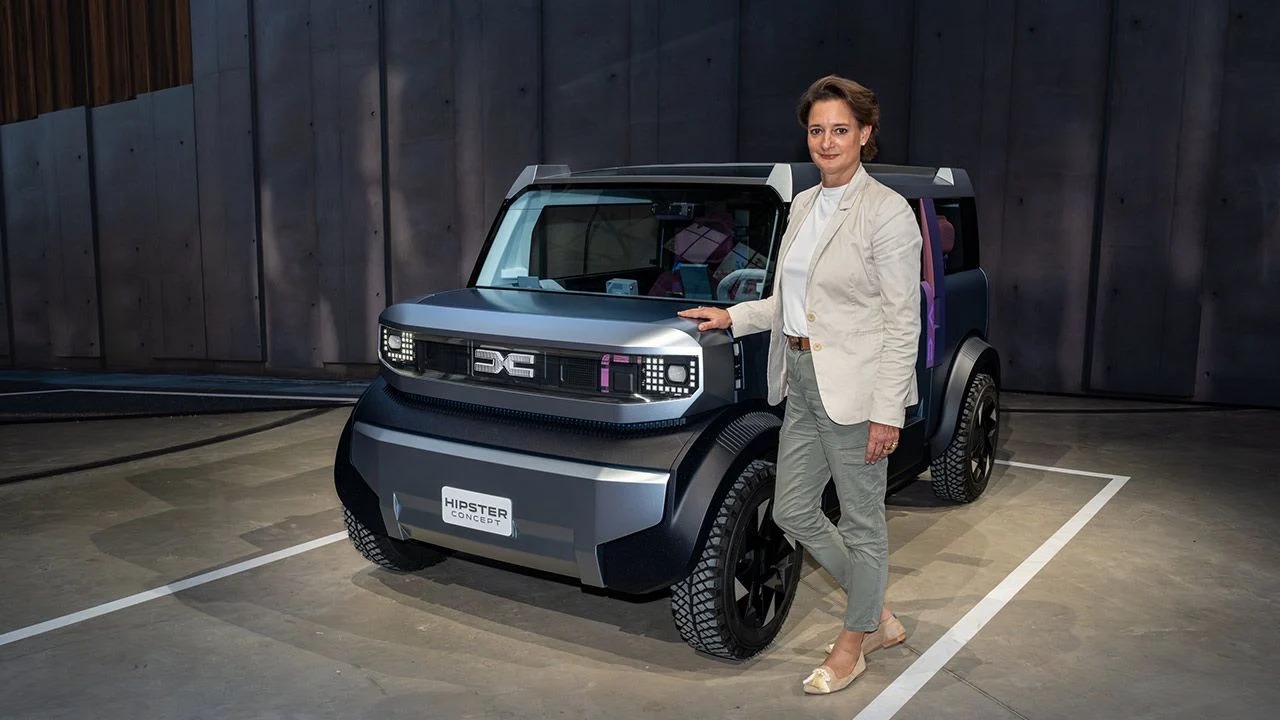
Despite hurdles, Dacia is investing in new models to stay competitive, especially against emerging Chinese brands. The second-generation Spring electric car, due to be made in Europe, offers improvements like a longer body (3.85 meters), 80 hp output, and up to 250 km electric range (WLTP).
This Spring model starts a planned lineup of four new cars by 2030. There will also be a small model based on the latest Renault Twingo electric. An electric Sandero is expected later but not immediately.
The recent Sandero hybrid version, part of the third generation introduced recently, aims to boost sales by adding electrification. The next Sandero generation will likely support multiple powertrains, following the trend toward wider energy options.
Source: motor.es