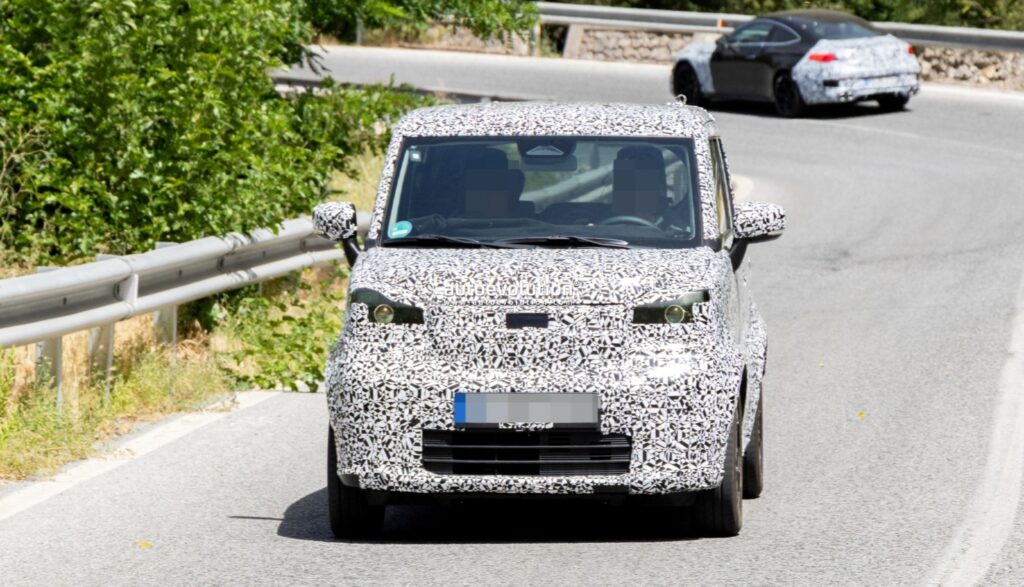

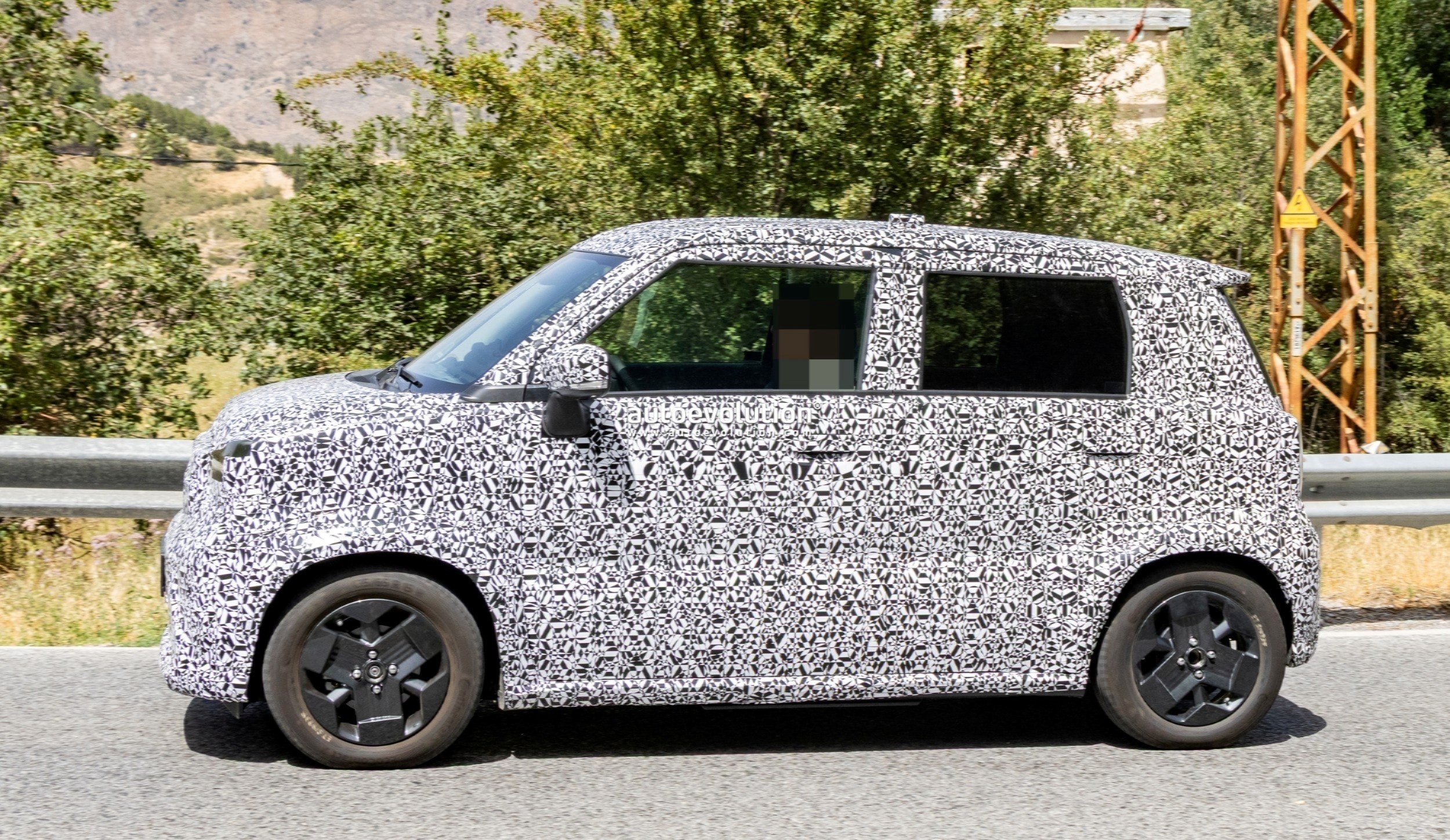
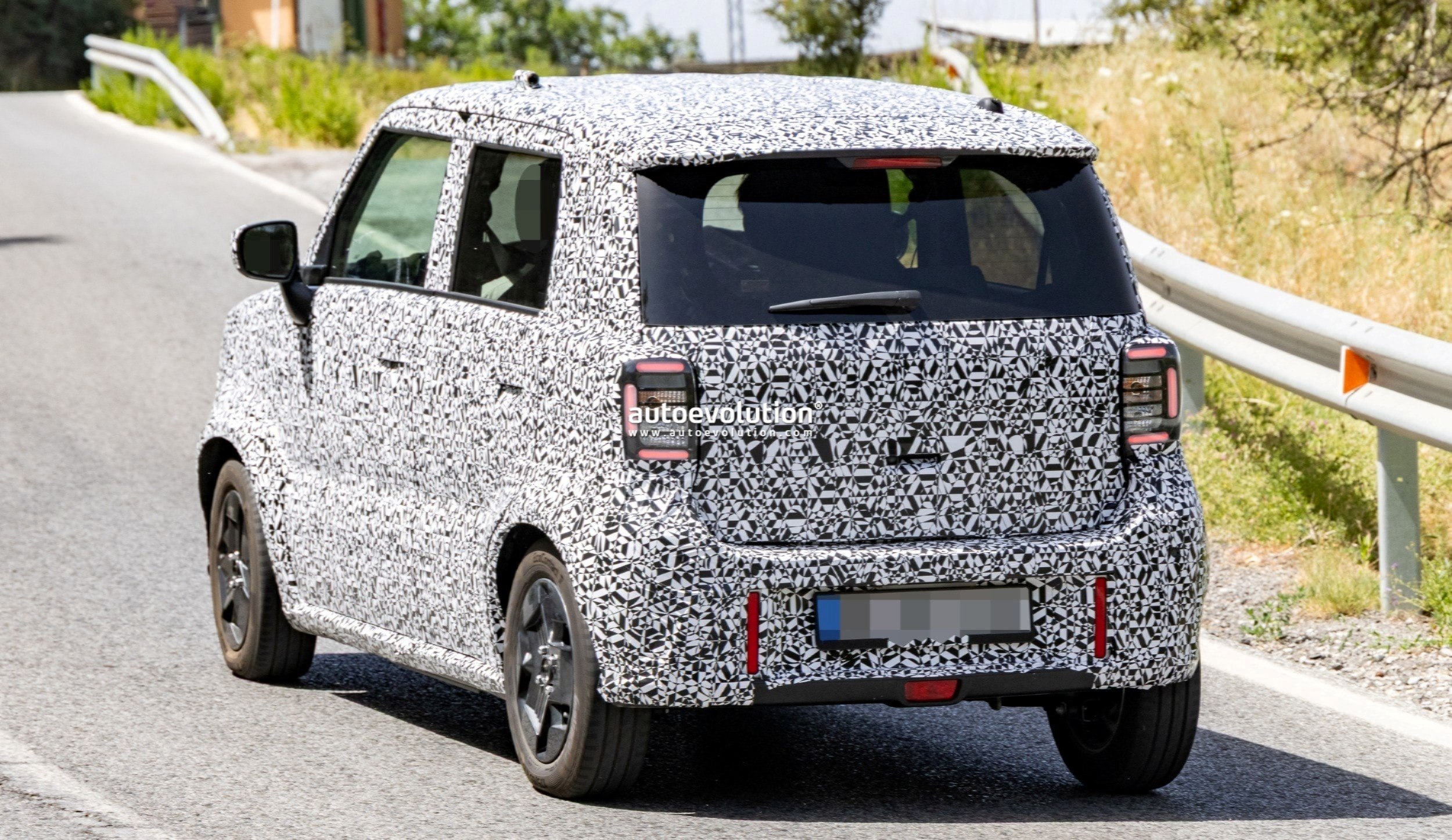
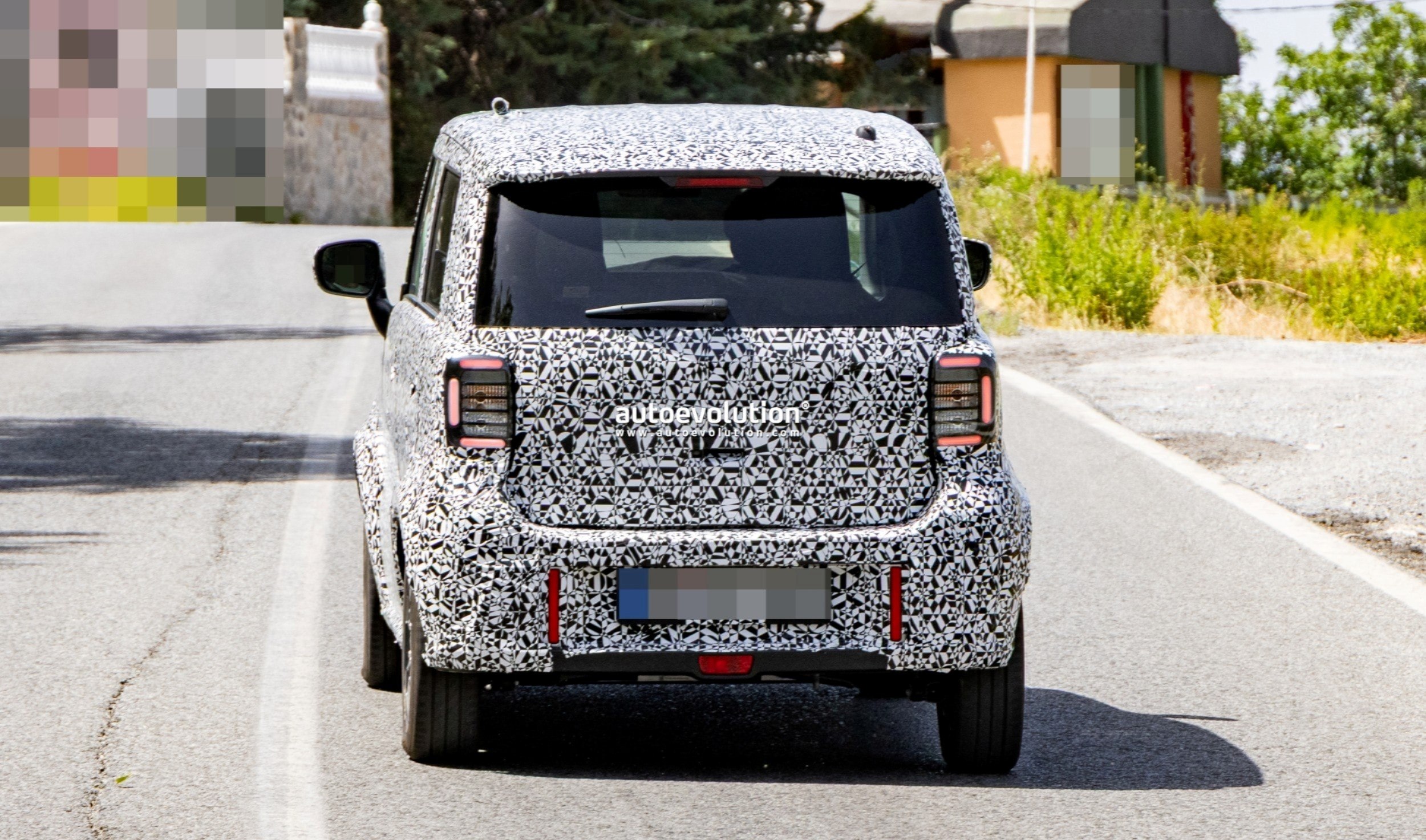
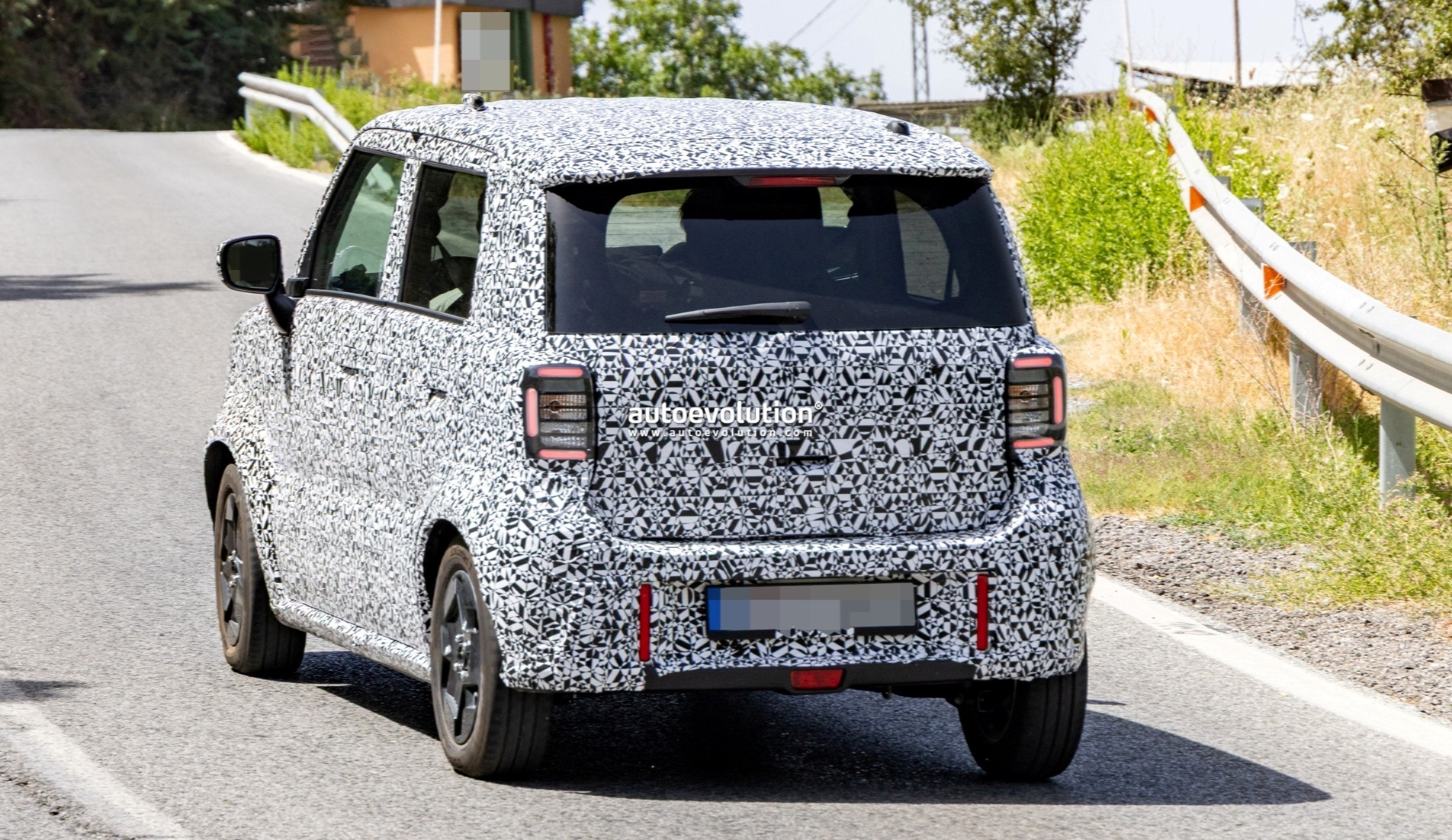
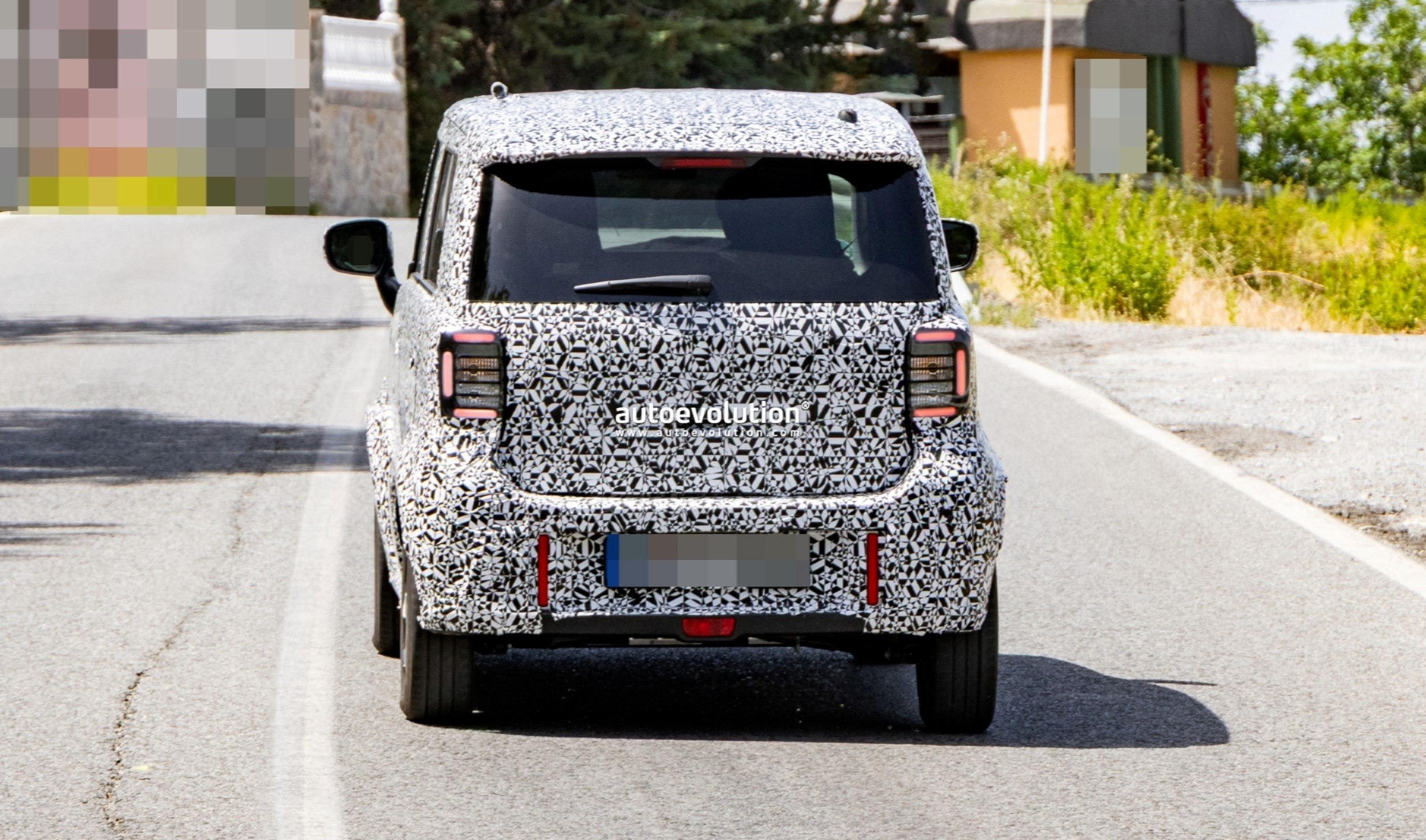
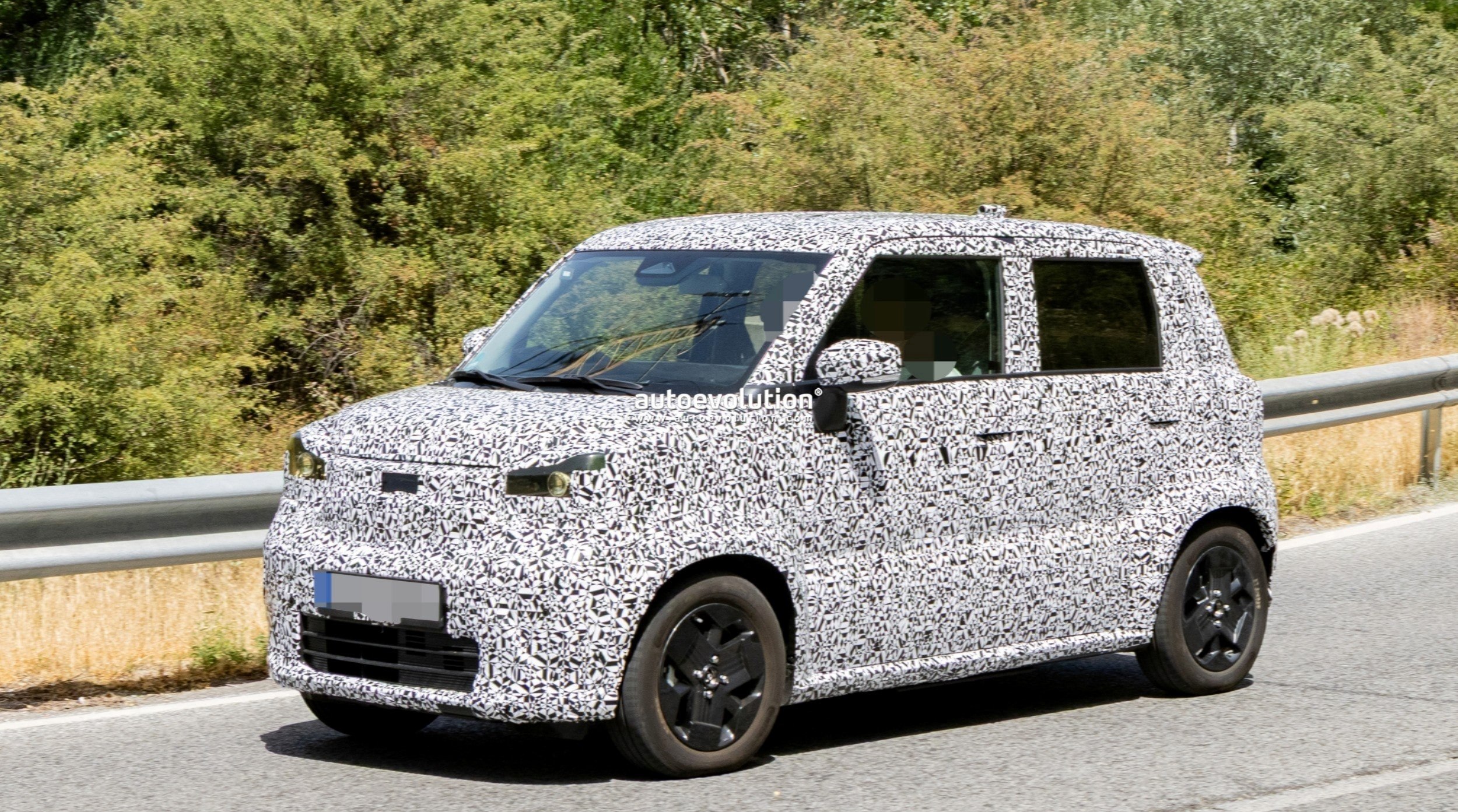
Suzuki is developing a new global electric kei car aimed at urban drivers in Europe and beyond. The prototype, heavily camouflaged but clearly inspired by the 2025 Vision e-Sky concept, was recently spotted in public with European plates. This compact electric hatchback is expected to arrive in spring 2027 as an affordable and practical city car below the Suzuki Swift.
Design and Size
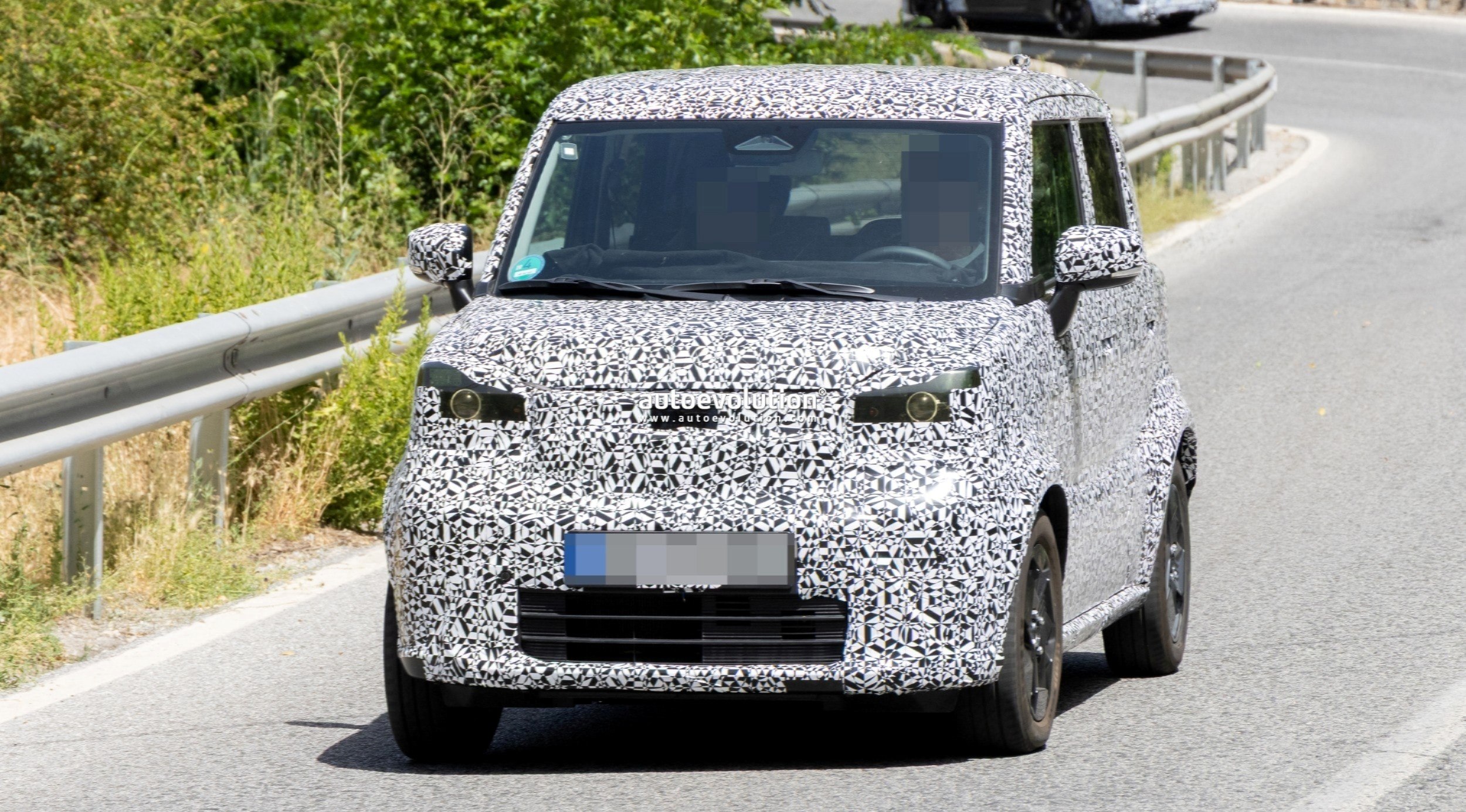
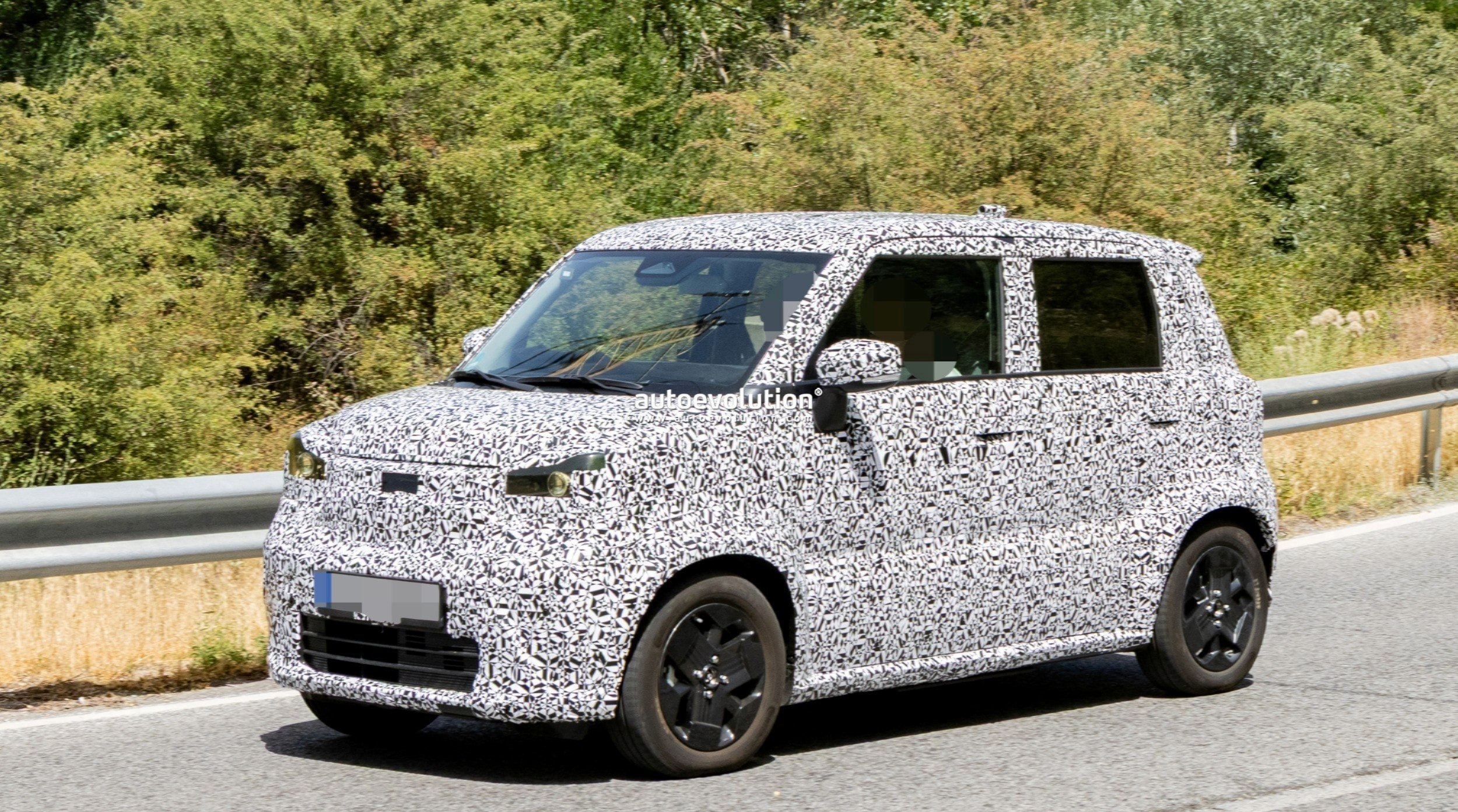
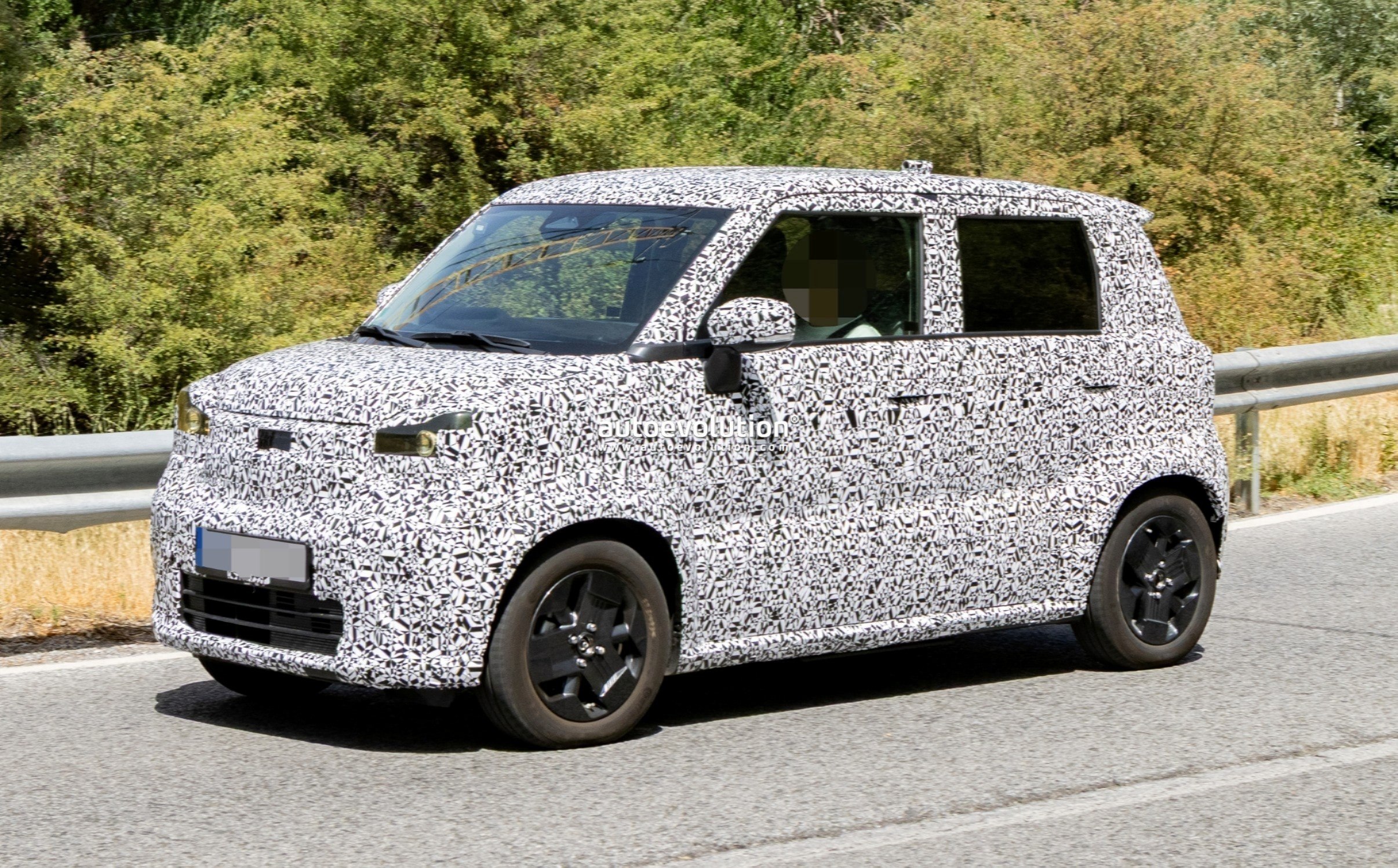
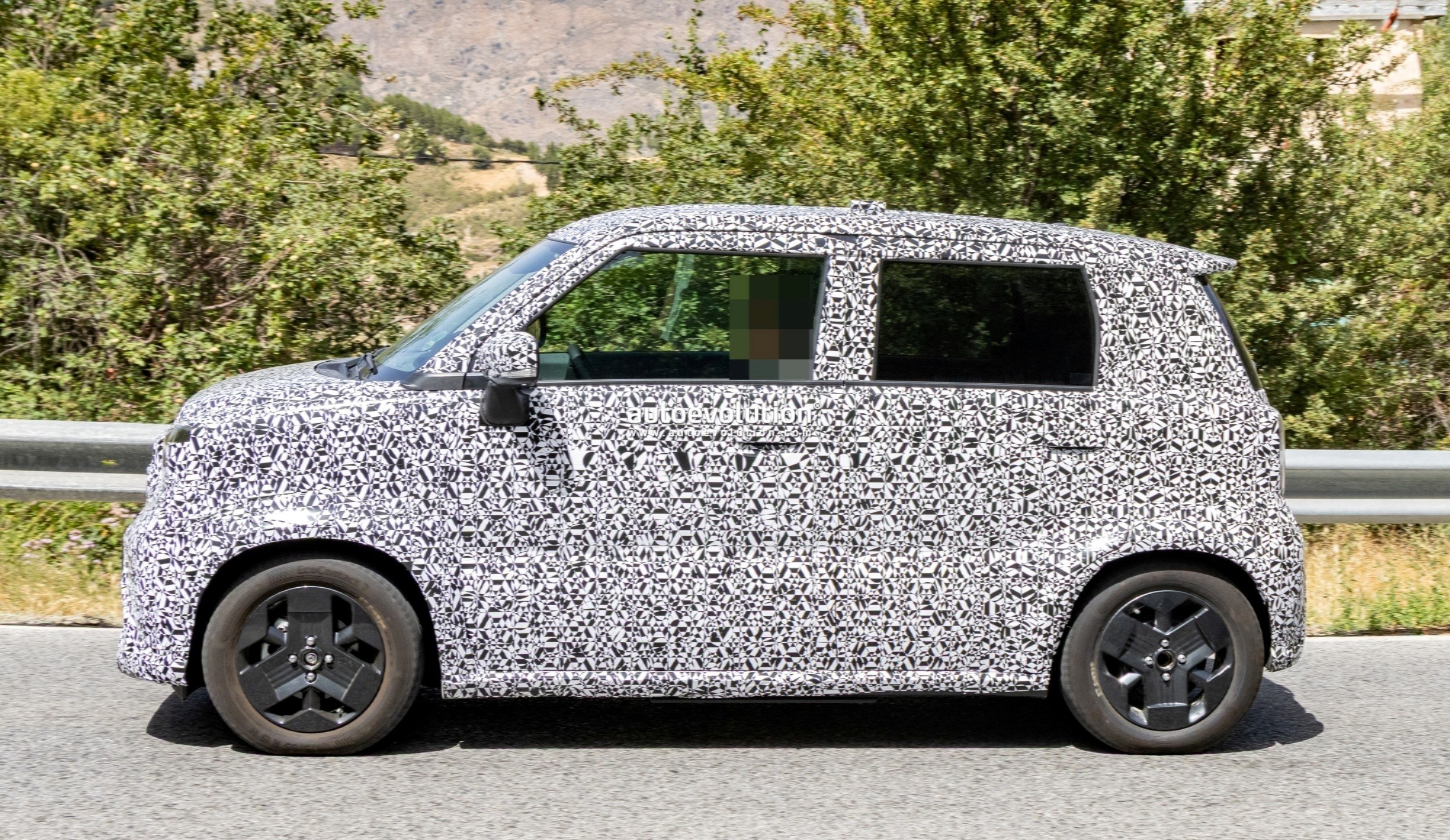
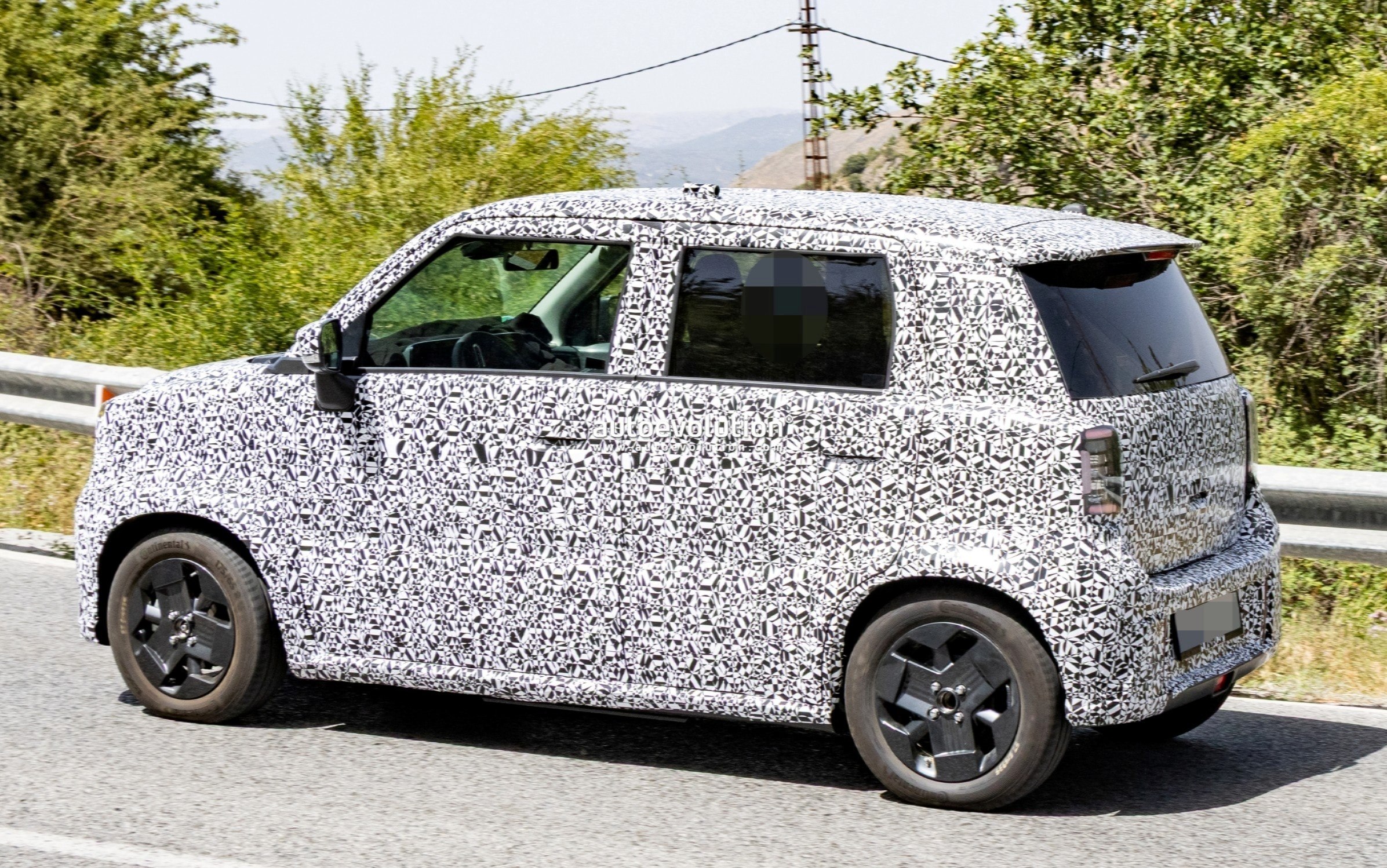
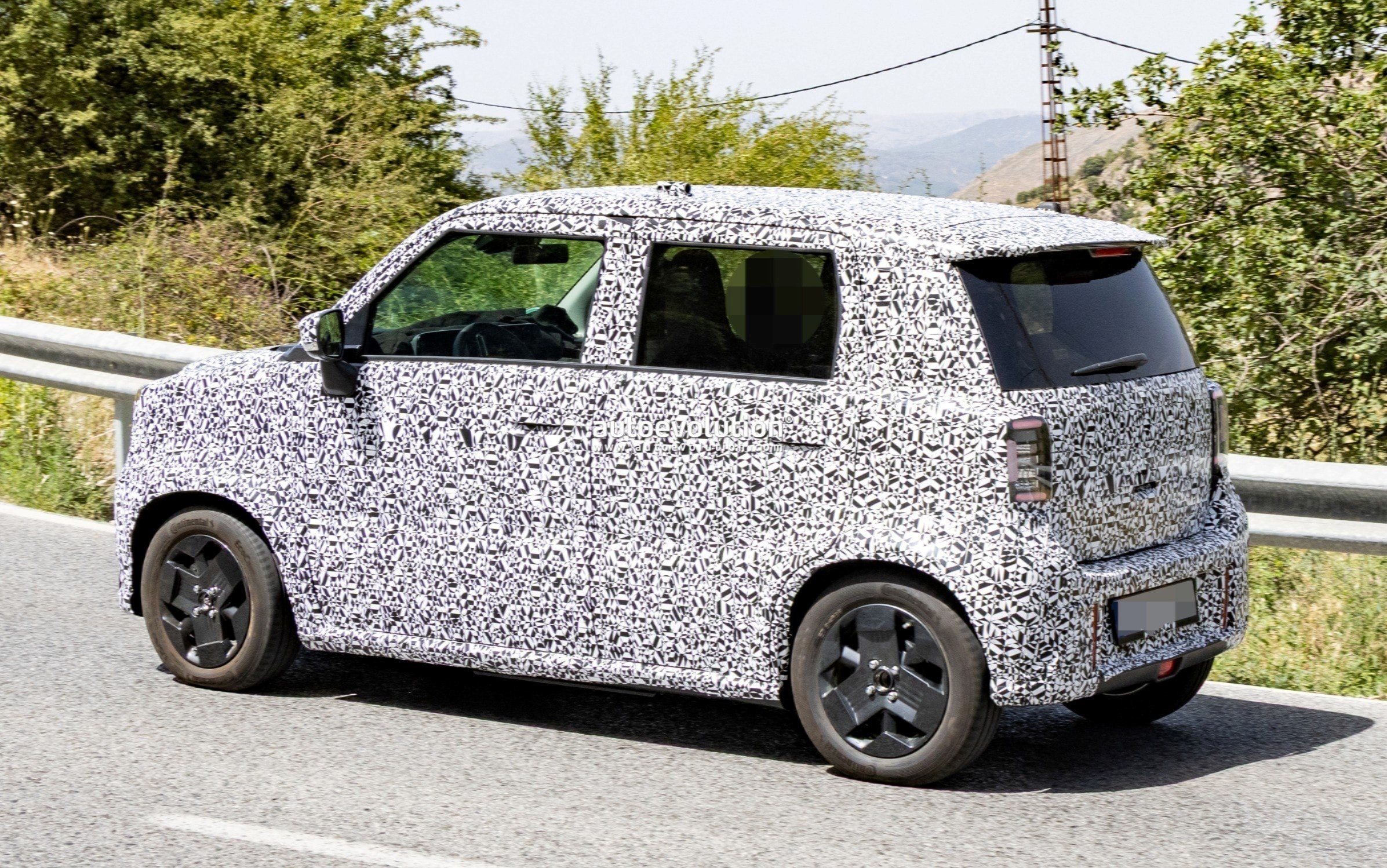
The production model sticks closely to the Vision e-Sky’s upright silhouette and short overhangs. Its compact length, around 3,395 mm (133.6 inches), makes it smaller than the Dacia Spring and much shorter than the Swift and Ignis. The tall body is designed to maximize interior passenger and cargo space despite its small footprint.
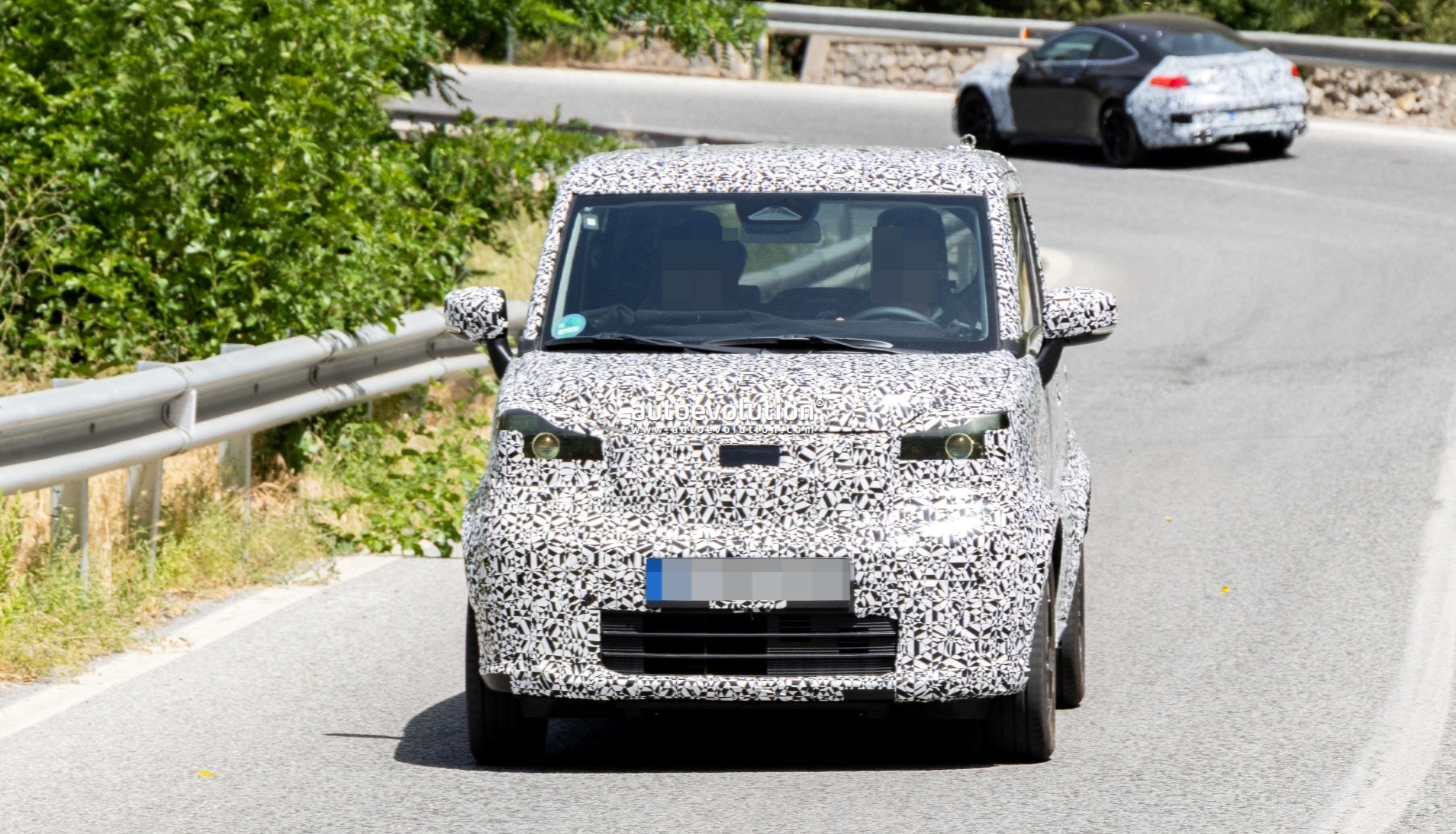
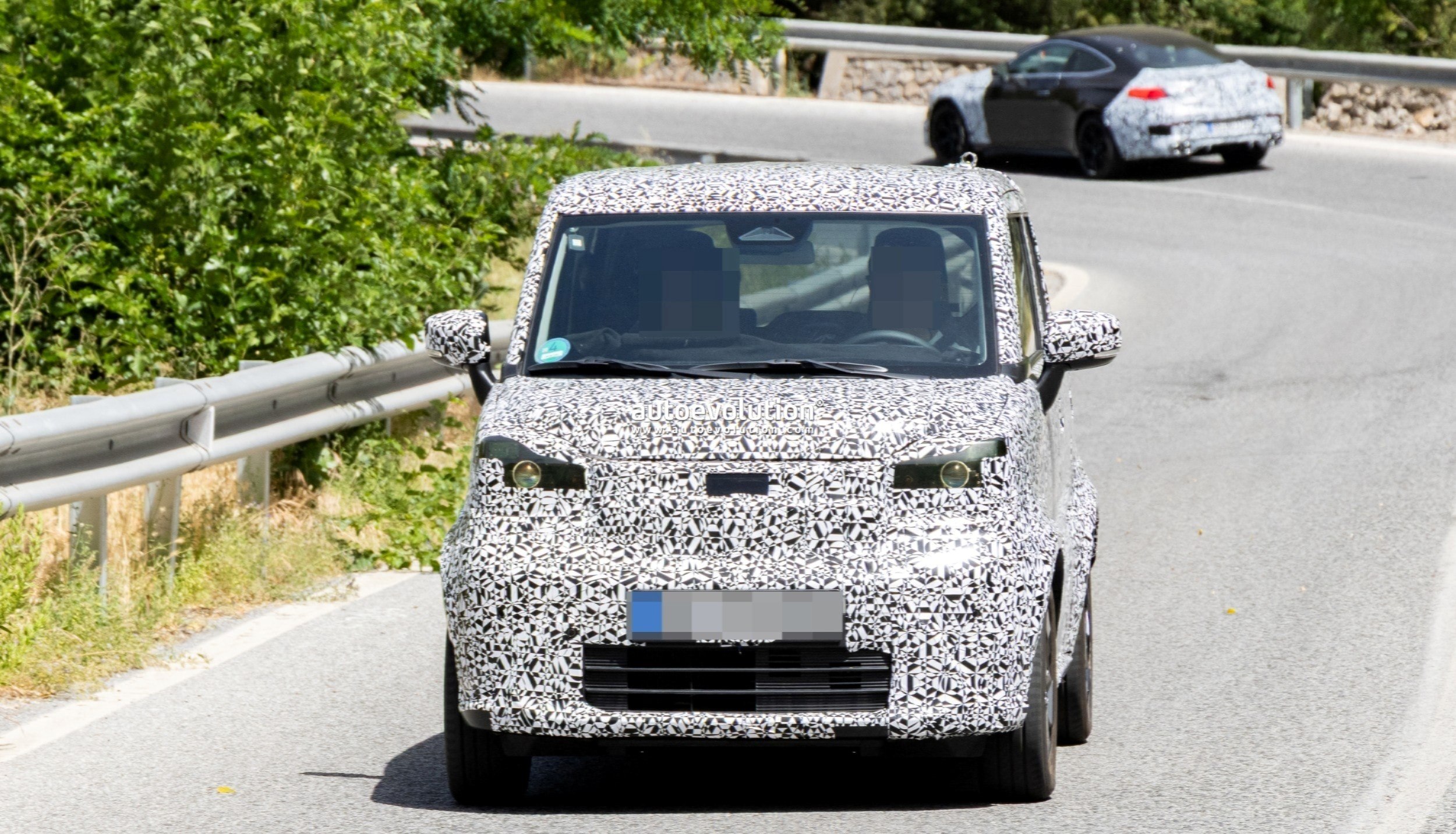
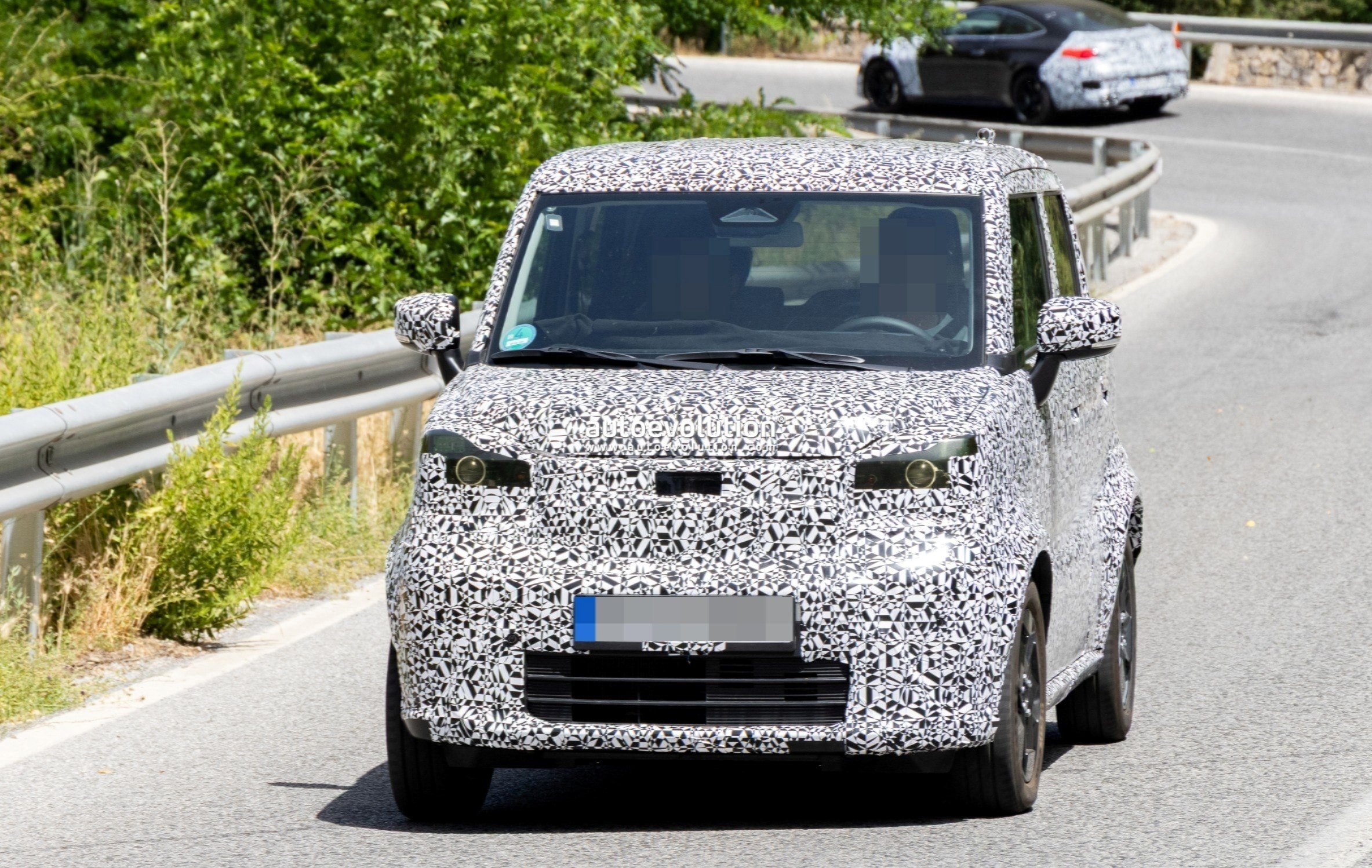
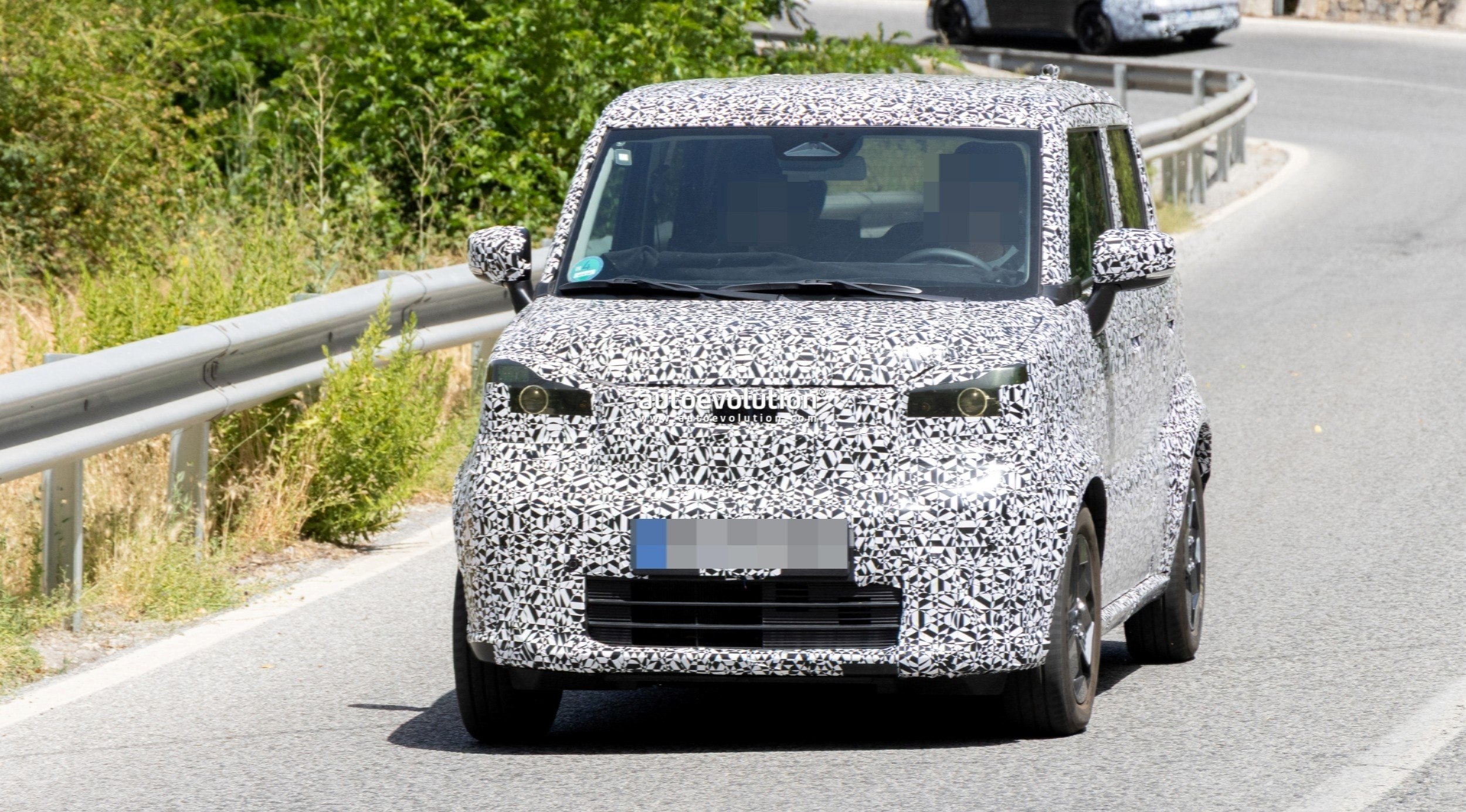
- Nearly vertical front and rear ends
- Simplified lighting graphics compared to the concept
- Larger mirror units and conventional door handles instead of flush types
- Left-hand drive with European license plates
Powertrain and Range Expectations
Official details on the electric drivetrain are still under wraps. However, the Vision e-Sky concept was expected to deliver a driving range of over 270 kilometers (168 miles) under the WLTP combined cycle. This would place it ahead of rivals such as the Honda Super-N (206 km) and Renault Twingo E-Tech (263 km).
Market Positioning and Pricing
The kei electric hatchback targets budget-conscious drivers who need efficient urban mobility. Expected pricing in the UK could be under £20,000 (approx. €23,000), making it competitive in the affordable city car segment.
- Slotting below the Suzuki Swift
- Competes with Honda Super-N, Renault Twingo, Dacia Spring, and others
- Will complement the India-built Suzuki eVitara in Europe
Why It Matters
This upcoming Suzuki kei electric hatchback addresses the growing demand for cheap and practical EVs in Europe. As emission regulations tighten, affordable, space-efficient electric cars will become vital for brands aiming to meet fleet targets. Suzuki’s move also highlights the rising role of kei car concepts beyond Japan, marking a potentially strong entry in the A-segment electric vehicle market.
Source: autoevolution.com