
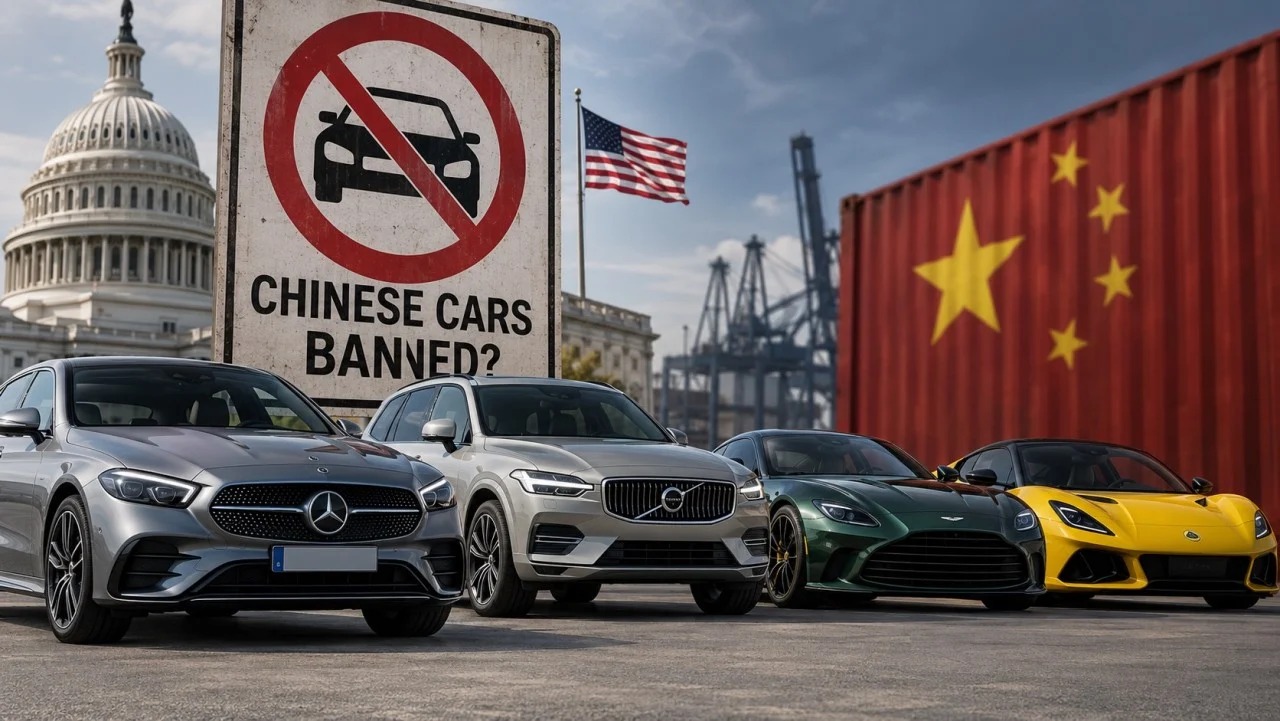
The United States is working on a law aimed at limiting the presence of Chinese vehicles and technology in its market. However, this plan could unintentionally affect major European car brands like Mercedes-Benz, Volvo, Aston Martin, and Lotus due to their Chinese ownership stakes.
Ownership Threshold Threatens European Brands
The draft legislation, known as the Connected Vehicle Security Act of 2026 (S.4429), passed a key Senate committee in July. It aims to restrict vehicles and related technologies connected to China and other nations considered adversaries by the US government. The key point is a proposed ownership limit: companies with more than 15% ownership by Chinese entities could face barriers to selling in the US.
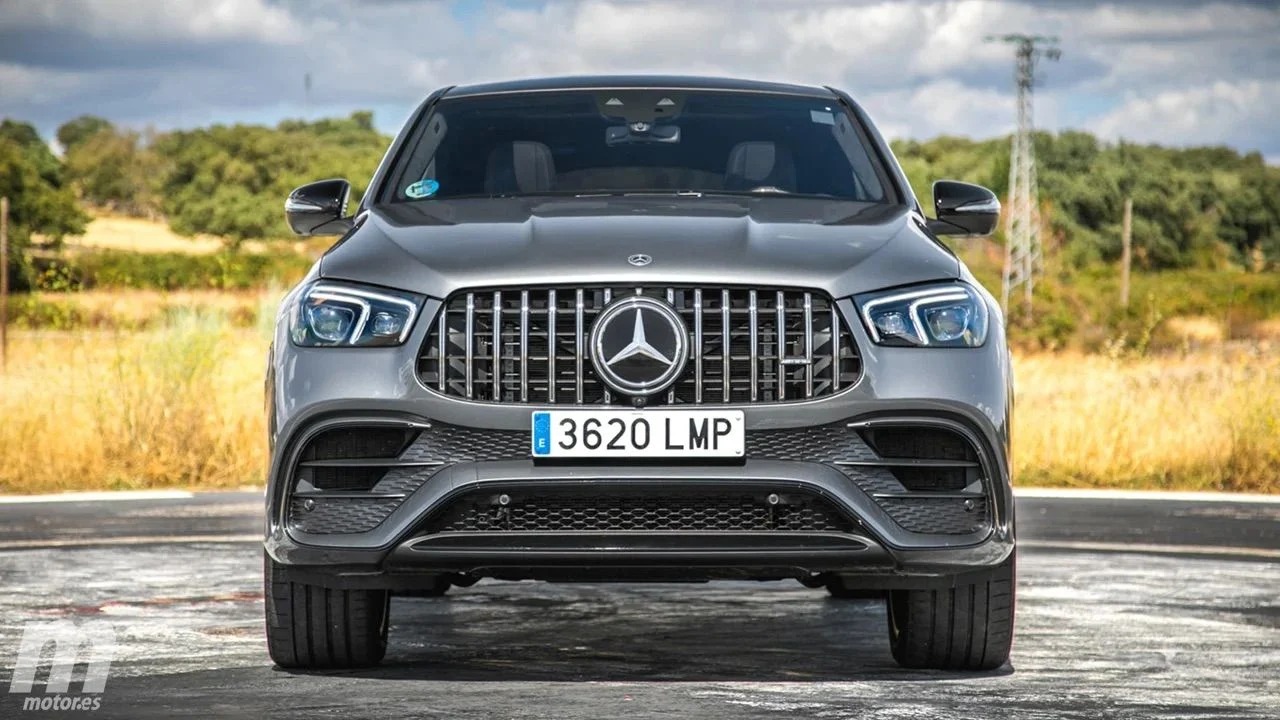
This rule specifically puts Mercedes-Benz under scrutiny. While not directly controlled by Chinese firms, two major shareholders—a nearly 10% stake each from BAIC Group and Geely founder Li Shufu’s investment—combine for about 20% ownership. This exceeds the 15% threshold set by the bill.
Geely’s Influence Extends to Multiple Brands
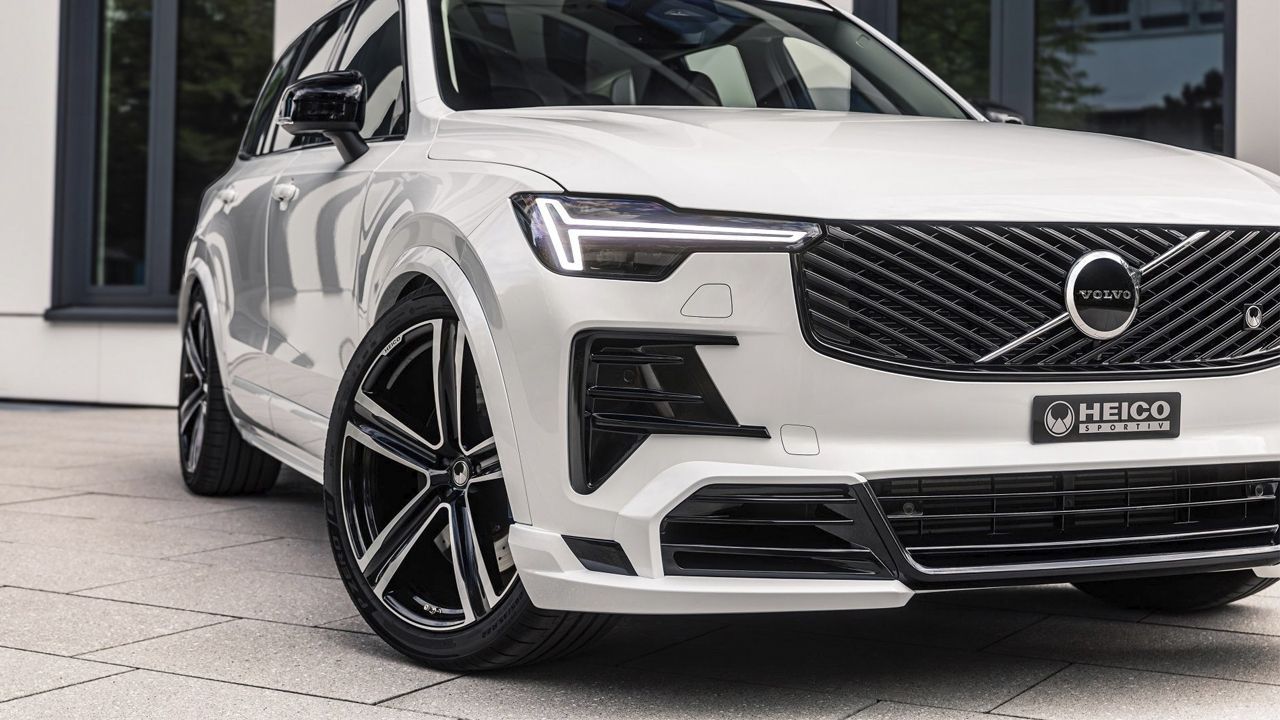
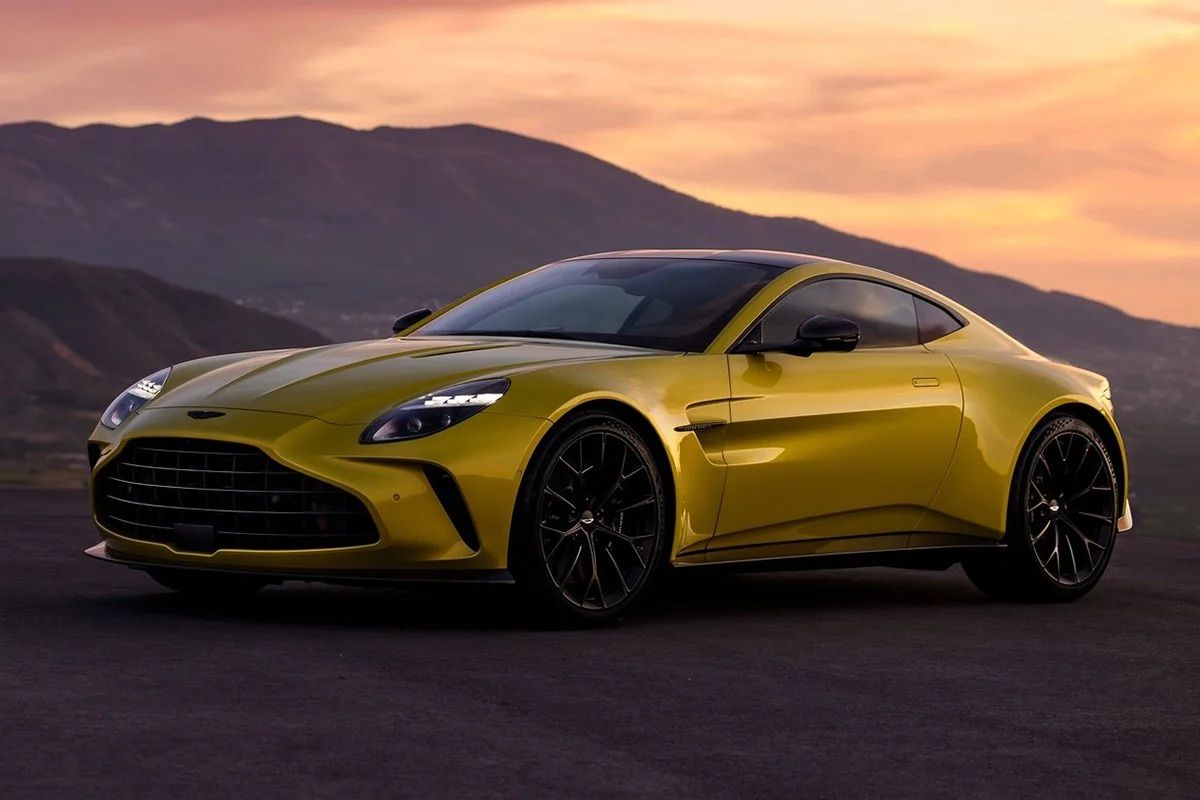
Mercedes is not alone. Volvo Cars is majority-owned by Geely, a Chinese automaker, a relationship that began in 2010 when Geely purchased the Swedish brand from Ford. Geely also holds about 17% of Aston Martin and has majority control of Lotus. These ownership links put all four brands at risk under the proposed legislation.
Senator Bernie Moreno, one of the bill’s sponsors, has acknowledged concerns over these unintended consequences. He confirmed ongoing discussions to adjust the proposal to avoid blocking European carmakers from US sales.
Bill Still Under Debate, Not Yet Law
The proposal currently enjoys significant political support, with backing from 51 senators and over a hundred representatives. However, some opposition remains due to possible impacts on companies like Mercedes. Senator Rand Paul has voiced concerns about the bill’s broader effects.
Currently, none of these European brands are banned from the US market. The bill aims to create a more permanent legal barrier on top of existing restrictions like tariffs and software limitations against Chinese cars and parts.
The Challenge of Global Automotive Ties
This situation highlights how interconnected the global car industry has become. A rule targeting Chinese manufacturers such as BYD or Geely could also affect well-known European names, simply because of shared ownership. The final wording of the law will need to navigate these complexities carefully to avoid unintended damage to established automakers.
Source: motor.es