
Stellantis’ SRT division is testing a new powertrain technology called eBoost Air. Its goal is to reduce the delay commonly felt before large turbochargers deliver full boost, known as turbo lag. The system adds an electric compressor to help spool the turbochargers faster, promising better throttle response without losing peak power.
How eBoost Air Works Differently
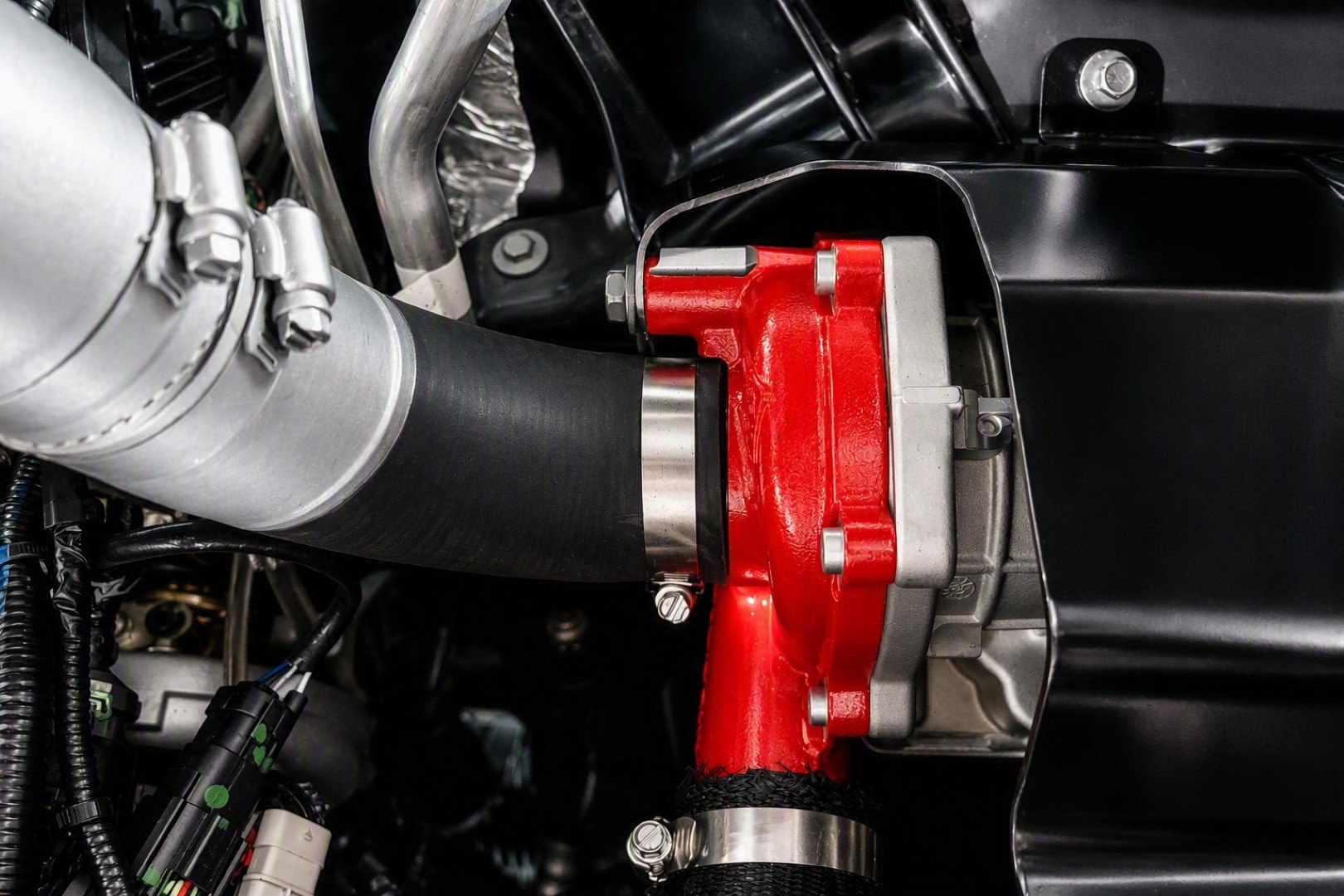
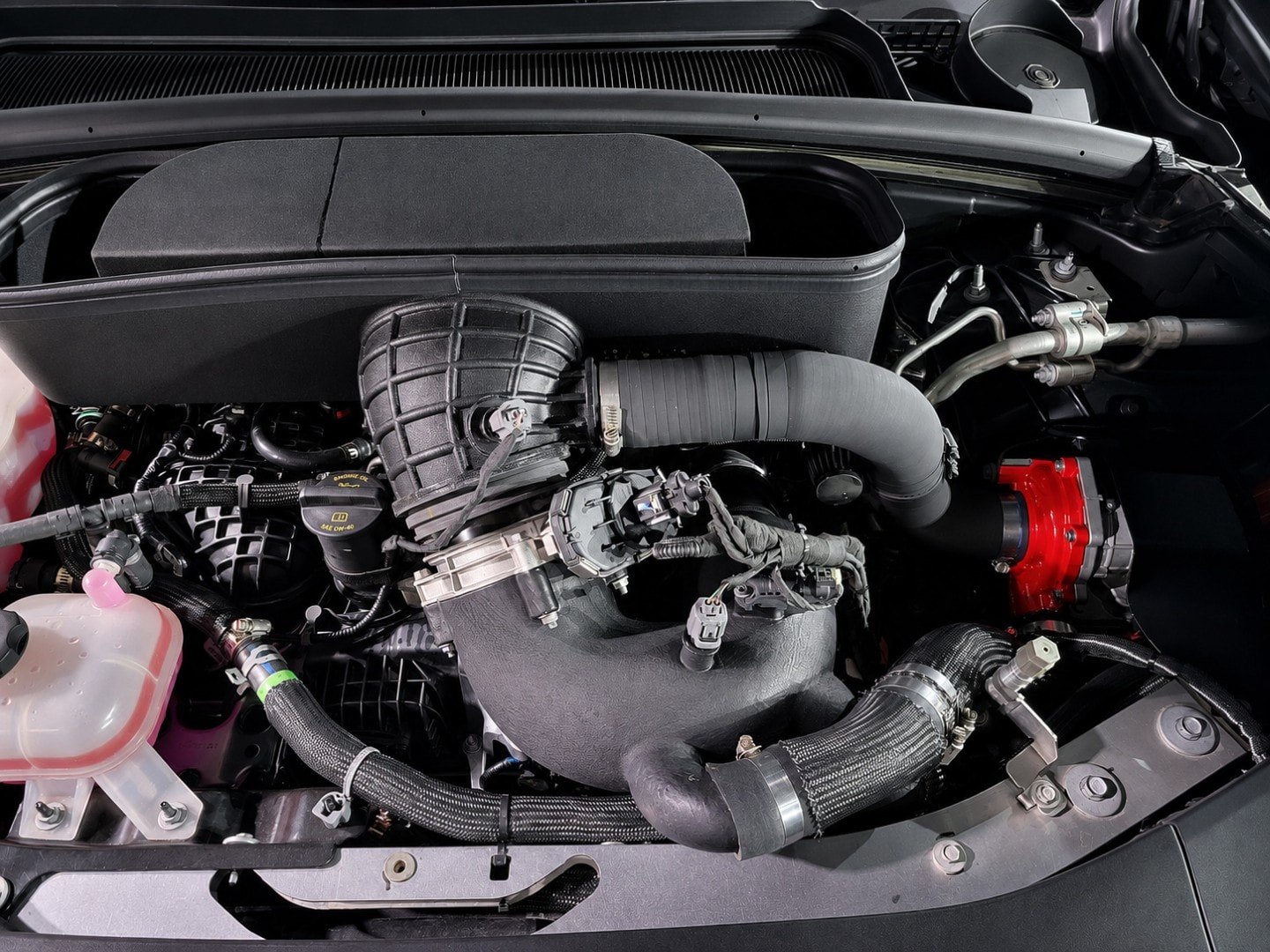
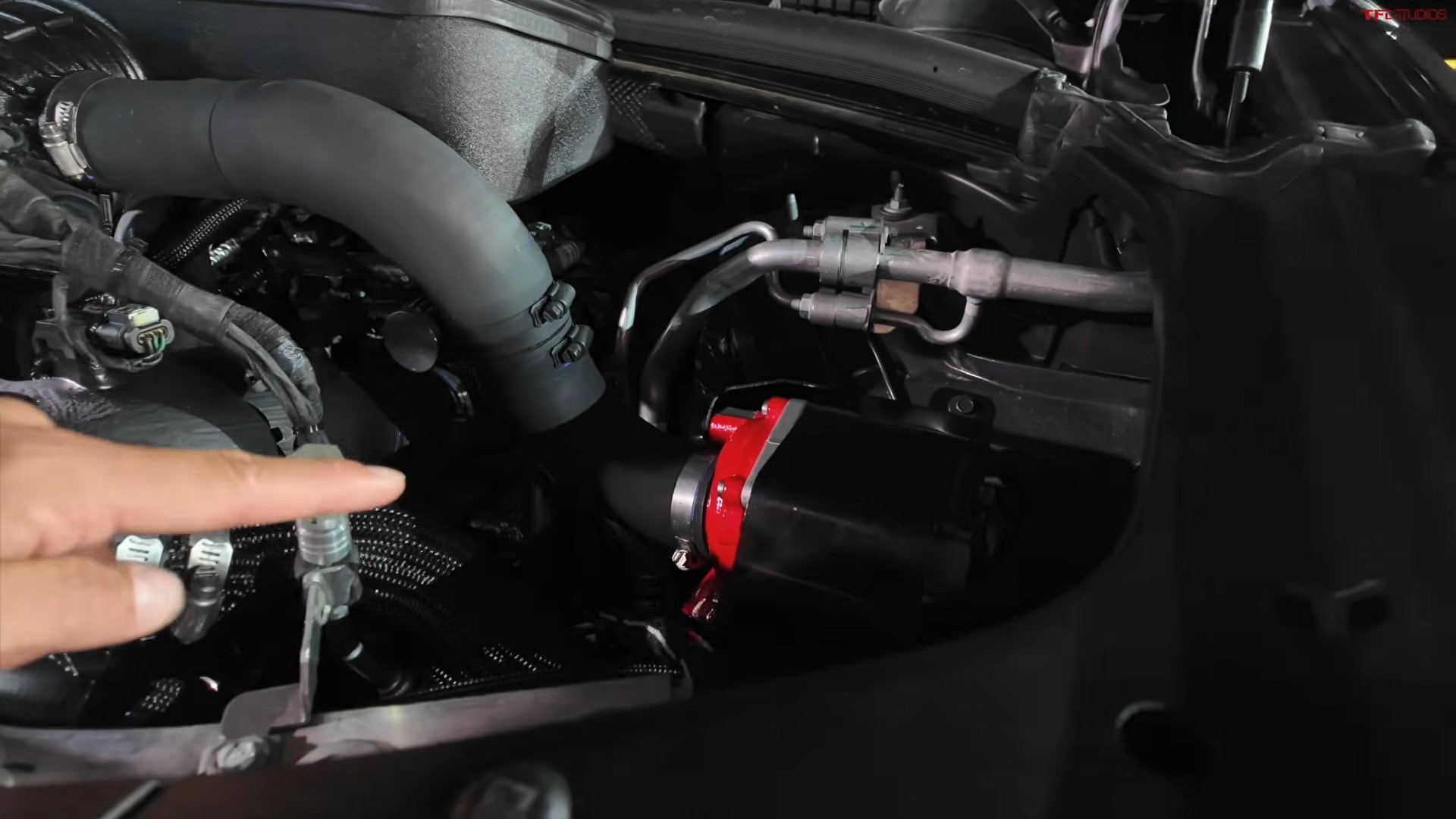
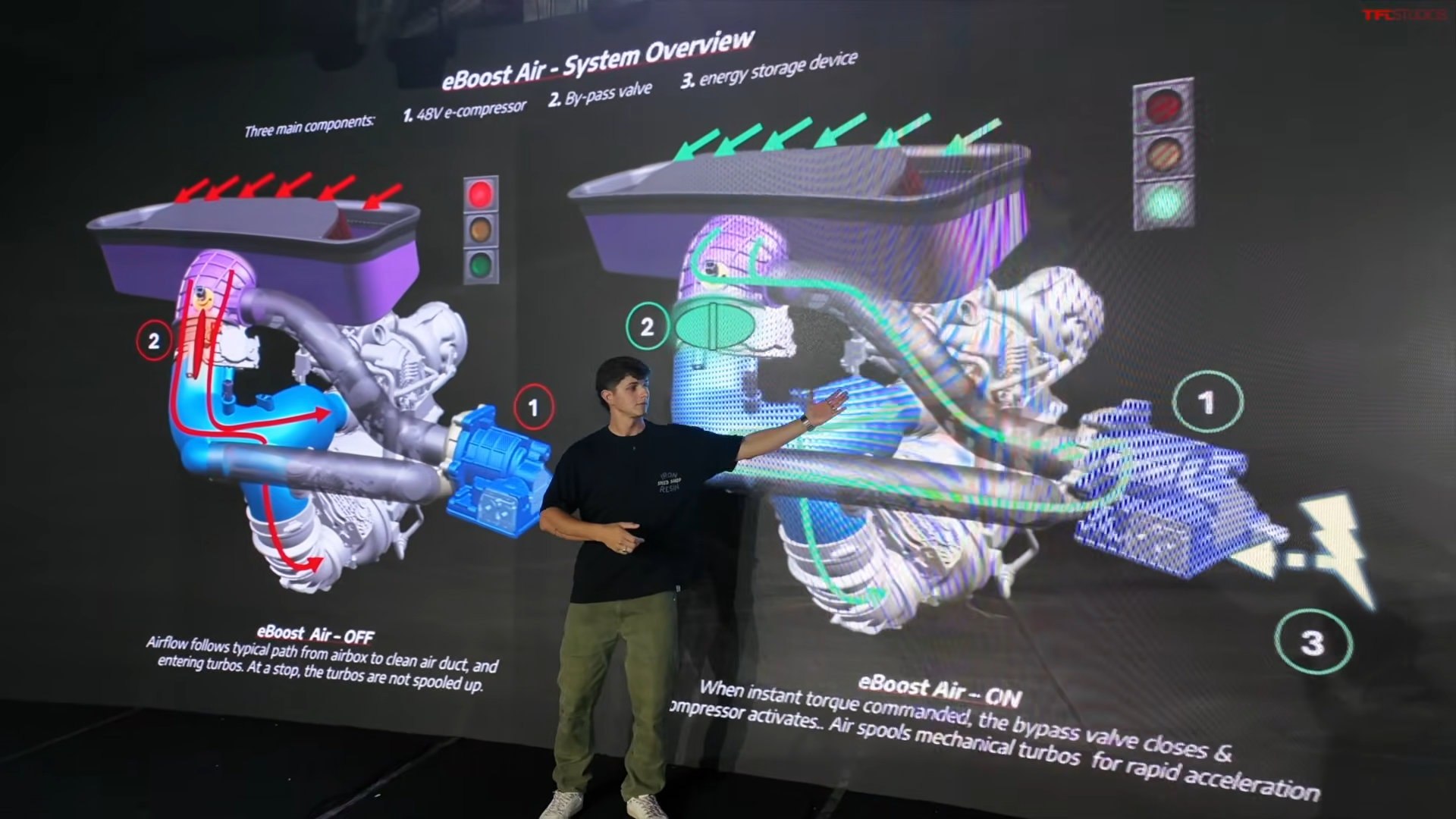
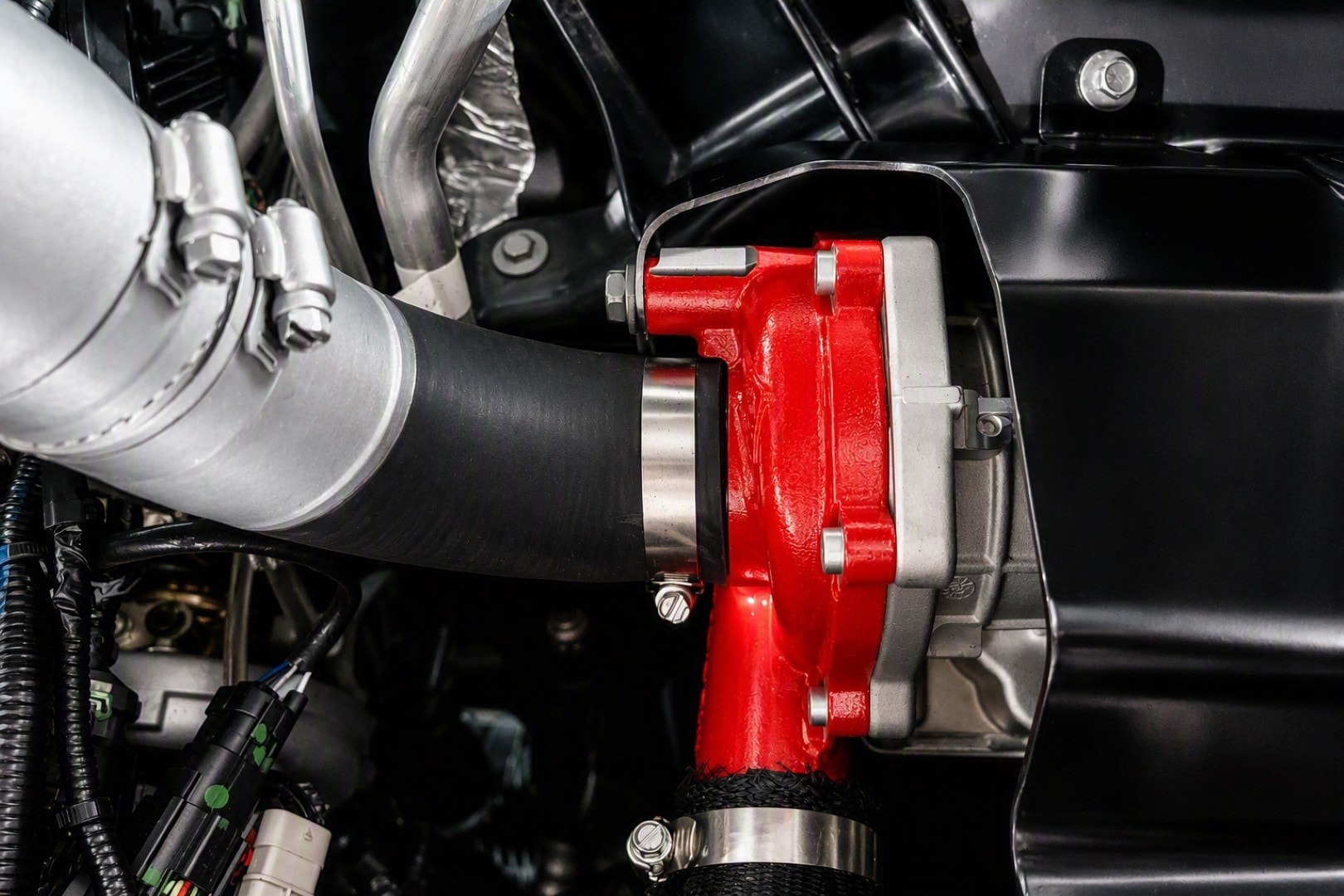
The eBoost Air concept pairs an electric compressor with a traditional exhaust-driven twin-turbo setup. Unlike some electric turbochargers that spin the turbo shaft directly, SRT’s system places the electric compressor upstream in the intake tract. This compressor quickly pressurizes air right from idle, helping the turbochargers reach operating speed sooner.
The system includes an electronic bypass valve that directs intake air through the electric compressor until the exhaust-driven turbos can maintain boost on their own. Once the turbos spool fully, the airflow returns to normal, and the electric compressor steps back.
This design resembles Audi’s earlier EPC system rather than the electric turbochargers seen on Mercedes-AMG F1 technology or related road cars. It may offer simpler integration and less complexity for existing engines.
Prototype Testing Shows Promising Results
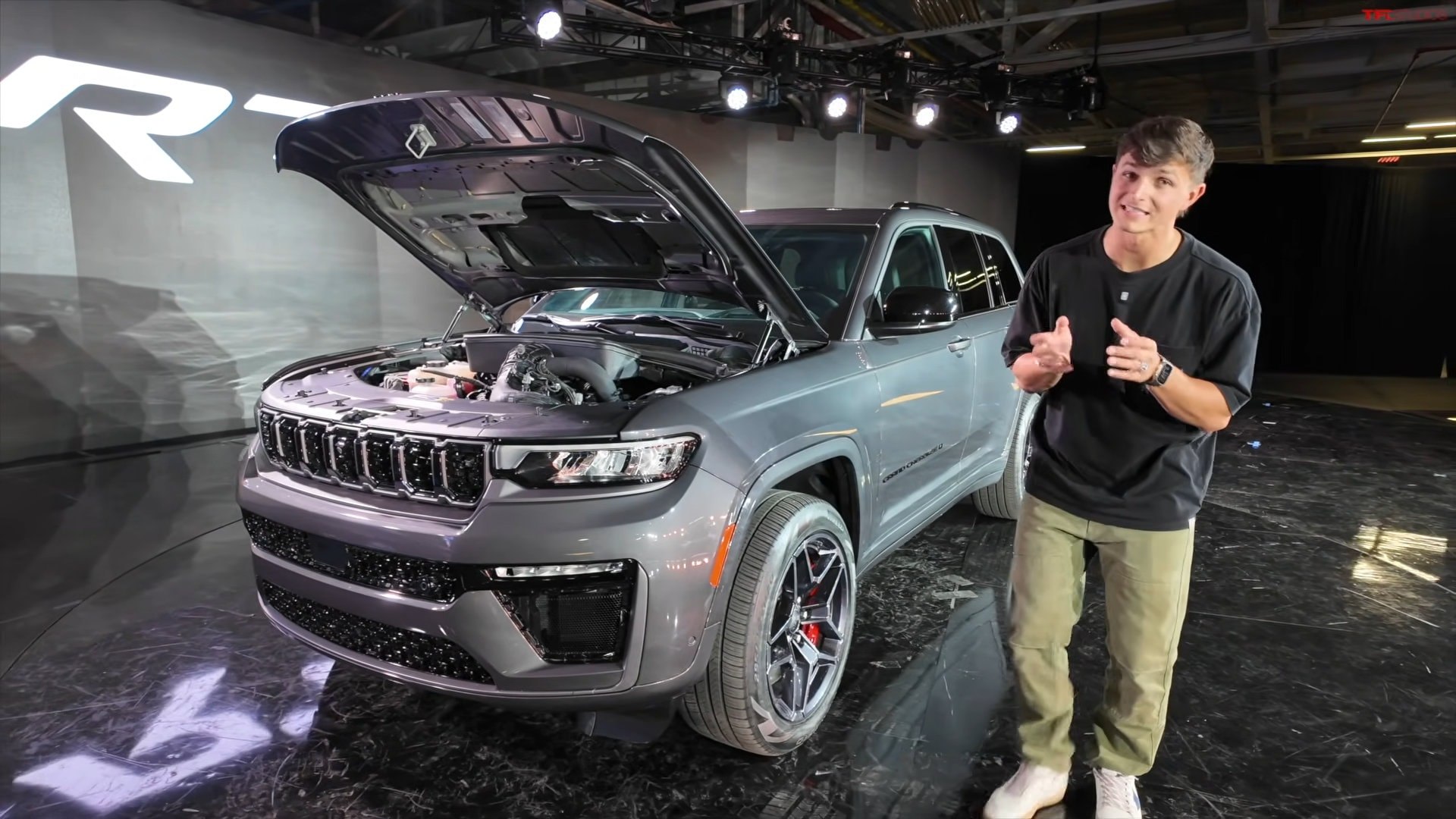
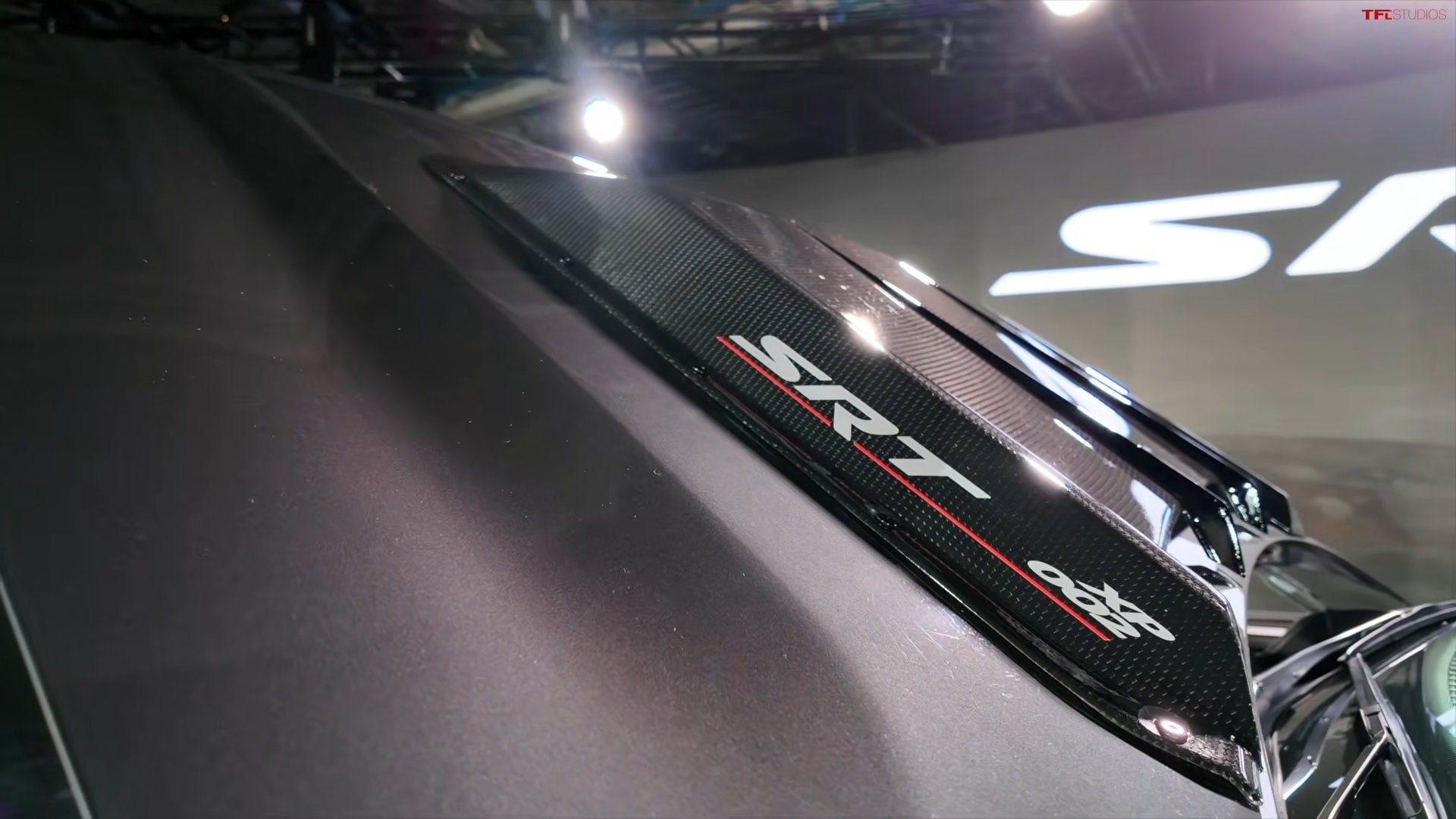
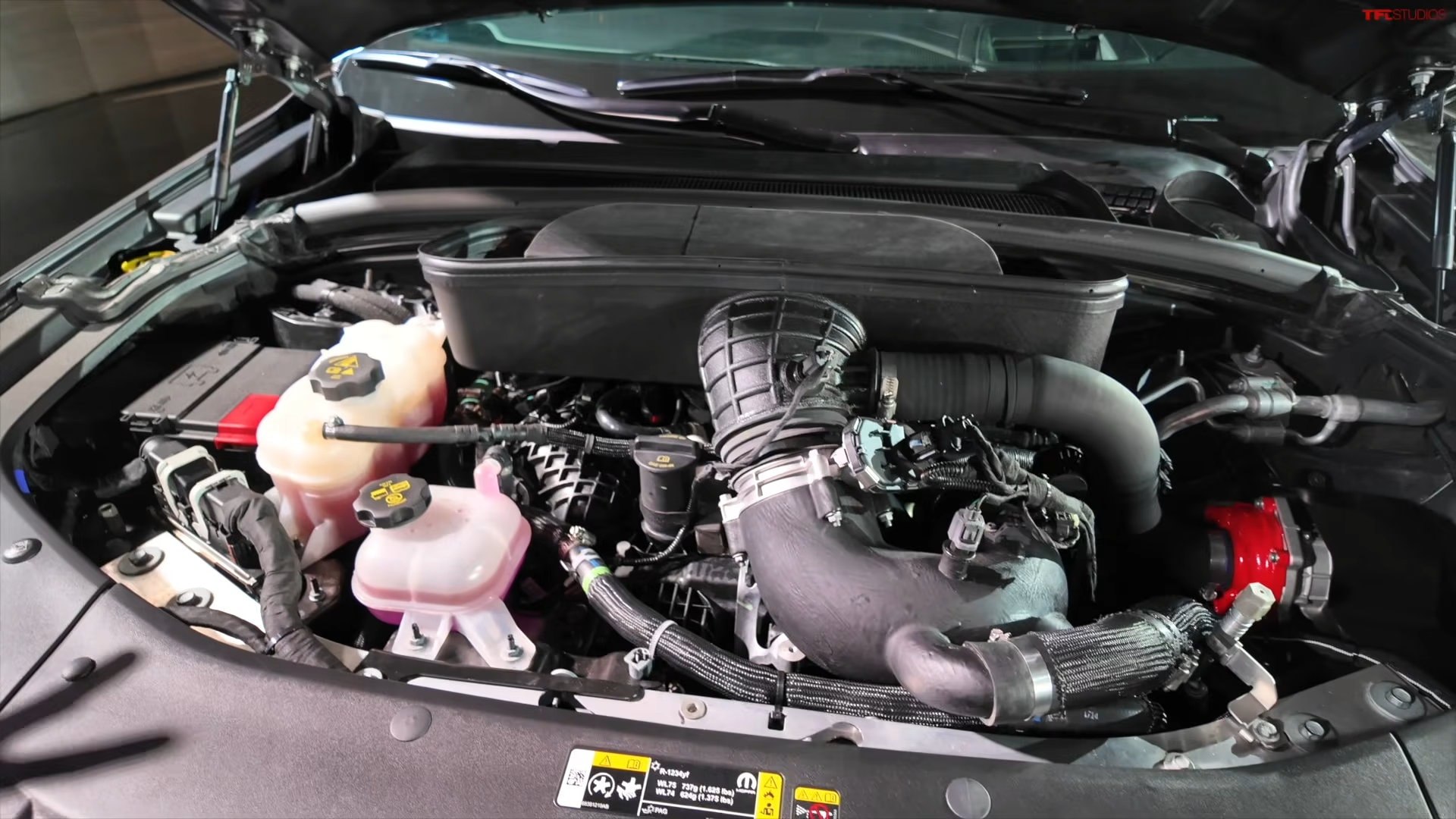
SRT has fitted the eBoost Air system to a 3.0-litre Hurricane twin-turbo inline-six engine, installed in a Jeep Grand Cherokee prototype. This setup reportedly produces around 640 horsepower and 600 lb-ft (813 Nm) of torque.
The quick move from concept to working prototype suggests Stellantis might be considering this technology for production models. If introduced, eBoost Air could give large turbocharged engines the instant throttle response of smaller forced-induction units without sacrificing high-end power.
Turbo lag remains a key challenge for powerful turbocharged engines, especially those using larger turbochargers that need higher revs to spool effectively. Technologies like eBoost Air aim to bridge that performance gap with electrical assistance, offering a smoother driving experience.
More information will likely appear as SRT continues developing and testing eBoost Air ahead of any wider release.
Source: autoevolution.com