
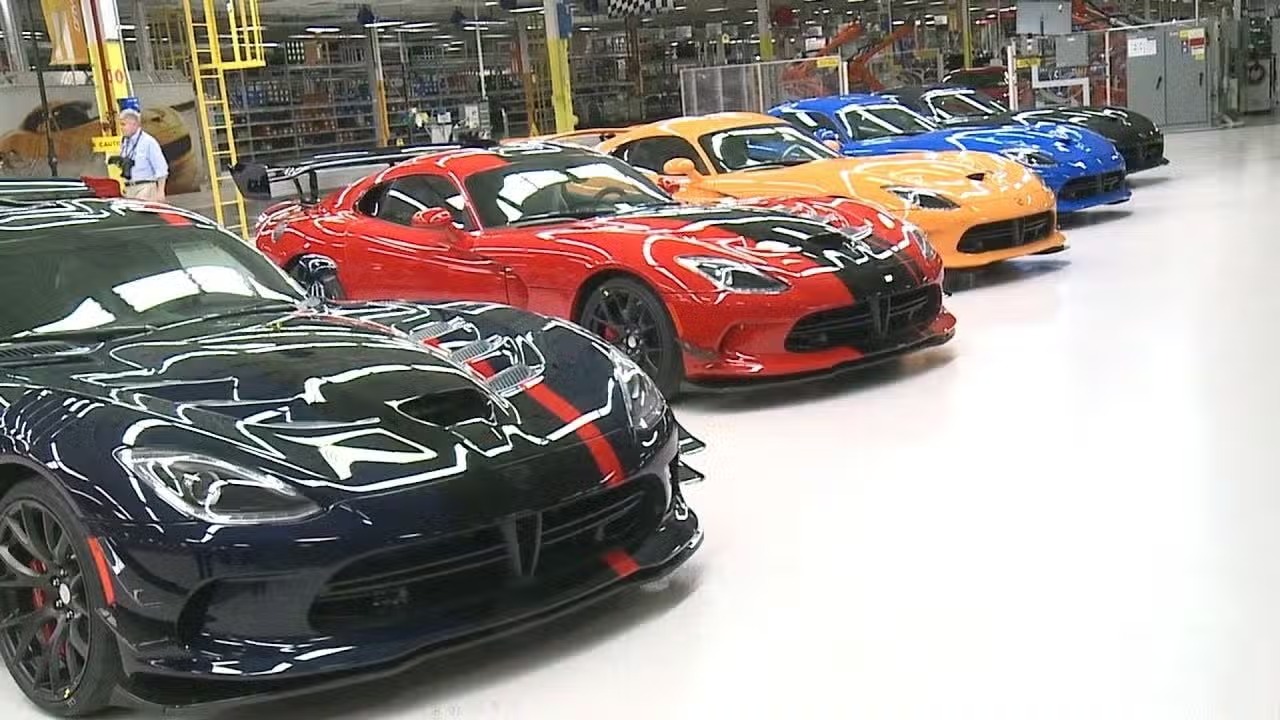
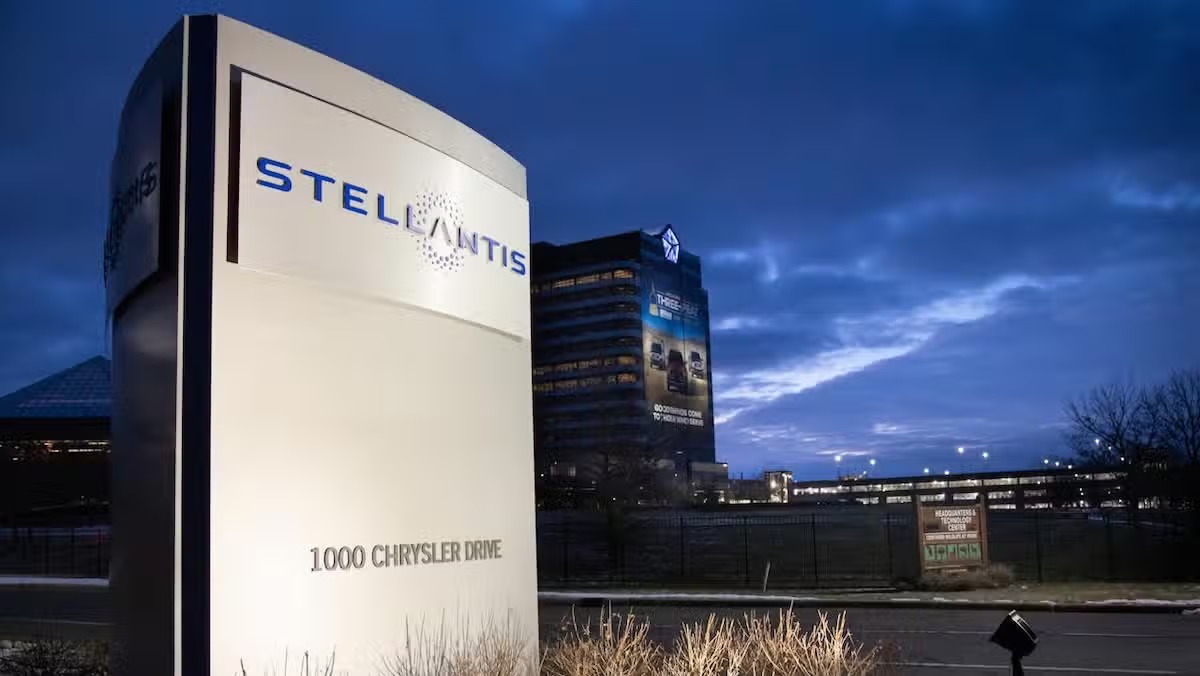
Stellantis is considering transforming the old Dodge Viper factory in Detroit into a public venue showcasing its collection of rare and historic vehicles. Instead of restarting production, the company wants to offer changing exhibitions featuring classic cars, concepts, and prototypes linked to its American brands.
Rotating Exhibits Instead of a Traditional Museum
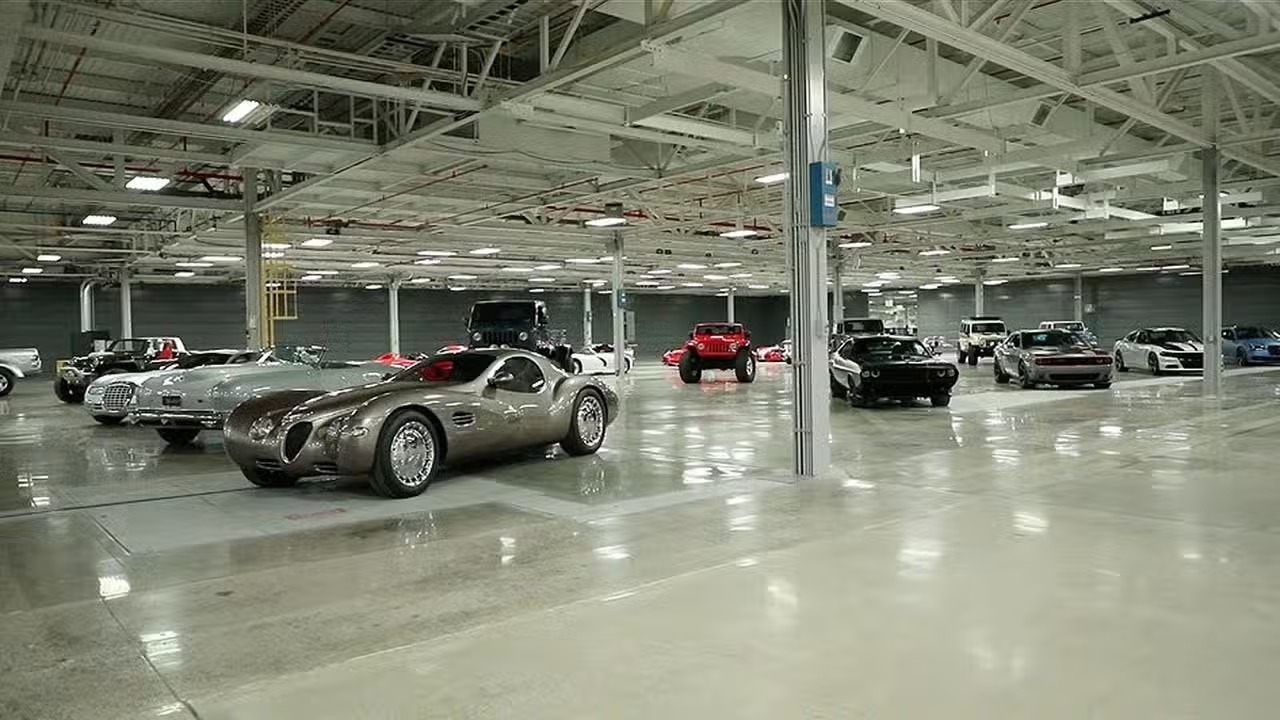
The Conner Center, which produced Dodge Vipers until 2017, currently stores hundreds of significant vehicles, many of which rarely leave storage. Stellantis design chief Ralph Gilles envisions using this collection for temporary displays rather than permanent exhibits. The themes could explore areas like manufacturing history, motorsports, movies, and experimental designs.
Tim Kuniskis, head of Stellantis’ American brands, mentioned that many cars remain scattered across various warehouses. Organizing a rotating display could bring together notable models such as Jeep concept vehicles from the Easter Jeep Safari, which show how Jeep tests extreme styles and features that usually don’t reach production.
A Diverse Collection Connecting Different Eras
The exhibitions would cover a broad range of American automotive history. For instance, postwar classics like the 1948 Chrysler Town & Country and a 1951 New Yorker could be displayed alongside a motorsport-related IndyCar safety car. Pop culture would also be represented by vehicles such as the Jeep Wrangler featured in the film “Lara Croft: Tomb Raider.”
One standout in the collection is an 840-hp Dodge Challenger SRT Demon that belonged to former Fiat Chrysler CEO Sergio Marchionne. Showing this vehicle in the former Viper assembly plant would highlight the connection between the company’s products and the leaders who influenced its recent path.
Plans and Challenges Ahead
Turning the Conner Center into a visitor-friendly space will require upgrades. Since the building was designed as an assembly plant, it lacks the necessary fire safety systems and visitor pathways for daily public access. Stellantis aims to start renovations in summer and hold trial events to assess visitor interest.
While a permanent public opening has not been confirmed, Stellantis already uses the site for events and media gatherings. This suggests the project has practical support within the company and could grow into a new way to connect enthusiasts with its rich automotive heritage.
Source: clubalfa.it