
There was a time when small, naturally aspirated gasoline engines without turbo or direct injection were ideal for short city trips. These engines handled frequent cold starts and short runs better than most modern power units. However, this kind of engine is quickly vanishing from the market, leaving many city drivers facing new challenges.
Why Short Trips Are Hard on Modern Engines
Short journeys, like a few kilometers to the grocery store or school, seem easy on cars. But in reality, they cause more wear than longer drives. Engines need time to reach their best operating temperature. Often, city driving involves stopping the engine before it warms properly. This leads to moisture and fuel residue accumulating inside the motor and exhaust.
Modern gasoline engines with direct injection can suffer when driven this way. Fuel can stick to cylinder walls and dilute engine oil, which wears out faster and requires more frequent changes. Diesel engines face even worse issues since their particulate filters need high temperature, heavy use to stay clean. Without that, they clog and can damage the engine.
The Decline of the Classic Atmosphere Engine
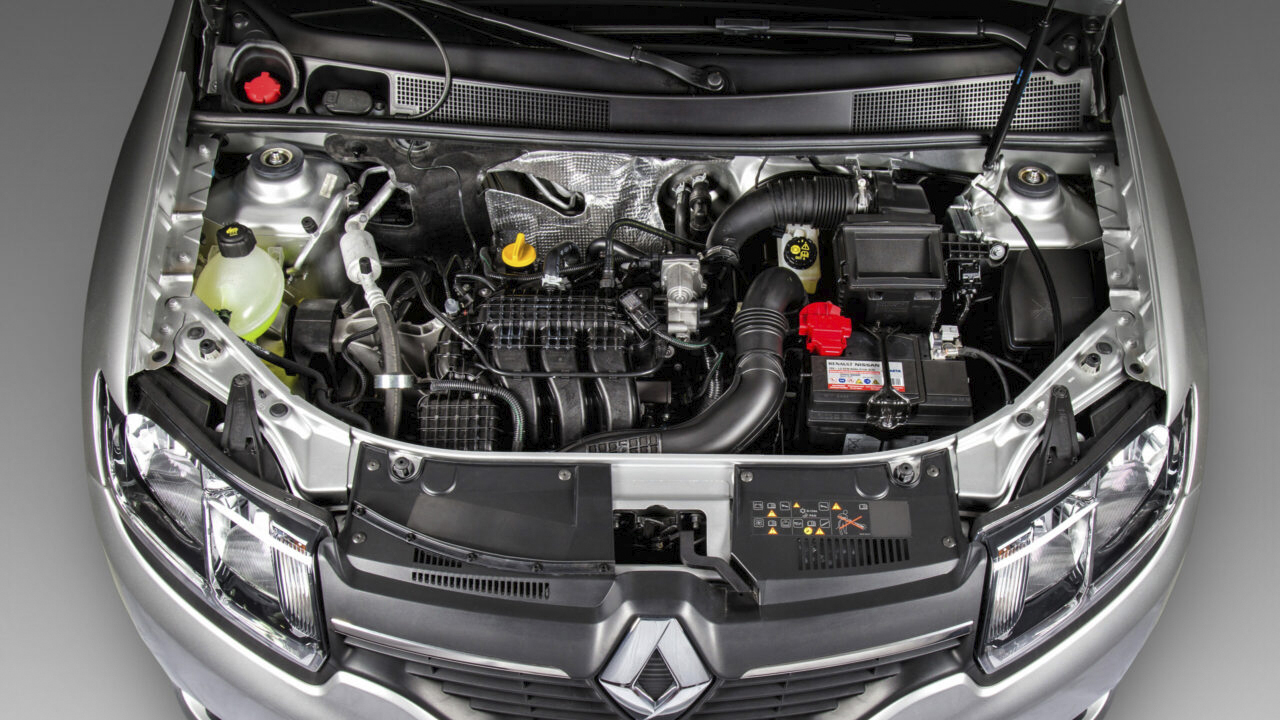
For decades, the best solution for city driving was a simple, small, naturally aspirated gasoline engine without turbochargers or direct injection. Without these complex systems, such engines didn’t have costly filters or valves that can fail during short trips. They were cheaper to run and more reliable for low mileage drivers.
But today, these “boring” engines are disappearing.
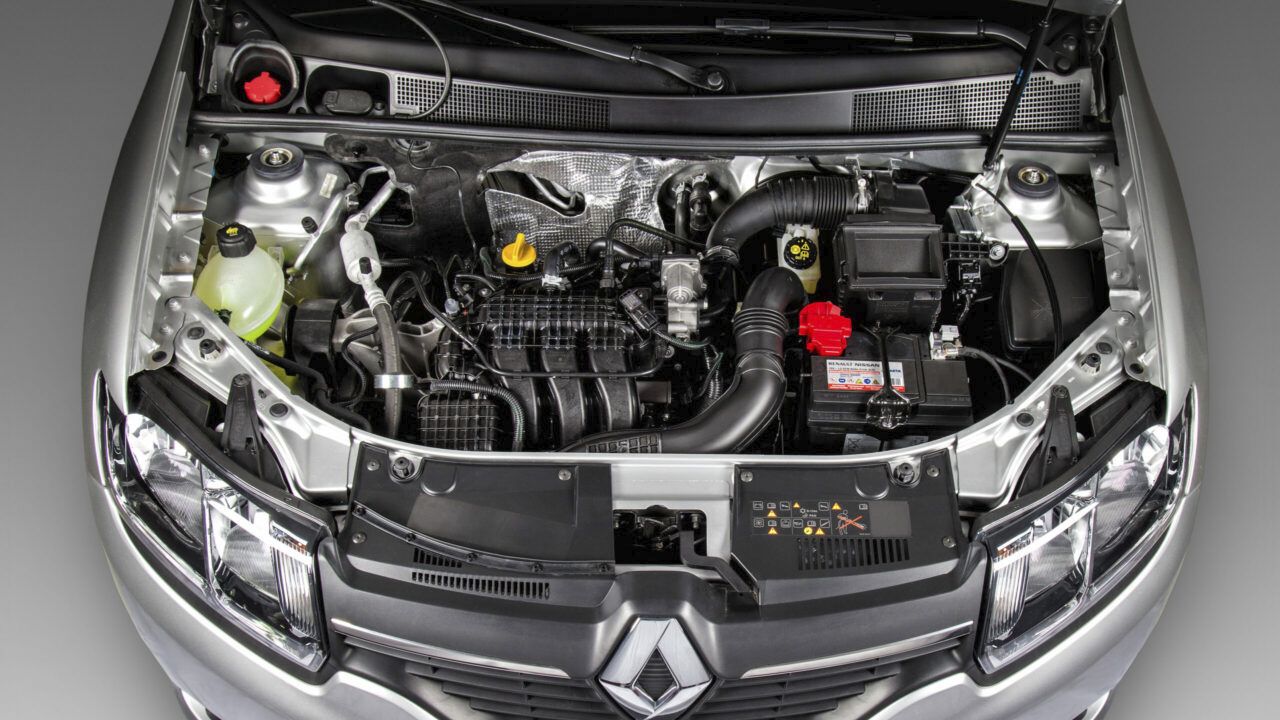
The Dacia Sandero was one of the last cars in Europe to use a basic naturally aspirated engine (the SCe). Now it’s switched to turbocharged units across the board. Even this brand, known for simple and affordable cars, is moving on from these engines. The message is clear: simple gas engines like this are nearly extinct.
What This Means for City Drivers
The push for lower CO2 and tighter emissions has pushed manufacturers toward smaller, turbocharged direct-injection engines. These are more efficient on paper but less forgiving for low-distance, stop-start city use.
If you regularly drive only a few kilometers daily, sticking with modern diesel or turbo gasoline could lead to expensive repairs. Issues like clogged particulate filters, carbon buildup on EGR valves, and turbo wear are common and costly.
At the same time, electric cars avoid these problems entirely since they have no combustion engine parts to worry about. While price and charging access remain barriers, they are technically the best choice for short trips.
Advice for Buyers
If you prefer traditional combustion engines and drive mainly short distances, finding a used car with a naturally aspirated gasoline engine is now the most honest option. Avoid new diesels for urban errands, as they are prone to reliability problems under those conditions.
Still, this choice only buys time. Emission rules and market trends mean these engines will disappear completely in the near future. For those who want low running costs and reliability, considering an electric car might be the inevitable next step—especially if charging access is convenient.
The Road Ahead
The transition away from simple gas engines highlights a mismatch between real city driving and current engine technology. Regulation-driven changes have made city cars more complex and, in some cases, less durable for everyday short trips.
As the market moves toward electrification, city drivers may find electric models more suited to their needs despite the current hurdles. Meanwhile, simple and reliable city engines become rarer, signaling the end of an era for the humble, naturally aspirated gasoline motor.
Source: Motor.es
Via: AutoDataLog
Source: motor.es