
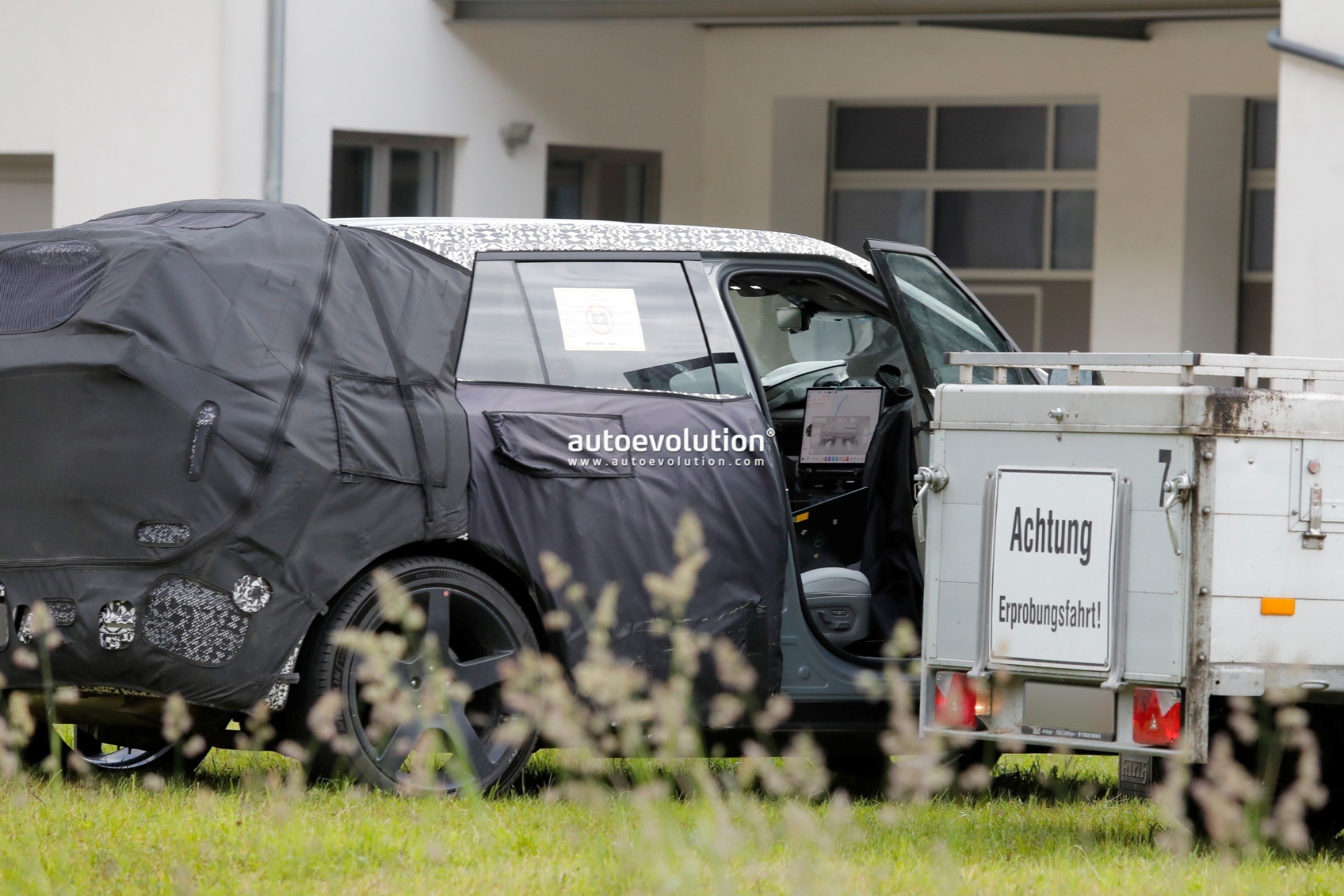
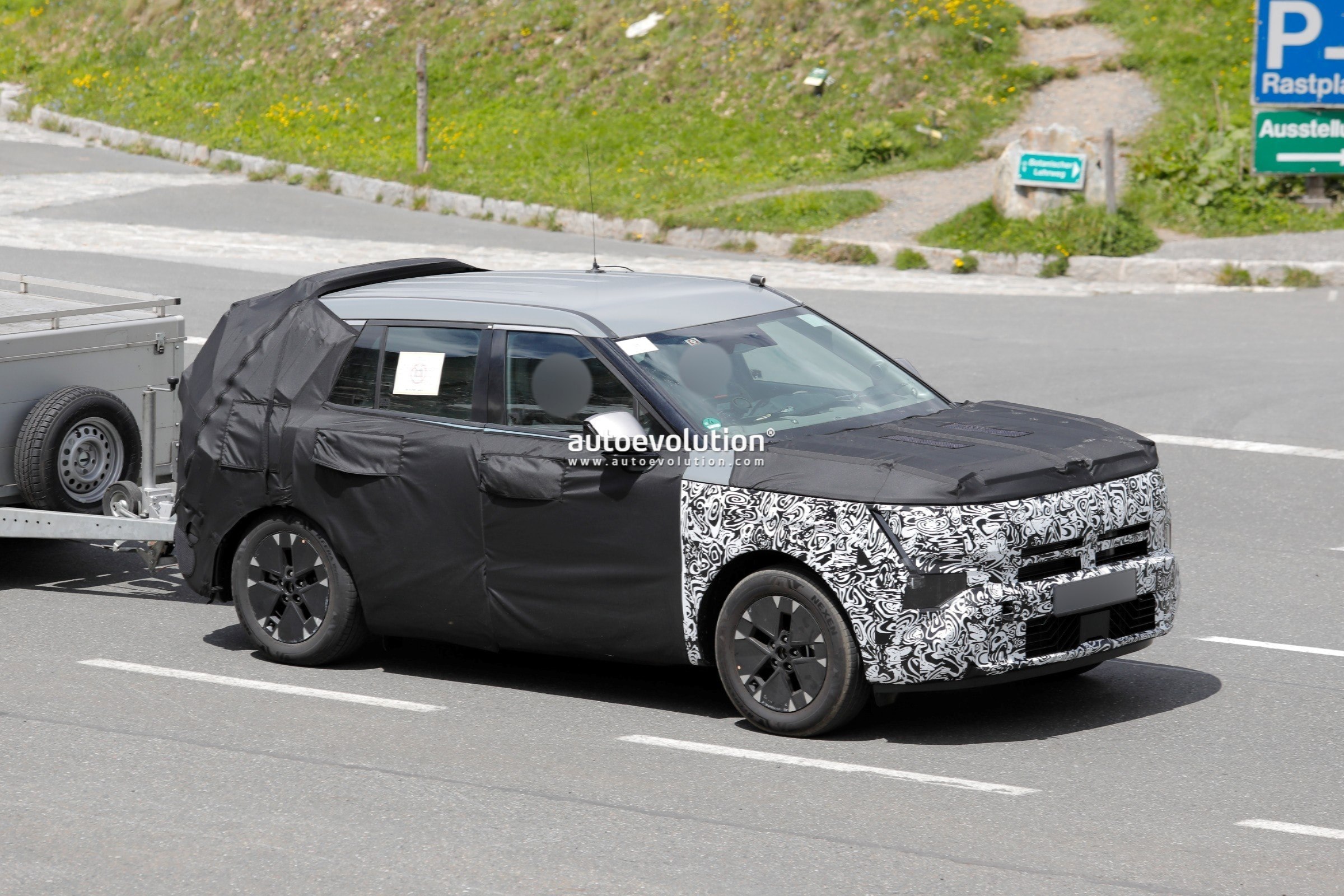
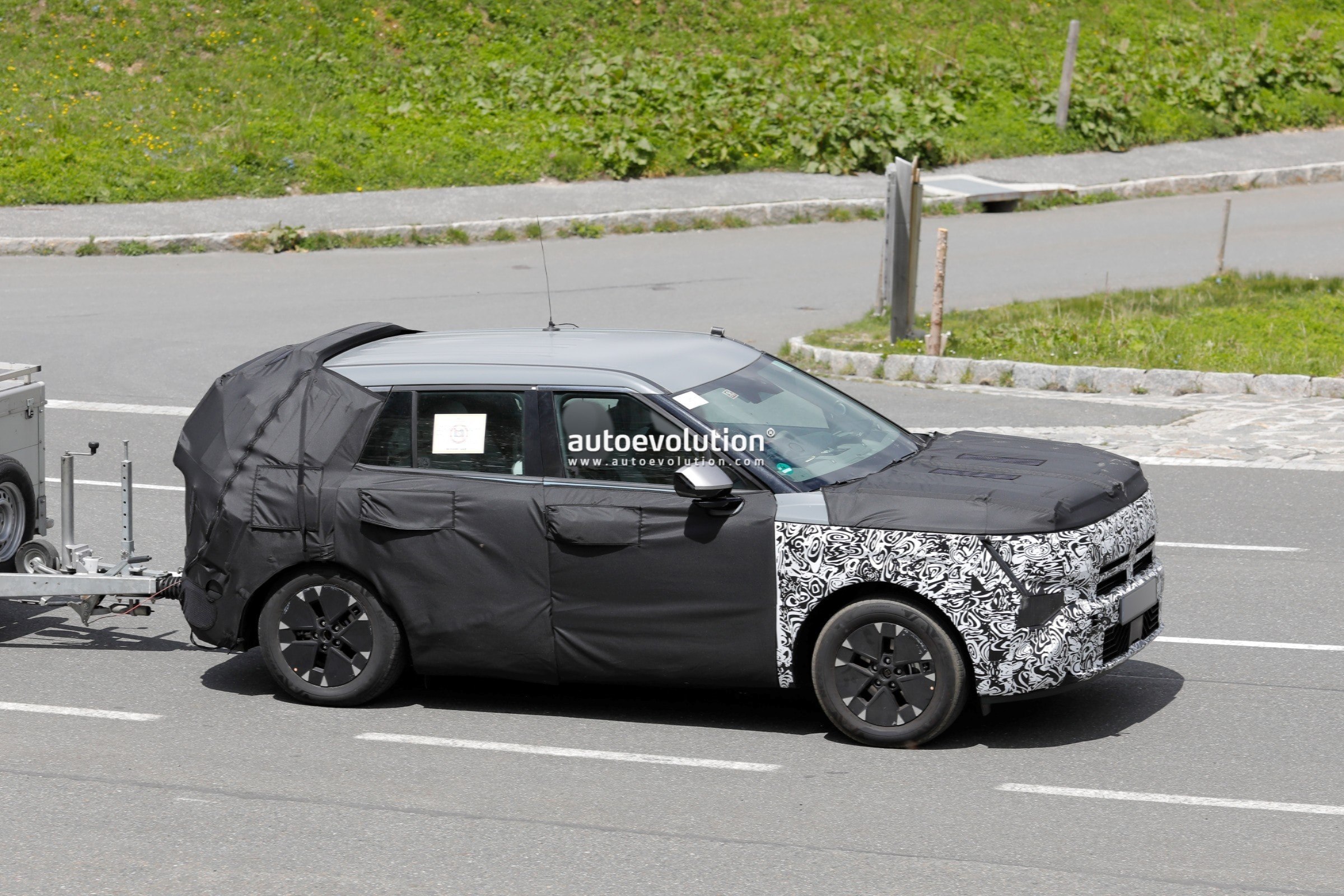
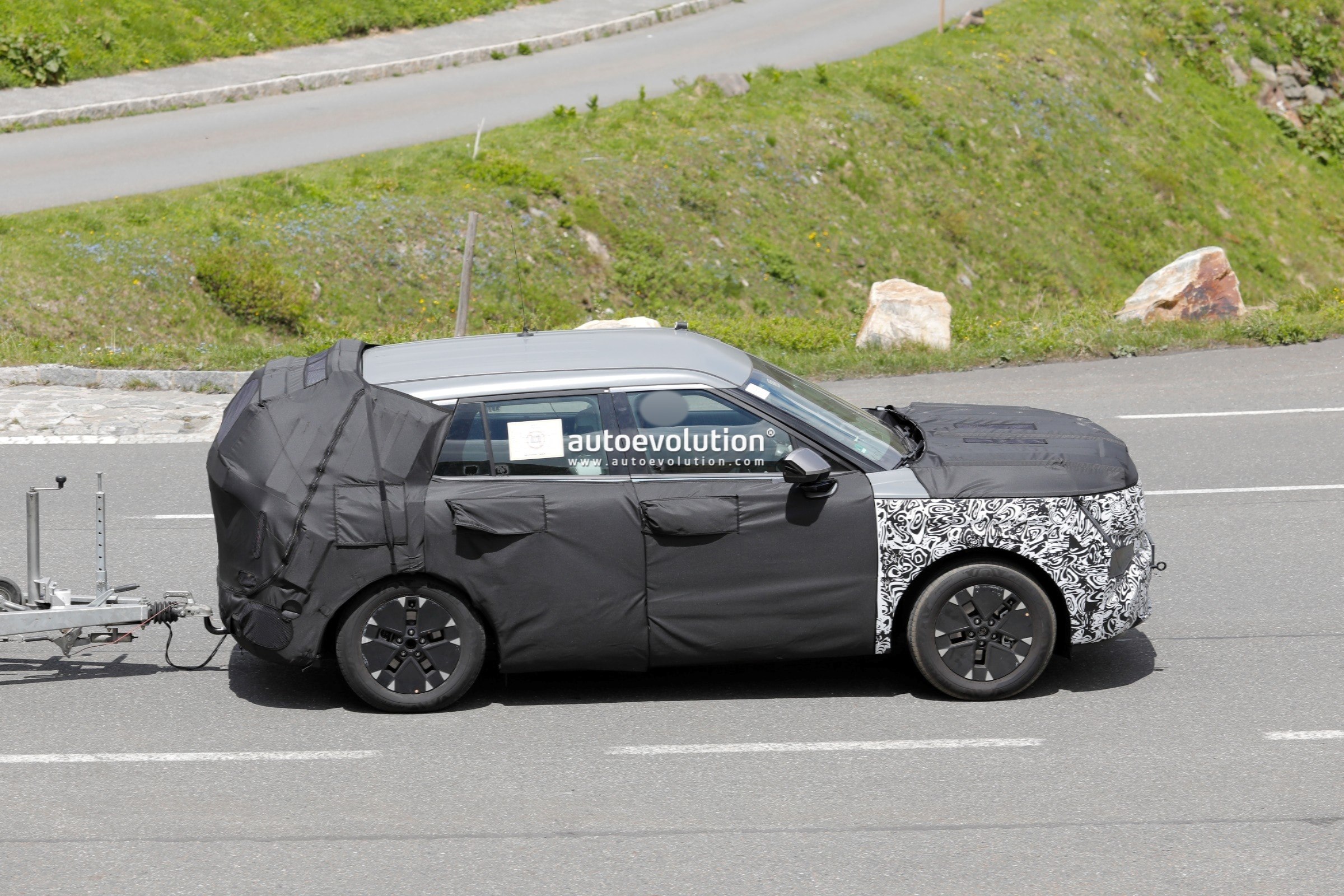
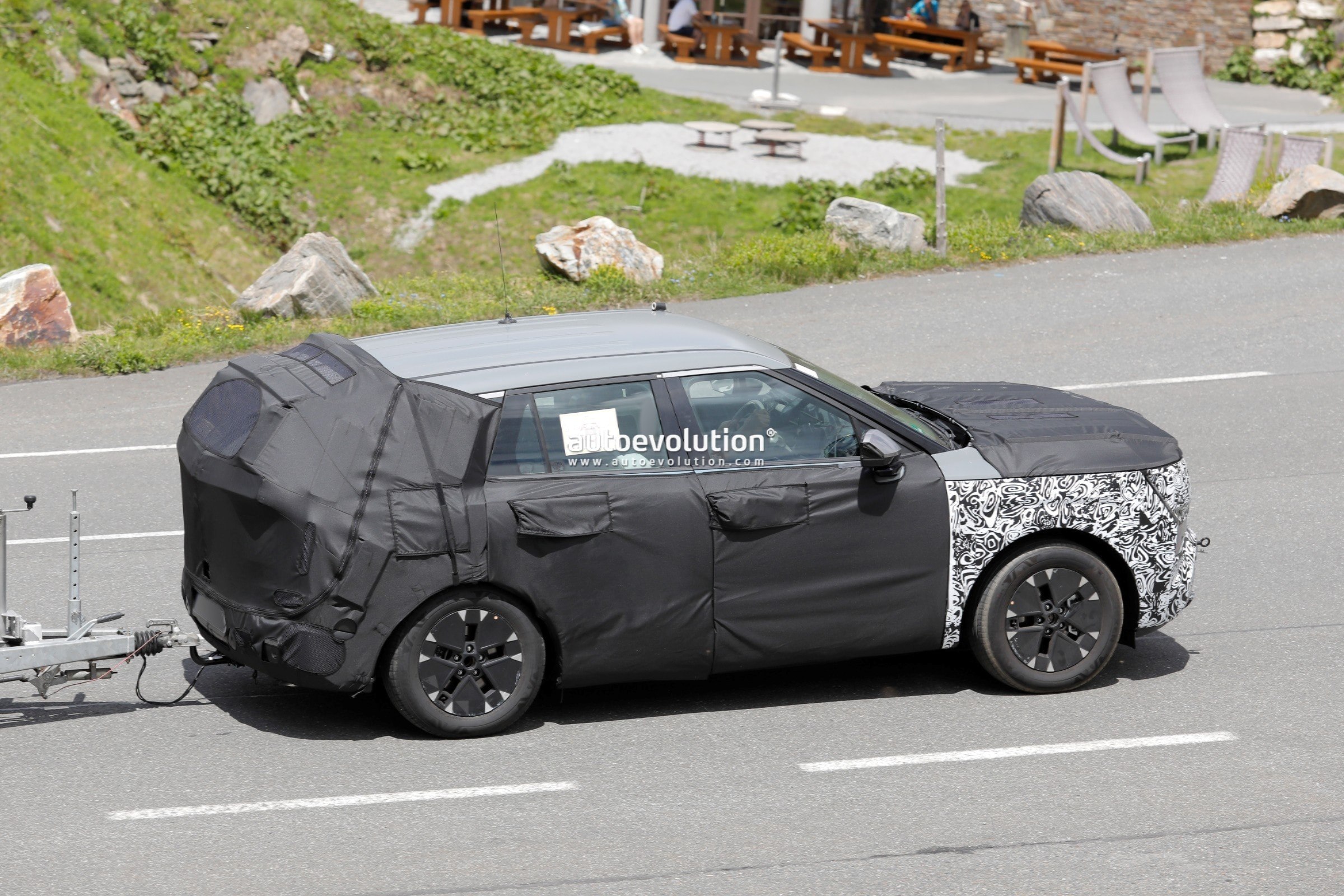
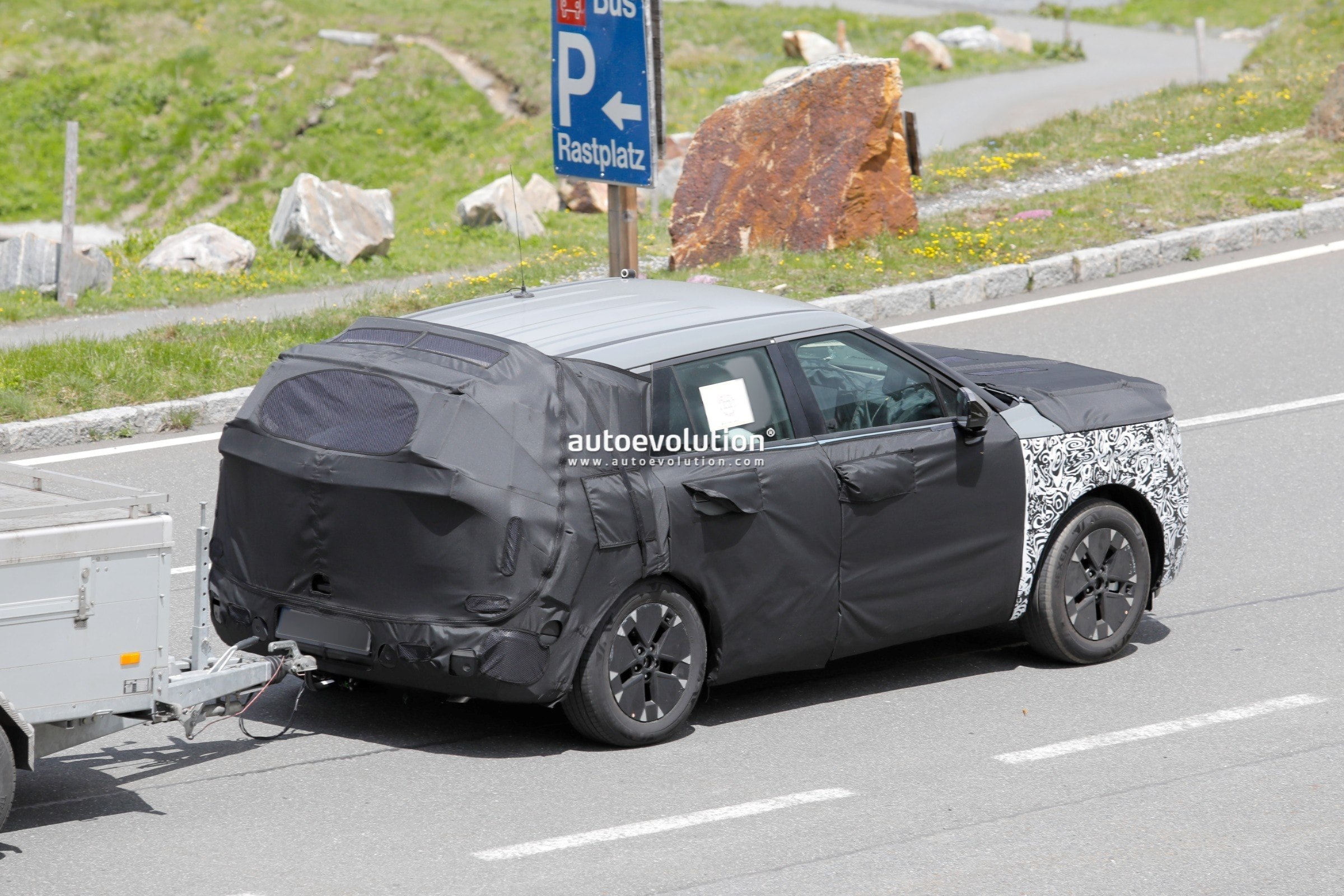
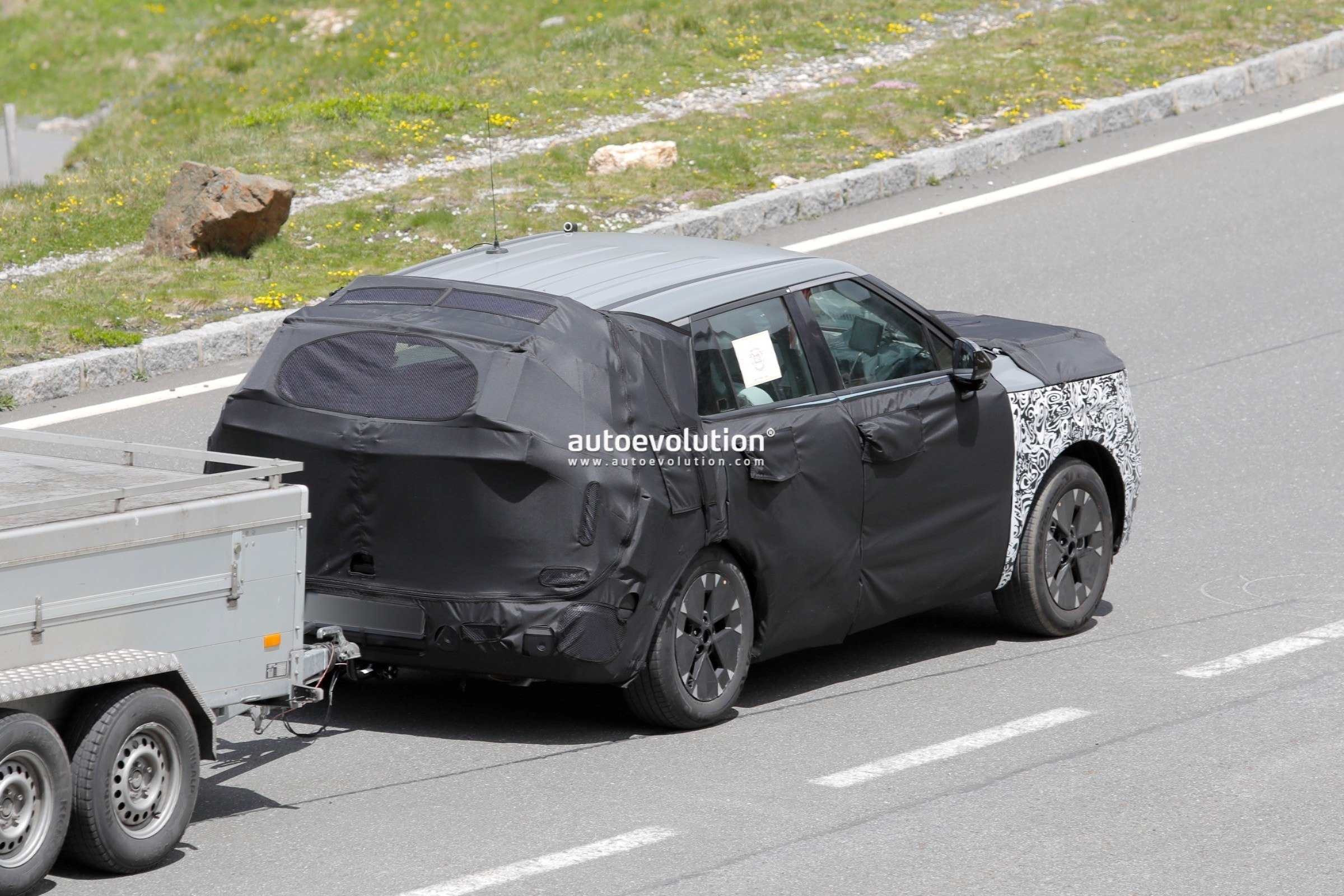
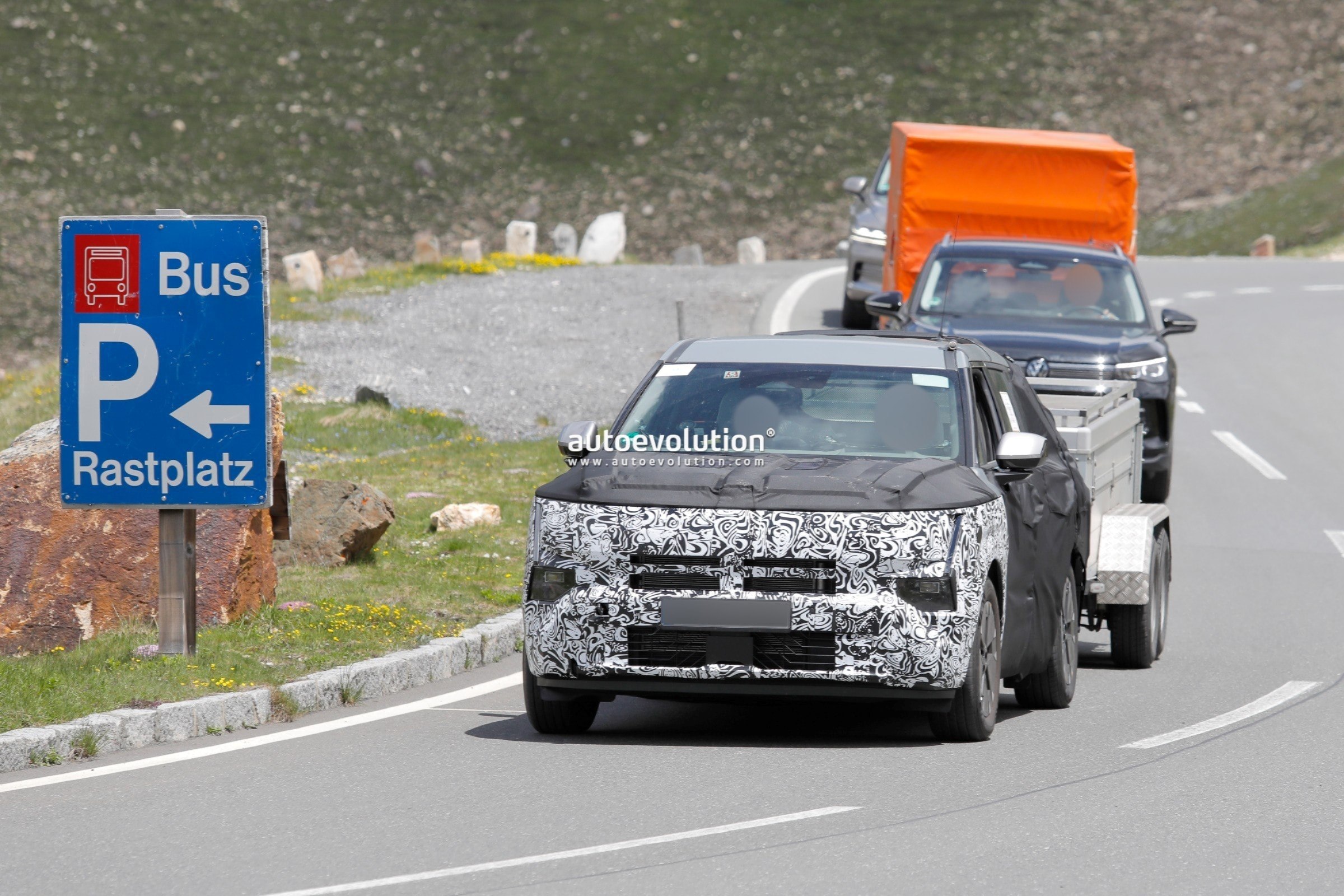
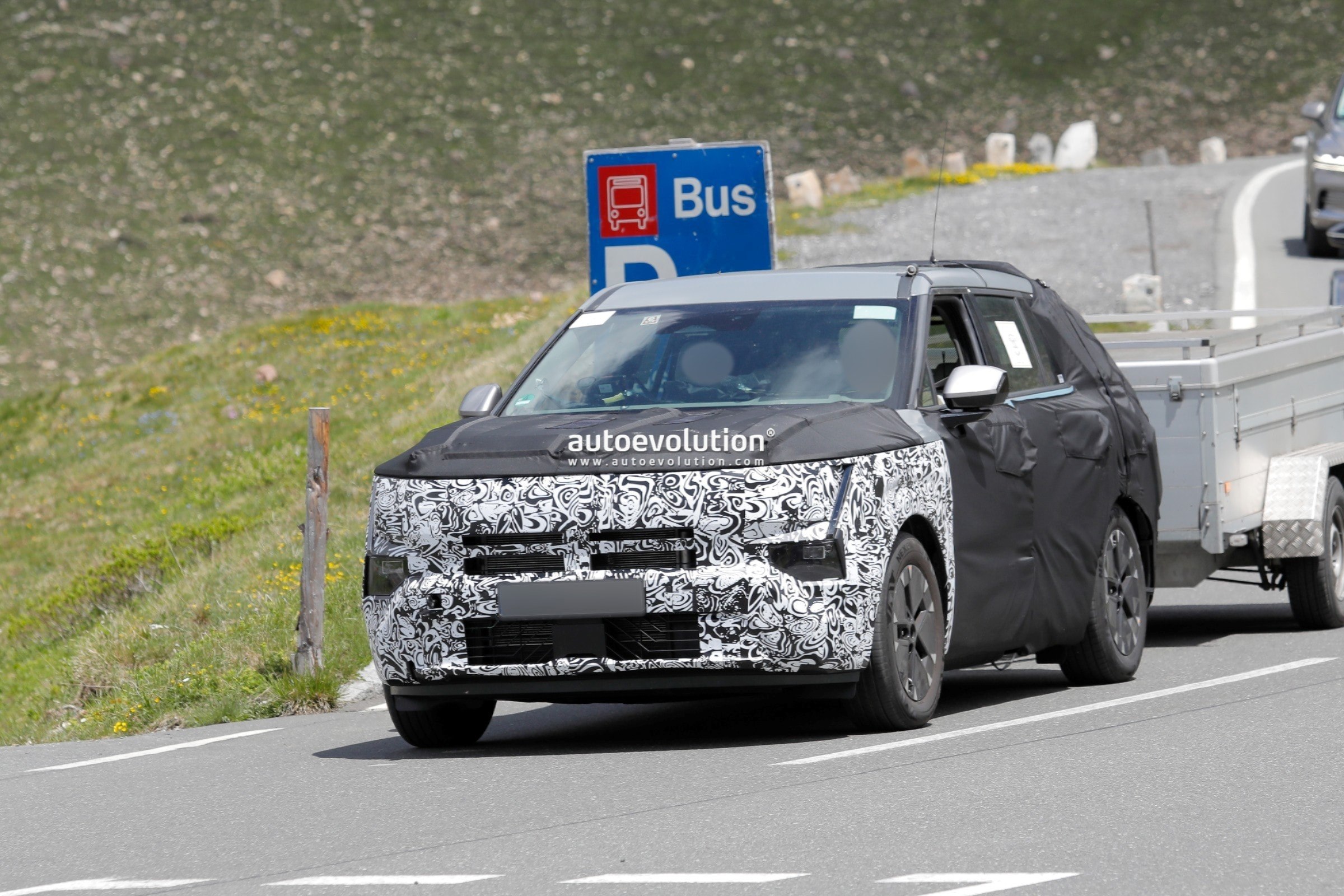
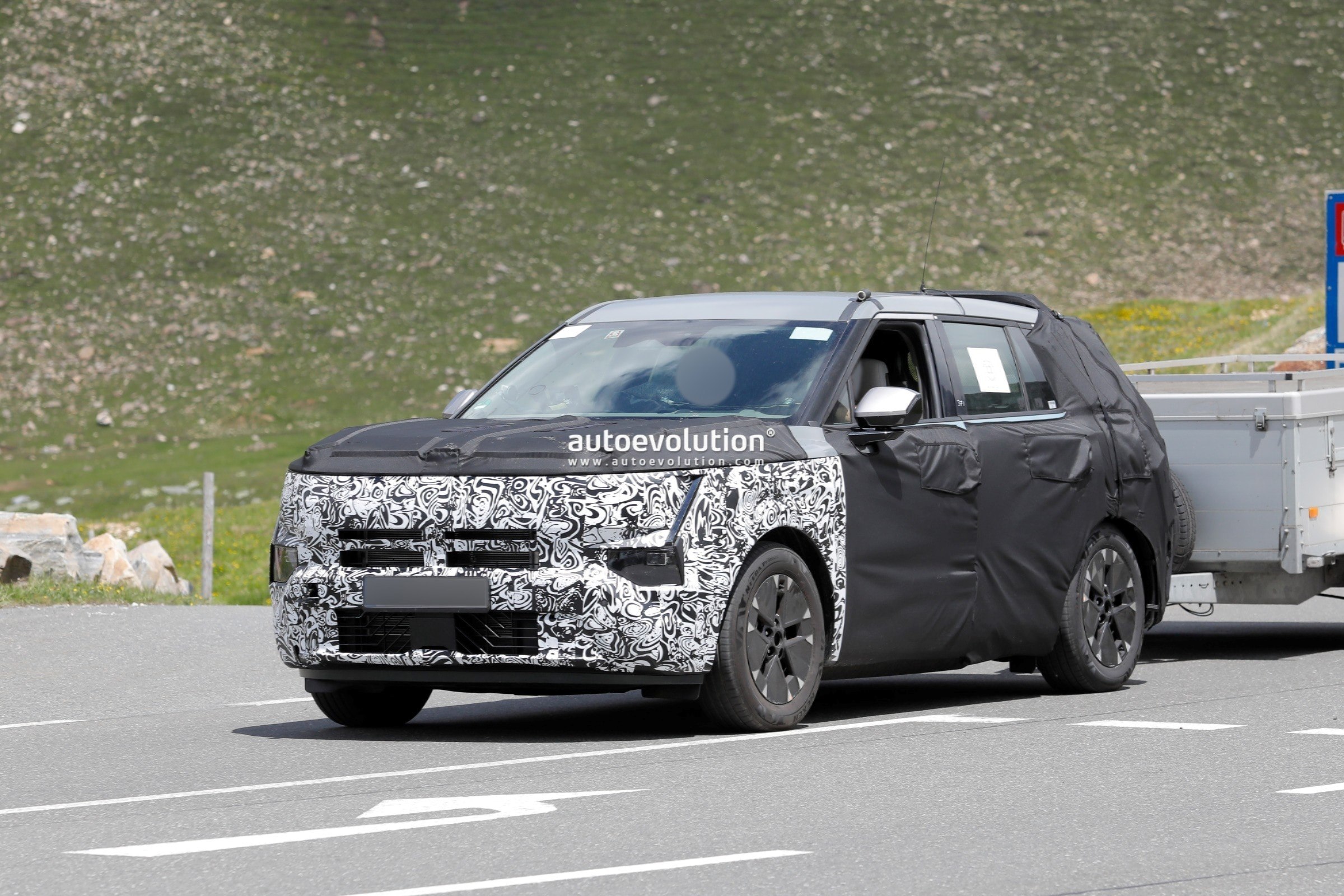
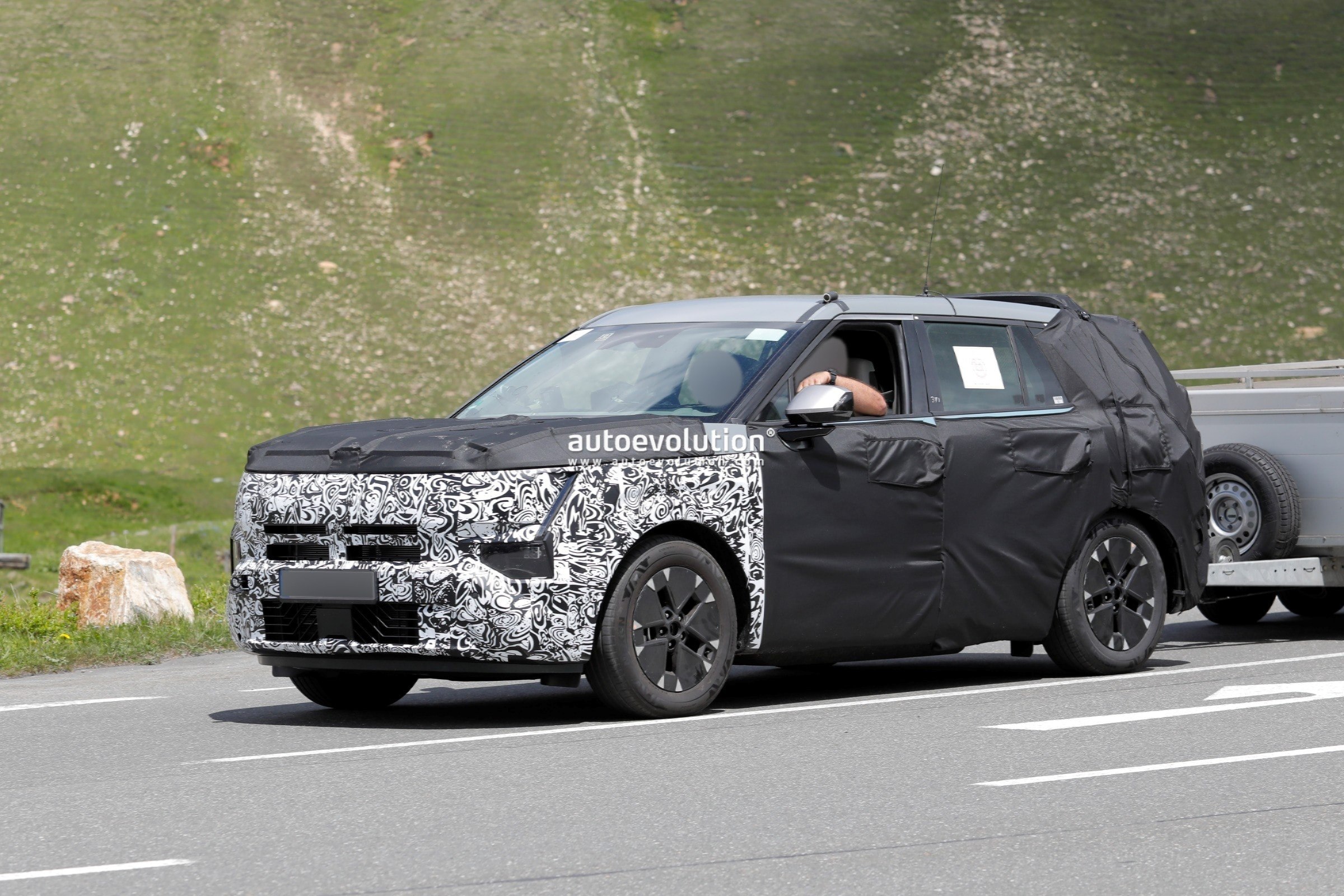
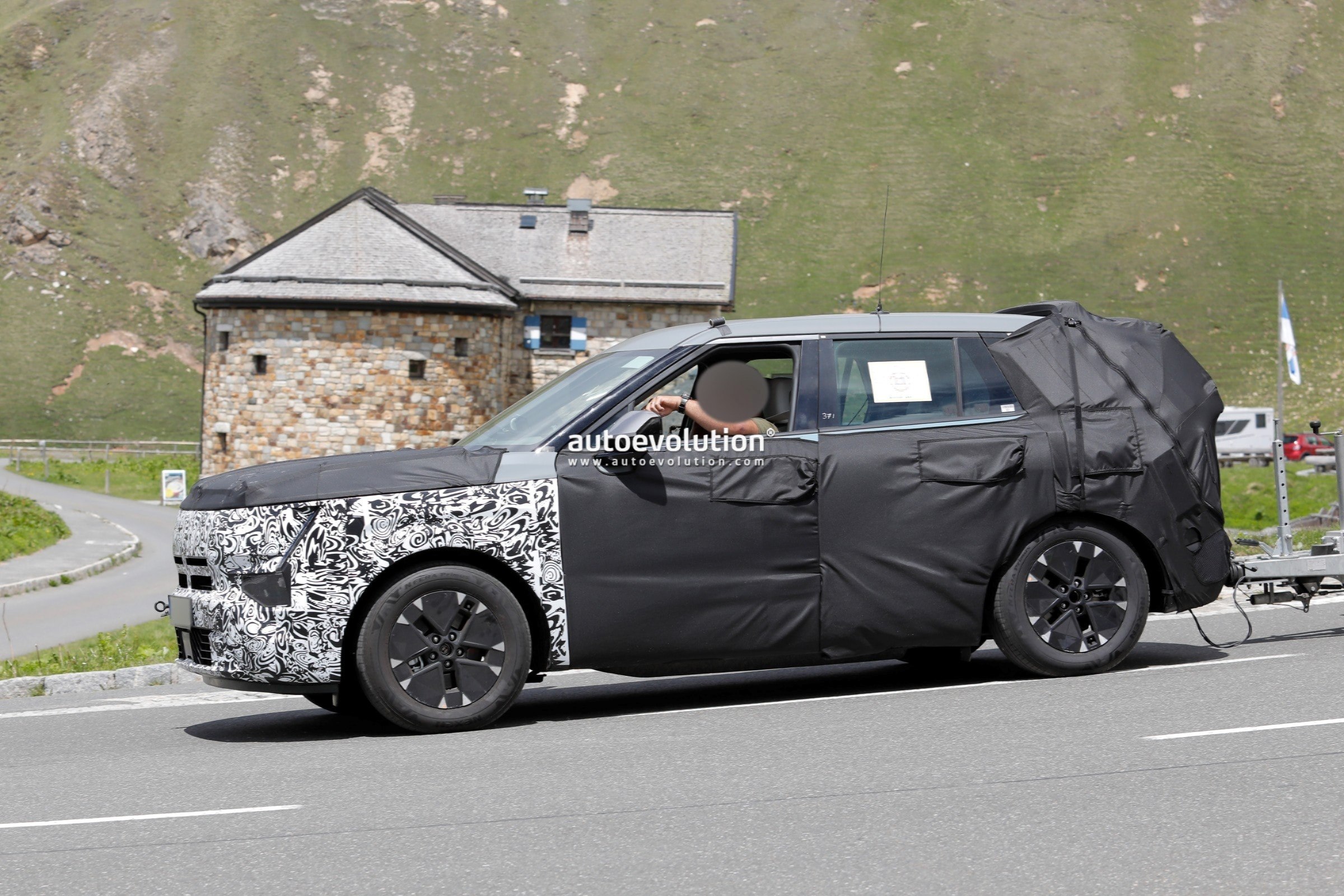
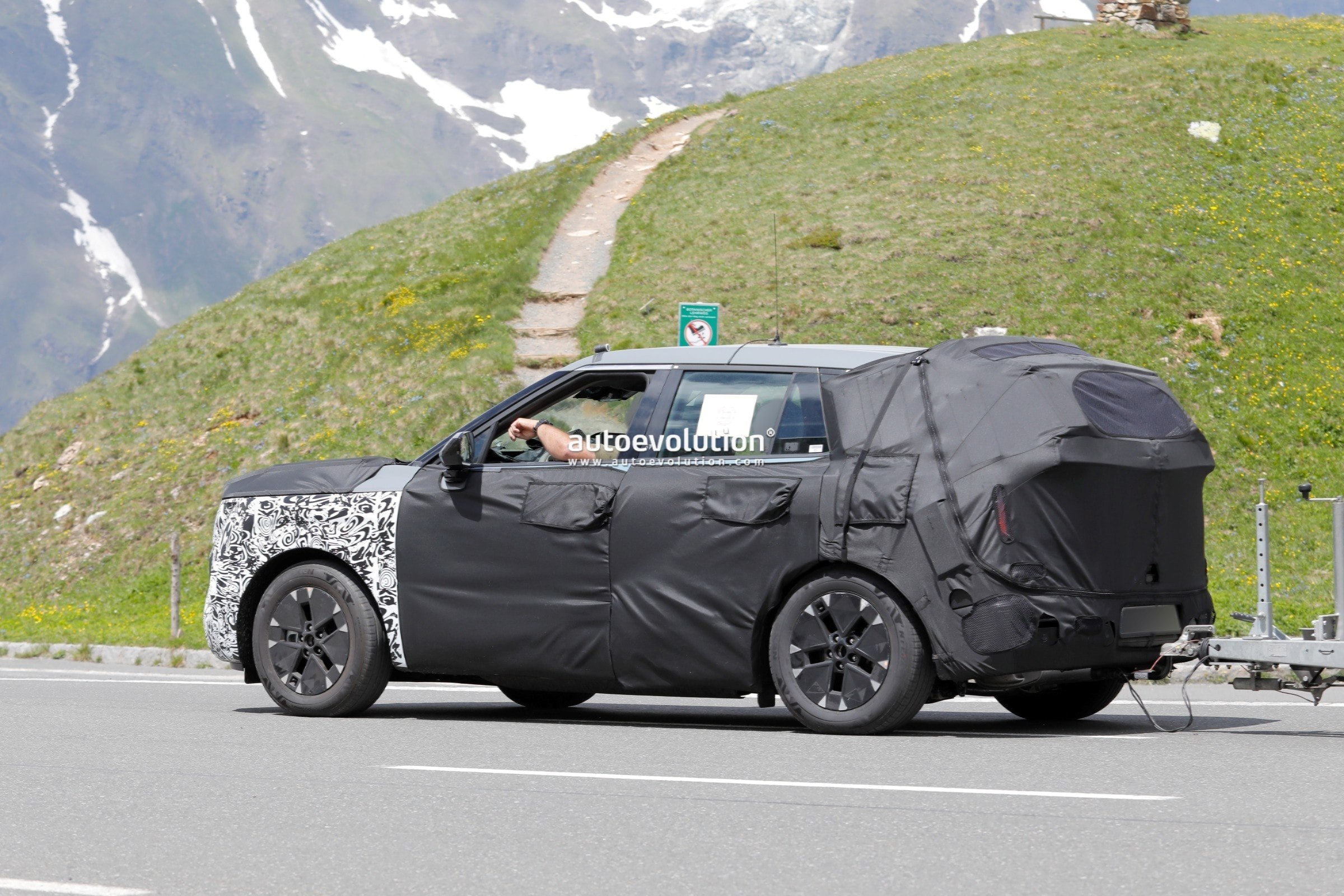
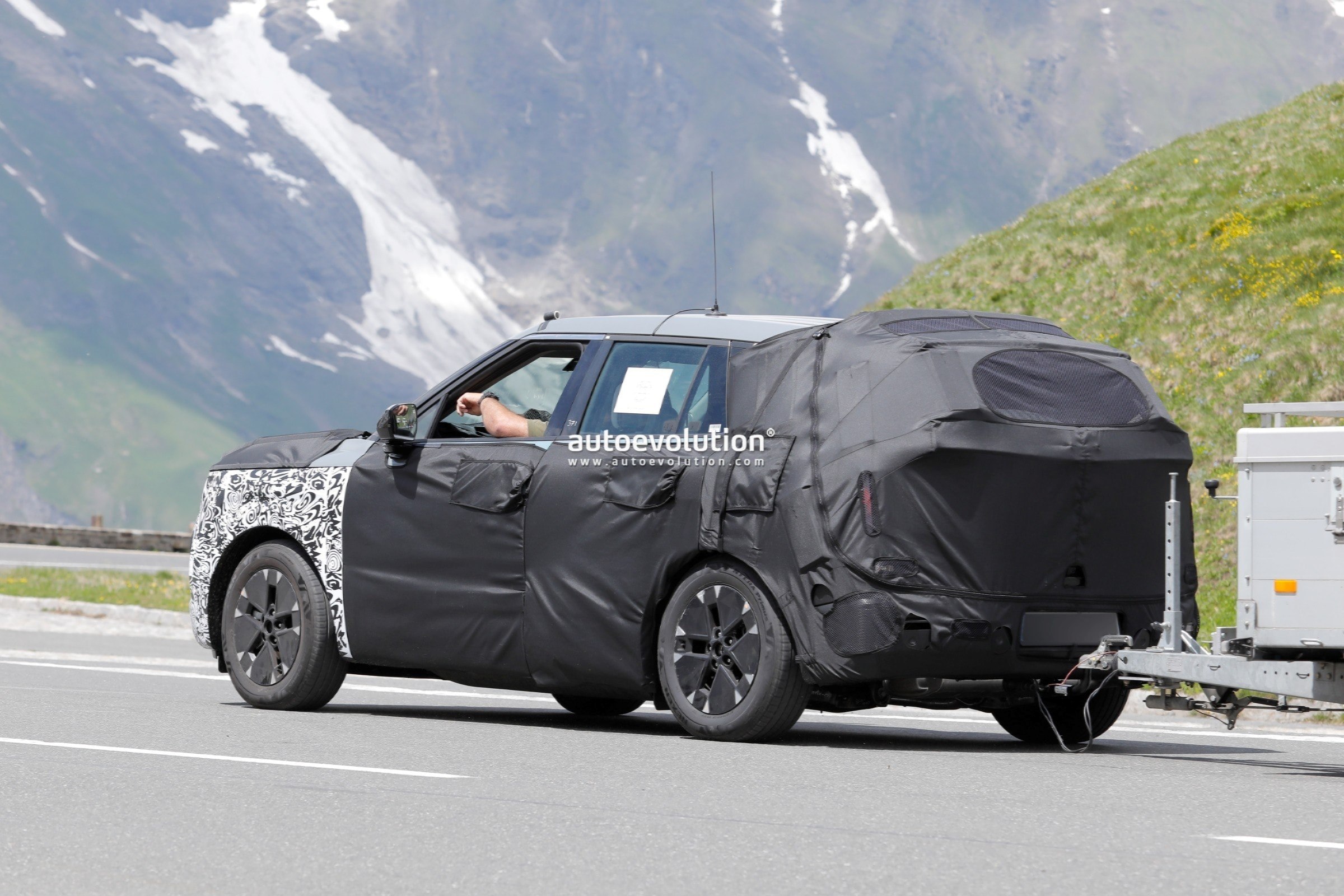
Spy shots of the 2027 Hyundai Tucson show the upcoming SUV with much less camouflage than before, offering a clearer view of its fresh design and updated interior. However, a brake overheating problem during testing cut the validation run short.
Brake Overheating Stops Alpine Test
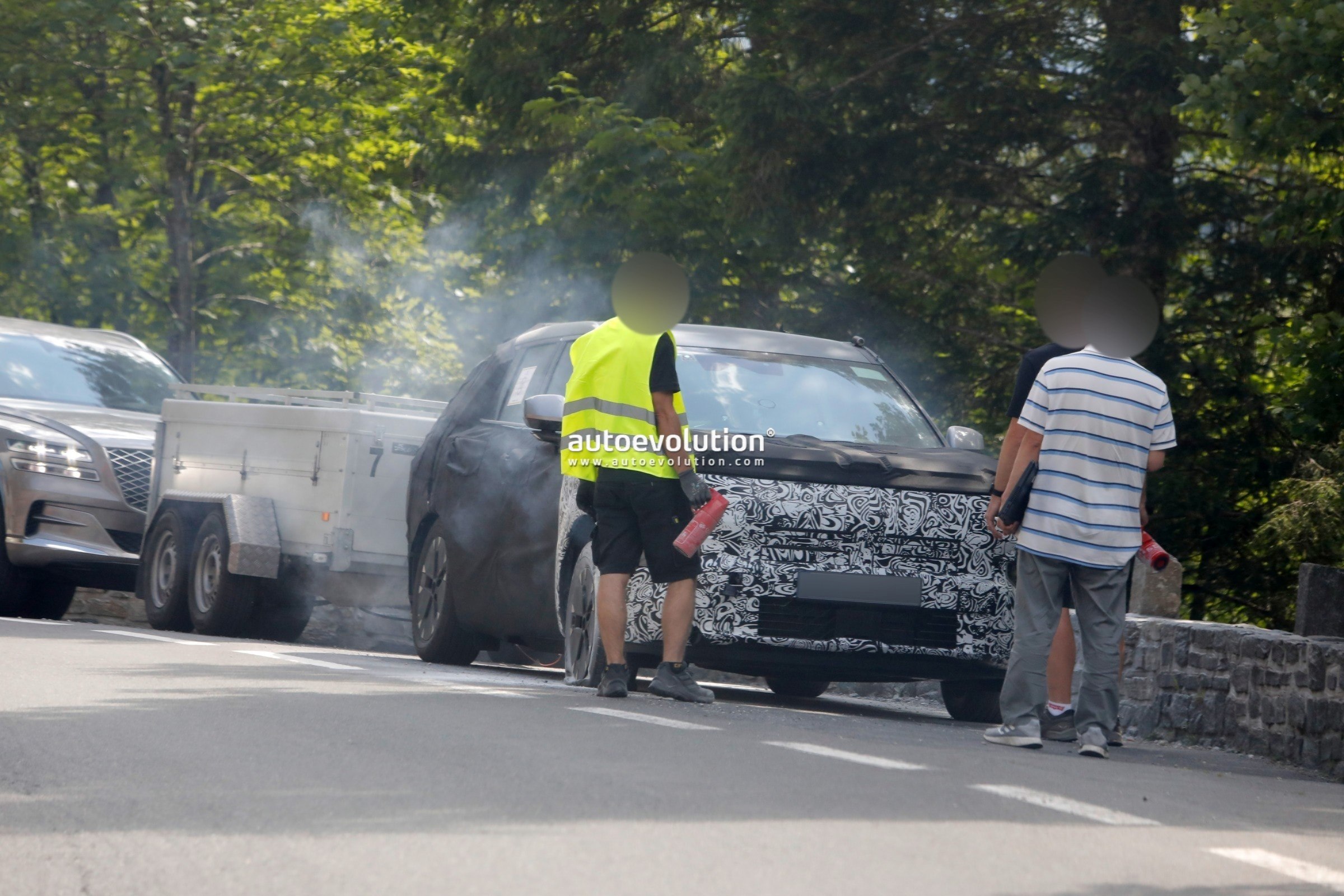
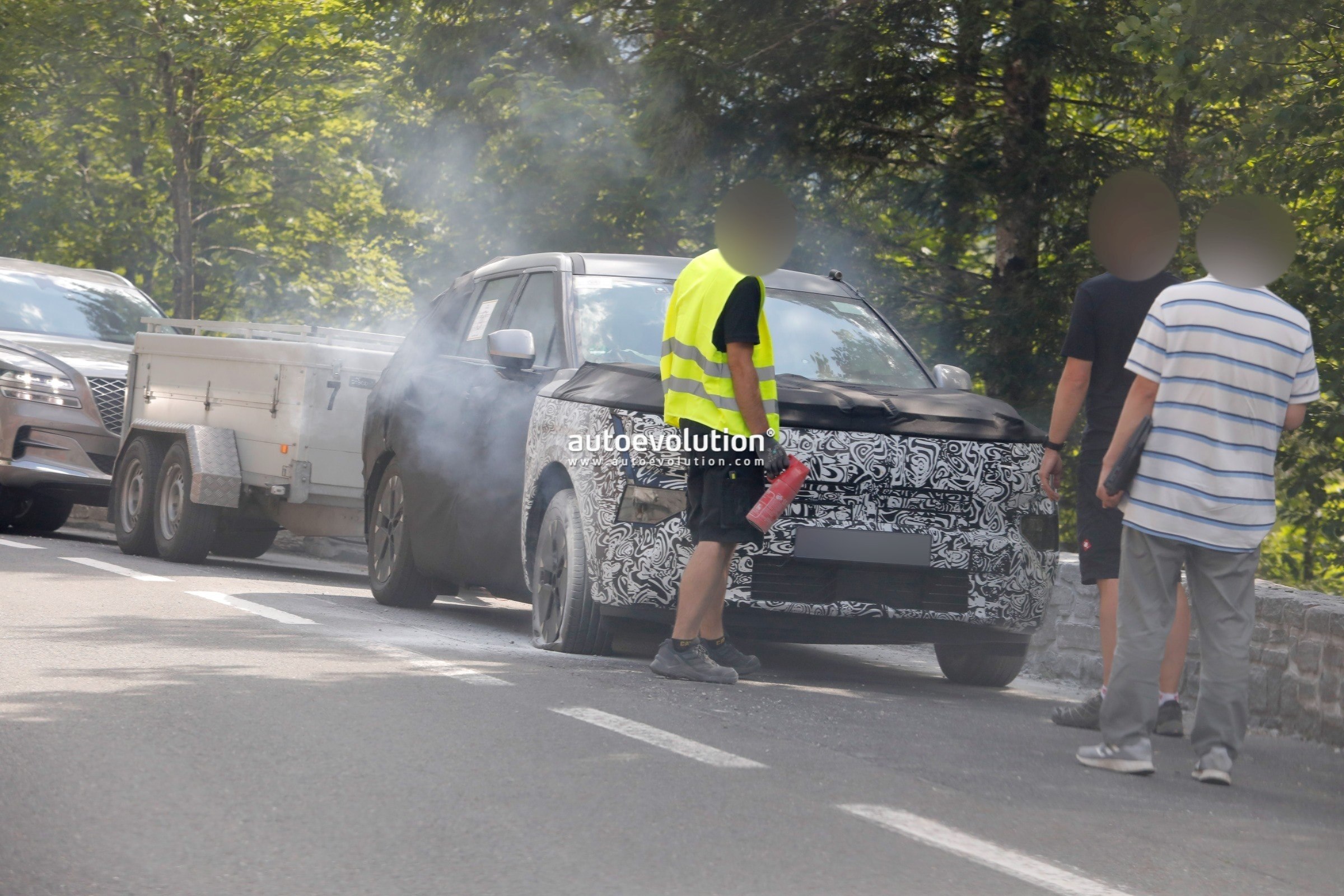
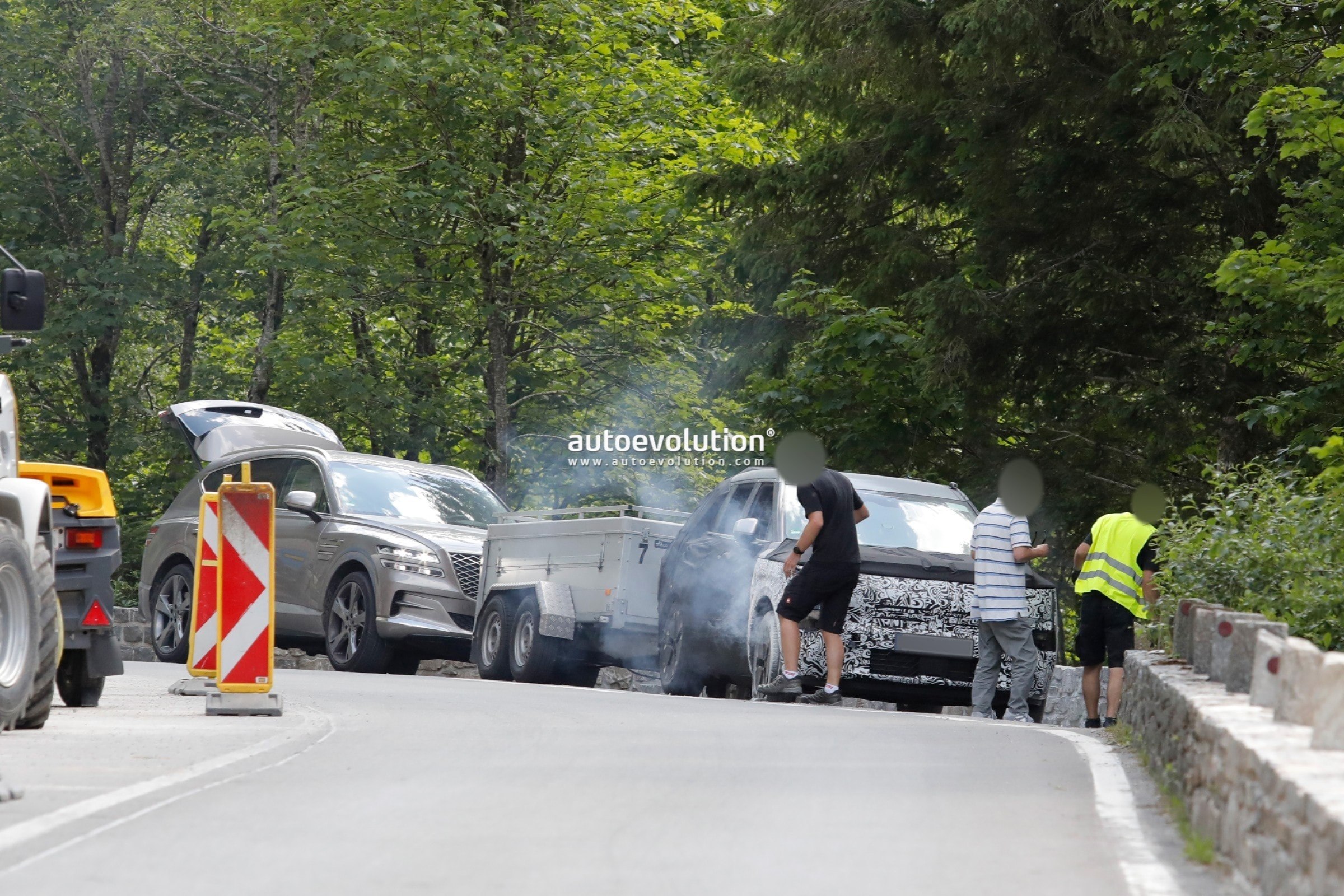
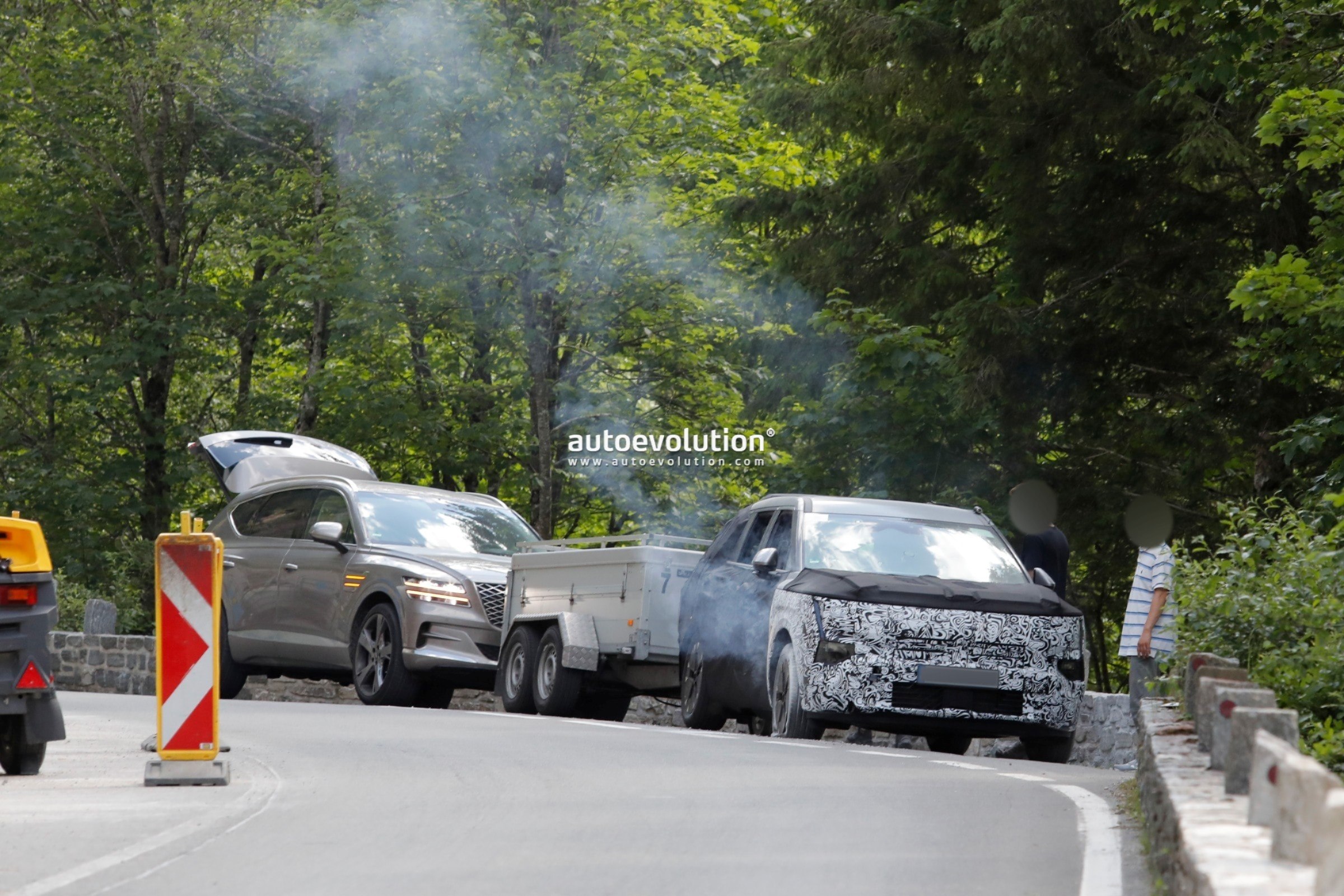
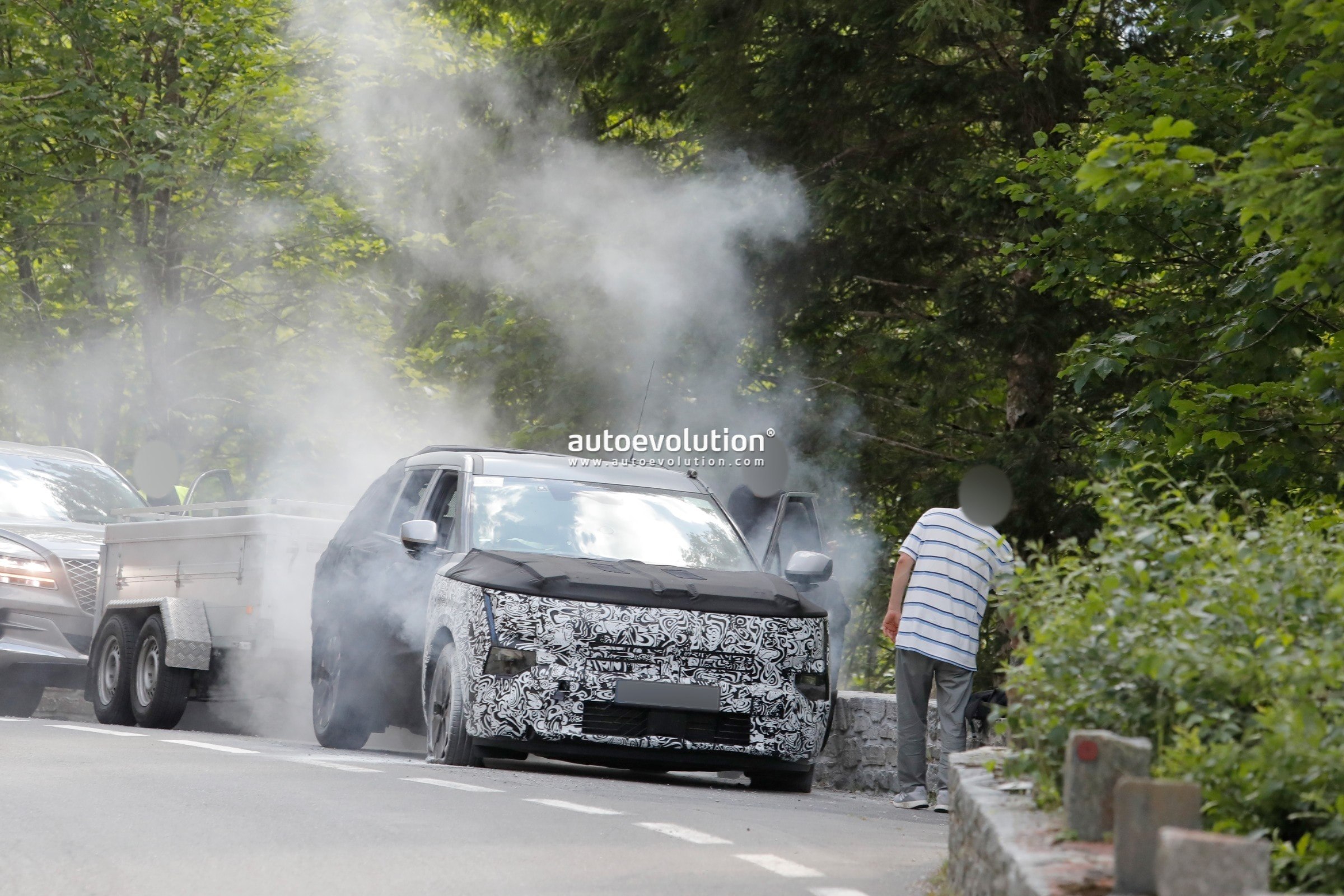
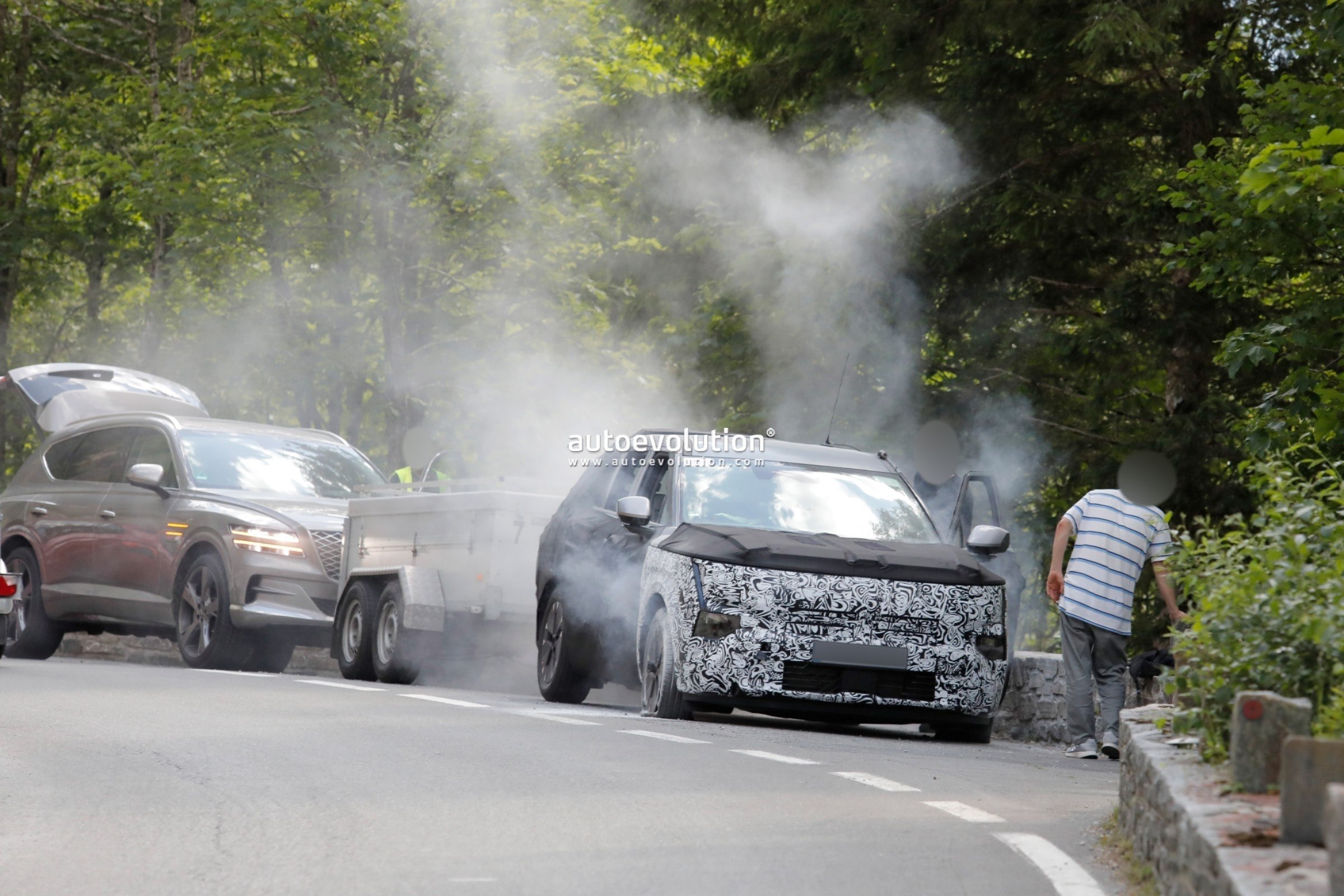
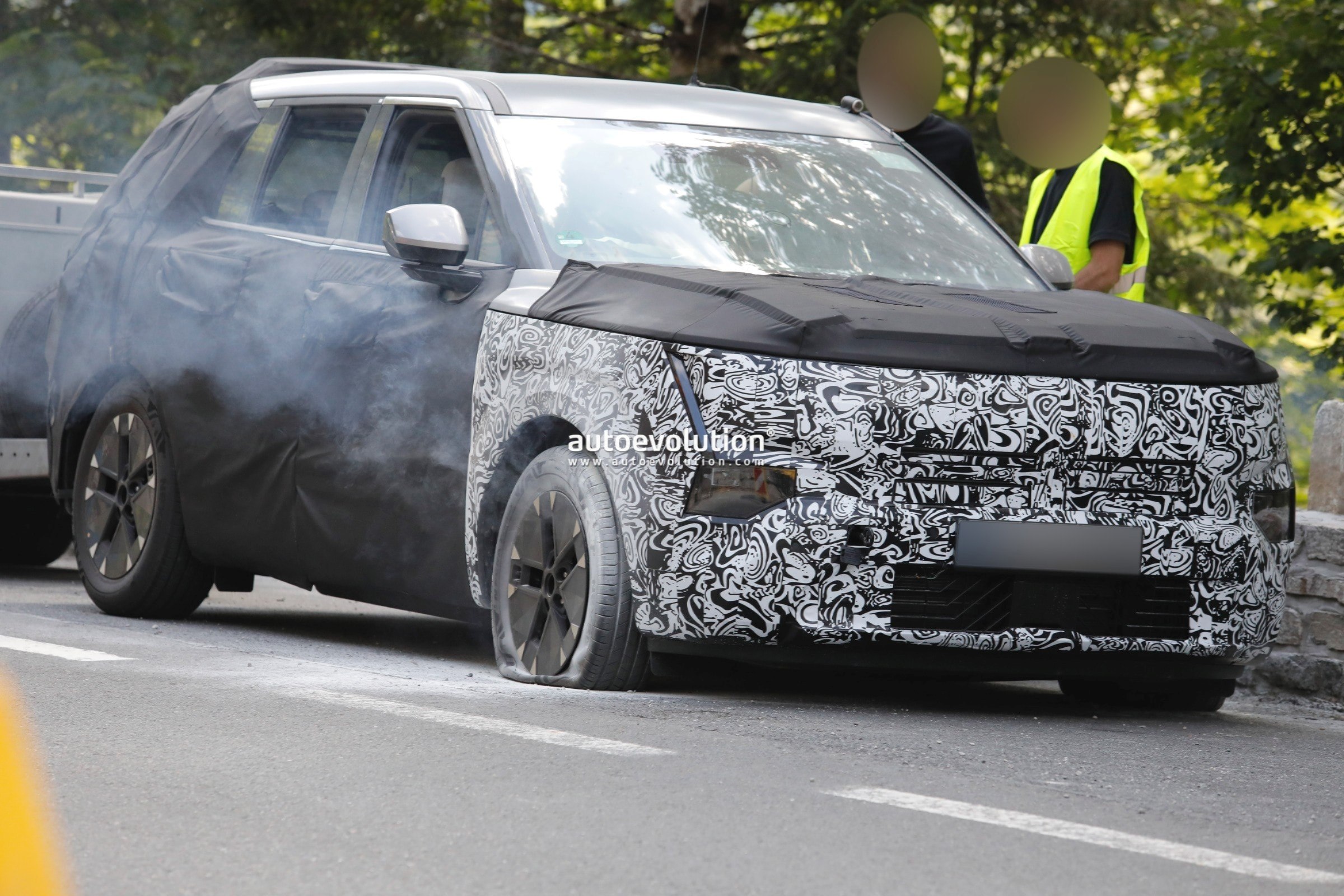
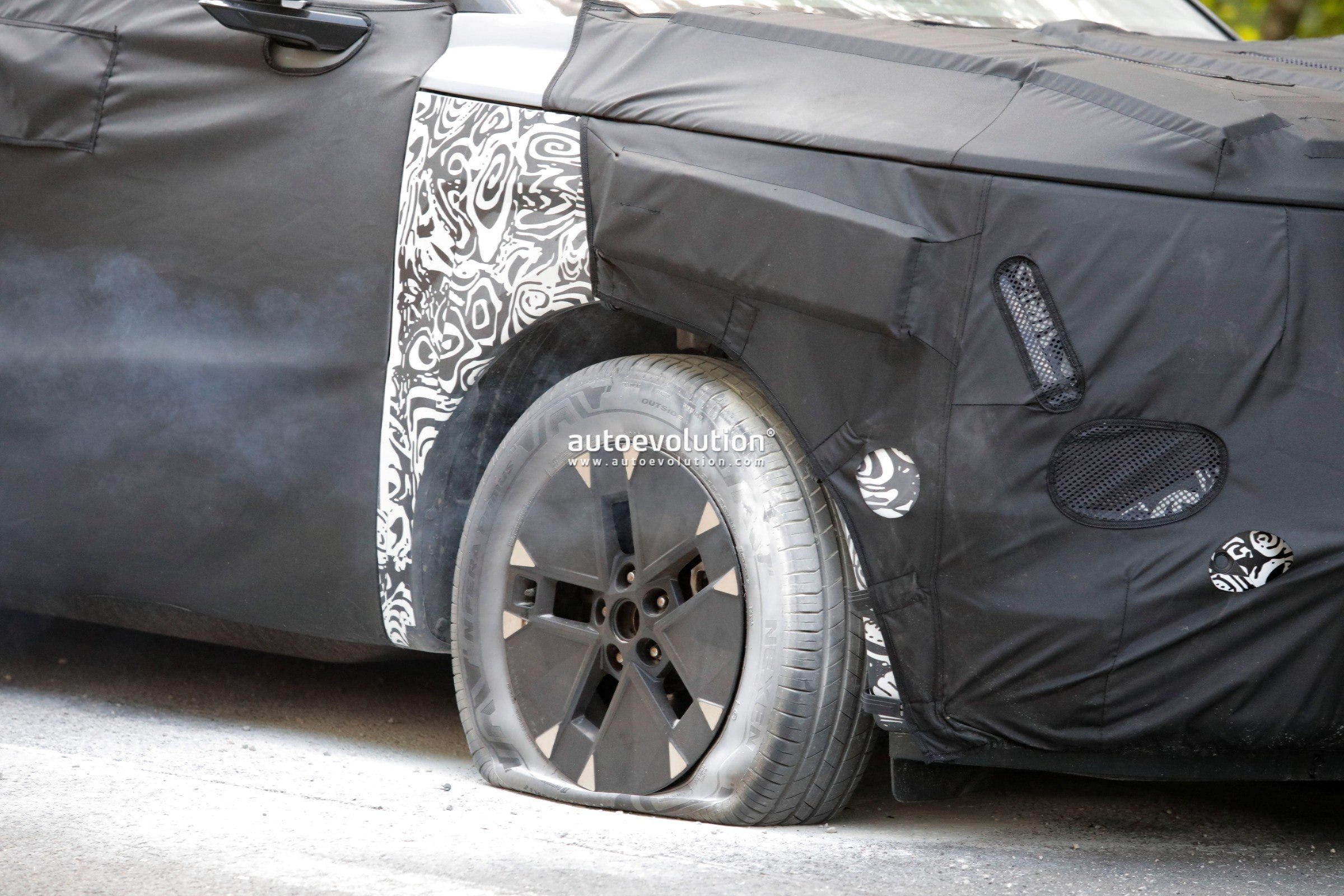
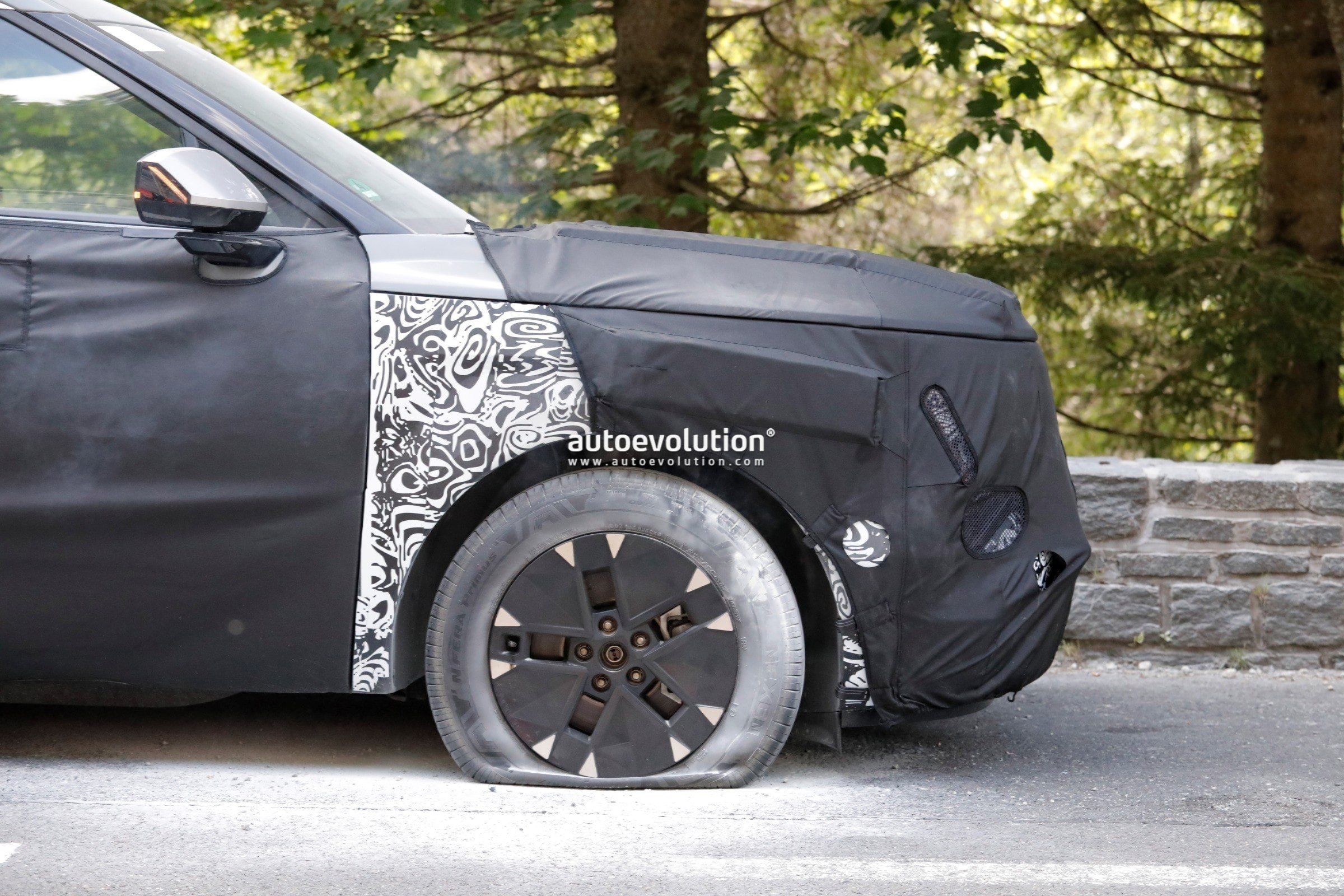
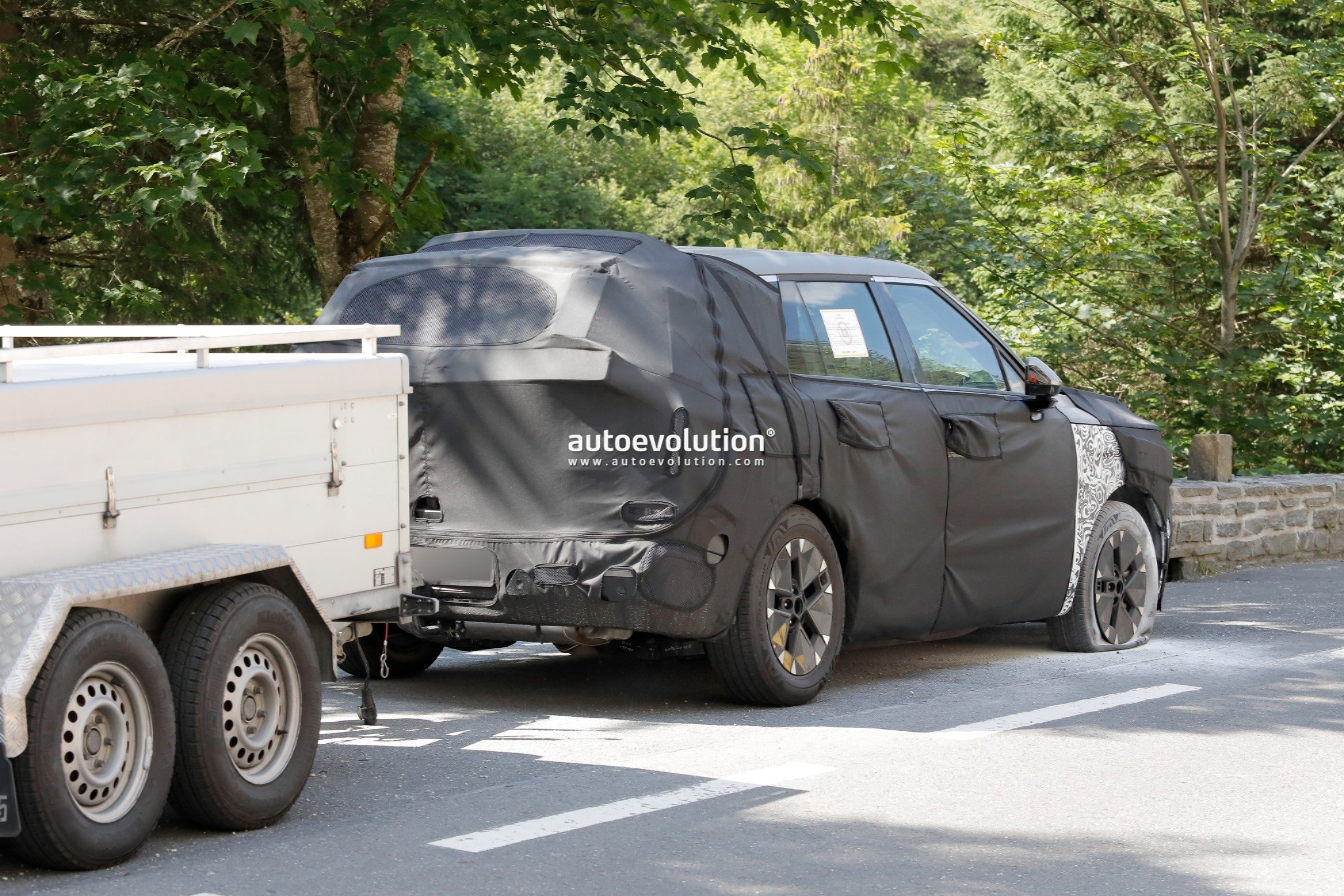
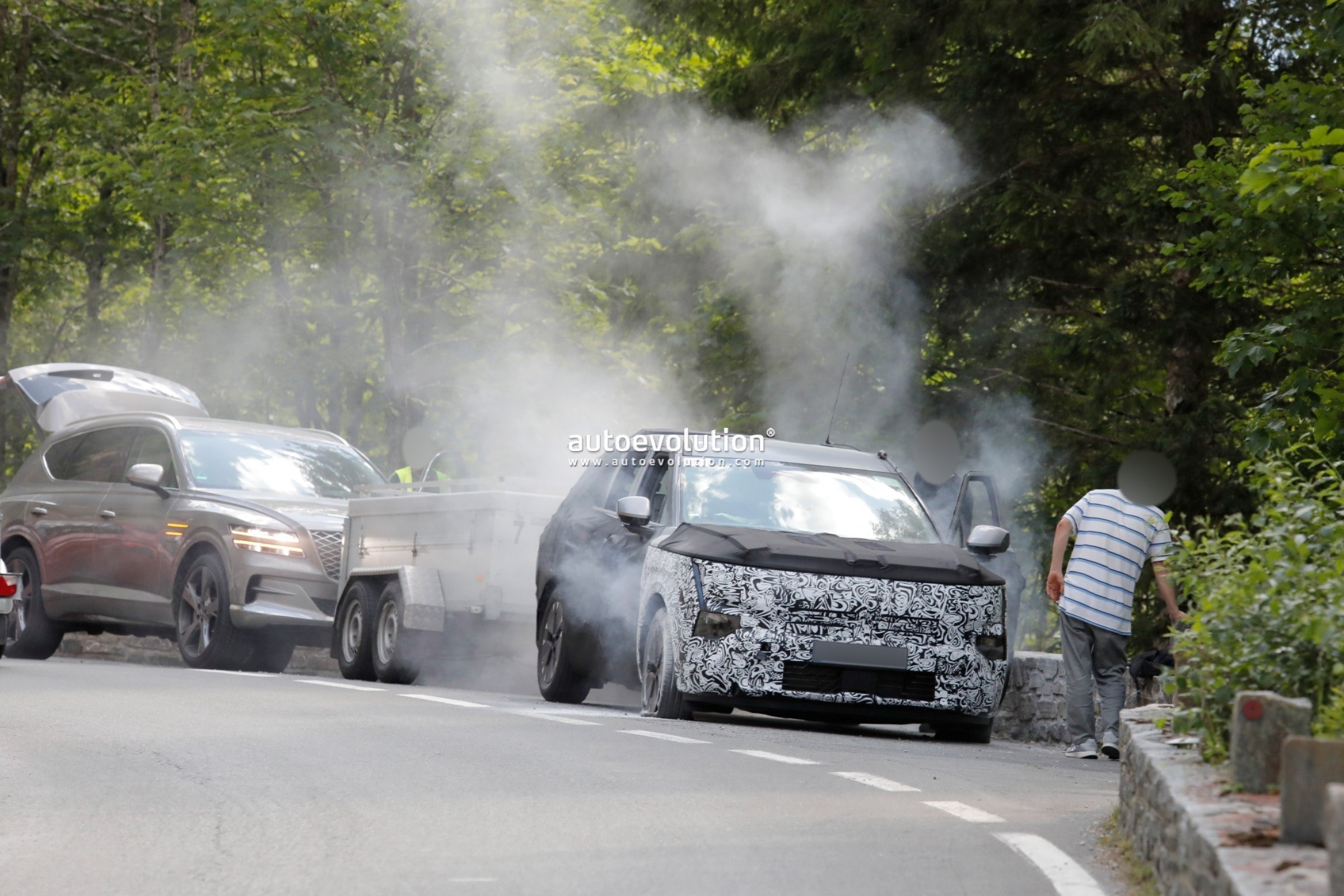
During a rigorous brake test on mountain roads, smoke was seen coming from one front brake of the Tucson prototype. The heat buildup eventually caused failure in both front tires, forcing the test to halt immediately. Support crews arrived with fire extinguishers to cool the brakes. While this incident looks serious, it is part of Hyundai’s intense testing to push the car’s brakes in extreme conditions. Such tests help uncover any issues in brake cooling, control software, or parts durability before the vehicle goes into production.
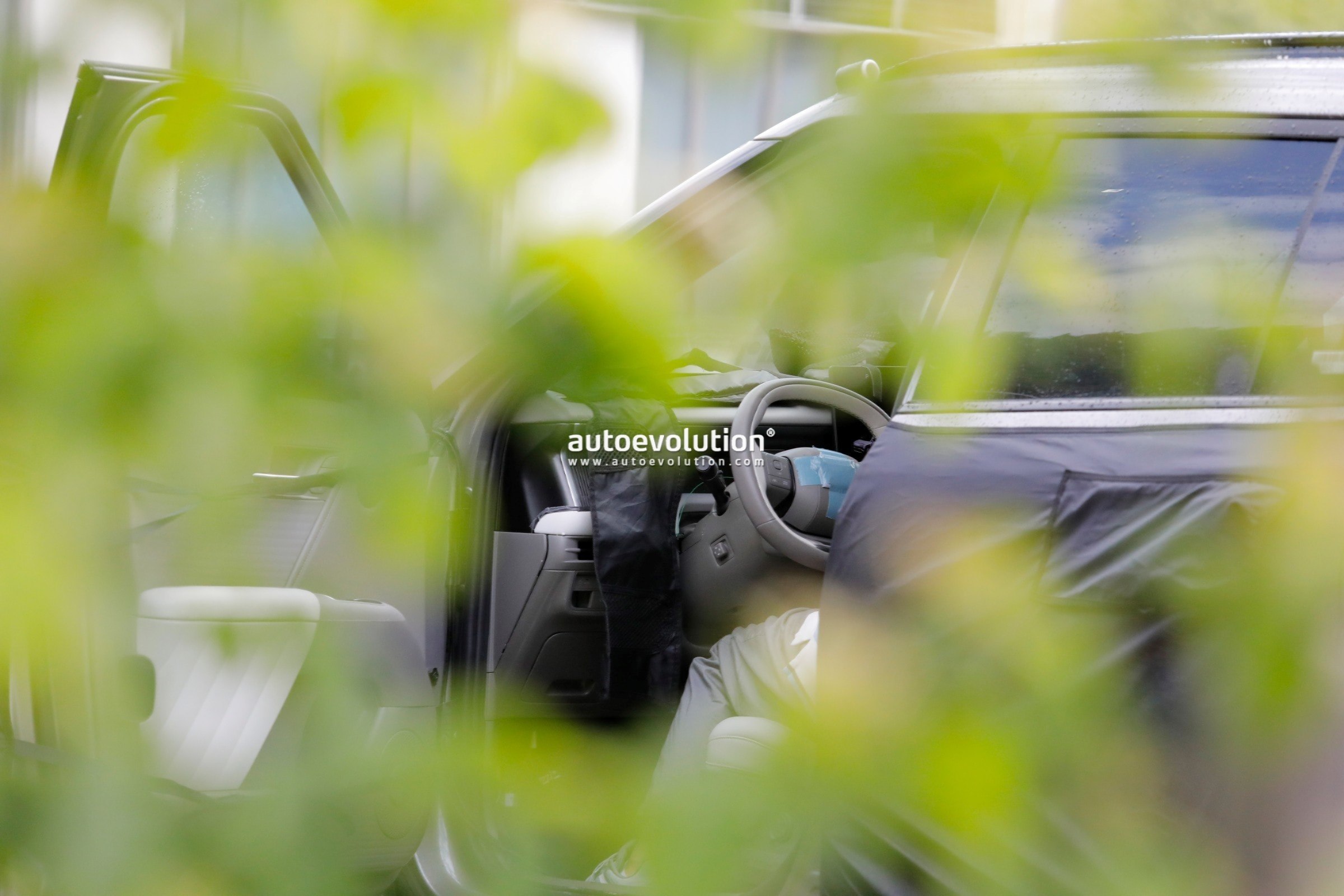
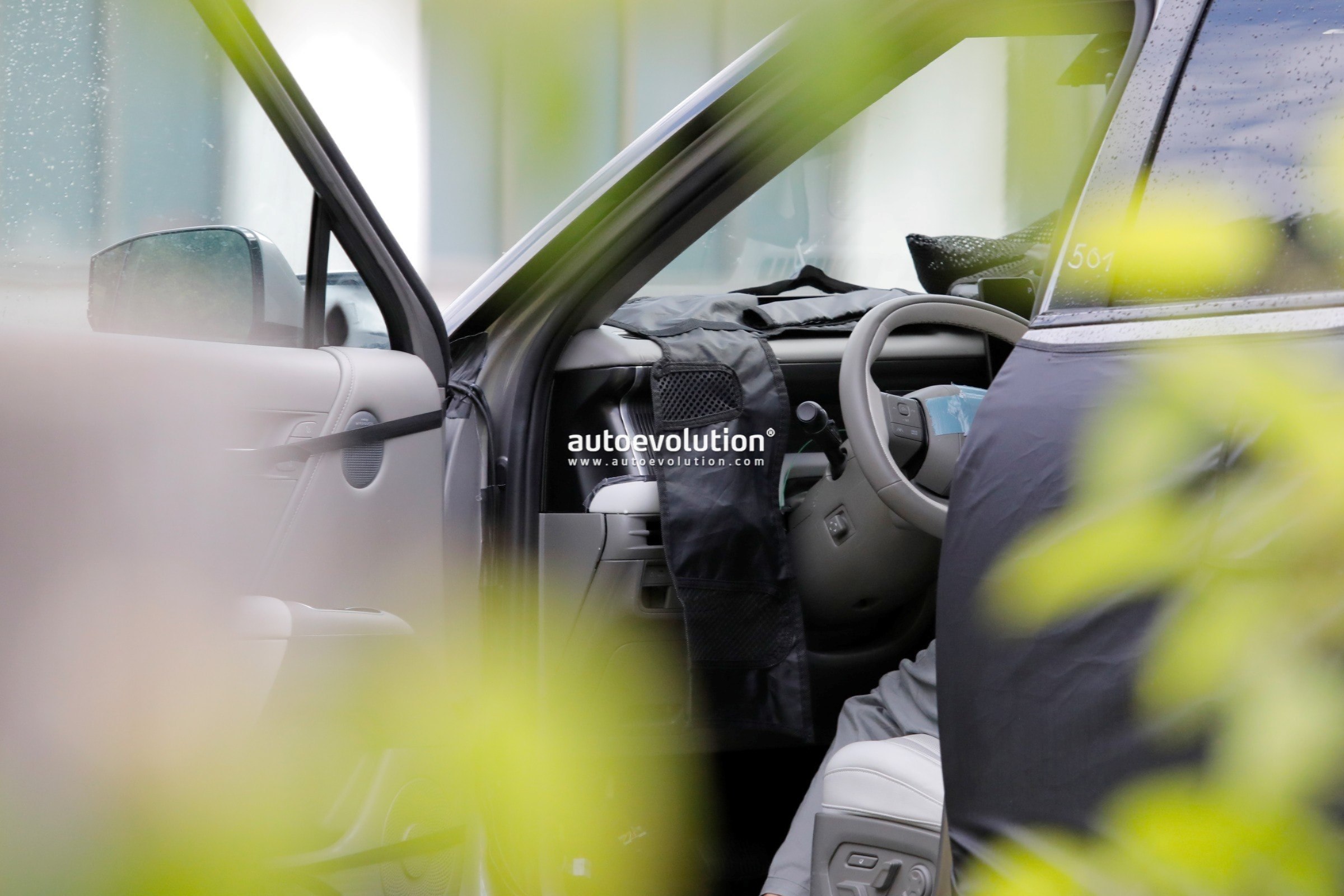
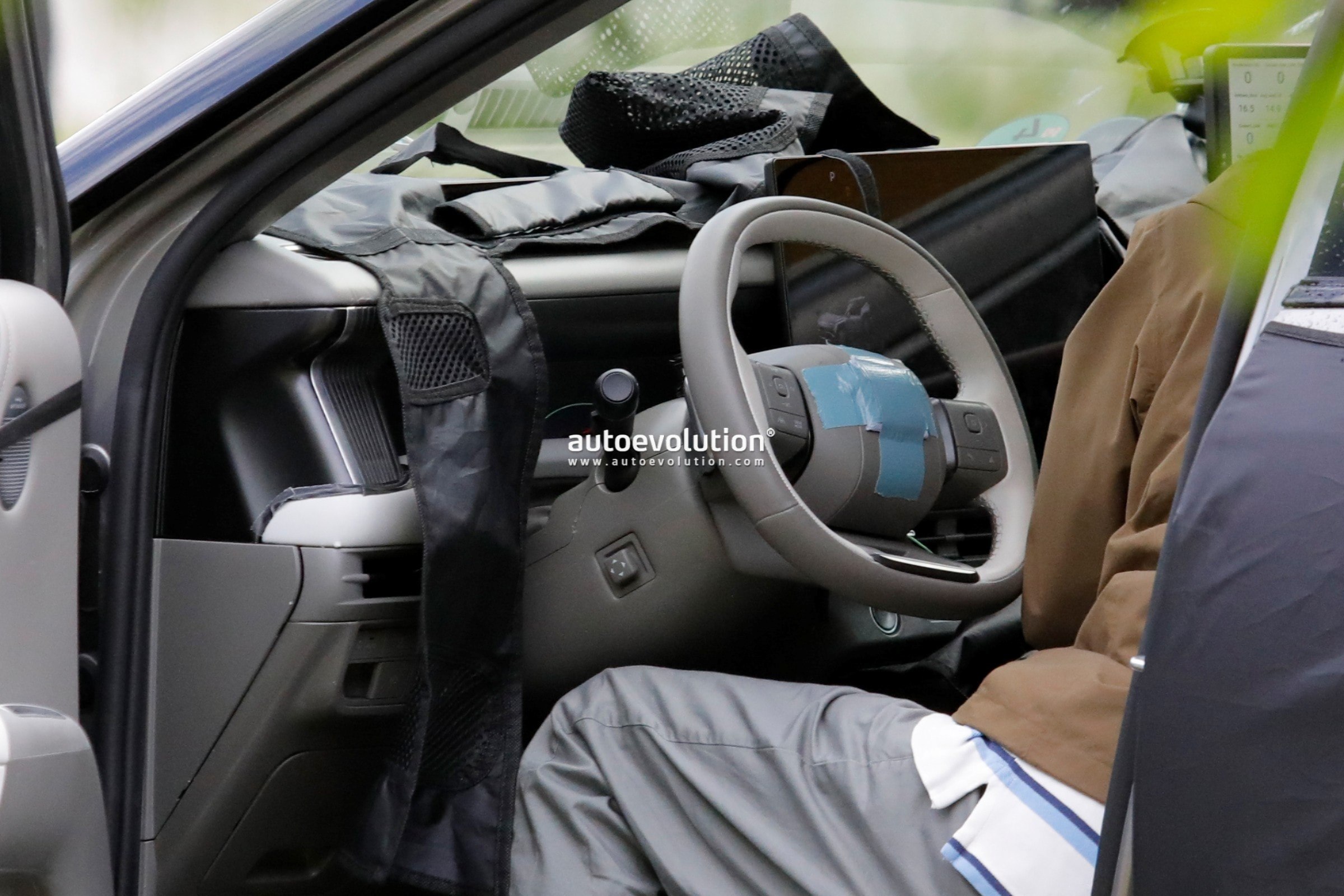
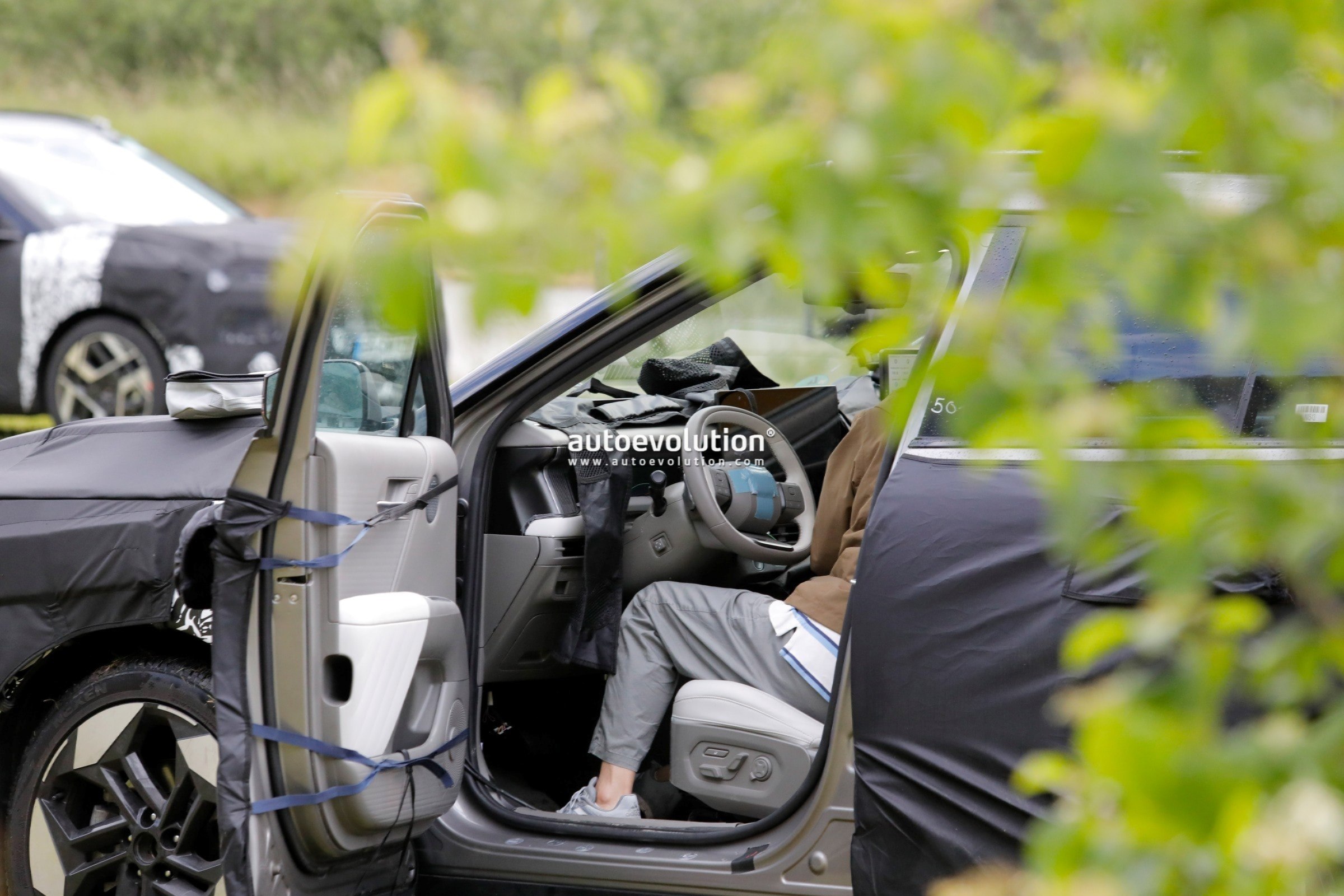
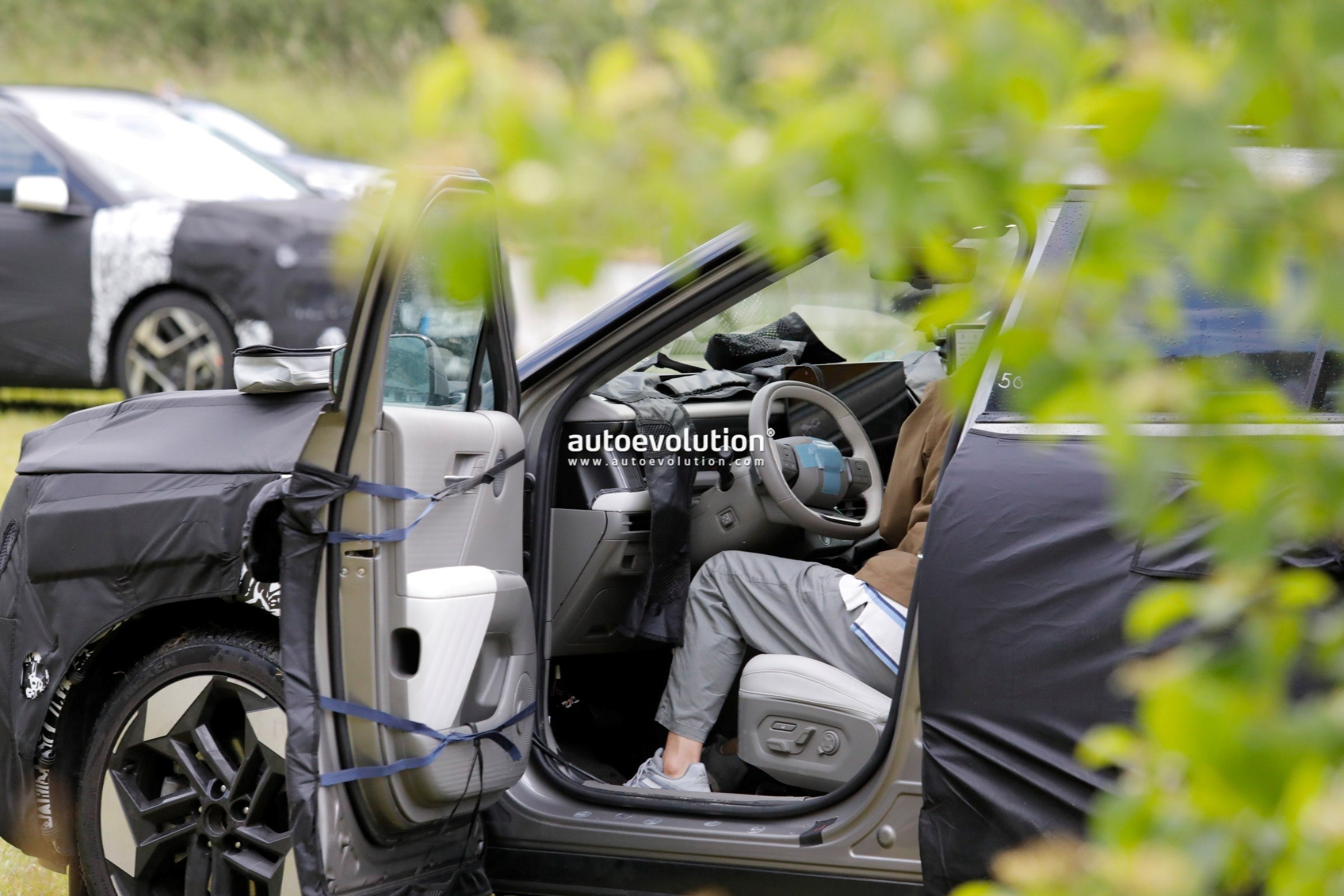
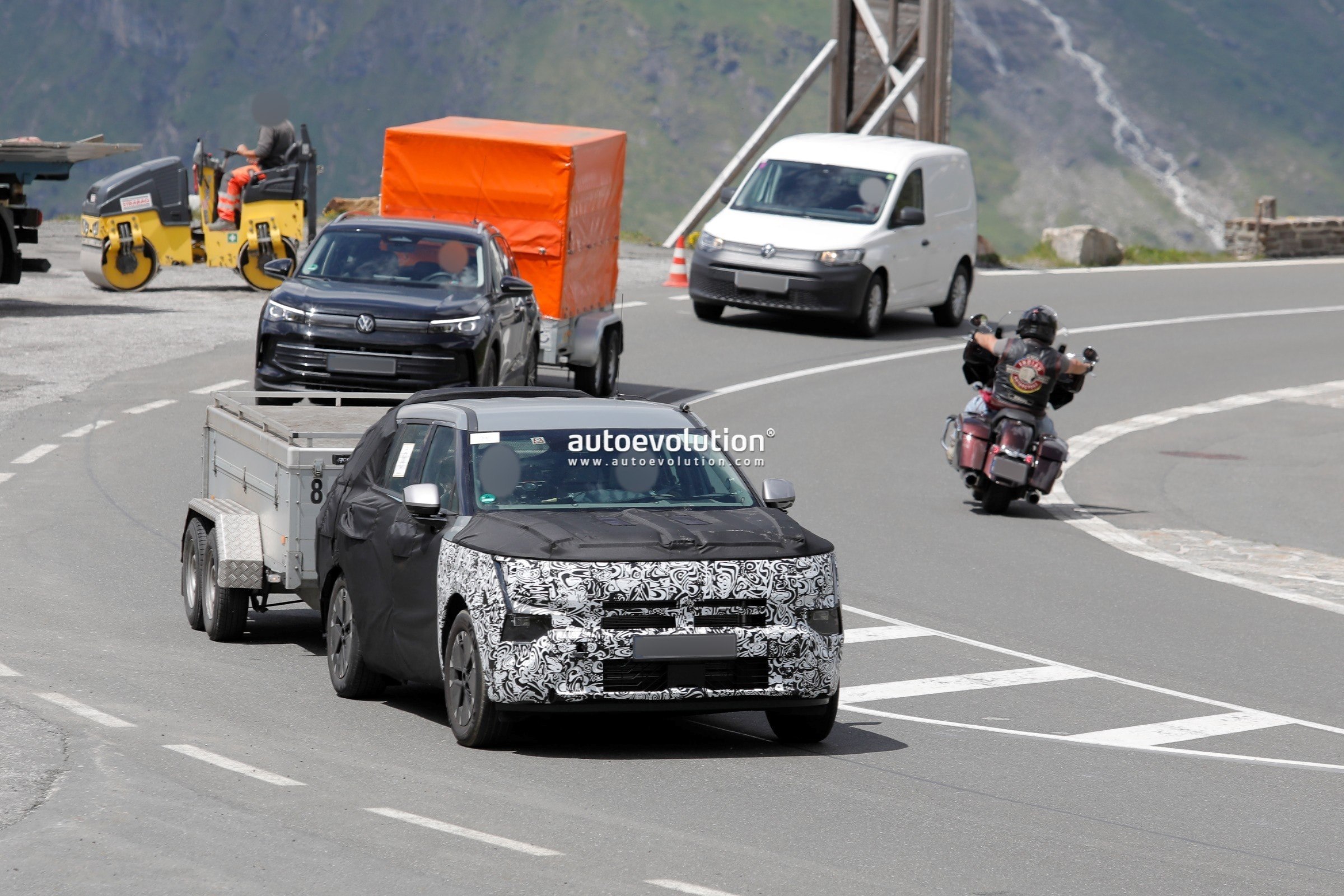
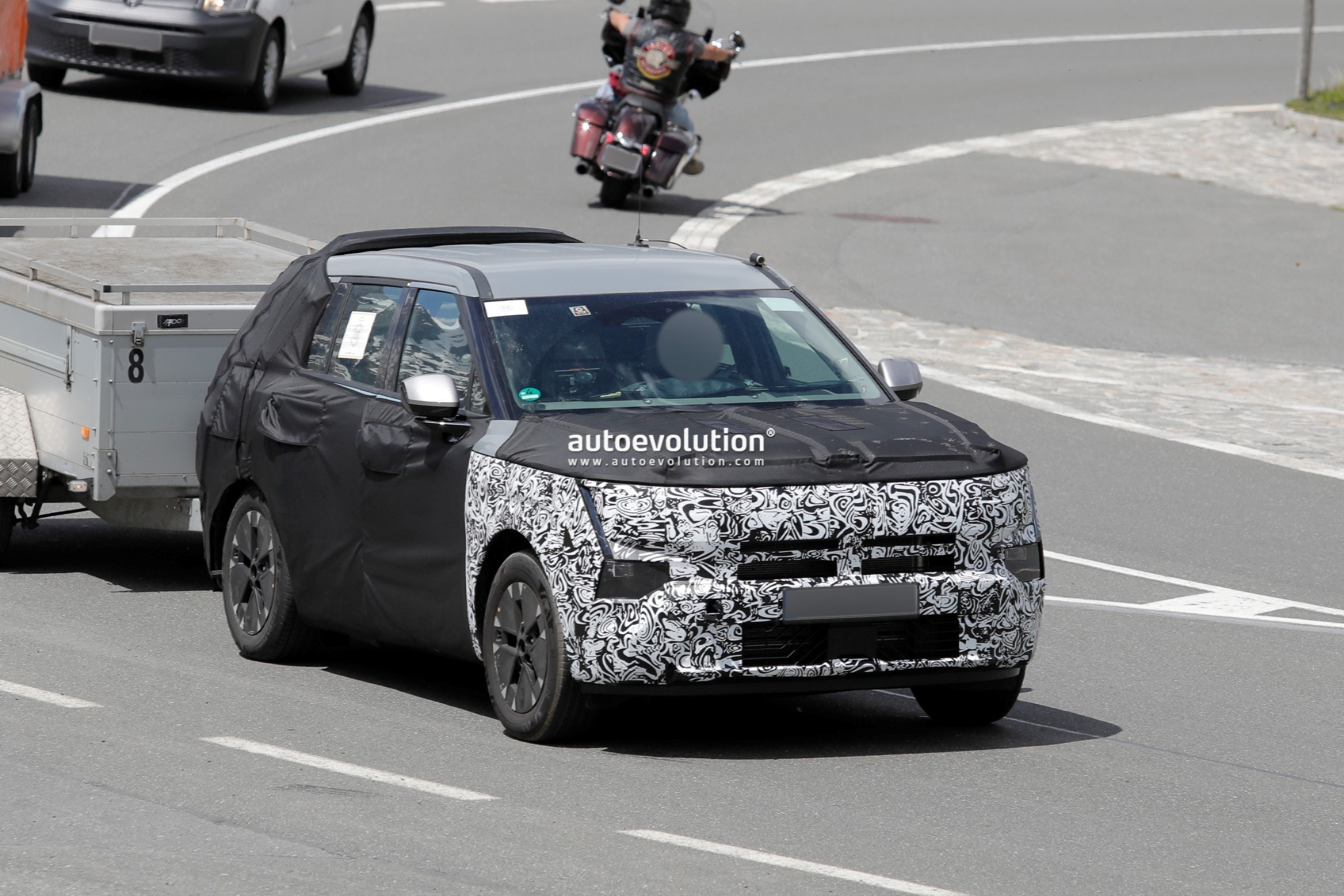
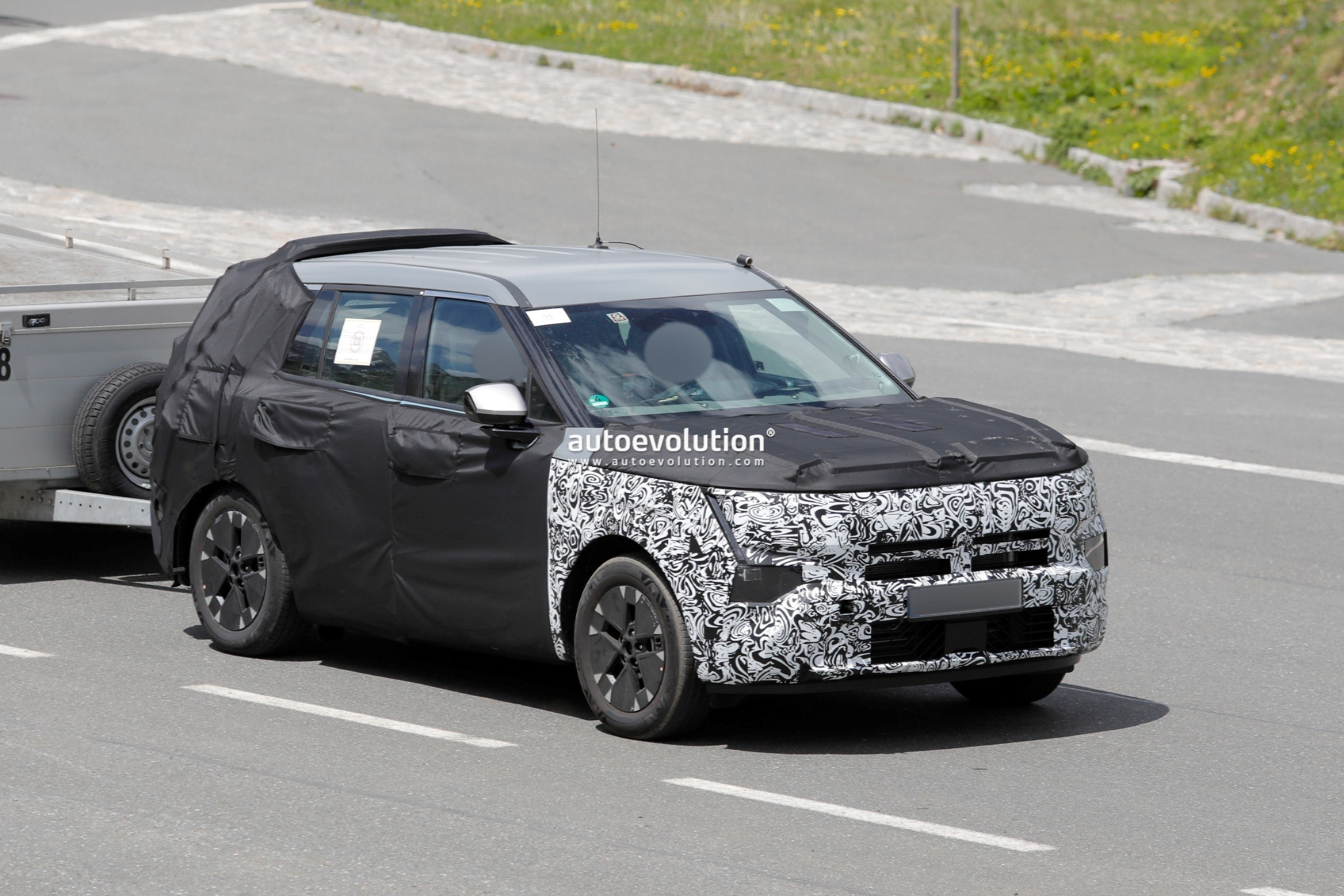
Clearer Views of New Design and Interior
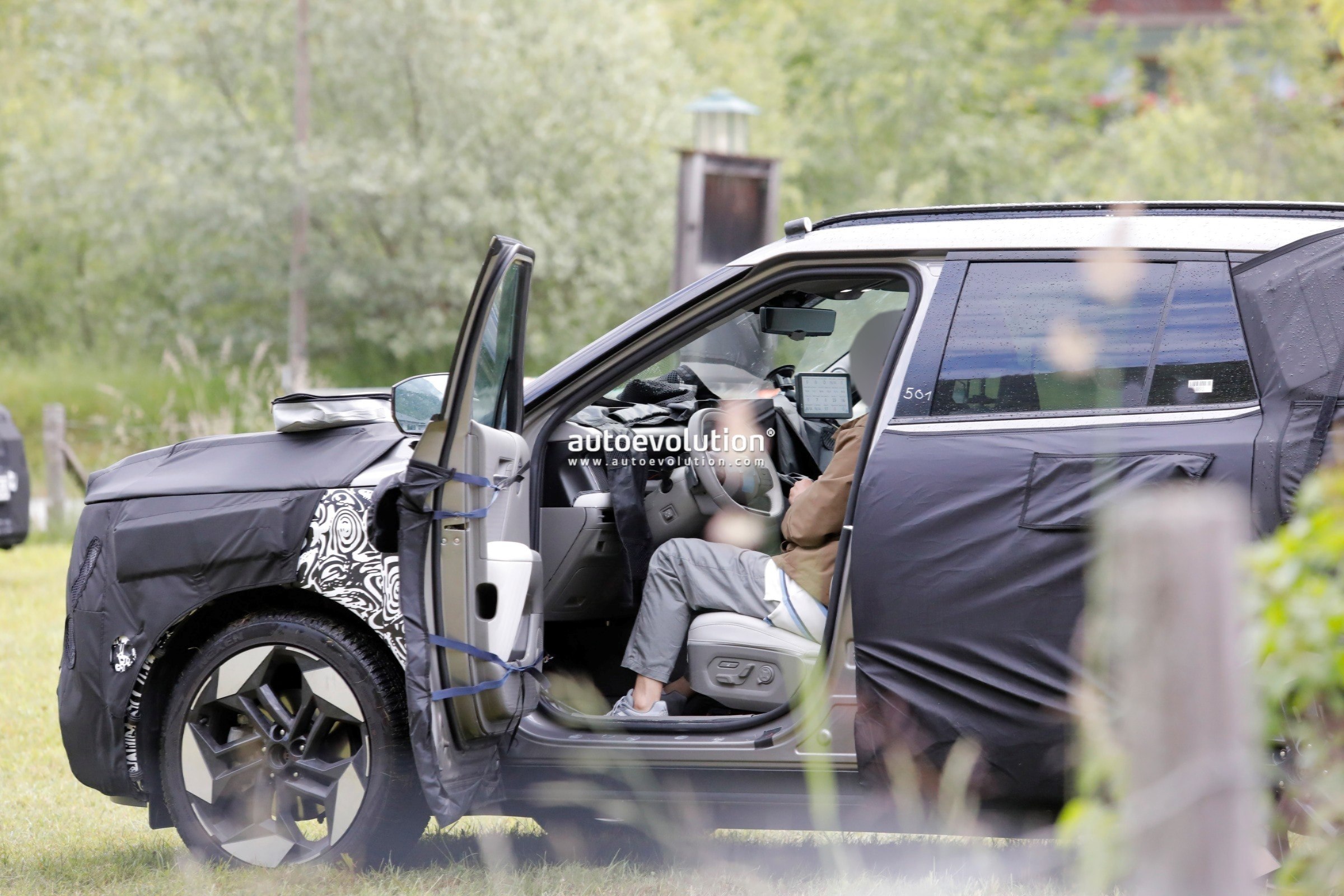
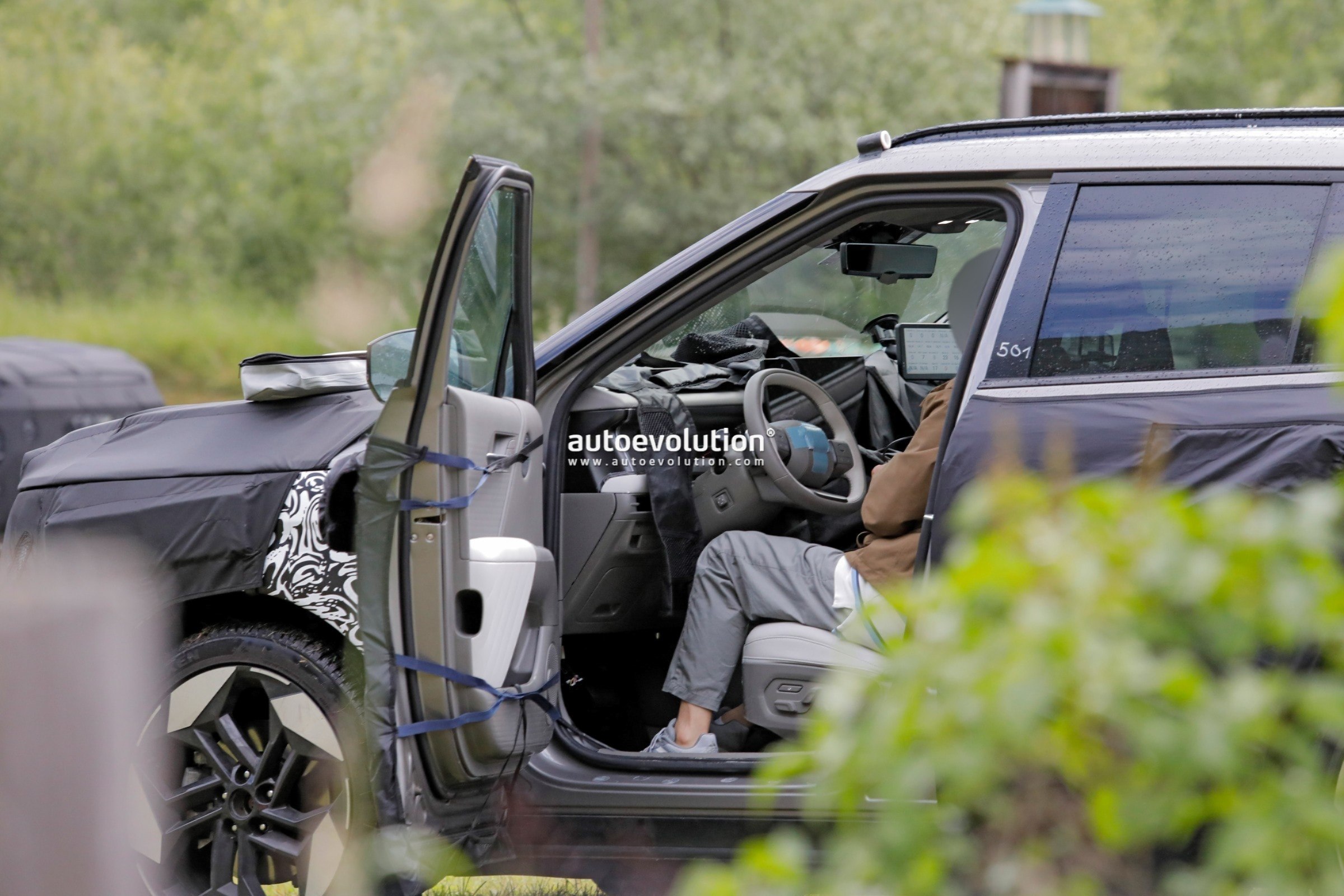
The recent photos reveal a more upright Tucson with a sharper, squared-off front end. Compared to the current model, the next-generation SUV features broader horizontal headlights and cleaner side panels with a taller cabin glass area. Its styling aligns it more closely with Hyundai’s Nexo and Santa Fe but keeps a distinct look.
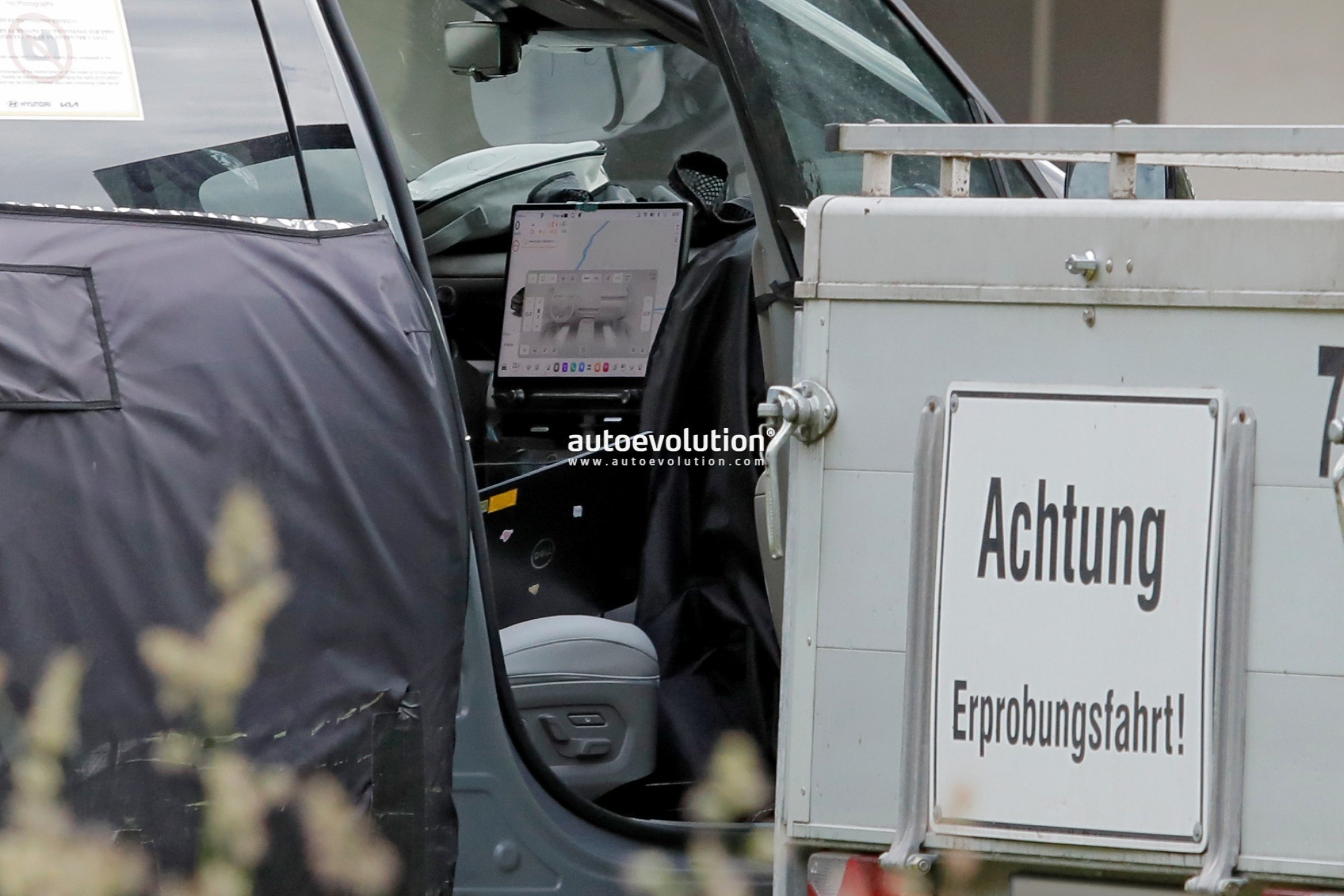
Inside, a large landscape-oriented touchscreen dominates the dashboard, reducing the number of physical controls. This new infotainment system is based on Hyundai’s Pleos platform, designed to improve connectivity and user interface.
Electrification and Platform Expectations
Despite rugged styling hints, the Tucson remains a unibody crossover rather than a traditional body-on-frame SUV. It is expected to continue emphasizing electrified powertrains, mainly in the form of self-charging hybrids and plug-in hybrids. Drivetrain options will likely include front-wheel and all-wheel drive.
More details on performance and powertrain specs remain unconfirmed. The final design and technical features might still change before the official launch, which is anticipated in the near future.
Source: autoevolution.com