
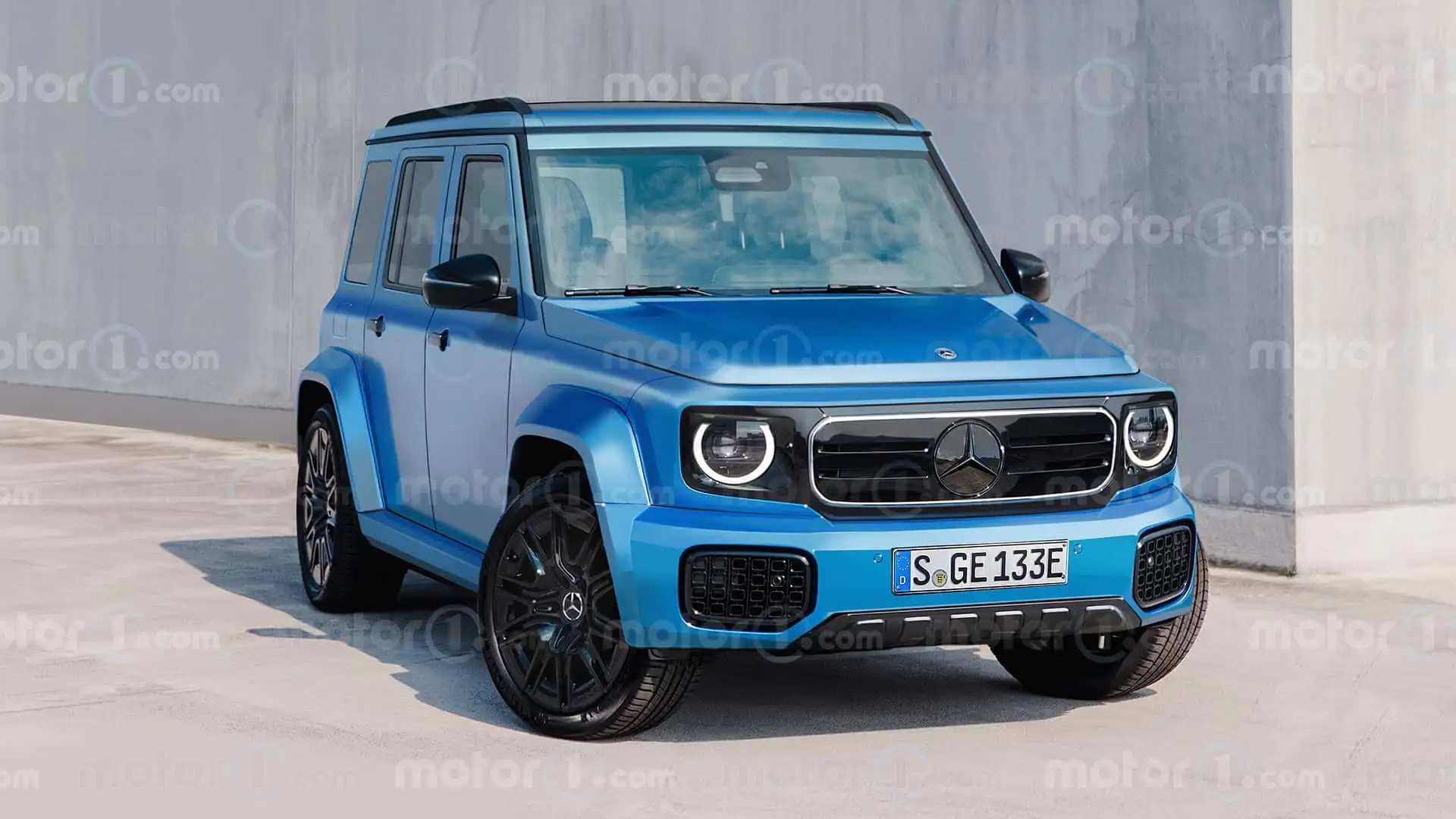
Mercedes-Benz is reportedly planning to build its upcoming smaller G-Class SUV, known as the “Baby G,” in Hungary instead of Germany. This move is expected to help reduce production costs and position the new model as a more affordable luxury compact SUV.
Production Shift to Hungary
According to Automotive News Europe, the Baby G will be produced at Mercedes’ plant in Kecskemet, Hungary, rather than the Rastatt factory in Germany. This aligns with Mercedes’ strategy to use the Hungarian facility for its lower-cost vehicles. The company has previously announced plans to reduce production costs by 10% between 2024 and 2027, aiming for even deeper cuts by 2030.

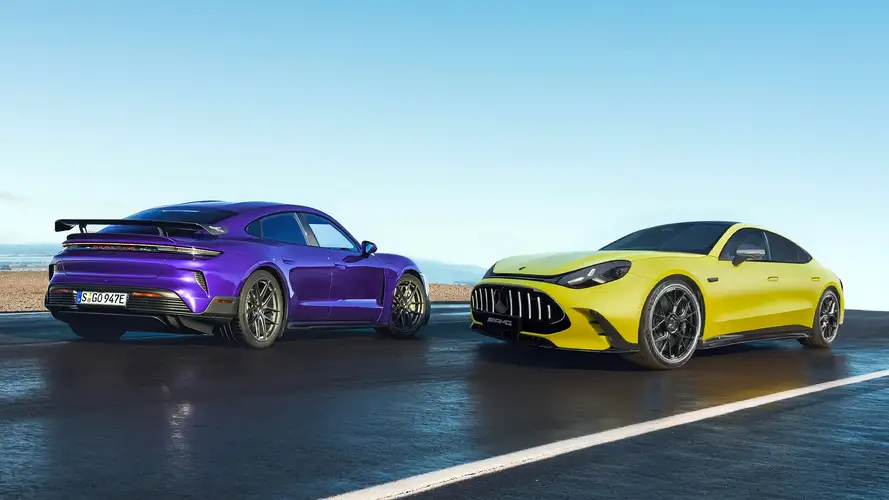
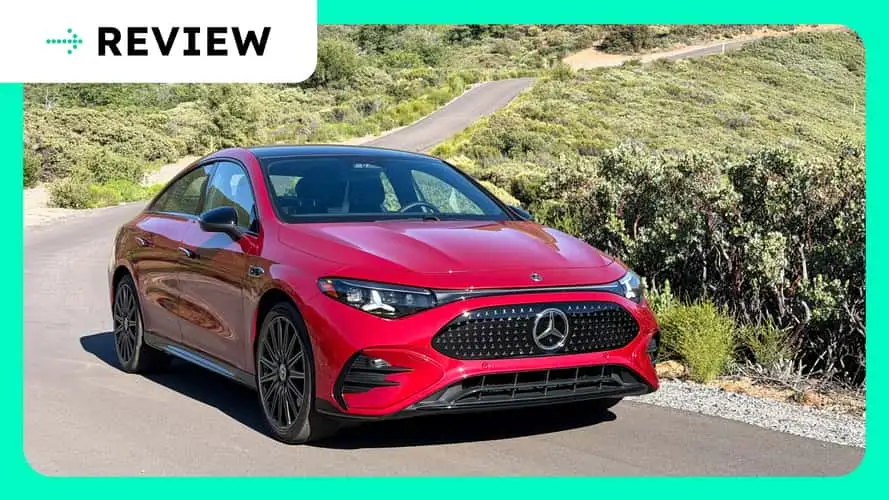
- Kecskemet plant focuses on budget-friendly Mercedes models
- Production shift follows recent move of A-Class production to Hungary
- Lower labor costs in Hungary could help keep prices down
New Platform and Model Details
The Baby G is expected to be built on the MMA platform, which supports both electric and combustion engines. This marks a change from earlier plans that focused on a fully electric design. The MMA platform underpins other compact Mercedes vehicles, such as the electric GLB, offering more flexibility for powertrain options.
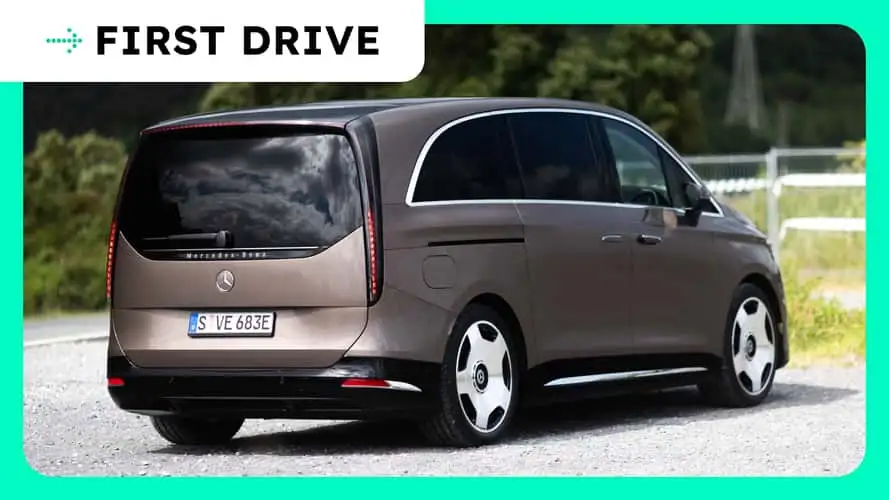
- MMA platform supports hybrid, electric, and combustion powertrains
- Will look similar to the larger G-Class but with less off-road capability
- Front-biased all-wheel-drive system with limited rear power in hybrids
Off-Road Ability and Market Position
While the Baby G will maintain some off-road ability true to the G-Class heritage, it won’t match the full-size G’s legendary ruggedness and military-grade features. The smaller model will likely focus on luxury and lifestyle appeal, serving buyers who value style and brand prestige more than extreme off-road performance.


- More ground clearance and wheel articulation than typical compact SUVs
- Not expected to have the full multi-motor powertrain of the G-Class
- Designed for mild off-road use, mainly an on-road luxury vehicle
Why This Matters
This production move and platform change suggest Mercedes is aiming to reach a broader market with the Baby G. By relying on cost-efficient production in Hungary and a flexible, compact platform, the Baby G could become a more affordable entry point into the G-Class family. It also signals Mercedes’ awareness of evolving customer needs, balancing luxury with practicality in a growing compact SUV segment.
Source: insideevs.com