
Hyundai showcased its advanced Atlas humanoid robot during a Round of 16 match at the 2026 FIFA World Cup. This public demonstration highlighted the robot’s progress and the company’s plans to start mass production in the U.S. by 2028.
Atlas Robot Shines on Football’s Biggest Stage
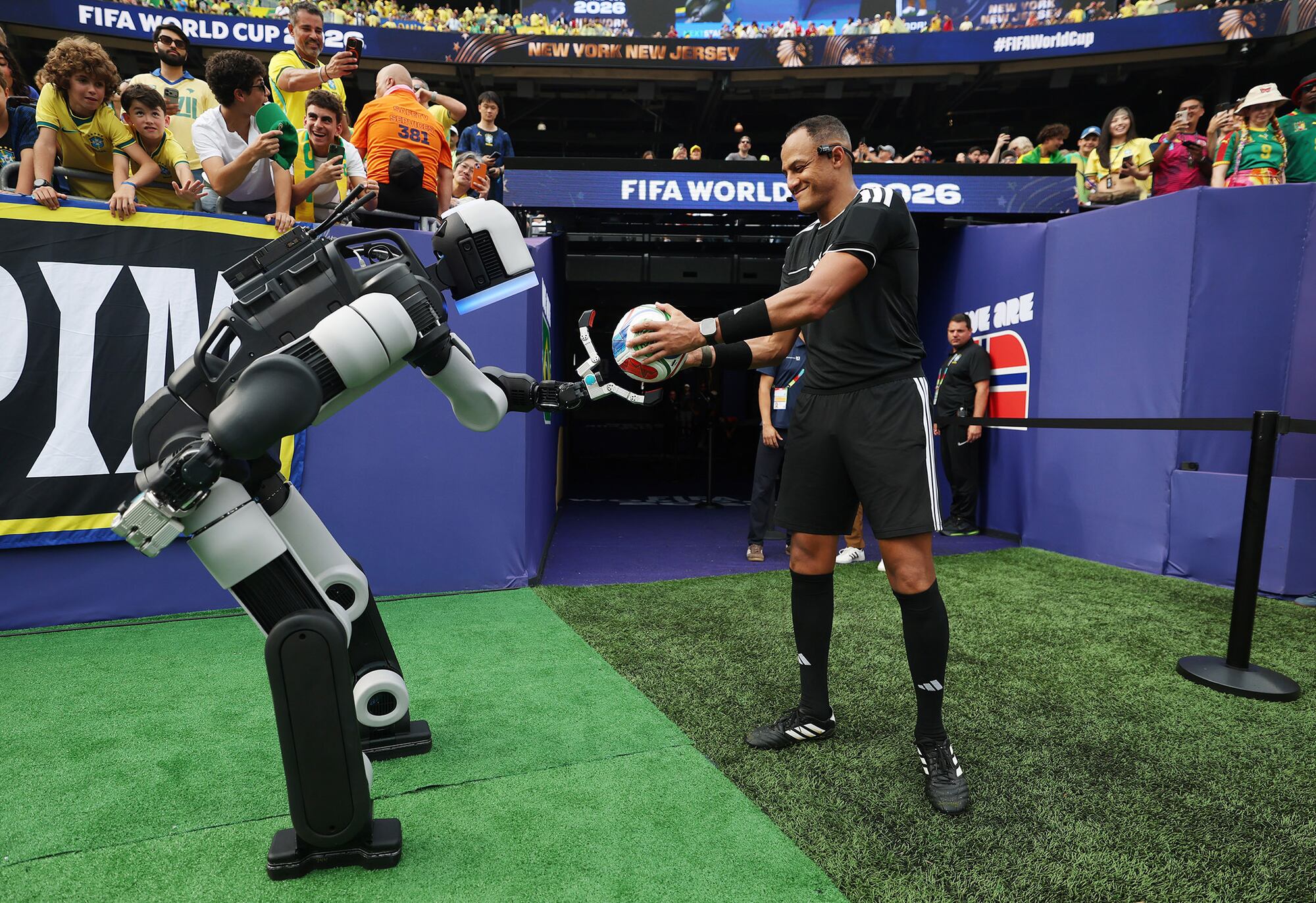
At the New York/New Jersey Stadium, Hyundai’s Boston Dynamics-developed Atlas robot walked through the player tunnel and performed soccer-related celebrations. The robot mimicked famous goal celebrations, including moves by Brazil’s Matheus Cunha and South Korea’s Son Heung-min, and handed the match ball to the referee. This was Atlas’s first live public showing since Hyundai revealed the production-ready model earlier this year.
Mass Production Plans and Factory Use
Hyundai aims to produce around 30,000 humanoid robots annually in the U.S., starting in 2028. These robots will primarily work in Hyundai’s plants in Georgia. Testing Atlas in the unpredictable environment of an outdoor stadium allowed the company to collect valuable engineering data, critical for deploying robots on factory floors.
Engineering Breakthroughs and Real-World Testing
- Atlas adapted to natural grass terrain, a first for the robot facing variable and slippery surfaces.
- Robotics behavior director Alberto Rodriguez explained how Atlas learned to execute complex motions reliably.
- The robot mastered advanced football moves like the “Ghost Rabona” kick, showing its ability to handle detailed, dynamic actions.
Addressing Public Perception and Labor Concerns
Hyundai’s demonstration also aims to improve public understanding of robotics and their potential to transform manufacturing and everyday life over the next decade. However, concerns remain about the impact of robots on jobs. Labor unions, including Hyundai’s own, have urged management to consult workers ahead of wider robot adoption.
Why It Matters
This high-profile showcase underlines Hyundai’s ambition to lead in advanced robotics for industry. By blending sports culture with real-world testing, the company is paving the way for smoother integration of humanoid robots in factories. The project highlights both technological progress and the challenges of balancing automation with workforce interests.
Source: autonews.com