
General Motors has renewed its partnership with China’s SAIC Motor, extending their joint venture until 2047. This move strengthens China’s role as GM’s main hub for electric and hybrid vehicle development, especially for Buick and Cadillac models.
Turning China Into an EV Engineering and Export Center
The 50-50 SAIC-GM joint venture will now focus on producing at least 30 new energy vehicles by 2030. These vehicles will be built on platforms and software developed in China and exported to markets including the Middle East, South America, Africa, Mexico, and parts of Asia. GM’s renewed deal with SAIC shows the company’s commitment to leveraging China’s engineering resources rather than retreating from the market.
As part of this strategy, Buick and Cadillac will become the core brands in China. Chevrolet will no longer be sold there following factory closures and a shift in GM’s local lineup. However, Chinese-made Chevrolets will continue as export-only models under the SAIC-GM-Wuling venture, aimed at markets outside the US.
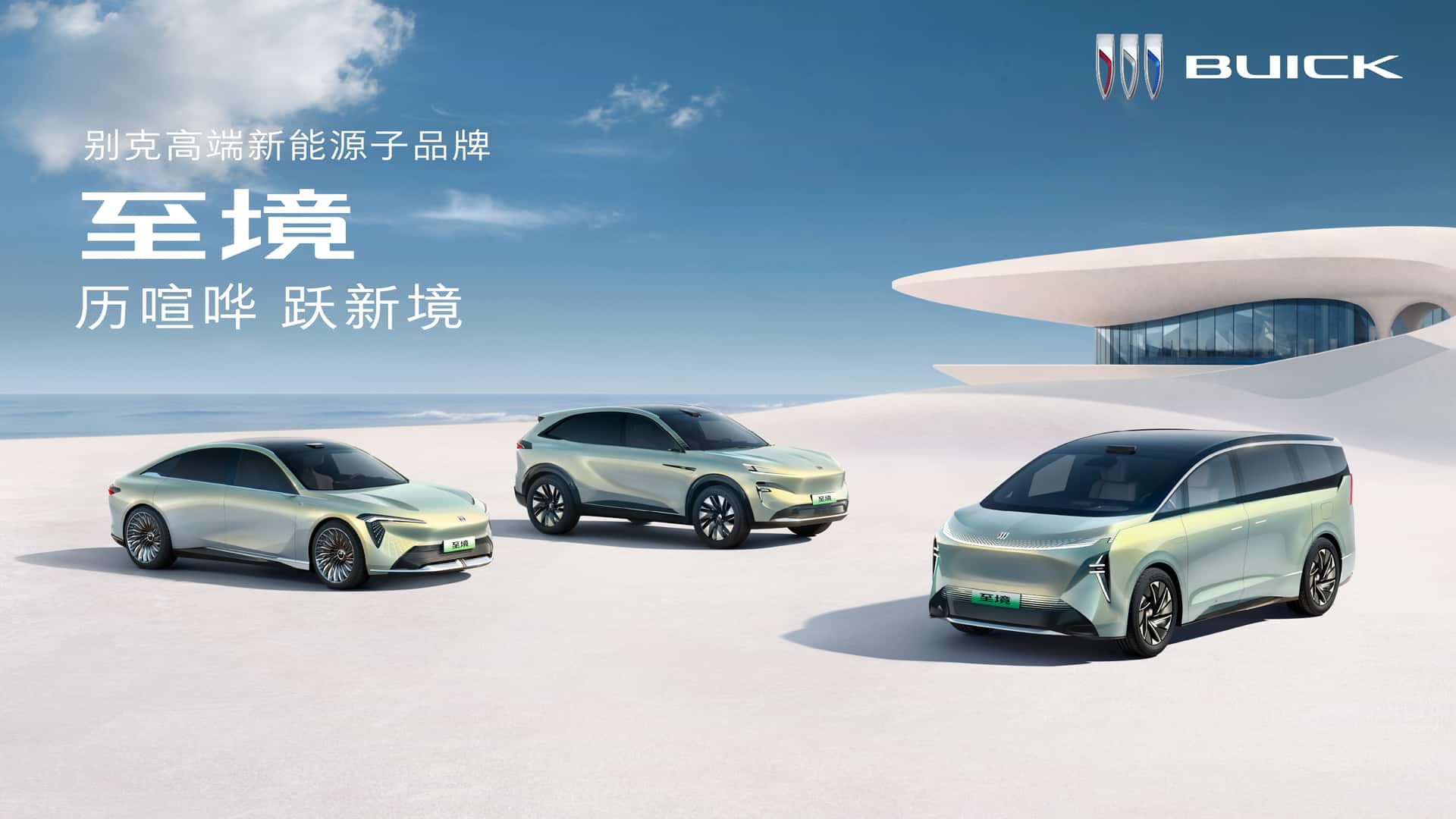
Buick Electra and Focus on Software Innovation
A key element is the push for advanced electrification and software. SAIC-GM plans to emphasize intelligent cockpit systems and hands-free driving features, developed with China’s tech partners. The Buick Electra sub-brand will lead this effort, with the Electra E7 SUV set to begin exports from China in October. This model will likely be followed by other Electra variants using the same Chinese-developed technology.
Global Impact of GM’s China Strategy
Chinese automakers have been expanding their EV exports worldwide, often competing aggressively on price. By using China as a development and export base, GM aims to offer competitively priced Buick and Cadillac EVs in price-sensitive regions without sacrificing margins. This approach may influence GM’s product range and pricing well beyond China, especially in countries already seeing Chinese EVs.
This strategy also gives GM access to a vast pool of EV engineering talent and supplier networks in China, something Western competitors risk losing as some withdraw from the market. At the same time, GM continues developing new models for North America, such as upcoming Ultium-based vehicles and the second-generation Chevrolet Equinox EV.
Ultimately, GM’s dependence on China for EV development marks a shift in how global automakers approach production and exports amid the fast-changing electric vehicle landscape.
Source: motor1.com