
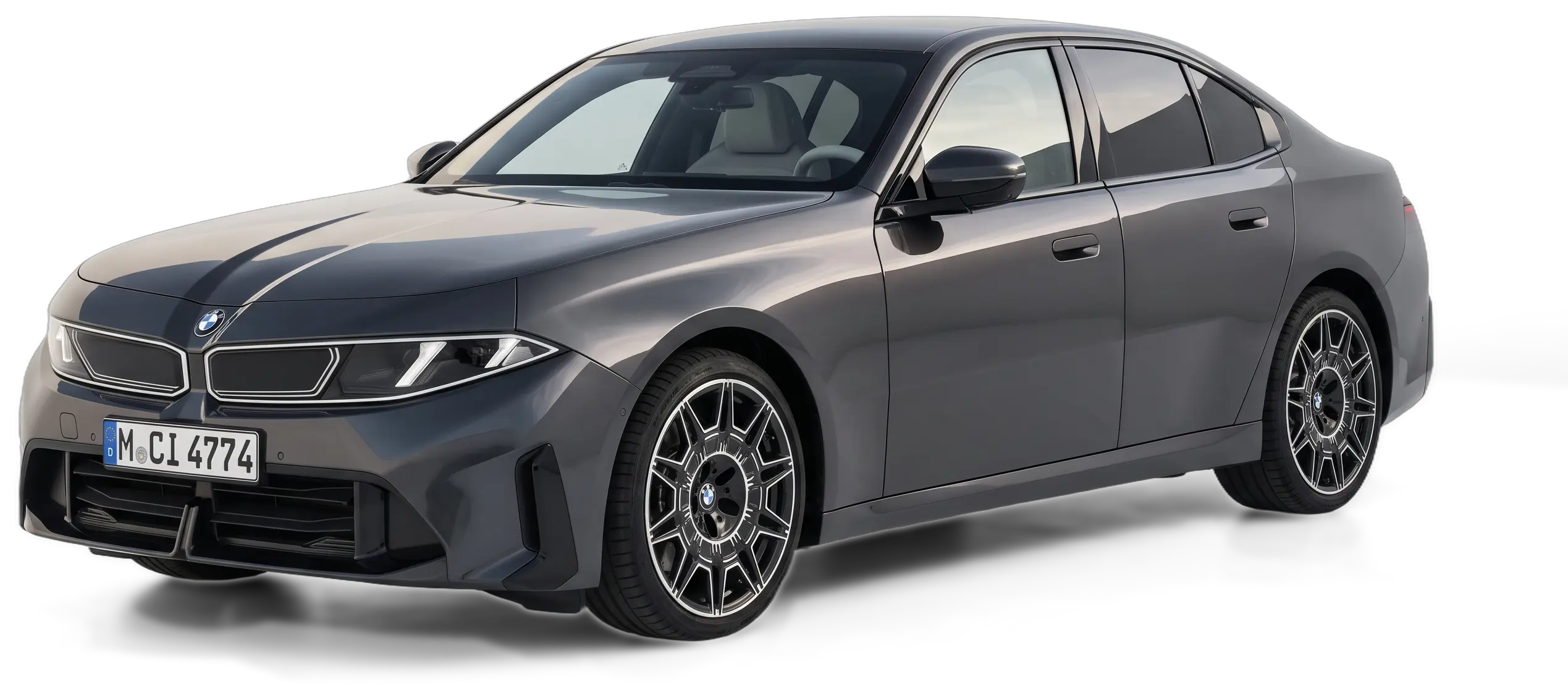
Volvo 850 2.0 20V (143 Hp) vs BMW 3 Series 318 (156 Hp) Mild Hybrid Steptronic
Compare up to three variants side by side. Add cars from specs pages or pick a model below.
No cars in comparison yet
Open a model specs page and tap Compare, or browse the catalog to add a car.
Browse cars| Specification | 2.0 20V (143 Hp) | 318 (156 Hp) Mild Hybrid Steptronic | — |
|---|---|---|---|
| Overview | |||
| Generation | Gen 1 | Gen 8 | — |
| Year | 1992–1996 | 2026–present | — |
| Platform | Volvo P80 | BMW CLAR | — |
| Variant | 2.0 20V (143 Hp) | 318 (156 Hp) Mild Hybrid Steptronic | — |
| Body type | sedan | Sedan | — |
| Engine type | Fuel | Mild Hybrid | — |
| Fuel type | Petrol | Petrol | — |
| Seats | 5 | 5 | — |
| Doors | — | 4 | — |
| Power & torque | |||
| Power | 143 HP | 156 HP | — |
| Torque | — | 250 Nm (184 lb-ft) | — |
| Performance | |||
| Top speed | 240 km/h (149 mph) | 215 km/h (134 mph) | — |
| 0–100 km/h | — | 9.5 s (0-60 mph: ~9.0 s) | — |
| 0–62 mph | — | 9.5 s (0-60 mph: ~9.0 s) | — |
| 0–60 mph | — | 9.0 s | — |
| Engine | |||
| Engine code | B5204S | B48B20 | — |
| Displacement | 2000 cc | 1995 cc | — |
| Cylinders | 5 | 4 | — |
| Configuration | inline | inline | — |
| Aspiration | Naturally Aspirated Engine | Naturally Aspirated Engine | — |
| Oil capacity | 5.3 L | 4.3 L | — |
| Coolant | 7.2 L | 7.8 L | — |
| Engine layout | Front Transverse | Front, Longitudinal | — |
| Bore | — | 84 mm (3.3 in) | — |
| Stroke | — | 90 mm (3.5 in) | — |
| Compression ratio | — | 10.5 | — |
| Valves per cylinder | — | 4 | — |
| Injection system | — | Multi Port Manifold Injection | — |
| Engine systems | — | Start & Stop System Particulate filter | — |
| Drivetrain & transmission | |||
| Drive | Front Wheel Drive | Rear wheel drive | — |
| Powertrain architecture | Internal Combustion Engine | MHEV (Mild Hybrid Electric Vehicle, power-assist hybrid, battery-assisted hybrid vehicles, BAHV) | — |
| Drivetrain architecture | The Internal Combustion Engine Ice Drives The Front Wheels Of The Vehicle | The Internal combustion engine (ICE) and electric motor drive the rear wheels of the car with the ability to work only in mixed mode. | — |
| Gearbox type | manual | Torque Converter | — |
| Gears | 5 | 8 | — |
| Gearbox code | m56 | 8hp | — |
| Gearbox manufacturer | volvo | zf | — |
| Consumption & emissions | |||
| Fuel combined | 8.8 L/100 km (26.7 US MPG) | — | — |
| Fuel urban | 9.4 L/100 km (25 US MPG) | — | — |
| Fuel extra urban | 8.0 L/100 km (29.4 US MPG) | — | — |
| Fuel tank | 70.0 L (18.5 US gal) | 59.0 L (15.6 US gal) | — |
| Fuel combined (WLTP) | — | 6.5 L/100 km (36.2 US MPG) | — |
| CO₂ (WLTP) | — | 148 g/km | — |
| Chassis & brakes | |||
| Front brakes | disc | Ventilated discs | — |
| Rear brakes | disc | Ventilated discs | — |
| Steering type | Steering Rack And Pinion | Steering rack and pinion | — |
| Power steering | Hydraulic Steering | Electric Steering | — |
| Assisting systems | Abs Anti Lock Braking System | ABS (Anti-lock braking system) | — |
| Front suspension | — | Coil spring, Double wishbone, Anti-roll bar | — |
| Rear suspension | — | Independent multi-link spring suspension with anti-roll bar | — |
| Tire size | — | 245/45 R18 | — |
| Wheel rims | — | 8J x 18 | — |
| Other | |||
| Start Of Production | 1992 | 2026 | — |
| End Of Production | 1996 | — | — |
| Maximum Speed Mph | 149 | 134 | — |
| Fuel Tank Capacity Gal | 18.5 | 15.6 | — |
| Fuel Economy Combined Mpg Us | 26.7 | — | — |
| Width Including Mirrors | — | 2055 | — |
| Front Overhang | — | 830 | — |
| Rear Overhang | — | 1075 | — |
| Length In | — | 187.6 | — |
| Width In | — | 72.8 | — |
| Height In | — | 57.3 | — |
| Wheelbase In | — | 112.6 | — |
| Front Track In | — | 62.9 | — |
| Rear Back Track In | — | 63.7 | — |
| Width Including Mirrors In | — | 80.9 | — |
| Kerb Weight Lbs | — | 3704 | — |
| Max Weight Lbs | — | 4916 | — |
| Max Load Lbs | — | 1213 | — |
| Torque Lbft | — | 184 | — |
| Trunk Boot Space Min Cuft | — | 15.9 | — |
| Fuel Economy Combined Wltp Mpg Us | — | 36.2 | — |
| Dimensions | |||
| Length | — | 4,765 mm (187.6 in) | — |
| Width | — | 1,850 mm (72.8 in) | — |
| Height | — | 1,455 mm (57.3 in) | — |
| Wheelbase | — | 2,860 mm (112.6 in) | — |
| Front track | — | 1,597 mm (62.9 in) | — |
| Rear track | — | 1,617 mm (63.7 in) | — |
| Boot space | — | 450 L (15.9 cu ft) | — |
| Turning circle | — | 11.7 m | — |
| Mass | |||
| Kerb weight | — | 1,680 kg (3,704 lbs) | — |
| Max weight | — | 2,230 kg (4,916 lbs) | — |
| Max load | — | 550 kg (1,213 lbs) | — |
| Efficiency ratios | |||
| Weight-to-power | — | 10.8 | — |
| Weight-to-torque | — | 6.7 | — |
| Drag coefficient | — | 0.26 Cd | — |
| Max roof load | — | 75 kg (165 lbs) | — |
| Electric / hybrid | |||
| Battery capacity (gross) | — | 0.9 kWh | — |
| Electric motor power | — | 11 HP | — |
| Electric motor torque | — | 25 Nm (18 lb-ft) | — |