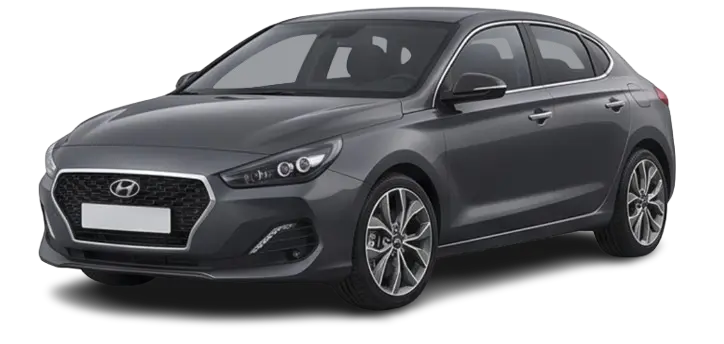
Hyundai i30 N 2.0 T-GDI (250 Hp) vs Hyundai i30 1.4 T-GDI (140 Hp)
Compare up to three variants side by side. Add cars from specs pages or pick a model below.
No cars in comparison yet
Open a model specs page and tap Compare, or browse the catalog to add a car.
Browse cars| Specification | N 2.0 T-GDI (250 Hp) | 1.4 T-GDI (140 Hp) | — |
|---|---|---|---|
| Overview | |||
| Generation | Gen 3 | Gen 3 | — |
| Year | 2018–2020 | 2017–2018 | — |
| Platform | Hyundai-Kia K2 | Hyundai-Kia K2 | — |
| Variant | N 2.0 T-GDI (250 Hp) | 1.4 T-GDI (140 Hp) [/hyundai-i30-iii-fastback-1.4-t-gdi-140hp-31359] | — |
| Body type | fastback | fastback | — |
| Engine type | Fuel | Fuel | — |
| Fuel type | Petrol | Petrol | — |
| Seats | 5 | 5 | — |
| Doors | 5 | 5 | — |
| Emission standard | Euro 6d - TEMP | Euro 6 | — |
| Power & torque | |||
| Power | 250 HP | 140 HP | — |
| Power @ max rpm | 6000 rpm | 6000 rpm | — |
| Torque | 353 Nm (260 lb-ft) | 242 Nm (178 lb-ft) | — |
| Torque @ min rpm | 1450 rpm | — | — |
| Torque @ max rpm | 4000 rpm | 1500 rpm | — |
| Performance | |||
| Top speed | 250 km/h (155 mph) | 208 km/h (129 mph) | — |
| 0–100 km/h | 6.4 s (0-60 mph: ~6.1 s) | 9.2 s (0-60 mph: ~8.7 s) | — |
| 0–62 mph | 6.4 s (0-60 mph: ~6.1 s) | 9.2 s (0-60 mph: ~8.7 s) | — |
| 0–60 mph | 6.1 s | 8.7 s | — |
| Engine | |||
| Engine code | G4KH | — | — |
| Displacement | 1998 cc | — | — |
| Cylinders | 4 | — | — |
| Configuration | inline | — | — |
| Bore | 86 mm (3.4 in) | — | — |
| Stroke | 86 mm (3.4 in) | — | — |
| Compression ratio | 9.5 | — | — |
| Valves per cylinder | 4 | — | — |
| Injection system | Direct Injection | — | — |
| Aspiration | Turbocharger Intercooler | — | — |
| Valvetrain | mla | — | — |
| Oil capacity | 5.2 L | 4.2 L | — |
| Coolant | 7.7 L | — | — |
| Engine layout | Front Transverse | Front Transverse | — |
| Drivetrain & transmission | |||
| Drive | Front Wheel Drive | Front Wheel Drive | — |
| Powertrain architecture | Internal Combustion Engine | Internal Combustion Engine | — |
| Drivetrain architecture | The Internal Combustion Engine Ice Drives The Front Wheels Of The Vehicle | The Internal Combustion Engine Ice Drives The Front Wheels Of The Vehicle | — |
| Gearbox type | manual | manual | — |
| Gears | 6 | 6 | — |
| Gearbox code | manual | manual | — |
| Gearbox manufacturer | hyundai | hyundai | — |
| Dimensions | |||
| Length | 4,455 mm (175.4 in) | 4,455 mm (175.4 in) | — |
| Width | 1,795 mm (70.7 in) | 1,795 mm (70.7 in) | — |
| Height | 1,417 mm (55.8 in) | 1,425 mm (56.1 in) | — |
| Wheelbase | 2,650 mm (104.3 in) | 2,650 mm (104.3 in) | — |
| Boot space | 436 – 1351 L (15.4 – 47.7 cu ft) | 450 – 1351 L (15.9 – 47.7 cu ft) | — |
| Ground clearance | 132 mm (5.2 in) | 135 mm (5.3 in) | — |
| Turning circle | 10.6 m | 10.6 m | — |
| Consumption & emissions | |||
| Fuel combined | 7.7 L/100 km (30.5 US MPG) | 5.5 L/100 km (42.8 US MPG) | — |
| Fuel urban | 10.7 L/100 km (22 US MPG) | 6.7 L/100 km (35.1 US MPG) | — |
| Fuel extra urban | 5.9 L/100 km (39.9 US MPG) | 4.9 L/100 km (48 US MPG) | — |
| CO₂ emissions | 176 g/km | 129 g/km | — |
| Fuel tank | 50.0 L (13.2 US gal) | 50.0 L (13.2 US gal) | — |
| Chassis & brakes | |||
| Front suspension | Independent Type Mcpherson | Independent Type Mcpherson | — |
| Rear suspension | Independent Multi Link Suspension | Independent Multi Link Suspension | — |
| Front brakes | Ventilated Discs | Ventilated Discs | — |
| Rear brakes | disc | disc | — |
| Steering type | Steering Rack And Pinion | Steering Rack And Pinion | — |
| Power steering | Electric Steering | Electric Steering | — |
| Tire size | 225/40 R18; 235/35 R19 | 225/45 R17; 225/40 ZR18 | — |
| Wheel rims | 18; 19 | 7.0J x 17; 7.5J x 18 | — |
| Assisting systems | Abs Anti Lock Braking System | Abs Anti Lock Braking System | — |
| Other | |||
| Start Of Production | 2018 | 2017 | — |
| End Of Production | 2020 | 2018 | — |
| Front Overhang | 905 | 905 | — |
| Rear Overhang | 900 | 900 | — |
| Maximum Speed Mph | 155 | 129 | — |
| Length In | 175.4 | 175.4 | — |
| Width In | 70.7 | 70.7 | — |
| Height In | 55.8 | 56.1 | — |
| Wheelbase In | 104.3 | 104.3 | — |
| Ride Height Ground Clearance In | 5.2 | 5.3 | — |
| Torque Lbft | 260 | 178 | — |
| Trunk Boot Space Min Cuft | 15.4 | 15.9 | — |
| Trunk Boot Space Max Cuft | 47.7 | 47.7 | — |
| Fuel Tank Capacity Gal | 13.2 | 13.2 | — |
| Fuel Economy Combined Mpg Us | 30.5 | 42.8 | — |
| Kerb Weight Lbs | — | 2767 | — |
| Max Weight Lbs | — | 4057 | — |
| Max Load Lbs | — | 950 | — |
| Mass | |||
| Kerb weight | — | 1,255 kg (2,767 lbs) | — |
| Kerb weight (min) | — | 1,255 kg (2,767 lbs) | — |
| Kerb weight (max) | — | 1,409 kg (3,106 lbs) | — |
| Max weight | — | 1,840 kg (4,057 lbs) | — |
| Max load | — | 431 kg (950 lbs) | — |
| Efficiency ratios | |||
| Weight-to-power | — | 9 kg/Hp, 111.6 Hp/tonne | — |
| Weight-to-torque | — | 5.2 kg/Nm, 192.8 Nm/tonne | — |