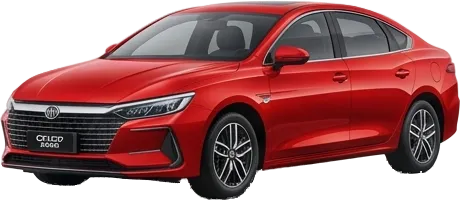
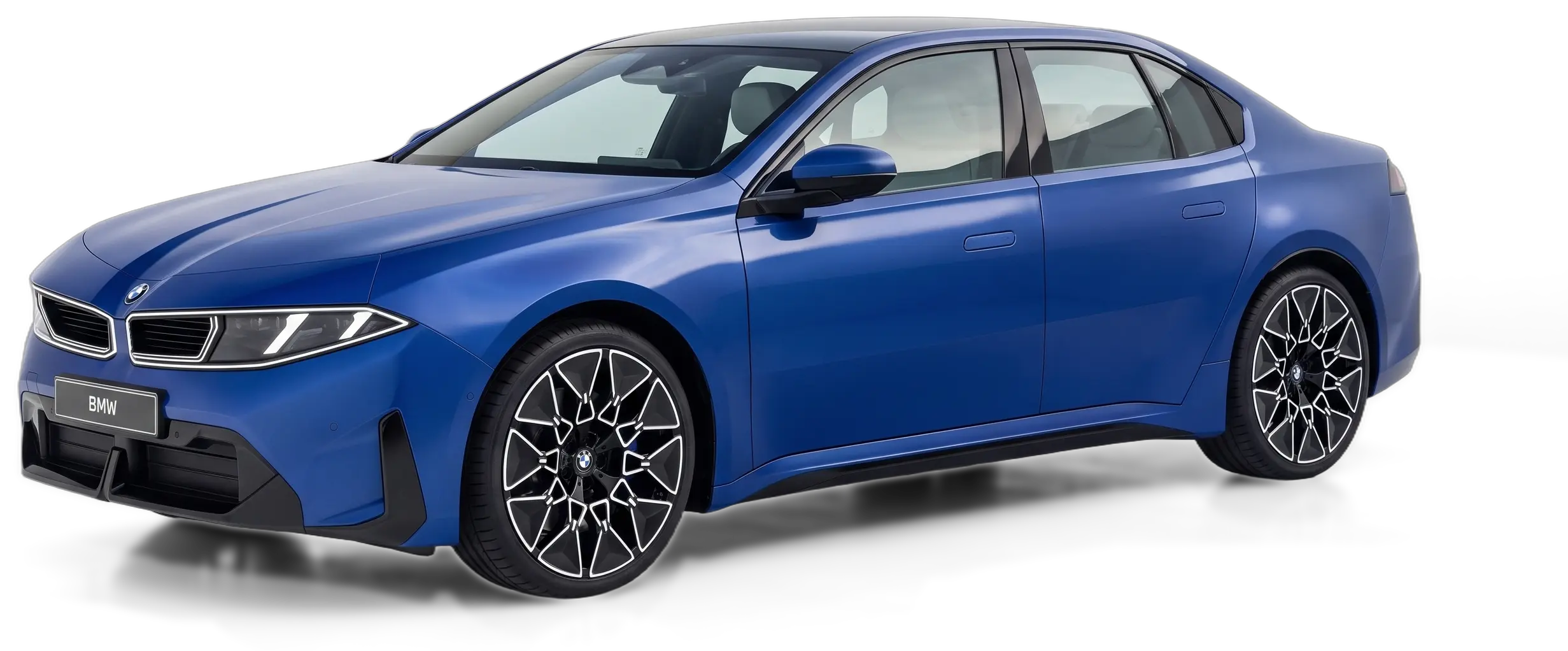
BYD Qin EV 53.1 kWh (136 Hp) vs BMW i3 40 82.8 kWh (374 Hp) xDrive
Compare up to three variants side by side. Add cars from specs pages or pick a model below.
No cars in comparison yet
Open a model specs page and tap Compare, or browse the catalog to add a car.
Browse cars| Specification | EV 53.1 kWh (136 Hp) | 40 82.8 kWh (374 Hp) xDrive | — |
|---|---|---|---|
| Overview | |||
| Generation | Gen 2 | Gen 3 | — |
| Year | 2019–2021 | 2026–present | — |
| Platform | BYD e- 2.0 | BMW Neue Klasse EV | — |
| Variant | EV 53.1 kWh (136 Hp) | 40 82.8 kWh (374 Hp) xDrive | — |
| Body type | sedan | Sedan | — |
| Engine type | Electric | Electric | — |
| Fuel type | Electric | Electric | — |
| Seats | 5 | 5 | — |
| Doors | 4 | 4 | — |
| Engine | |||
| Engine code | TZ200XSE | HA0001N0 | — |
| Drivetrain & transmission | |||
| Drive | Front Wheel Drive | All wheel drive (4x4) | — |
| Powertrain architecture | Bev Electric Vehicle | BEV (Electric Vehicle) | — |
| Drivetrain architecture | One Electric Motor Drives The Front Wheels | One electric motor drives the front wheels, one electric motor drives the rear wheels. | — |
| Gearbox type | electric | electric | — |
| Gears | 1 | 1 | — |
| Gearbox code | E Transmission | Electric Drive | — |
| Gearbox manufacturer | byd | aiways | — |
| Dimensions | |||
| Length | 4,765 mm (187.6 in) | 4,760 mm (187.4 in) | — |
| Width | 1,837 mm (72.3 in) | 1,865 mm (73.4 in) | — |
| Height | 1,515 mm (59.6 in) | 1,480 mm (58.3 in) | — |
| Wheelbase | 2,718 mm (107 in) | 2,897 mm (114.1 in) | — |
| Front track | 1,580 mm (62.2 in) | 1,606 mm (63.2 in) | — |
| Rear track | 1,580 mm (62.2 in) | 1,613 mm (63.5 in) | — |
| Boot space | 450 L (15.9 cu ft) | 420 L (14.8 cu ft) | — |
| Turning circle | — | 12.2 m | — |
| Chassis & brakes | |||
| Front suspension | Independent Type Mcpherson | Suspension strut, Anti-roll bar | — |
| Rear suspension | torsion | Independent multi-link spring suspension with anti-roll bar | — |
| Front brakes | Ventilated Discs | Ventilated discs | — |
| Rear brakes | disc | Disc | — |
| Steering type | Steering Rack And Pinion | Steering rack and pinion | — |
| Power steering | Electric Steering | Electric Steering | — |
| Tire size | 225/60 R16 | 245/45 R19 | — |
| Wheel rims | 16 | 8J x 19 | — |
| Assisting systems | Abs Anti Lock Braking System | ABS (Anti-lock braking system) | — |
| Electric / hybrid | |||
| Battery capacity (gross) | 53.1 kWh | — | — |
| Electric motor power | 136 HP | 167 HP | — |
| Electric motor torque | 180 Nm (133 lb-ft) | 255 Nm (188 lb-ft) | — |
| Battery capacity (net) | — | 82.8 kWh | — |
| Electric range (WLTP) | — | 566 km (352 mi) | — |
| Energy consumption (WLTP) | — | 14.3 kWh/100km | — |
| Other | |||
| Start Of Production | 2019 | 2026 | — |
| End Of Production | 2021 | — | — |
| Length In | 187.6 | 187.4 | — |
| Width In | 72.3 | 73.4 | — |
| Height In | 59.6 | 58.3 | — |
| Wheelbase In | 107 | 114.1 | — |
| Front Track In | 62.2 | 63.2 | — |
| Rear Back Track In | 62.2 | 63.5 | — |
| Trunk Boot Space Min Cuft | 15.9 | 14.8 | — |
| Width Including Mirrors | — | 2075 | — |
| Front Overhang | — | 855 | — |
| Rear Overhang | — | 1008 | — |
| Maximum Speed Mph | — | 124 | — |
| Width Including Mirrors In | — | 81.7 | — |
| Kerb Weight Lbs | — | 4608 | — |
| Max Weight Lbs | — | 5721 | — |
| Max Load Lbs | — | 1113 | — |
| Torque Lbft | — | 384 | — |
| Electric Range Wltp Mi | — | 352 | — |
| Power & torque | |||
| Power | — | 374 HP | — |
| Torque | — | 520 Nm (384 lb-ft) | — |
| Performance | |||
| Top speed | — | 200 km/h (124 mph) | — |
| 0–100 km/h | — | 5.4 s (0-60 mph: ~5.1 s) | — |
| 0–62 mph | — | 5.4 s (0-60 mph: ~5.1 s) | — |
| 0–60 mph | — | 5.1 s | — |
| Mass | |||
| Kerb weight | — | 2,090 kg (4,608 lbs) | — |
| Max weight | — | 2,595 kg (5,721 lbs) | — |
| Max load | — | 505 kg (1,113 lbs) | — |
| Efficiency ratios | |||
| Weight-to-power | — | 5.6 | — |
| Weight-to-torque | — | 4 | — |
| Drag coefficient | — | 0.21 Cd | — |
| Max roof load | — | 75 kg (165 lbs) | — |