
BMW is dialing back some of its recent experiments, including dropping diesel engines from the next 3 Series and planning to end front-wheel-drive models by the early 2030s. This marks a shift back toward the brand’s traditional focus on rear-wheel-drive and streamlined model choices.
Diesel Engines Leave the 3 Series After Decades
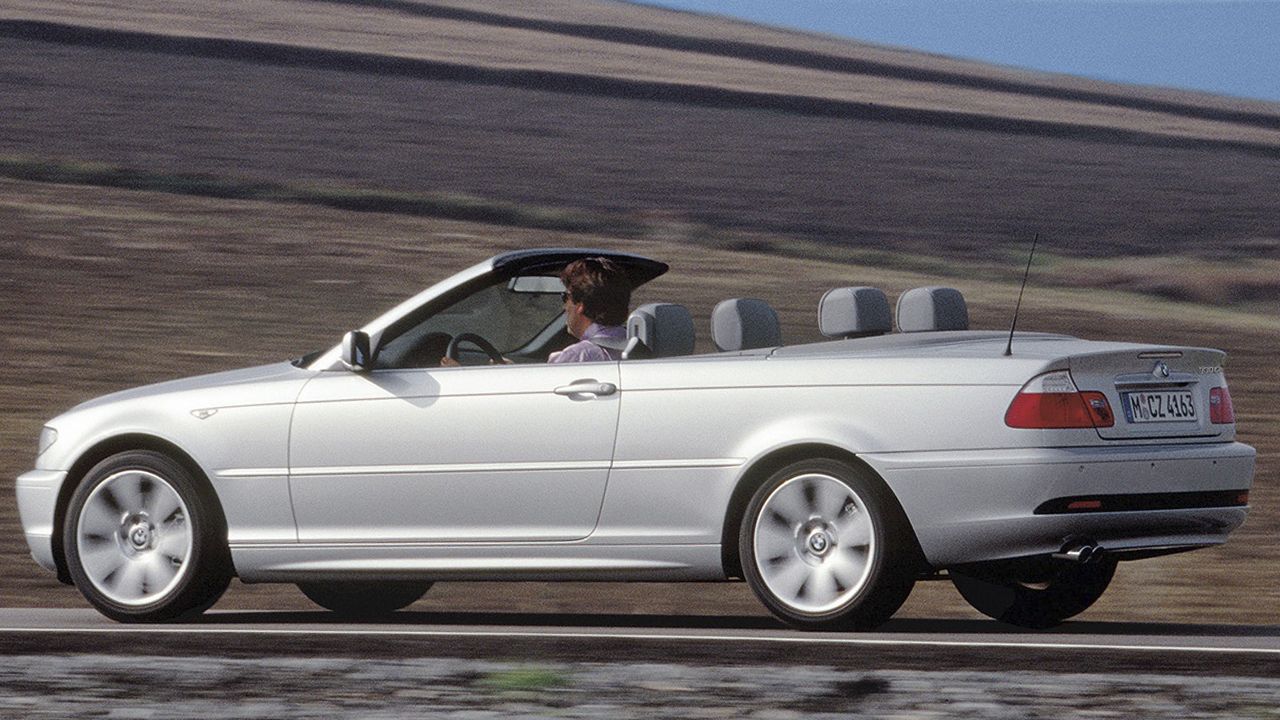
For years, BMW expanded into diesel powertrains, starting with the 3 Series in 1985. It even introduced a diesel coupe in 2003, combining diesel economy with sportiness. Diesel engine options grew popular among European buyers who wanted performance with efficiency.
That era is ending with the new generation of the 3 Series, which will no longer offer diesel engines. Although diesel won’t be completely removed from all BMW models yet, it is being phased out in one of the brand’s best-known segments. This change reflects a shift in buyer demand and stricter emissions rules.
Front-Wheel Drive Models Also Face Sunset
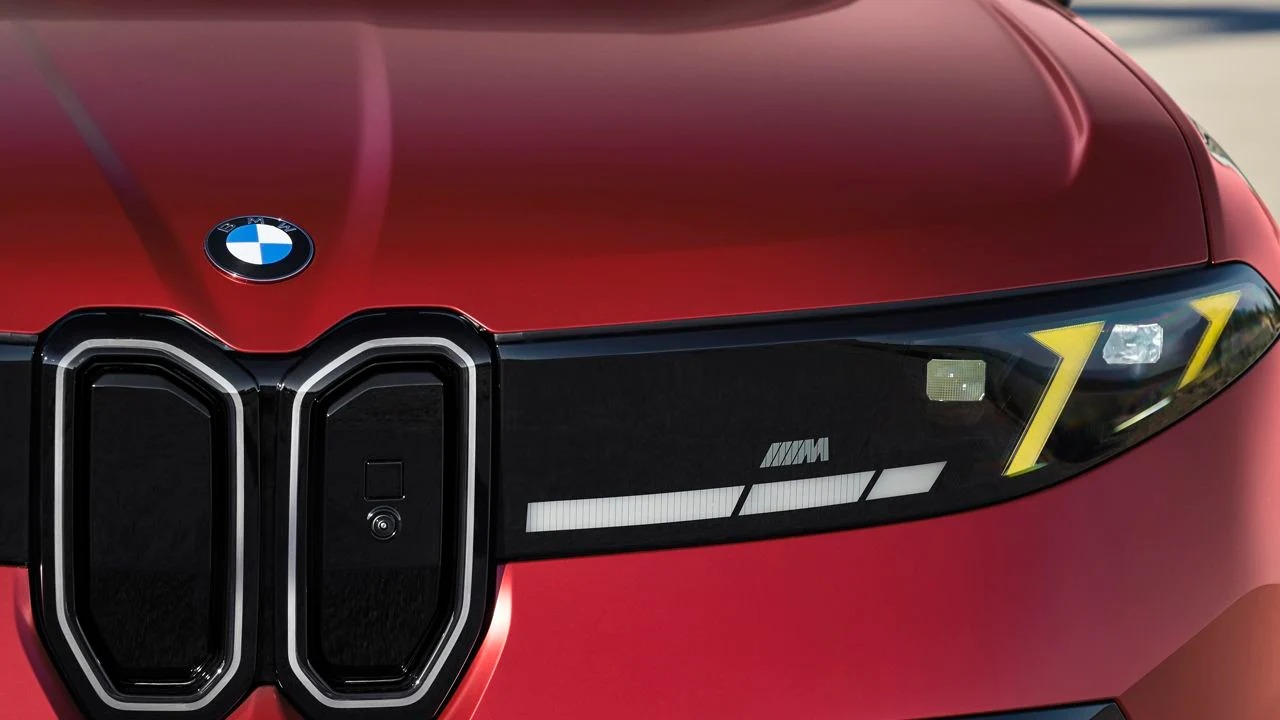
BMW’s move into front-wheel-drive cars began with the UKL platform launched in 2014. This platform allowed for more roomy compact models like the 2 Series Active Tourer and expanded front-wheel-drive use into some SUVs and sedans. Although it made business sense, this approach moved away from BMW’s rear-wheel-drive tradition.
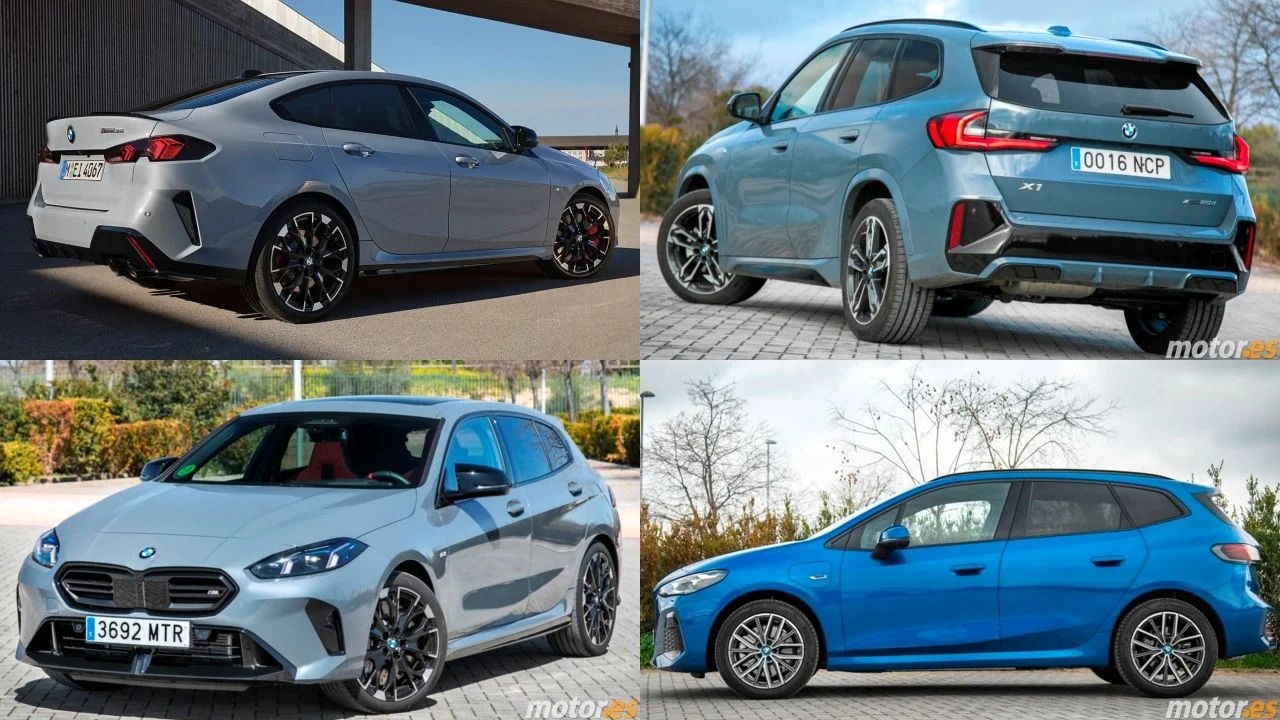
BMW now plans to end combustion-engine front-wheel-drive models between 2029 and 2033. The 2 Series Active Tourer will be discontinued in 2029, the 2 Series Gran Coupé in 2032, and combustion-engine versions of the X1 and X2 by 2033. Electrified versions may continue, but with rear-wheel-drive setups.
Refocusing on Core Strengths
These cuts come as BMW simplifies its lineup. Maintaining many different platforms and body types has become costly and less profitable. BMW aims to focus on models with broader appeal, especially in its SUV and electric ranges.
For example, the X1 proved that a compact SUV can fit BMW’s image well—but too many variations dilute the brand’s identity and profitability.
A Modern Return to BMW’s Roots
BMW won’t roll back to a lineup from decades ago. The rise of electrification and changing customer preferences mean SUVs, compact cars, and EVs remain essential. However, BMW is shifting back toward its traditional values: rear-wheel-drive focus, fewer body styles, and clearer model roles.
This strategy means future electric models may maintain rear-wheel drive, preserving a key part of the driving experience BMW customers expect. In essence, BMW’s “return to roots” means focusing on what made the brand distinct, rather than chasing every new niche or technology direction.
Source: motor.es